
 English EN
 中国 CN
中国 CN
 French FR
 German DE
 Portuguese PT
 Spanish ES
 Russian RU
 Japanese JA
 Korean KO
 Arabic AR
 Turkish TR
 Italian IT
Dimple plate heat exchanger delights and dilemmas for every user
Industry adoption continues to rise:
The market is projected to grow at a CAGR of 6.8% from 2024 to 2030.
Sectors such as food & beverage, HVAC, and chemical processing drive this increase.
Energy-efficient and sustainable solutions play a key role in shaping demand.
Dimple plate heat exchanger advantages

Energy efficiency and performance
Dimple plates deliver outstanding energy efficiency in industrial heat transfer applications. SHPHE’s Pillow Plate design maximizes thermal energy transfer by creating turbulent flow within the internal cavities. This turbulence increases the heat transfer coefficient, which leads to superior performance compared to traditional smooth tubes. Studies show that dimple plate heat exchangers can achieve more than 200% improvement in heat transfer capacity over smooth tubes. The following table highlights key performance metrics from recent research:
Study | Findings | Heat Transfer Capacity Increase | Comprehensive Heat Transfer Coefficient |
|---|---|---|---|
Li et al. | Dimpled tube vs. smooth tube | More than 200% | Over 1.5 |
Afanasyev et al. | Spherical cavities enhance heat transfer | 30–40% | N/A |
Muley et al. | Corrugation angle boosts heat transfer | 2–5 times higher than flat plates | N/A |
Dimple plates also reduce operational costs by lowering energy consumption. Enhanced cooling efficiency supports sustainable production and helps industries meet environmental targets.
Design flexibility
SHPHE’s Pillow Plate offers unmatched design flexibility. Dimple plates adapt easily to different shapes and sizes, making them suitable for tanks, vessels, and custom process equipment. Unlike shell-and-tube heat exchangers, which have rigid structural constraints, dimple plates allow for straightforward customization. Plate geometry and arrangement can be tailored to specific requirements, enabling users to increase capacity or optimize performance after installation. This flexibility supports a wide range of industrial processes and ensures that dimple plate heat exchanger solutions fit unique operational needs.
Tip: Dimple plates can be manufactured from various materials, including stainless steel and titanium, to match the demands of food, chemical, or environmental applications.
Low pressure drop
Dimple plates excel at minimizing pressure drop, which is crucial for efficient system operation. The optimized geometry of SHPHE’s Pillow Plate ensures smooth fluid flow and reduces resistance. Research demonstrates that dimpled fins with diameters ranging from 2 mm to 6 mm can lower pressure drop by up to 58% compared to smooth fins at certain velocities. The following list summarizes typical pressure drop values:
Dimpled fins (2 mm): 53% reduction at 16 m/s compared to smooth fins.
Dimpled fins (6 mm): 55% reduction at 12 m/s compared to smooth fins and 2 mm dimples.
Dimpled fins (4 mm): 58% reduction at lower velocities compared to smooth fins.
Low pressure drop enhances energy efficiency and reduces pump requirements, which leads to lower operational costs and improved overall system performance.
Durability and reliability
Dimple plates provide exceptional durability and reliability in demanding industrial environments. SHPHE’s Pillow Plate features a robust structure with numerous contact points between plates, allowing it to withstand high differential pressures. The table below outlines the features that contribute to durability and reliability:
Feature | Contribution to Durability and Reliability |
|---|---|
Contact Points | Strong structure resists high pressures |
Flow Dynamics | Turbulence enhances heat transfer at low flow rates |
Compact Design | Efficient heat transfer requires less surface area |
Material Efficiency | Thin plates maintain integrity and reduce costs |
Temperature Approach | Reduces temperature differences for better heat recovery |
Customization | Adjustable geometry optimizes performance for specific conditions |
Weight | Lower weight eases transport and installation |
Low Hold-up Volume | Suitable for hazardous fluids due to reduced retention |
Multi-stream Handling | Simplifies process units and increases compactness |
Maintenance | Easy disassembly for cleaning and adjustments |
Heat Loss | Minimal exposure reduces heat losses |
Dimple plates maintain high thermal performance over time, even when exposed to harsh chemicals or extreme temperatures.
Hygienic and easy to clean
Dimple plates feature smooth surfaces that simplify cleaning and support hygienic standards, especially in food and beverage processing. SHPHE’s Pillow Plate can be cleaned using industry-standard protocols, which include:
Cleaning Stage | Purpose |
|---|---|
Warm Water Pre-Rinse | Removes loose debris and prepares for cleaning |
Alkaline Wash | Eliminates organic materials like proteins and fats |
Acid Wash | Removes mineral deposits such as calcium and magnesium scale |
Final Rinse | Ensures all cleaning agents are washed away, creating a sterile environment |
Operators use alkaline detergents to remove organic materials and acidic detergents to eliminate mineral deposits. Sanitizers ensure the elimination of bacteria. Dimple plates do not require dismantling for cleaning, which reduces downtime and supports continuous production.
Cost-effectiveness
Dimple plates offer significant cost efficiency for industrial users. SHPHE’s Pillow Plate reduces material usage through its lightweight design, which lowers manufacturing and transportation expenses. The structure resists fouling, so maintenance needs remain minimal. Cleaning protocols do not require disassembly, which saves time and labor costs. Enhanced heat transfer efficiency leads to reduced energy consumption, supporting long-term cost considerations. Dimple plates deliver reliable performance and help industries achieve their financial and sustainability goals.
Dimple plate heat exchanger disadvantages
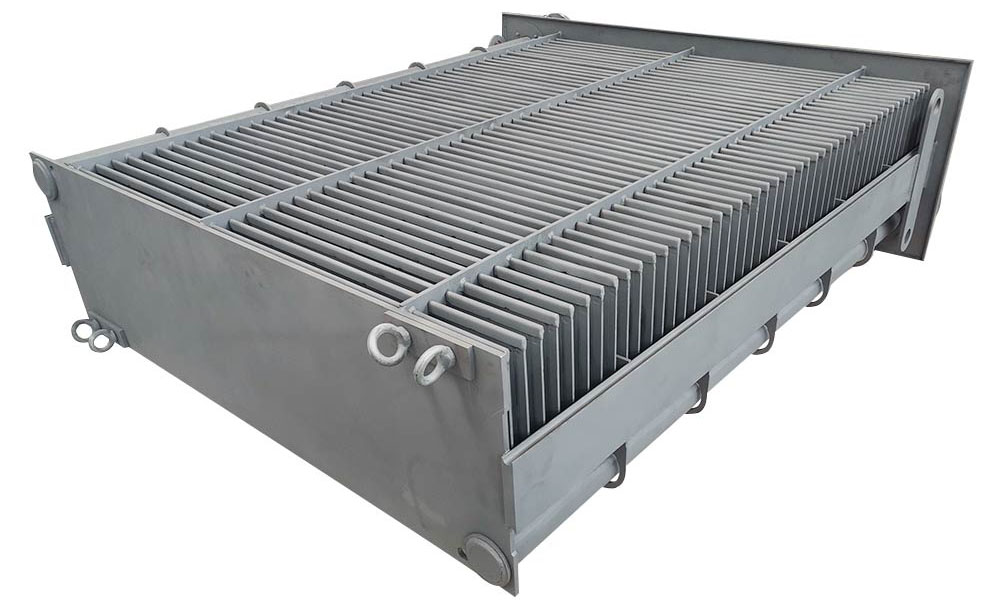
Limited heat transfer compared to some types
Engineers often compare the heat transfer efficiency of dimple plate heat exchangers to other designs. Studies show that dimpled tubes increase the overall heat transfer coefficient by 14.2% compared to smooth tubes in shell-and-tube heat exchangers. The temperature change at the tube side rises by 15% with dimpled tubes. However, some plate heat exchangers and advanced shell-and-tube models can deliver even higher performance under specific conditions. Users must evaluate their process requirements to determine if the dimple plate heat exchanger meets their thermal needs.
Dimpled tubes enhance heat transfer coefficient by 14.2% over smooth tubes.
Pressure drop increases by 22% compared to smooth tubes.
Tube-side temperature change rises by 15% with dimpled tubes.
SHPHE recommends a thorough analysis of process demands before selecting a heat exchanger type.
Size and installation challenges
Industrial users sometimes face challenges with the size and installation of dimple plate heat exchangers. Large units may require significant space, which can complicate integration into existing facilities. In high-pressure or high-temperature applications, precise alignment is essential to maintain operational integrity. Specialized tools and skilled labor often become necessary, increasing project costs. Installation expenses can escalate based on site conditions and system complexity, sometimes adding thousands of dollars to the budget. If extensive modifications are needed, the timeline for commissioning may extend. Ongoing costs such as cleaning and gasket replacements also contribute to the total cost of ownership.
Note: The ease of integrating a dimple plate heat exchanger into an existing system depends on site layout and process requirements.
Maintenance and clogging risks
Maintenance remains a key concern for operators using dimple plate heat exchangers. Fouling layers can act as insulating barriers, reducing heat transfer efficiency and overall performance. Increased maintenance and operating costs often result from fouling. Severe cases may lead to higher capital investment and production losses. Frequent cleaning becomes necessary, which can be costly and time-consuming. Flow obstructions and increased pressure drops may occur due to various types of fouling.
Maintenance and operating costs increase with fouling.
Severe fouling leads to production losses and higher investment.
Frequent cleaning is required, raising costs.
Flow obstructions and pressure drops can occur.
Operators can minimize these risks by following preventive measures:
Preventive Measure | Description |
|---|---|
Proper design margins | Choose suitable surface area and fouling factor for the service. |
Material compatibility | Select corrosion-resistant materials for specific environments. |
Good flow distribution | Avoid dead zones or bypassing to prevent localized fouling. |
Maintain stable conditions | Prevent scaling by avoiding temperature and flow fluctuations. |
Control inlet fluid quality | Use filters, strainers, and demisters upstream. |
Ensure chemical treatment | Use corrosion inhibitors and anti-foulants to prevent scaling. |
Monitor temperature approach | Watch for sudden increases that indicate fouling. |
Regular inspection | Use ultrasonic checks, pressure tests, or visual inspection. |
Predictive maintenance | Track heat transfer coefficient trends and use sensors for early detection. |
SHPHE supports users with guidance on maintenance best practices to ensure reliable performance.
Transportation issues
Transporting dimple plate heat exchangers can present logistical challenges, especially for large or custom-built units. The lightweight design of SHPHE’s Pillow Plate helps reduce some transportation costs, but oversized equipment may still require special handling. Shipping constraints, road regulations, and the need for protective packaging can add complexity. Industrial users should plan for these factors when scheduling delivery and installation.
Tip: Early coordination with logistics providers can help avoid delays and unexpected expenses.
Dimple plates quick comparison table
Dimple plates have become a popular choice in industrial heat exchange. Many users select dimple plates for their compact design and efficient performance. SHPHE offers dimple plates that meet the needs of various sectors, including food processing and chemical manufacturing. The following table summarizes the main advantages and disadvantages of dimple plates based on recent industry comparisons:
Advantages | Disadvantages |
|---|---|
Provides high value for your overall heat transfer. | Leakage: Increased potential for leakage as gaskets age. |
Creates a compact design, saving space. | Higher pressure drops due to narrow passageways. |
Easy maintenance and cleaning. | Not beneficial for large fluid temperature differences. |
Effective control of temperature differences. | Limited performance with very high fluid temperatures. |
Pros summary
Dimple plates deliver several benefits for industrial users. The compact structure allows engineers to save valuable space in crowded facilities. SHPHE’s dimple plates provide high heat transfer efficiency, which supports energy savings and process optimization. Many operators appreciate the easy maintenance and cleaning features. Dimple plates help control temperature differences effectively, making them suitable for sensitive applications. The versatility of dimple plates enables their use in a wide range of industries. Their lightweight design also reduces transportation costs. Dimple plates offer reliable performance and long service life, especially when users follow recommended maintenance practices.
Compact design fits into limited spaces.
High heat transfer value supports efficient operations.
Easy cleaning reduces downtime.
Effective temperature control benefits sensitive processes.
Versatile applications across industries.
Lightweight structure lowers shipping expenses.
Reliable operation with proper care.
SHPHE’s dimple plates meet strict industry standards.
Many users report reduced energy consumption.
Dimple plates simplify system upgrades.
Cons summary
Despite their strengths, dimple plates present some challenges. The potential for leakage increases as gaskets age, requiring regular inspection. Narrow passageways can lead to higher pressure drops, which may affect pump selection. Dimple plates do not perform as well when large fluid temperature differences exist. Their performance is limited with very high fluid temperatures. Operators must consider these factors when choosing dimple plates for specific applications. Proper installation and maintenance help minimize these drawbacks.
Leakage risk grows with gasket aging.
Higher pressure drops may occur.
Not ideal for large temperature differences.
Limited effectiveness at extreme temperatures.
Regular checks and maintenance required.
Some systems need special pump configurations.
Users should evaluate process needs carefully.
Suitability and application
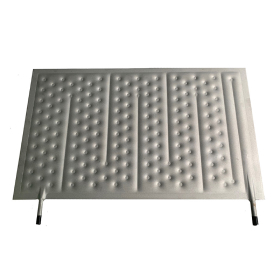
Best use cases
Dimple plates excel in a wide range of industrial settings. Engineers often select dimple plates for their ability to maximize heat transfer while minimizing space requirements. These plates perform especially well in environments where hygiene and easy cleaning matter. Common applications include:
Chemical processing plants
Food processing facilities
Automotive heater boxes
Furnaces and bakery oven pre-heaters
Air pollution control systems
Plastics and mineral industry drying systems
Power generation and jet engine air pre-heating
Bottling plants and grain dryers
Textile and paper machine hood exhausts
Batch oven air pre-heating and furniture manufacturing
Operators in these industries rely on dimple plates for efficient temperature control and reliable operation. Dimple plates also support cooling systems in sectors that demand precise thermal management.
The following table highlights case studies that demonstrate the effectiveness of dimple plates in specific industries:
Case Study | Description |
|---|---|
Nutripeople combats food waste | Effective in food processing, relevant to dairy and other food industries |
Multinational food producer benefits | Applicable to dairy and brewing sectors |
Ready Foods keeps their cool | Cooling solutions in food processing, relevant to dairy applications |
Muntons slashes CO2 emissions | Efficiency improvements in food and chemical processing |
Leading UK dairy benefits | Demonstrates effectiveness in dairy heat exchange |
Tight spec for dairy heat exchanger | Focused on dairy applications |
Cheese drying capacity increases | Relevant to dairy processing |
Plate heat exchangers in dairy | Supports effectiveness claims in dairy industry |
When alternatives are better
Some scenarios require alternative heat exchanger designs. Shell-and-tube heat exchangers suit high-pressure environments and handle dirty fluids with ease. Their durability under extreme conditions makes them ideal for heavy-duty industries. Spiral heat exchangers also offer advantages in specific settings.
Operators should consider the following factors when choosing between dimple plates and other technologies:
Factor | Dimple Plate Heat Exchangers | Alternative Technologies |
|---|---|---|
Material Compatibility | Compatible with various pumpable fluids | Varies by technology |
Maintenance Requirements | Easy to clean, minimizes downtime | Often higher maintenance burden |
Thermal Efficiency | Increases heat transfer rates without raising pressure drop | Varies significantly |
Operational Conditions | Handles high temperatures and pressures, resists fouling | May not perform as well under extreme conditions |
Shell-and-tube heat exchangers are preferred for high-pressure environments. They also perform well when fluids contain significant contaminants. Dimple plates remain the top choice for compact, efficient, and hygienic applications.
Shanghai Heat Transfer’s Pillow Plate solutions
SHPHE offers Pillow Plate solutions that address the needs of modern industrial users. Their dimple plates provide reliable performance in food, chemical, and environmental sectors. SHPHE engineers design Pillow Plates to fit custom shapes and sizes, ensuring seamless integration into existing systems. The smooth surfaces of dimple plates simplify cleaning and support strict hygiene standards. SHPHE’s Pillow Plate solutions deliver high thermal efficiency, durability, and cost-effectiveness. Industrial users benefit from reduced energy consumption and lower maintenance requirements. SHPHE continues to innovate, helping industries optimize their cooling systems and heat exchange processes.
Dimple plate heat exchangers offer strong versatility and efficiency for industrial users. SHPHE’s solutions adapt to many vessel designs and perform well in high-pressure settings. However, pre-formed dimple plates may need higher flow rates for optimal heat transfer.
Benefit/Drawback | Description |
|---|---|
Versatility | Adaptable shapes, sizes, and materials |
Efficiency | Effective in demanding applications |
Flow Rate | May require higher flow rates |
SHPHE experts help users optimize efficiency, ensure safety, and provide ongoing support. Each user should assess process needs before choosing a solution.
FAQ
What industries use dimple plate heat exchangers?
Food processing, chemical manufacturing, and environmental protection industries use dimple plate heat exchangers. SHPHE’s Pillow Plate adapts to many applications, including cooling, heating, and temperature control.
How does SHPHE’s Pillow Plate improve cleaning?
Smooth surfaces on SHPHE’s Pillow Plate allow easy cleaning. Operators remove debris and residue quickly. This design supports strict hygiene standards in food and pharmaceutical sectors.
Can SHPHE customize Pillow Plate designs?
SHPHE engineers customize Pillow Plate shapes, sizes, and materials. Users request specific configurations for tanks, vessels, or process equipment. Customization ensures optimal performance for each application.
What fluids work with dimple plate heat exchangers?
Dimple plate heat exchangers handle water, oil, gas, and other pumpable fluids. SHPHE selects materials like stainless steel or titanium to match fluid properties and operating conditions.
Are dimple plate heat exchangers energy efficient?
SHPHE’s Pillow Plate maximizes heat transfer and reduces energy consumption. Many users report lower operational costs and improved sustainability. Enhanced efficiency supports environmental goals.