Why Use Plate Heat Exchanger for Ammonia
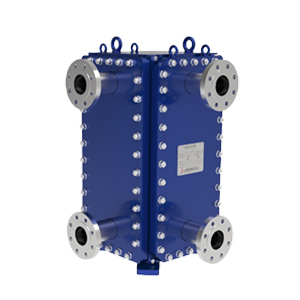
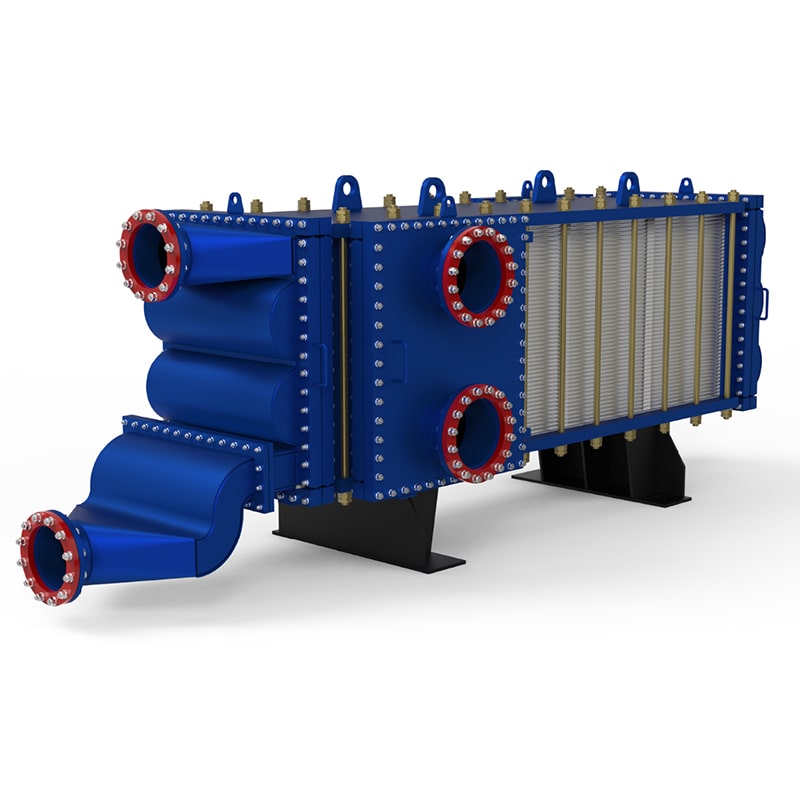
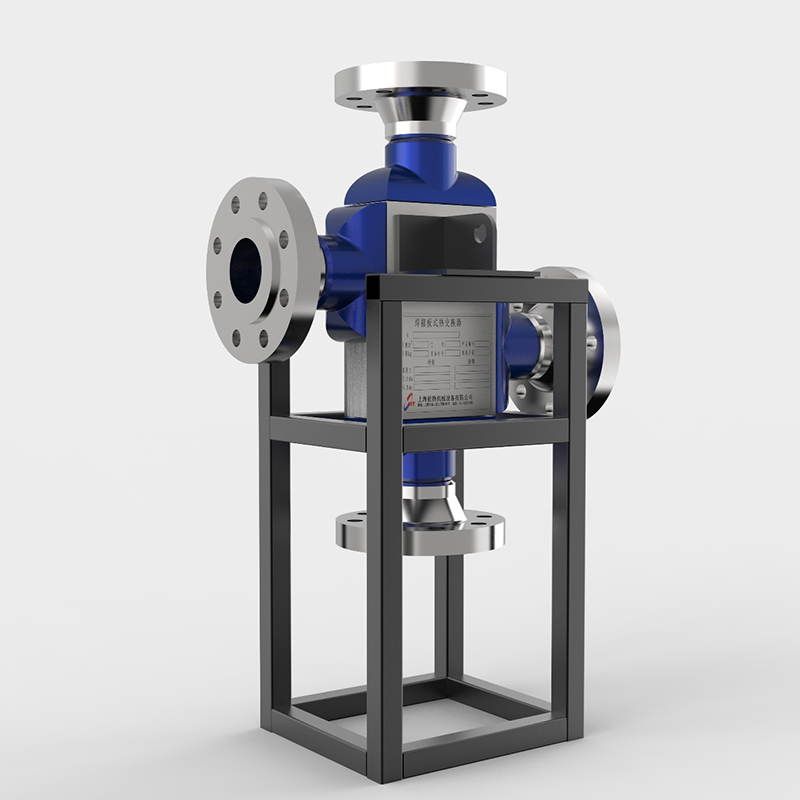
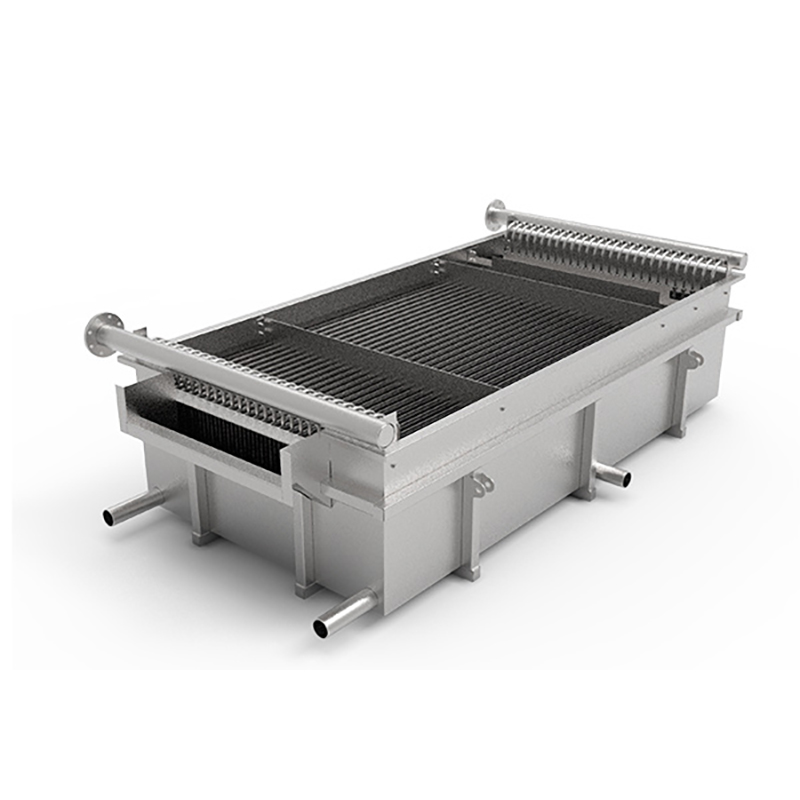
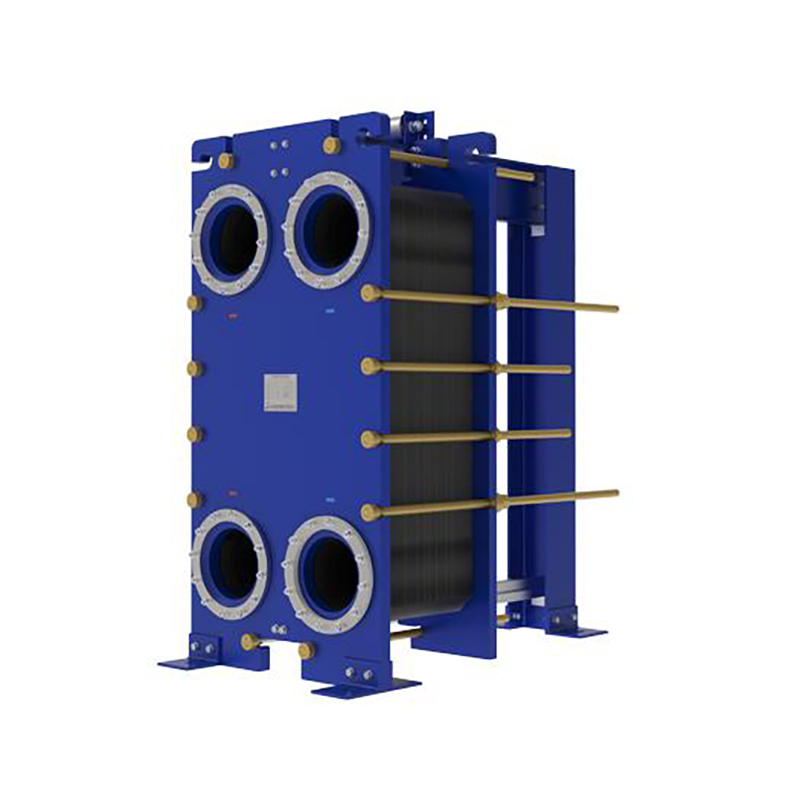
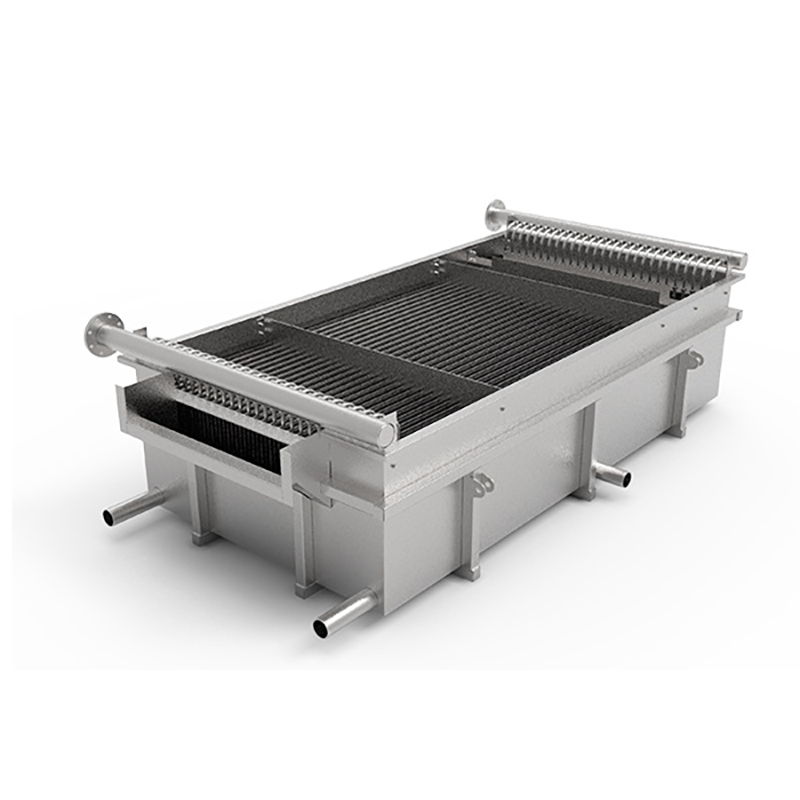
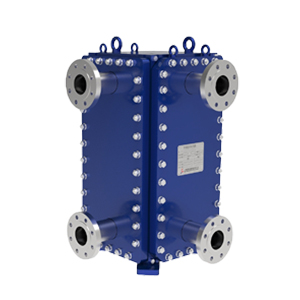
Plate heat exchangers (PHEs) are the preferred technology for ammonia refrigeration and industrial processes due to their superior efficiency, compact footprint, and robust performance under demanding conditions. The unique properties of ammonia (R-717) as a natural refrigerant with high latent heat of vaporization and excellent heat transfer characteristics are perfectly matched by the design of modern plate heat exchangers. These systems are engineered to handle the specific pressures and thermal duties required for applications such as evaporators, condensers, economizers, and oil coolers within large-scale industrial refrigeration cycles, including those in food processing, cold storage warehouses, and chemical manufacturing plants. The primary reasons for their dominance include unparalleled heat transfer coefficients, significant reduction in ammonia charge compared to traditional shell-and-tube units, and enhanced operational safety through reduced internal volume.
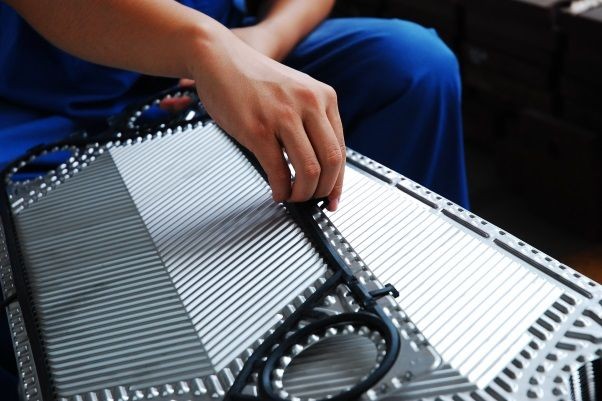
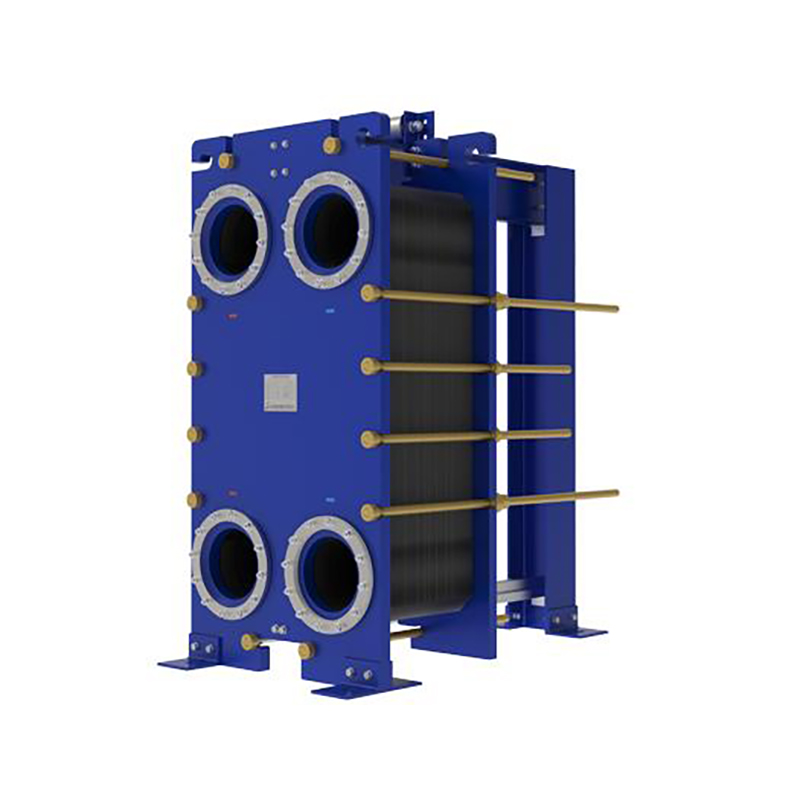
The exceptional thermal efficiency of plate heat exchangers for ammonia is driven by the turbulent flow induced by the corrugated plate patterns, which drastically improves heat transfer rates. Real-world performance data from manufacturers like Alfa Laval, SWEP, and Kelvion consistently show that ammonia PHEs can achieve heat transfer coefficients ranging from 2,500 to 8,000 W/m²K, significantly higher than the 800 to 1,500 W/m²K typical of shell-and-tube exchangers. This high efficiency directly translates to a dramatically reduced required heat transfer surface area, often by 50% to 70%, leading to a more compact and lightweight unit. This compactness is a critical advantage, saving valuable floor space in industrial facilities. Furthermore, the significantly smaller internal volume of a PHE—often requiring 60% to 85% less refrigerant charge than an equivalent shell-and-tube model—is a major safety and environmental benefit. A smaller ammonia inventory minimizes the potential hazard in the event of a leak and reduces the overall system cost and environmental impact. For instance, a large cold storage facility might reduce its ammonia charge from several thousand pounds to just a few hundred by utilizing a plate design, a fact frequently highlighted in case studies by engineering firms specializing in refrigeration retrofits.
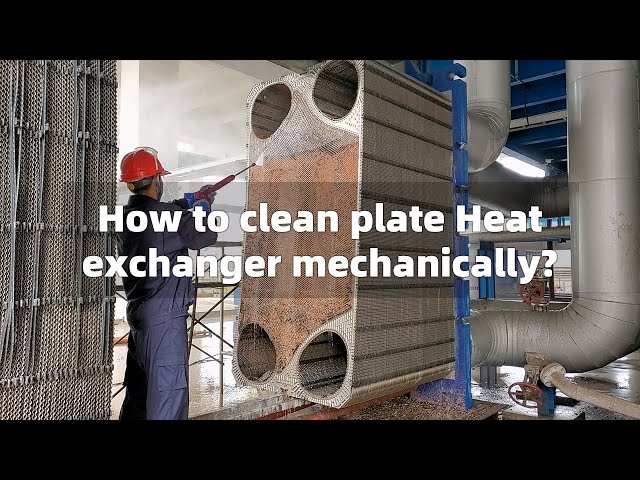
Beyond efficiency and safety, the operational flexibility and reliability of ammonia plate heat exchangers are paramount. Their modular plate-and-frame construction allows for easy capacity expansion by simply adding more plates, facilitating straightforward scalability to meet changing process demands. Gasket technology has advanced to use materials like HNBR or EPDM, which are fully compatible with ammonia, ensuring long-term reliability and leak-tight performance. Maintenance is simplified as the stack of plates can be easily opened for inspection and mechanical cleaning, a crucial feature for applications prone to fouling. This cleanability helps maintain peak performance over time, preventing the gradual efficiency degradation common in systems that are harder to service. In practice, this means lower lifetime operating costs and reduced downtime. Industry adoption trends, reflected in specifications from major engineering, procurement, and construction (EPC) firms, confirm that plate heat exchangers are now the standard for new ammonia-based systems, effectively replacing older technologies due to their proven performance, compliance with stringent international safety standards like ASME and PED, and demonstrable return on investment through lower energy consumption and reduced refrigerant costs.
 English EN
 中国 CN
中国 CN
 French FR
 German DE
 Portuguese PT
 Spanish ES
 Russian RU
 Japanese JA
 Korean KO
 Arabic AR
 Turkish TR
 Italian IT







User Comments
Service Experience Sharing from Real Customers
Michael Reynolds
Refrigeration EngineerThis plate heat exchanger is an absolute workhorse for our ammonia-based industrial refrigeration system. The efficiency in heat transfer is remarkable, and the build quality is robust enough to handle the demands. A critical and reliable component.
Sarah Chen
Plant Operations ManagerWe integrated this unit into our cold storage facility's ammonia loop. The compact design saved us significant space, and its performance has been flawless for over a year now. It's incredibly efficient, which has noticeably reduced our operational costs.
David Rodriguez
Maintenance TechnicianAs a tech, I appreciate equipment that is designed with service in mind. This ammonia plate exchanger is straightforward to maintain and clean. The gaskets are high-quality and have held up well. Took off one star only because the initial installation instructions could be slightly clearer.
Jennifer Williams
HVAC Project LeadSpecified this heat exchanger for a large-scale ammonia HVAC project. The thermal performance data provided was accurate, and it integrated perfectly into our design. The manufacturer's support was excellent throughout. Highly recommend for any serious ammonia application.