How to fix welded block heat exchanger
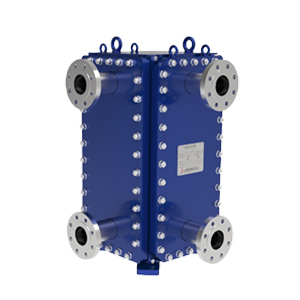
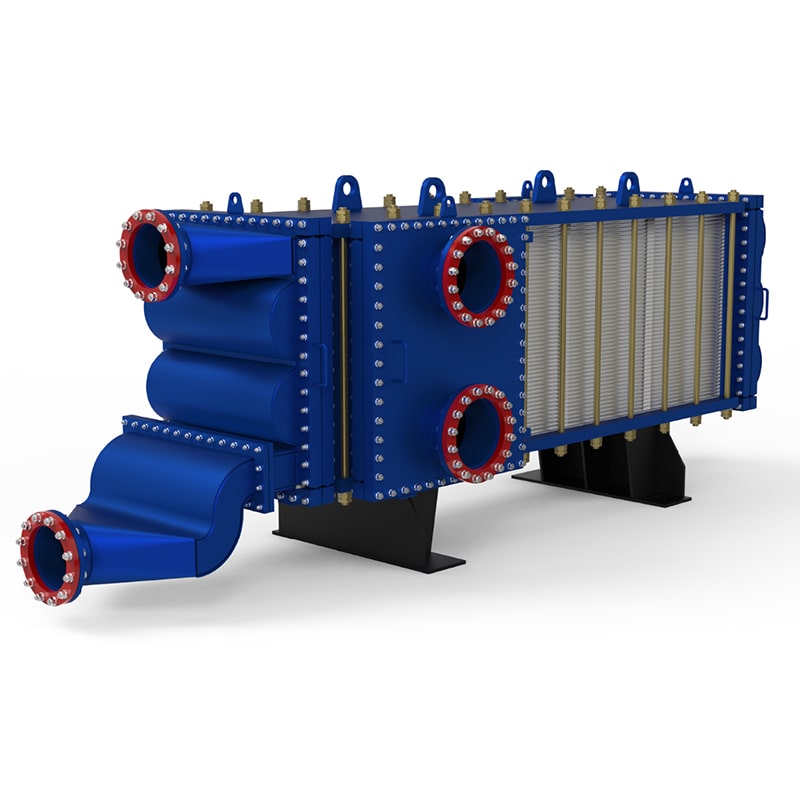
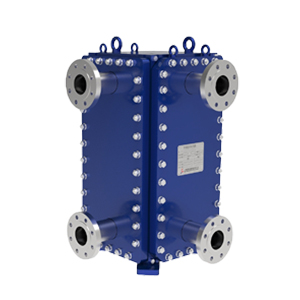
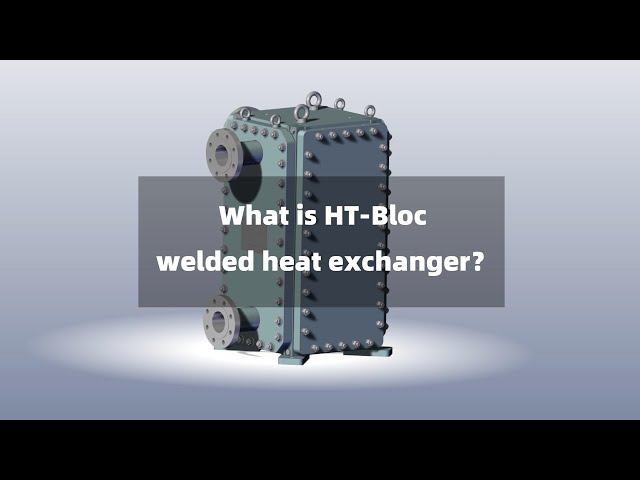
Welded block heat exchangers are critical components in demanding industrial processes such as chemical processing, oil and gas refining, and high-pressure gas applications. Fixing these units is not a simple task of unbolting and replacing parts; it is a complex procedure that requires a deep understanding of their construction and the specific failure mode. The primary methodologies for addressing issues within a welded block heat exchanger involve rigorous diagnostics, advanced cleaning techniques, and specialized repair protocols, often necessitating the expertise of the original equipment manufacturer (OEM) or a certified specialist. The initial and most crucial step is a thorough failure analysis to determine the root cause, which could be thermal fatigue, corrosion, fouling, or mechanical stress. Non-destructive testing (NDT) methods like ultrasonic testing, radiography, and dye penetrant inspection are indispensable for pinpointing the exact location and extent of damage, such as internal channel cracks or pinhole leaks within the bonded plates. Unlike shell and tube heat exchangers, the all-welded construction means individual plates cannot be accessed or replaced, making most repairs highly specialized.
Once the failure is diagnosed, the appropriate repair strategy is implemented. For severe internal damage like cross-contamination due to a burst channel, the only viable solution is often a complete unit replacement, as internal welding is typically impossible. However, for external leaks at header joints or nozzles, specialized welding procedures can be employed. These repairs require highly skilled technicians using materials exactly matching the original construction (e.g., 316/316L stainless steel, Hastelloy, or titanium) to maintain corrosion resistance and structural integrity. Post-weld heat treatment (PWHT) is frequently mandatory to relieve stresses and prevent future cracking. For issues like fouling and scaling that reduce thermal efficiency, aggressive chemical cleaning cycles are the primary fix. Specific CIP (Clean-in-Place) procedures using acids, solvents, or alkaline solutions are developed based on the deposit analysis (e.g., calcium carbonate, silica, or organic biomass). Real-world operational data from refinery maintenance reports indicates that improperly executed cleaning can cause irreversible damage to the finely balanced channel geometry. Therefore, fixes almost always rely on OEM-approved protocols. The decision to repair or replace is an economic one; with new welded block exchangers costing from $50,000 to over $500,000 depending on size and material, a major repair by the OEM can represent 40-60% of the cost of a new unit, but with a significantly shorter lead time, minimizing production downtime.
 English EN
 中国 CN
中国 CN
 French FR
 German DE
 Portuguese PT
 Spanish ES
 Russian RU
 Japanese JA
 Korean KO
 Arabic AR
 Turkish TR
 Italian IT







User Comments
Service Experience Sharing from Real Customers
David Chen
Maintenance EngineerThe welded block design is incredibly robust and handles our high-pressure process conditions flawlessly. A significant upgrade from shell and tube exchangers.
Sarah Johnson
Plant ManagerExceptional thermal performance and compact footprint. The all-welded construction eliminated leakage issues we had with other models, drastically reducing downtime.
Michael Rodriguez
HVAC Systems DesignerPerfect for high-efficiency heat recovery in our large-scale district energy systems. The modular blocks made installation and scaling our design much simpler than anticipated.
Emily Watson
Process TechnicianThe durability and corrosion resistance are outstanding. It has maintained its performance in a highly demanding marine environment for over a year with zero maintenance.