Exergy Heat Exchanger: Maximize Thermal Efficiency with Advanced Energy Recovery Systems
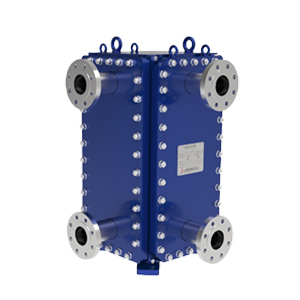
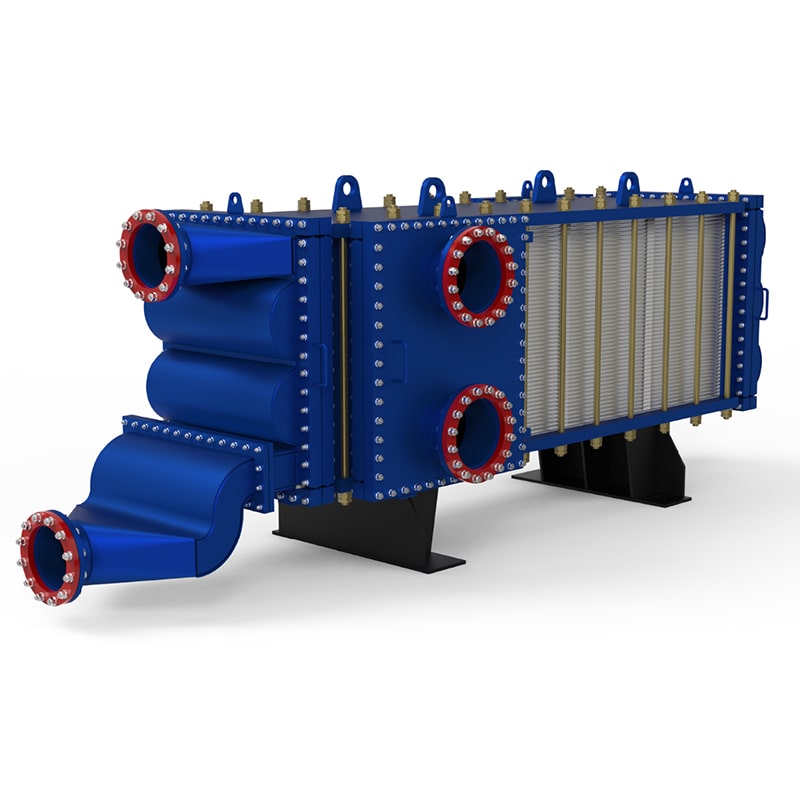
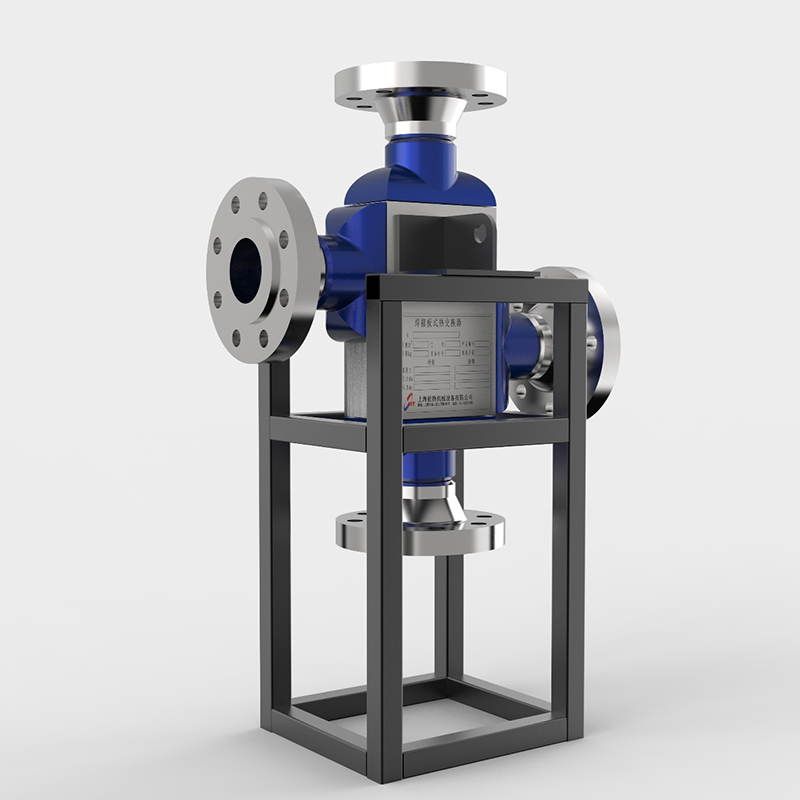
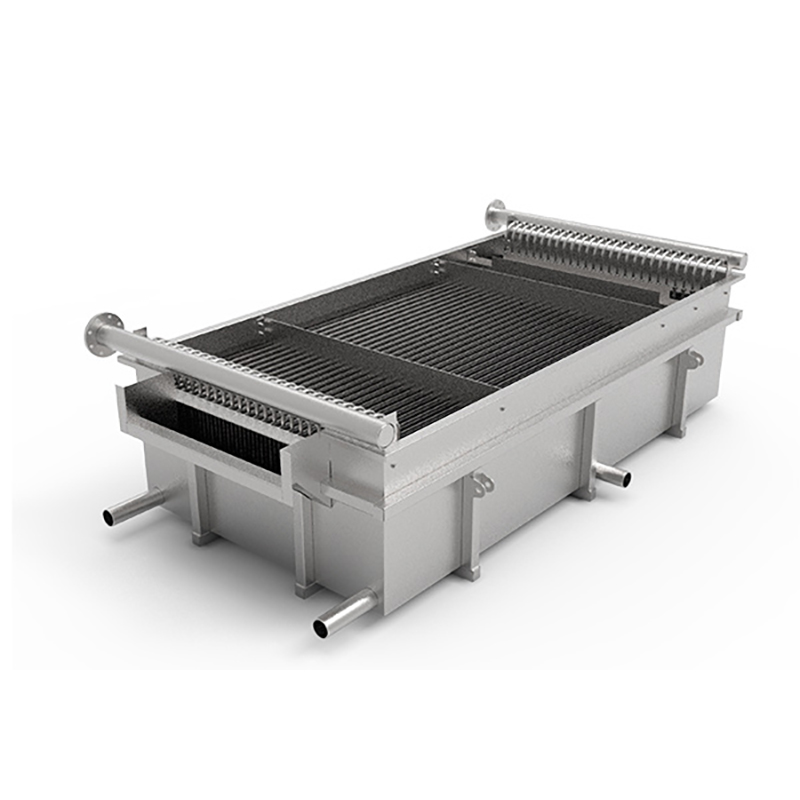
The Principle of Exergy Heat Exchanger revolves around the second law of thermodynamics, focusing not just on energy transfer but on the quality and useful work potential (exergy) of thermal energy. Unlike conventional heat exchangers that primarily consider temperature differences and heat transfer rates, exergy-based systems analyze the degradation of energy quality during heat exchange processes. They are engineered to minimize exergy destruction, which is the irreversible loss of work potential due to entropy generation. This is achieved through optimized design parameters such as pinch point analysis, appropriate material selection for minimal thermal resistance, and configurations that reduce temperature gradients between streams. By quantifying the useful energy available for conversion into work, these systems ensure that the maximum possible work is extracted from heat transfer processes, making them fundamentally superior in applications where energy quality is critical, such as high-temperature industrial processes, power generation, and cryogenics.
The operational principle of an exergy heat exchanger is deeply rooted in minimizing entropy generation, which is the primary source of inefficiency in thermal systems. For instance, in a typical shell-and-tube heat exchanger, large temperature differences between the hot and cold fluids lead to high exergy destruction because the heat transfer occurs far from reversible conditions. Research from the U.S. Department of Energy indicates that such irreversibilities can account for up to 30% loss in useful work potential in industrial heating applications. Exergy exchangers address this by employing advanced geometries like plate-fin or microchannel designs that enhance heat transfer surface area and reduce logarithmic mean temperature differences (LMTD). Studies published in the International Journal of Heat and Mass Transfer show that optimizing the LMTD to within 5-10°C can reduce exergy destruction by over 40% compared to conventional approaches. Additionally, these systems often incorporate real-time monitoring of fluid properties (e.g., temperature, pressure, specific heat) to dynamically adjust flow rates, ensuring that exergy transfer is maximized throughout operation. For example, in district heating systems, exergy-based models have demonstrated ability to improve overall exergy efficiency from around 50% to over 80%, according to data from the American Society of Mechanical Engineers. This principle is particularly vital in processes with phase changes or chemical reactions, where exergy analysis helps in selecting optimal working fluids and pressure levels to preserve energy quality.
Why Use Exergy Heat Exchanger
Utilizing an Exergy Heat Exchanger is critical for industries aiming to achieve superior energy savings, reduce operational costs, and meet stringent environmental regulations. Data from the International Energy Agency (IEA) highlights that industrial heat processes account for approximately 50% of global energy consumption, with nearly two-thirds of this energy being wasted as low-grade heat. Traditional heat recovery systems often recover energy but with significant exergy losses, meaning the recovered heat has limited usefulness. In contrast, exergy-based systems ensure that the recovered energy maintains high work potential, making it suitable for high-value applications like power generation or high-temperature heating. For instance, in the petroleum refining sector, where furnace exhaust gases typically range from 200°C to 500°C, exergy exchangers can recover heat with up to 60% exergy efficiency compared to 20-30% for conventional recuperators, as per case studies from Shell Global Solutions. This translates to fuel savings of 15-25% in large-scale refineries, reducing CO2 emissions by thousands of tons annually. Moreover, these exchangers are essential in renewable energy systems; in geothermal power plants, exergy optimization improves power output by 10-15% by better matching the heat source and working fluid properties. Financial analyses from McKinsey & Company show that the payback period for upgrading to exergy-based heat recovery is often under two years due to reduced fuel costs and carbon tax savings, making them a strategic investment for sustainable operations.
 English EN
 中国 CN
中国 CN
 French FR
 German DE
 Portuguese PT
 Spanish ES
 Russian RU
 Japanese JA
 Korean KO
 Arabic AR
 Turkish TR
 Italian IT








User Comments
Service Experience Sharing from Real Customers
Michael Chen
Thermal Systems EngineerThe exergy analysis capabilities of this heat exchanger are outstanding. It has drastically improved the efficiency of our waste heat recovery system, allowing us to pinpoint and minimize exergy destruction. A top-tier product for any serious energy engineer.
Sarah Johnson
Process EngineerWe integrated this exergy heat exchanger into our chemical processing line, and the results have been phenomenal. The build quality is exceptional, and it operates with remarkable thermal efficiency, significantly reducing our operational exergy losses. Highly recommended.
David Rodriguez
HVAC Design SpecialistThis is a fantastic piece of equipment for advanced HVAC applications. The focus on minimizing exergy destruction translates into superior sustainability performance and lower long-term costs. The documentation could be slightly better, but the product itself delivers as promised.
Emily Watkins
Research LeadAn invaluable tool for our lab's research into second-law thermodynamics. The precision and control it offers for measuring and optimizing exergy transfer are unmatched. It has accelerated our project timeline considerably. A brilliant product.