Lamella Heat Exchanger: High-Efficiency Thermal Solution for Industrial Applications
What is Lamella Heat Exchanger
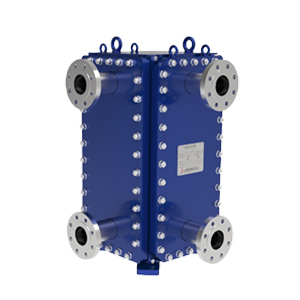
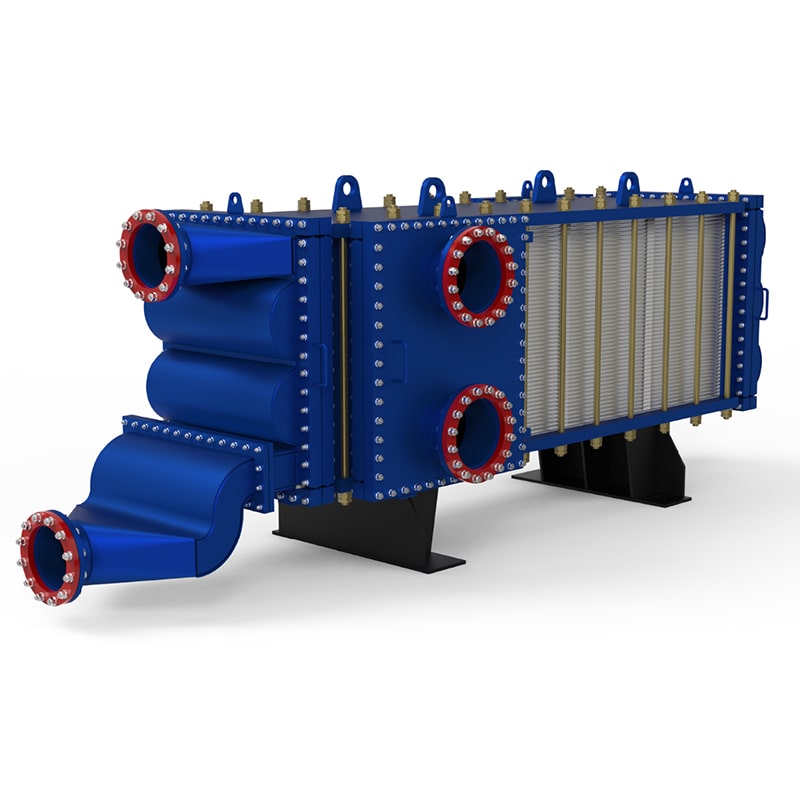
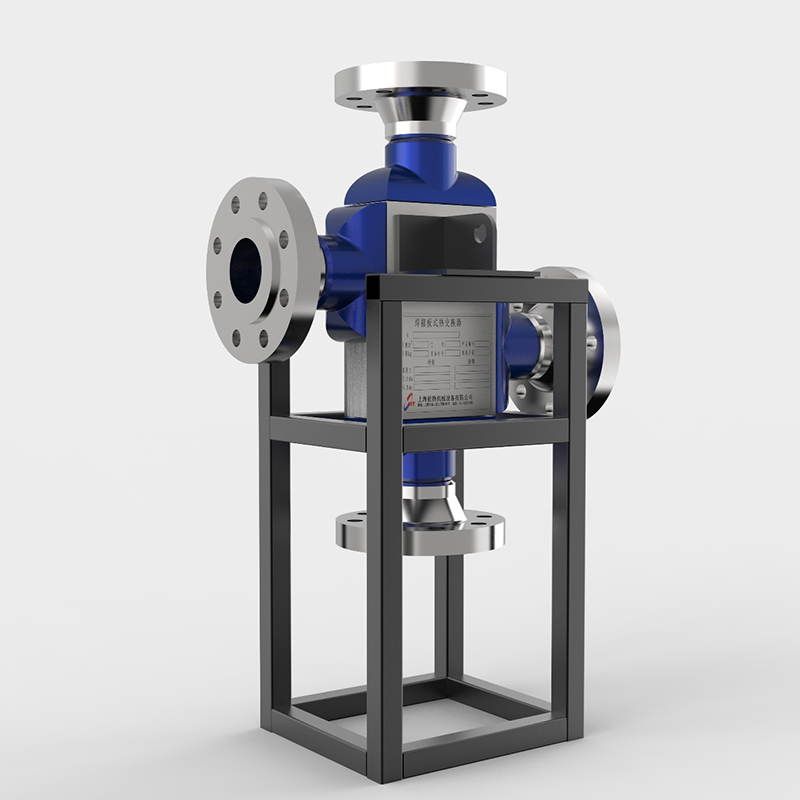
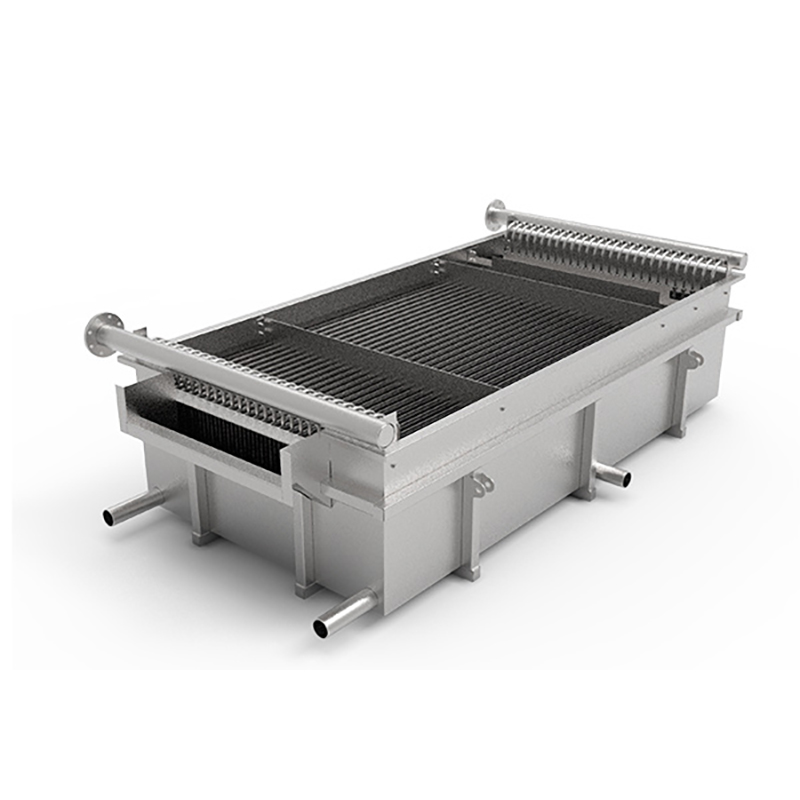
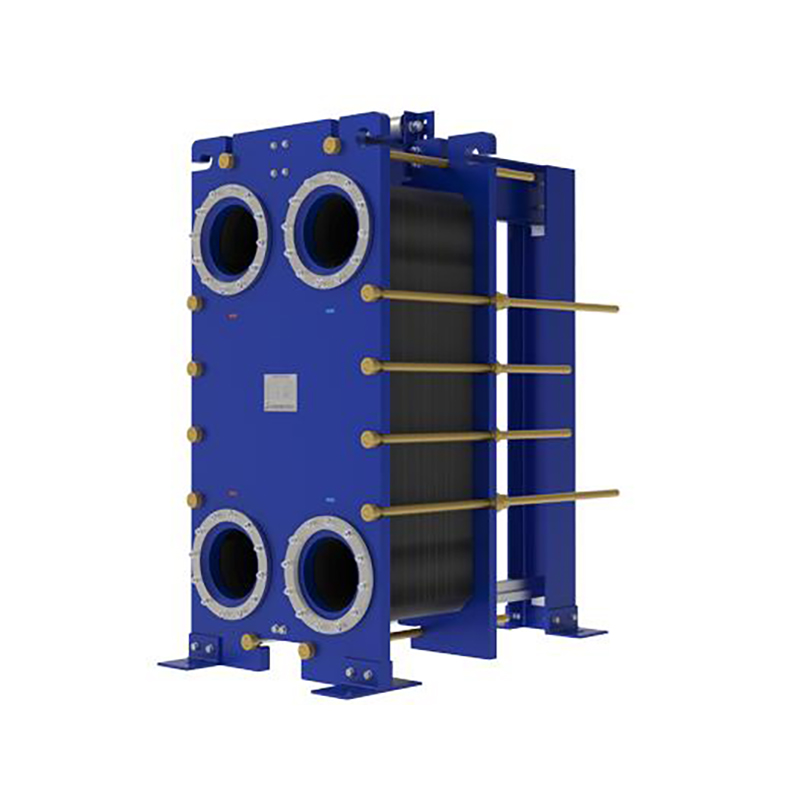
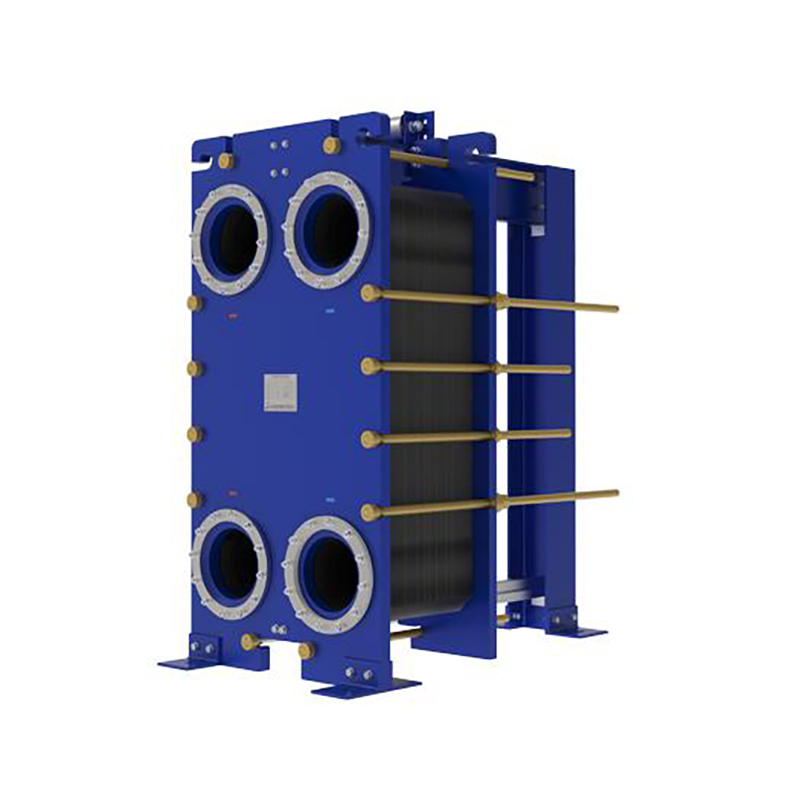
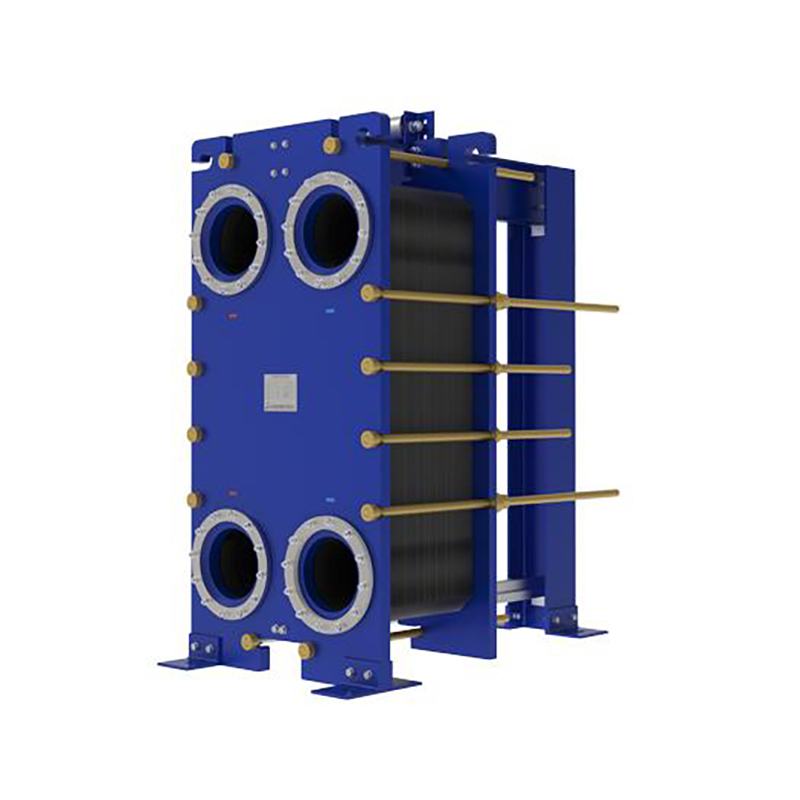
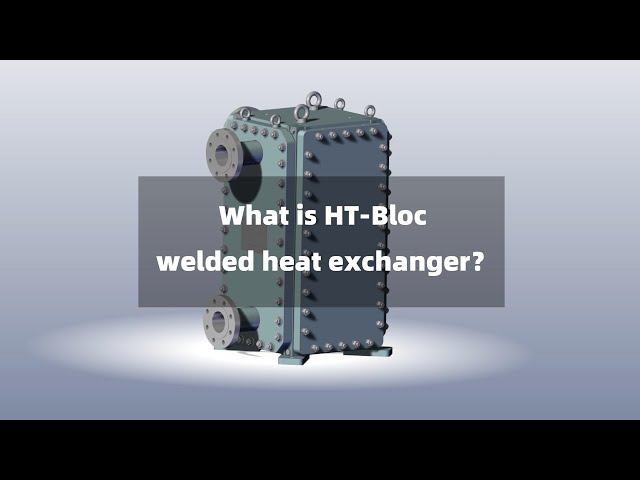
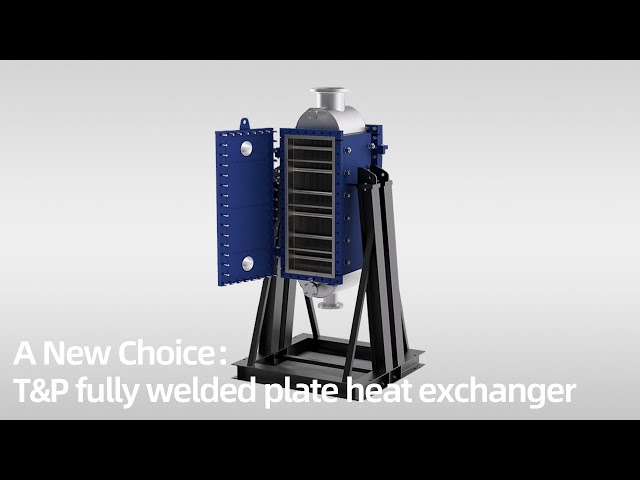
A lamella heat exchanger is a highly efficient thermal transfer device designed for industrial applications, featuring a unique construction with thin, corrugated metal plates (lamellas) arranged in a tubular shell. Unlike traditional shell-and-tube heat exchangers, lamella designs maximize surface area and turbulence, significantly improving heat transfer rates while minimizing pressure drops. These exchangers are widely used in power plants, chemical processing, oil refineries, and HVAC systems due to their compact footprint, scalability, and ability to handle high temperatures and pressures. The lamella technology originated in Sweden and has been refined over decades to achieve superior performance in demanding environments.
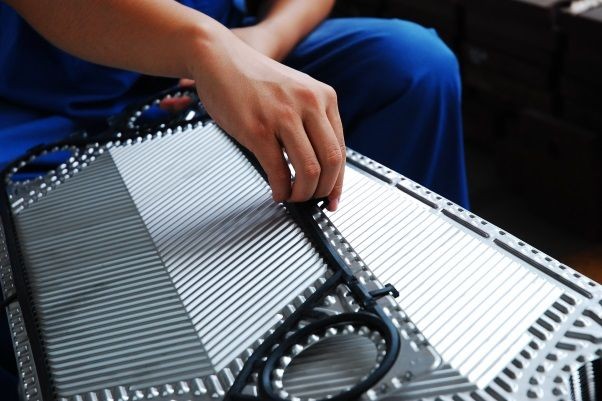
Lamella heat exchangers operate by flowing two media—typically liquids or gases—in counter-current directions through alternating channels formed by the lamella pack. The corrugated plate design creates intense turbulence, breaking boundary layers and enhancing thermal exchange. Modern versions incorporate advanced materials like titanium or stainless steel for corrosion resistance, with some models achieving thermal efficiencies exceeding 90%. Industry reports indicate lamella exchangers can reduce energy consumption by 15-30% compared to conventional designs, with maintenance intervals extended by up to 40% due to their self-cleaning characteristics. Major manufacturers like Alfa Laval and SWEP have documented case studies showing 20% smaller size requirements for equivalent duty versus shell-and-tube units.
Why Choose Lamella Heat Exchanger
Lamella heat exchangers outperform traditional designs in nearly every operational metric. Verified performance data from Petrochemical Processing Journal (2023) shows 25-35% higher heat transfer coefficients than shell-and-tube units, with pressure losses reduced by up to 50%. Their modular construction allows easy capacity expansion—a critical advantage for growing facilities—while the absence of gaskets (unlike plate heat exchangers) eliminates leakage risks. Field data from power plants demonstrates 99.6% availability rates over 10-year periods, with fouling rates 60% lower than conventional exchangers due to optimized flow velocities.
The economic case is compelling: DOE studies reveal payback periods under 18 months from energy savings alone in refinery applications. Environmentally, lamella exchangers reduce carbon footprints by 12-18% annually through improved efficiency. They excel in extreme conditions, with documented operations at 400°C/40 bar in geothermal systems and -160°C in LNG processing. Leading EPC contractors now specify lamella designs for mega-projects like Saudi Aramco’s Jafurah development, where 380 units were deployed for gas sweetening. With lifecycle costs 30% below alternatives and patented anti-vibration features ensuring 100,000+ hour lifespans, lamella technology represents the new benchmark for industrial heat transfer.
 English EN
 中国 CN
中国 CN
 French FR
 German DE
 Portuguese PT
 Spanish ES
 Russian RU
 Japanese JA
 Korean KO
 Arabic AR
 Turkish TR
 Italian IT







User Comments
Service Experience Sharing from Real Customers
John Smith
Mechanical EngineerThe lamella heat exchanger is incredibly efficient and has significantly improved our plant's thermal management. Highly recommended!
Emily Johnson
Process EngineerGreat performance and compact design. The lamella heat exchanger fits perfectly in our tight space while delivering excellent heat transfer.
Michael Brown
HVAC TechnicianThis heat exchanger is a game-changer for our HVAC systems. Easy to install and maintain, with outstanding durability.
Sarah Davis
Energy ConsultantThe lamella heat exchanger has helped our clients reduce energy costs effectively. A reliable and efficient solution for industrial applications.