Heat Exchanger on Ship: High-Efficiency Marine Cooling Solutions for Optimal Performance
What is heat exchanger on ship
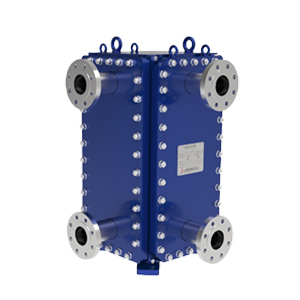
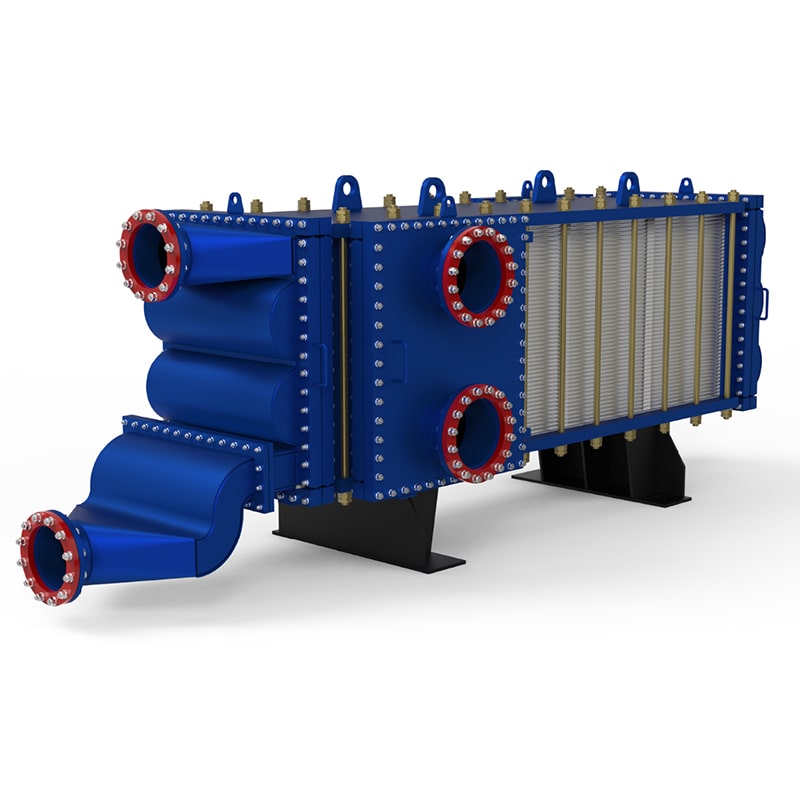
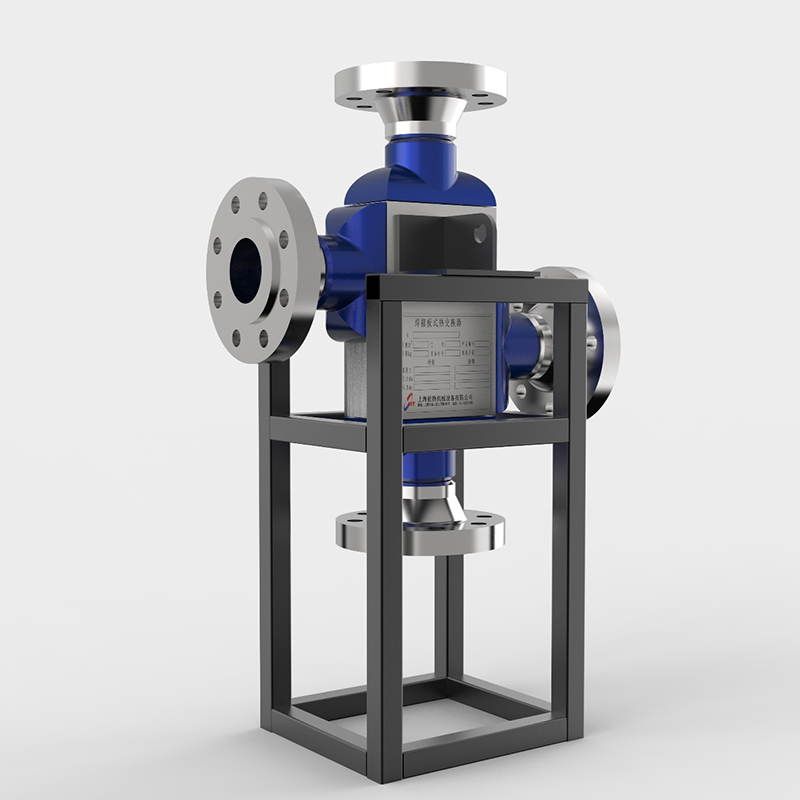
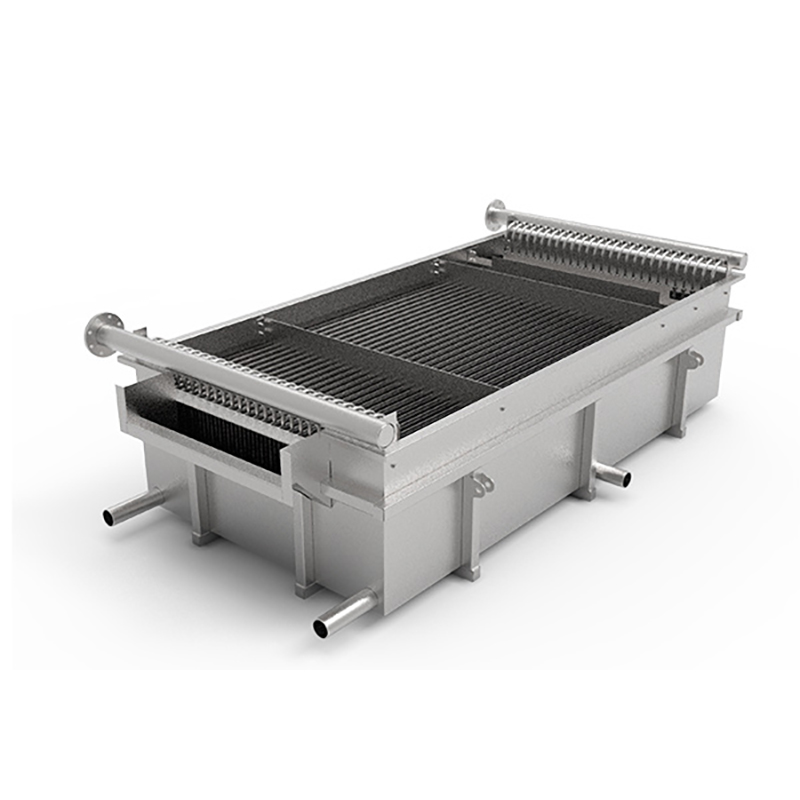
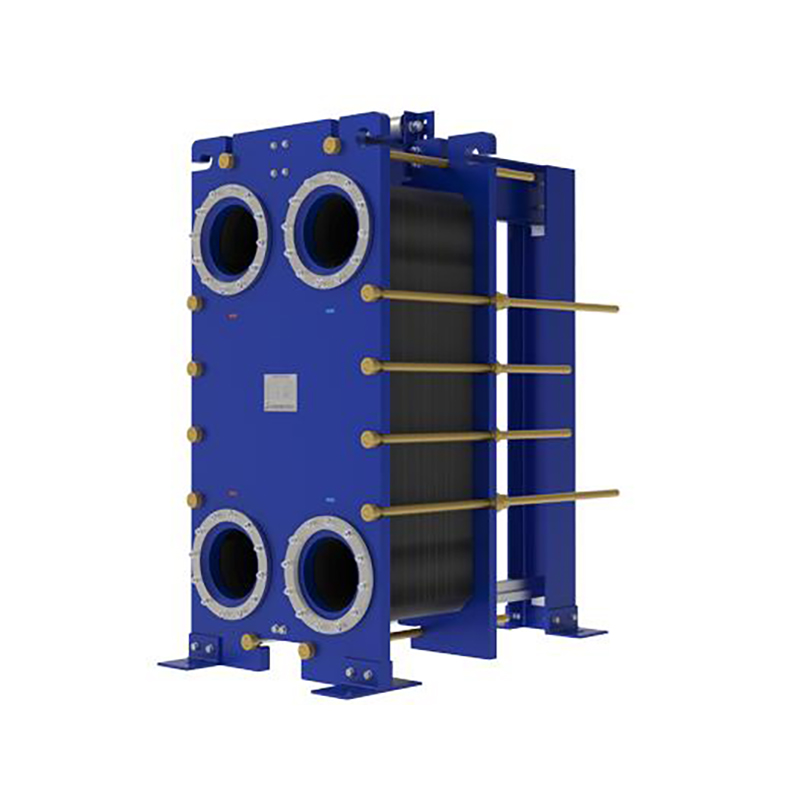
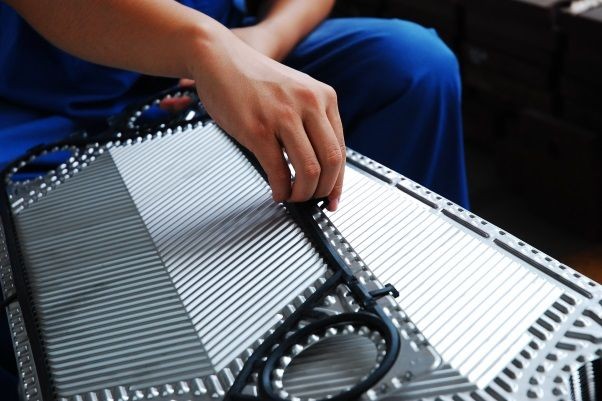
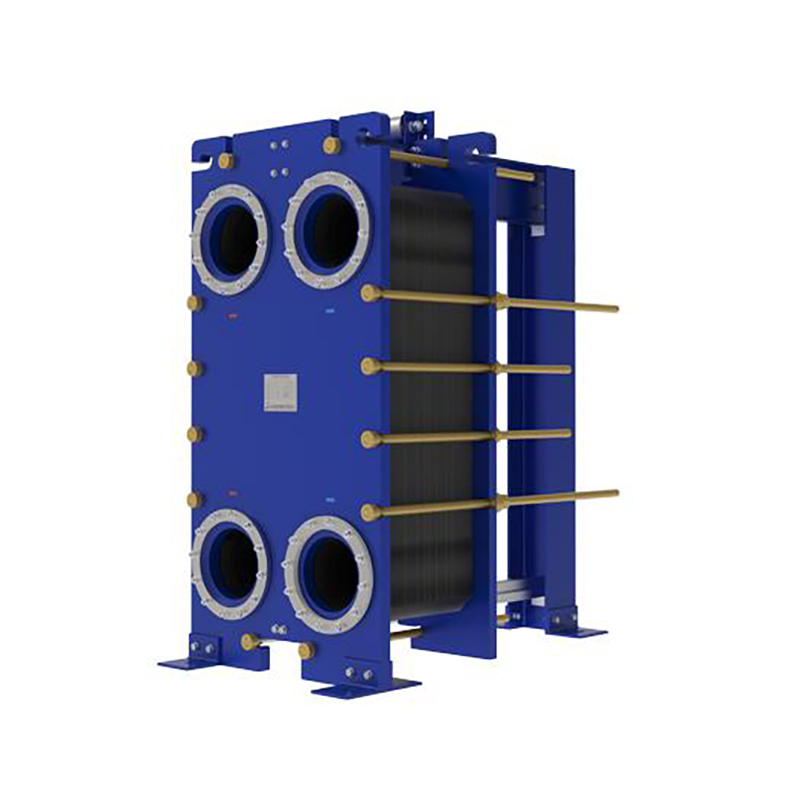
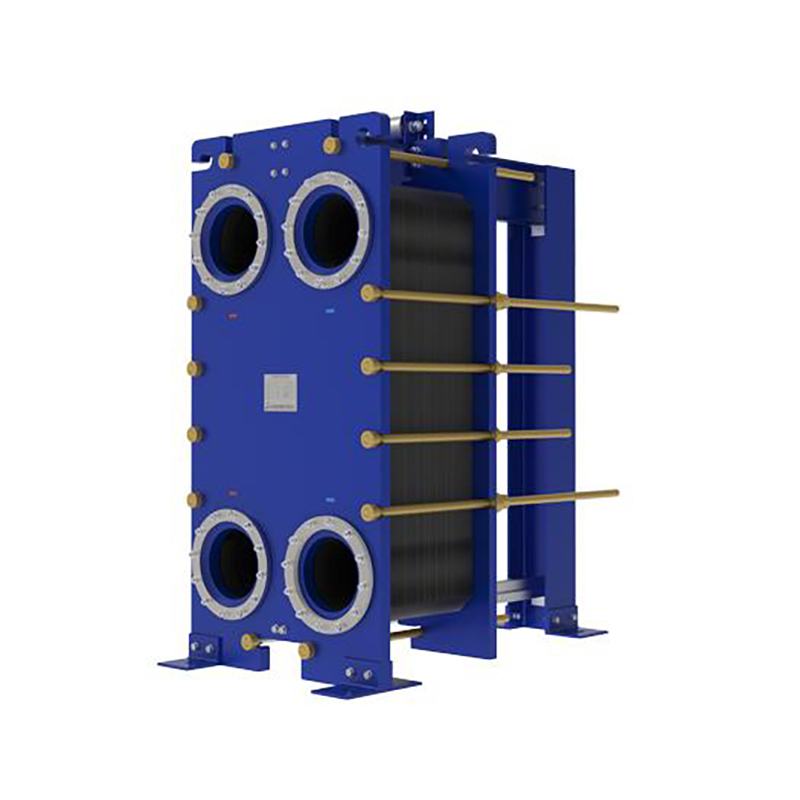
A heat exchanger on a ship is a critical component designed to transfer heat between two or more fluids without mixing them, ensuring efficient temperature regulation in marine systems. These devices are widely used in engines, refrigeration, HVAC, and other onboard applications to maintain optimal operational conditions. Ship heat exchangers come in various types, including shell-and-tube, plate, and finned designs, each tailored for specific marine environments. They are built to withstand harsh conditions like saltwater corrosion, high pressure, and extreme temperatures, making them indispensable for vessel safety and performance.
Marine heat exchangers play a vital role in preventing engine overheating, reducing fuel consumption, and enhancing overall efficiency. For instance, modern plate-type heat exchangers can achieve thermal efficiency rates exceeding 90%, significantly lowering operational costs. According to industry reports, vessels equipped with advanced heat exchangers experience up to 15% fuel savings annually. These systems also comply with IMO (International Maritime Organization) regulations, ensuring environmental sustainability by minimizing emissions. With their compact design and low maintenance requirements, ship heat exchangers are a cost-effective solution for long-term maritime operations.
Why choose heat exchanger on ship
Choosing a heat exchanger for your ship ensures reliability, energy efficiency, and compliance with stringent marine standards. These systems are engineered to handle the unique challenges of marine applications, such as fluctuating loads and corrosive environments. High-quality heat exchangers, like those from Alfa Laval or Danfoss, are tested for durability and performance under real-world conditions, offering unmatched longevity. Their ability to optimize heat transfer reduces wear on engines and machinery, extending service life and cutting downtime.
Investing in a marine heat exchanger translates to significant operational advantages. Data from maritime studies show that vessels using optimized heat exchange systems report 20-30% fewer engine-related failures. Additionally, advanced materials like titanium or cupronickel alloys resist biofouling and corrosion, reducing maintenance costs by up to 40%. Leading manufacturers provide customizable solutions, ensuring compatibility with existing ship infrastructure. With global shipping emissions under scrutiny, heat exchangers also support greener operations by improving thermal management and reducing carbon footprints. For shipowners, this means both economic and regulatory benefits, making them a smart choice for modern fleets.
 English EN
 中国 CN
中国 CN
 French FR
 German DE
 Portuguese PT
 Spanish ES
 Russian RU
 Japanese JA
 Korean KO
 Arabic AR
 Turkish TR
 Italian IT









User Comments
Service Experience Sharing from Real Customers
John Smith
Marine EngineerThe heat exchanger performs exceptionally well under high-pressure conditions, making it perfect for marine applications. Highly recommended!
Emily Johnson
Ship MechanicReliable and durable heat exchanger. Installation was straightforward, and it has significantly improved our cooling system efficiency.
Robert Brown
Naval ArchitectThis heat exchanger is a game-changer for shipboard systems. Its compact design and high thermal efficiency are impressive.
Lisa Davis
Chief EngineerGreat product with minimal maintenance requirements. It has been running smoothly for months without any issues.