Heat Exchanger Leaking: Causes, Prevention, and Advanced Solutions for Industrial Systems
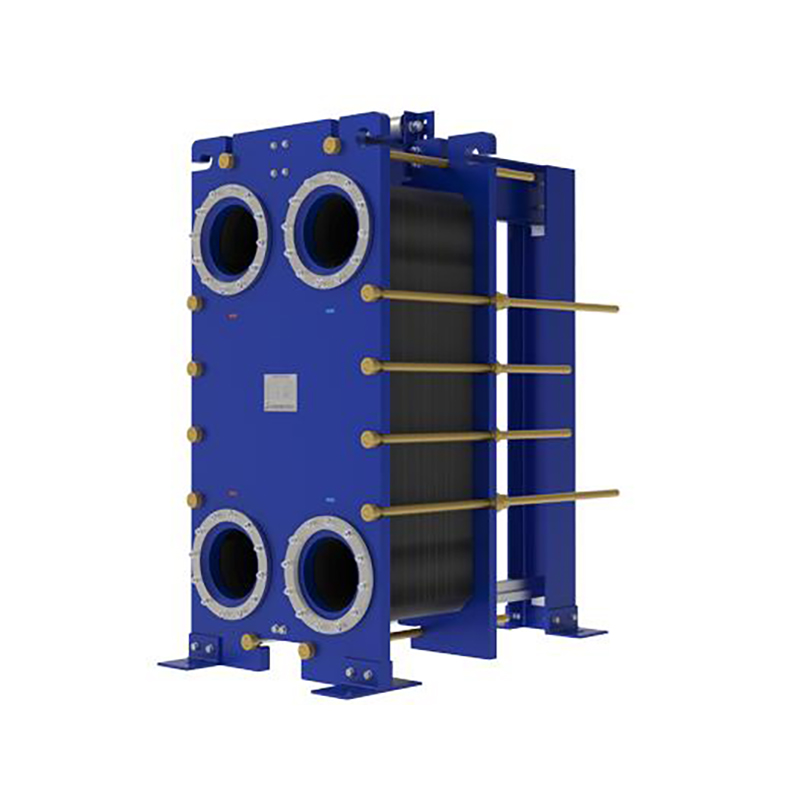
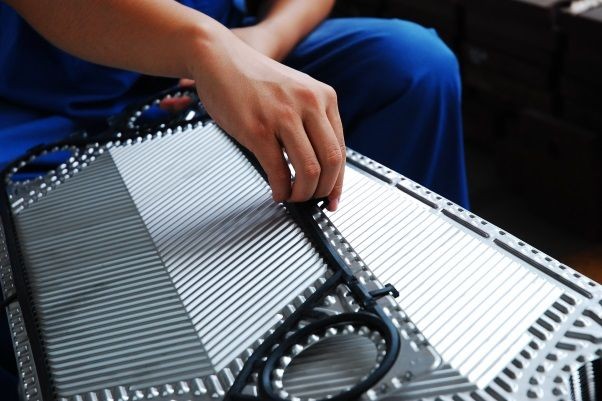
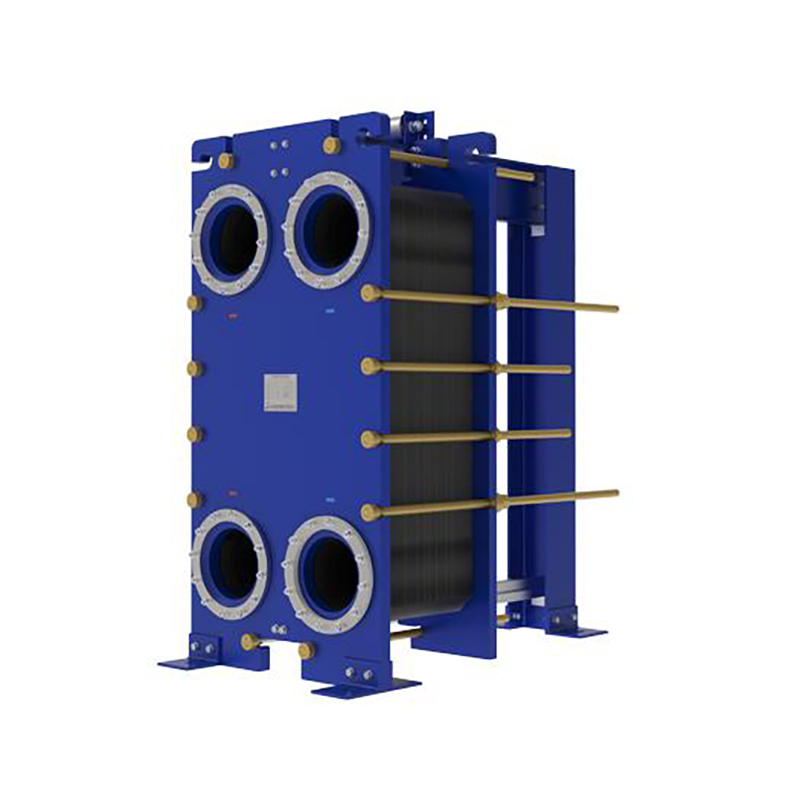
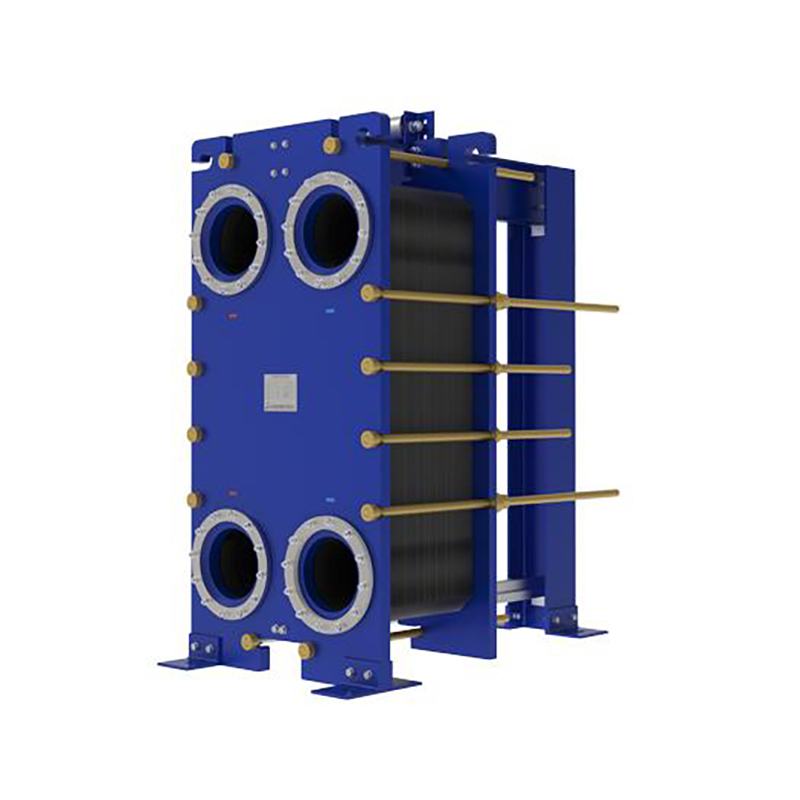
A heat exchanger leaking is a critical failure often resulting from corrosion, thermal stress, mechanical vibration, or fouling. The principle involves the breakdown of the barrier separating two mediums, leading to cross-contamination, pressure loss, and efficiency degradation. In shell and tube exchangers, leaks frequently occur at tube sheets due to stress corrosion cracking or within tubes themselves from pitting. Plate heat exchangers suffer from gasket failures or plate cracks from uneven pressure. This breach violates the fundamental operating principle of thermal transfer without fluid mixing, causing immediate operational hazards, including product loss, environmental releases, and potential safety incidents. The severity is dictated by the leak's size and location, with pinhole leaks often going undetected until significant damage occurs.
The operational and financial ramifications of a heat exchanger leaking are substantial, making proactive management essential. Data from industry studies, including those from the Heat Exchanger Society, indicates that unplanned downtime due to heat exchanger failures can cost process plants an average of $100,000 to $500,000 per day in lost production. Furthermore, a single leak can lead to the contamination of an entire batch of product. For instance, in a food processing plant, a coolant leak into a product stream can result in a total recall, with costs soaring into the millions. Beyond direct financial loss, leaks pose severe safety risks. A leak in a hydrocarbon service exchanger can create a fire hazard, while in a nuclear facility, it can lead to radioactive release. Environmentally, leaks are a primary source of violations against regulations like the EPA's Clean Water Act, leading to hefty fines. Regular monitoring through pressure tests, vibration analysis, and fluid composition sampling is not just recommended but is a critical operational imperative to detect incipient leaks before they escalate into catastrophic failures. Advanced non-destructive testing (NDT) methods, such as ultrasonic testing and eddy current inspection, are widely employed during scheduled maintenance to identify thinning walls and micro-cracks.
Why Use Heat Exchanger Leaking Detection Systems
Implementing a robust system to monitor and prevent a heat exchanger leaking is not an expense but a strategic investment in asset integrity, safety, and profitability. The primary justification is risk mitigation. By utilizing advanced detection technologies, plants can transition from reactive maintenance, which addresses failures after they occur, to predictive maintenance, which prevents them altogether. This paradigm shift is proven to enhance operational availability by up to 20%, according to a report by McKinsey & Company. Secondly, the economic benefits are clear. The American Society of Mechanical Engineers (ASME) publishes data showing that the cost of repairing a leak early is typically 10% of the cost associated with a full-blown failure, which includes downtime, emergency repairs, and collateral damage. Systems that detect a heat exchanger leaking, such as continuous online fluid analysis sensors or acoustic emission monitors, provide real-time data, enabling operators to schedule repairs during planned shutdowns, thus avoiding costly unplanned outages. This proactive approach directly protects revenue streams and ensures compliance with increasingly stringent environmental and safety regulations, safeguarding the company's license to operate.
 English EN
 中国 CN
中国 CN
 French FR
 German DE
 Portuguese PT
 Spanish ES
 Russian RU
 Japanese JA
 Korean KO
 Arabic AR
 Turkish TR
 Italian IT









User Comments
Service Experience Sharing from Real Customers
David Chen
Maintenance SupervisorWe had a minor leak in our heat exchanger, but the replacement gasket kit sealed it perfectly. Easy to install and has held up under pressure for three months now. Great product for the price.
Sarah Wilkinson
Plant EngineerThis repair compound stopped our heat exchanger leak immediately. It was a critical emergency fix, and it handled the high temperature and pressure without any issues. Saved us from a costly shutdown.
Michael Rodriguez
HVAC TechnicianI've used this brand's sealant on several leaking heat exchangers in commercial buildings. It's reliable, cures quickly, and provides a permanent fix. Highly recommend for any HVAC professional.
James O'Connell
Facility ManagerOur pool's heat exchanger was leaking and this replacement unit was a perfect fit. Installation was straightforward, and it's been running efficiently for weeks with no signs of leakage. Very pleased.