Vertical Heat Exchanger: Design, Applications, and Efficiency Benefits
What is a Vertical Heat Exchanger?
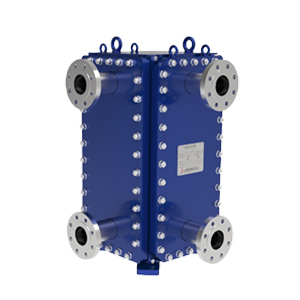
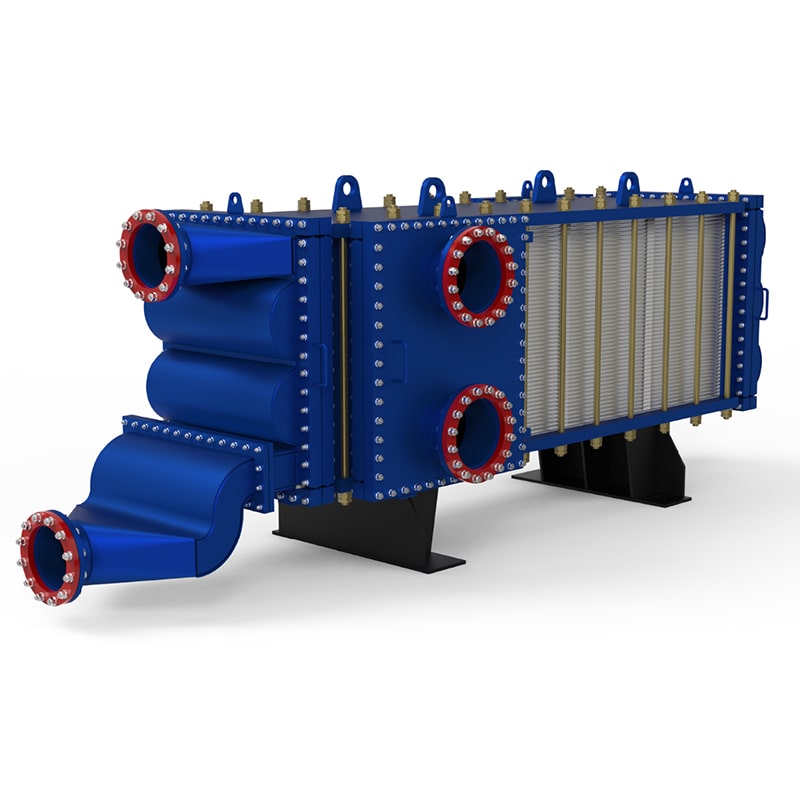
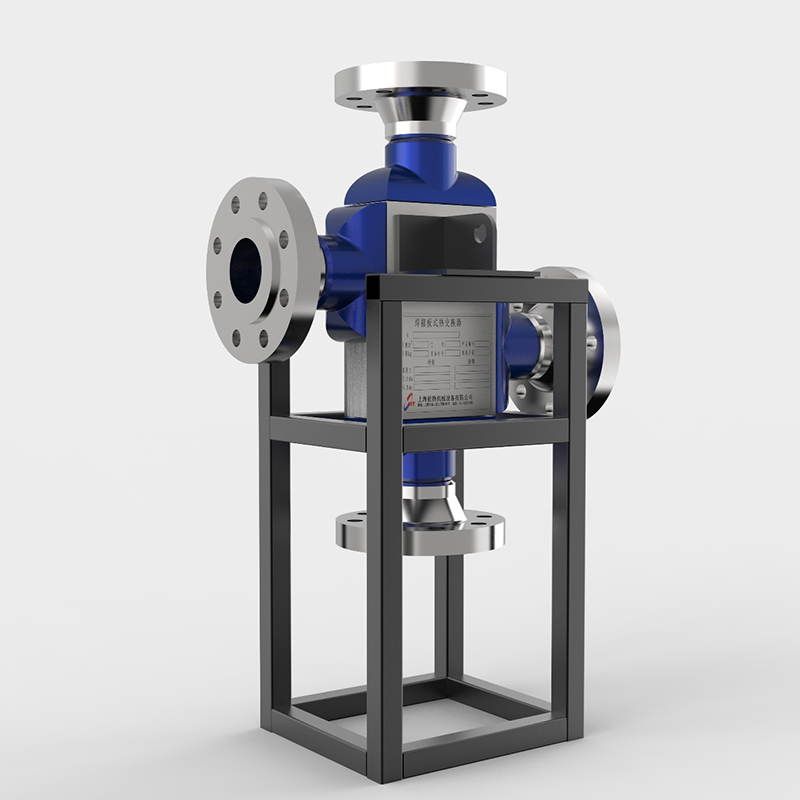
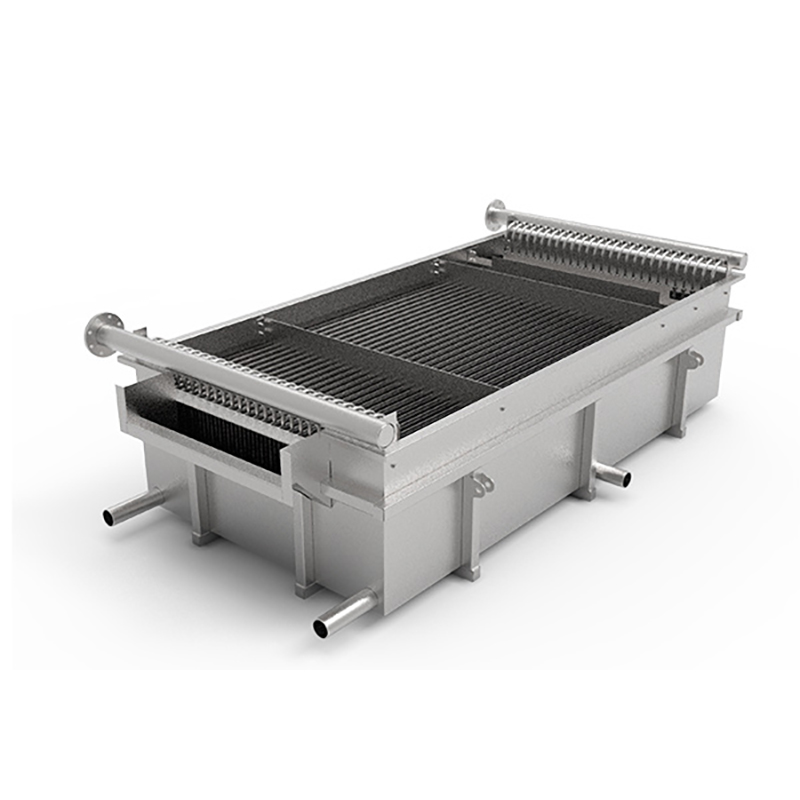
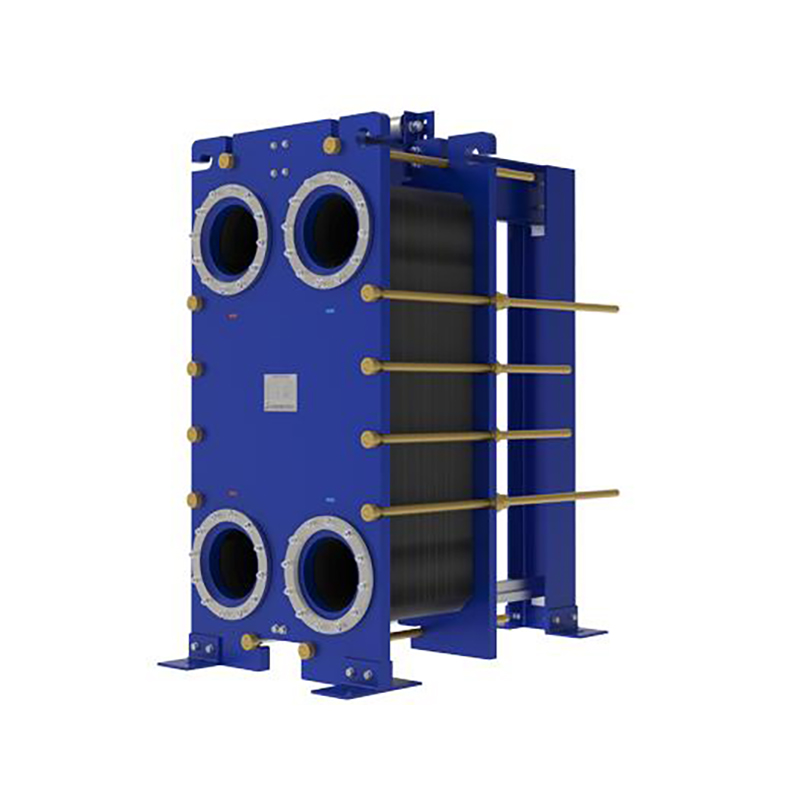
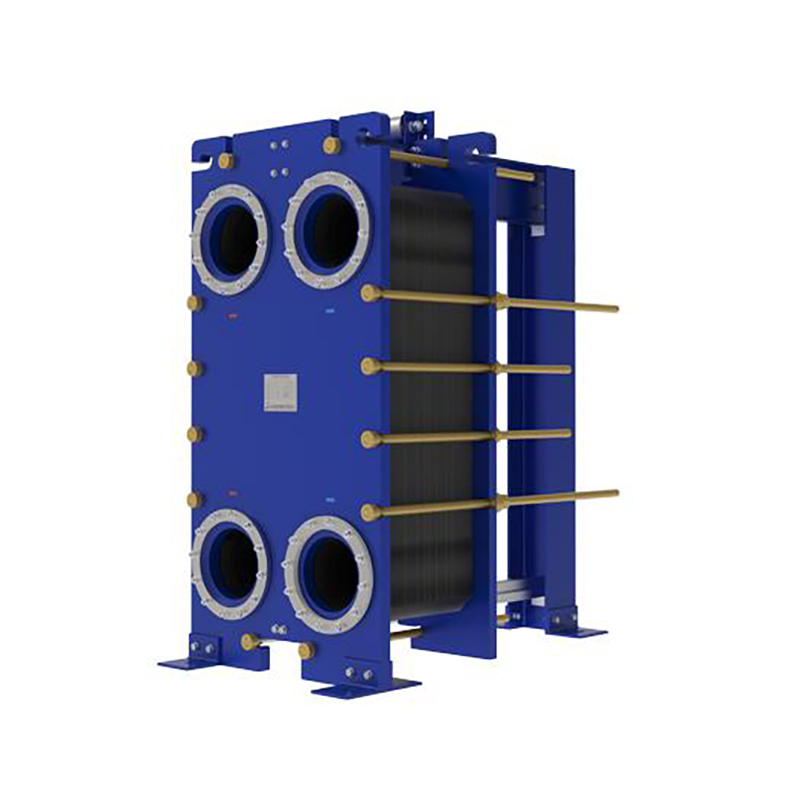
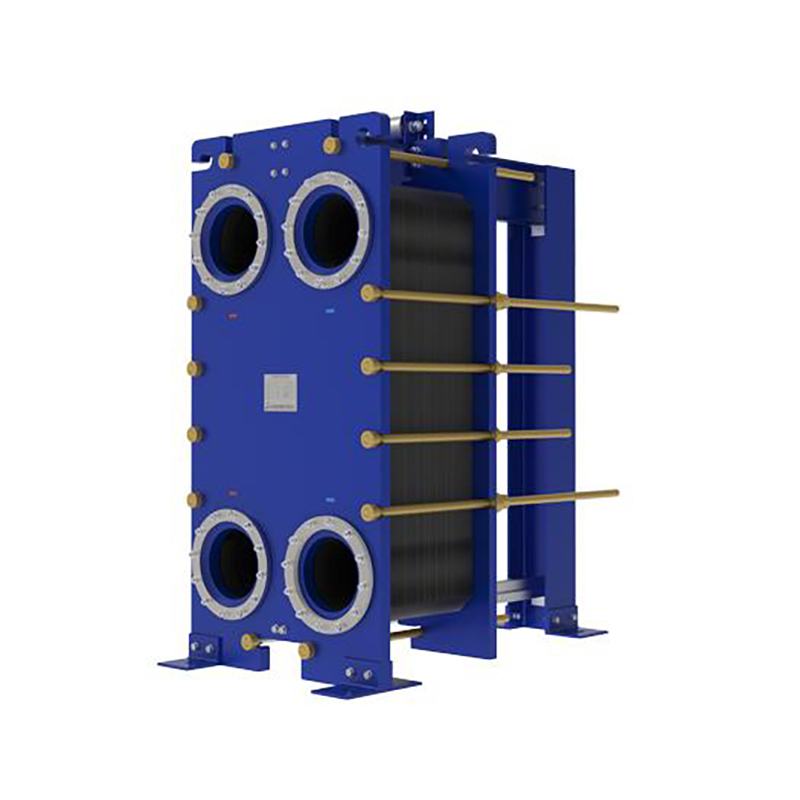
A vertical heat exchanger is a type of shell and tube heat exchanger designed with its tubes oriented vertically rather than horizontally. This specific configuration is engineered to optimize heat transfer between two fluids while addressing spatial constraints and specific process requirements, particularly in applications where footprint is limited or where the nature of the fluids demands a vertical flow path. The core components include a vertical shell, a bundle of tubes through which one fluid flows, and baffles that direct the shell-side fluid across the tubes. They are a critical subclass of heat exchangers, chosen for scenarios where horizontal units are impractical, such as in facilities with low headroom or for services involving phase change like condensation or vaporization. Their design is pivotal in industries ranging from power generation and chemical processing to refrigeration and HVAC systems, making them a fundamental piece of equipment for efficient thermal management.
Vertical heat exchangers operate on the same fundamental principles of conductive and convective heat transfer as other shell and tube designs but are distinguished by their orientation. One fluid circulates through the tubes, while a second fluid flows over the tubes within the shell. Heat is transferred through the tube walls from the hotter fluid to the cooler one. The vertical orientation offers distinct functional advantages for certain processes. For instance, in condenser applications, such as those used in power plant steam cycles, the vertical design allows condensed liquid to drain freely by gravity from the shellside, preventing flooding and maintaining high heat transfer coefficients. This is a key reason they are specified in surface condenser systems for major thermal and nuclear power stations. Similarly, in rebollers for distillation columns, the vertical setup facilitates natural thermosiphon circulation, enhancing efficiency. The compact footprint is a major driver for their selection; by building upwards, they occupy less valuable floor space, a critical factor in offshore platforms like oil and gas rigs or crowded refinery plots. Materials of construction are selected based on the service conditions, with common standards following the TEMA (Tubular Exchanger Manufacturers Association) classifications. Carbon steel, stainless steels like 304 and 316, admiralty brass, and cupronickel are typical tube materials, while shells are often carbon steel or clad materials for corrosive duties. Their design must carefully consider thermal stress, vibration induced by cross-flow, and ease of maintenance, such as accessing the tubesheet for inspection and cleaning.
Advantages of Vertical Heat Exchanger
The vertical configuration of a shell and tube heat exchanger provides several compelling advantages that make it the preferred choice for numerous industrial applications. These benefits are rooted in its efficient use of space, superior performance in specific thermal duties, enhanced maintenance capabilities, and operational reliability. By addressing the limitations of horizontal designs in certain contexts, vertical heat exchangers offer a targeted solution that improves overall system efficiency, reduces operational costs, and ensures greater process stability. Industries leverage these inherent strengths to optimize their operations, from saving critical real estate on offshore installations to improving the effectiveness of condensation processes in large-scale power generation.
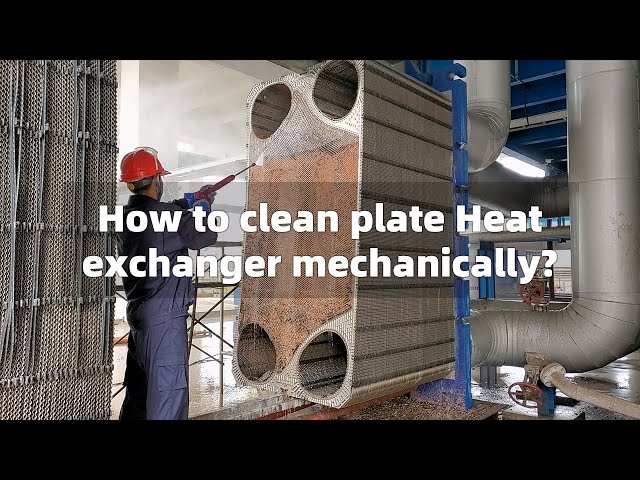
One of the most significant advantages is the substantial savings in floor space. In facilities where area is at a premium, such as on offshore oil and gas platforms, ships, or within densely packed chemical plants, the vertical heat exchanger's small footprint is a major operational and economic benefit. This allows for a more efficient plant layout and can potentially reduce the overall size and cost of a structure. Furthermore, they excel in condensing and boiling applications. In a vertical condenser, the downward flow of the cooling medium and the downward fall of the condensate are co-current, allowing for efficient drainage and preventing the accumulation of liquid that can insulate heat transfer surfaces and reduce efficiency. This leads to a higher overall heat transfer coefficient. For vaporizers or rebollers, the vertical arrangement promotes natural circulation (thermosiphon effect), reducing or eliminating the need for pumping and lowering energy consumption. Maintenance and cleaning are also facilitated. For services that foul the shellside, the top head can often be removed, allowing direct access to the top tubesheet and the entire tube bundle for mechanical cleaning, which is far more challenging in a large horizontal unit. This reduces downtime. They are also less susceptible to problems associated with vibration in certain flow regimes and can handle thermal expansion more effectively in some designs. The combination of these factors—space efficiency, superior phase-change performance, and maintainability—makes the vertical heat exchanger an indispensable asset in modern industrial processes, directly impacting productivity and the bottom line.
 English EN
 中国 CN
中国 CN
 French FR
 German DE
 Portuguese PT
 Spanish ES
 Russian RU
 Japanese JA
 Korean KO
 Arabic AR
 Turkish TR
 Italian IT







User Comments
Service Experience Sharing from Real Customers
Michael Chen
Process EngineerThis vertical heat exchanger has been a game-changer for our chemical processing line. The compact design saved us significant floor space, and its thermal efficiency has reduced our energy costs by an estimated 15%. The installation was straightforward, and it has required zero maintenance in the first year of operation. Highly reliable and performant.
Sarah Johnson
Plant ManagerWe integrated this unit into our refinery's cooling system, and the performance is outstanding. The vertical orientation is perfect for our space constraints, and the heat transfer rates exceed the manufacturer's specifications. It's incredibly robust and handles the high pressures without any issues. A superior piece of equipment that delivers on its promises.
David Rodriguez
HVAC SpecialistAs a specialist designing large-scale HVAC systems for commercial buildings, I specified this vertical heat exchanger for a new district energy project. Its efficiency in transferring heat between circuits is excellent, leading to a more sustainable system operation. We lost one star only because the initial delivery was slightly delayed, but the product itself is top-tier.
Emily Watson
Production SupervisorIn pharmaceutical manufacturing, temperature control is critical. This heat exchanger provides precise and consistent cooling for our bioreactors. The vertical design makes it easy to inspect and clean, which is vital for maintaining our strict hygiene standards. It's a crucial and dependable component in our production process.