What is an Immersion Heat Exchanger | High-Efficiency Industrial Heating & Cooling Solutions
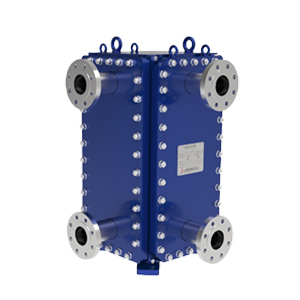
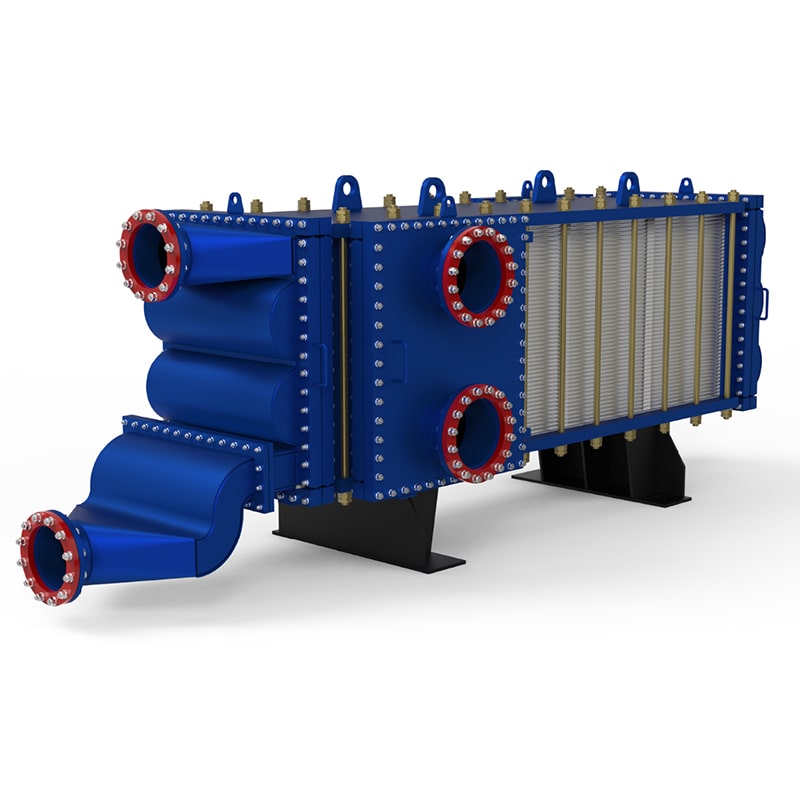
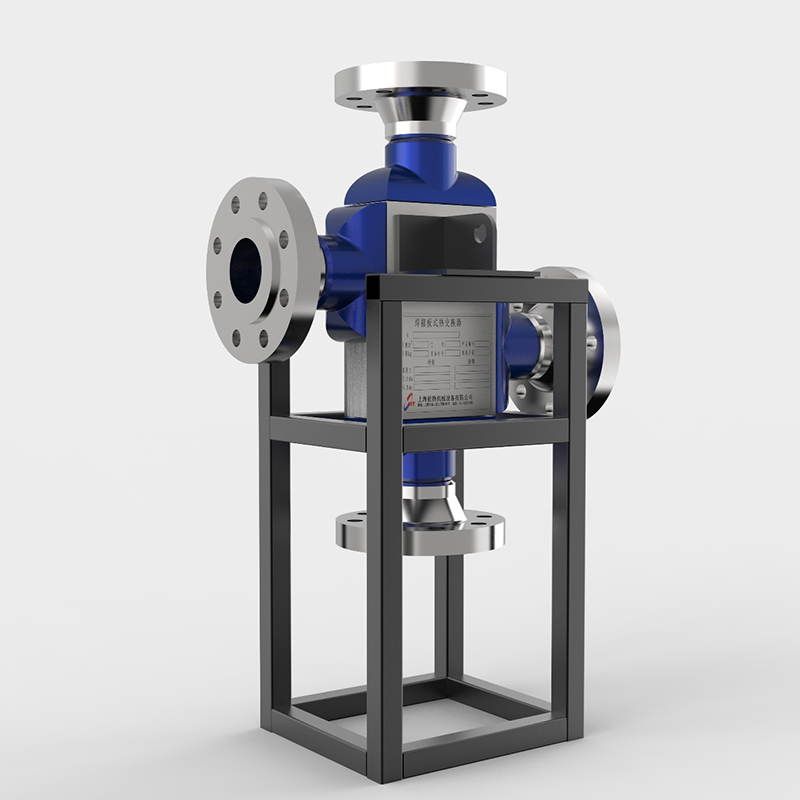
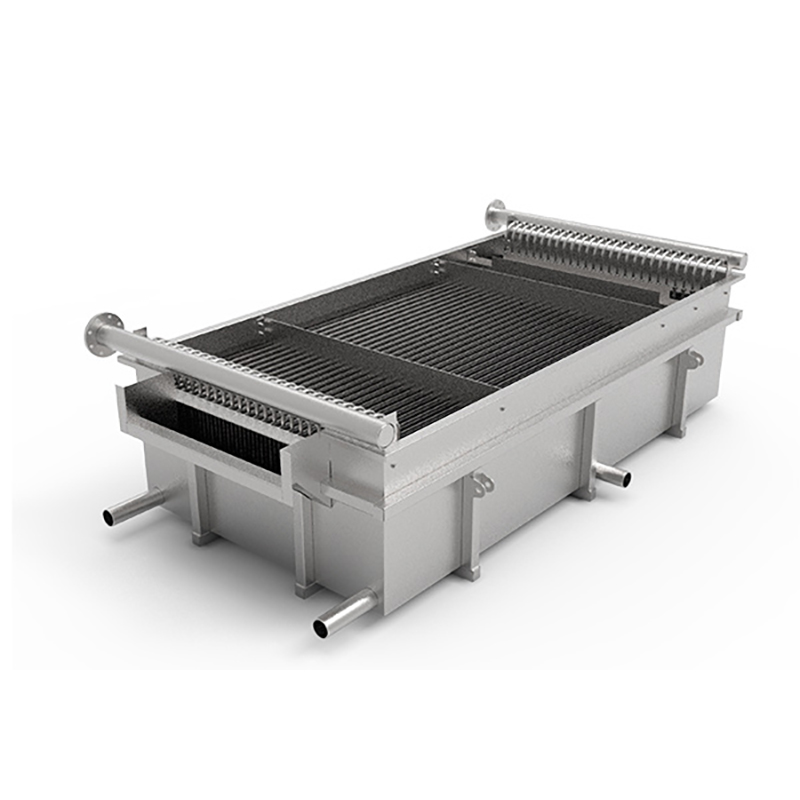
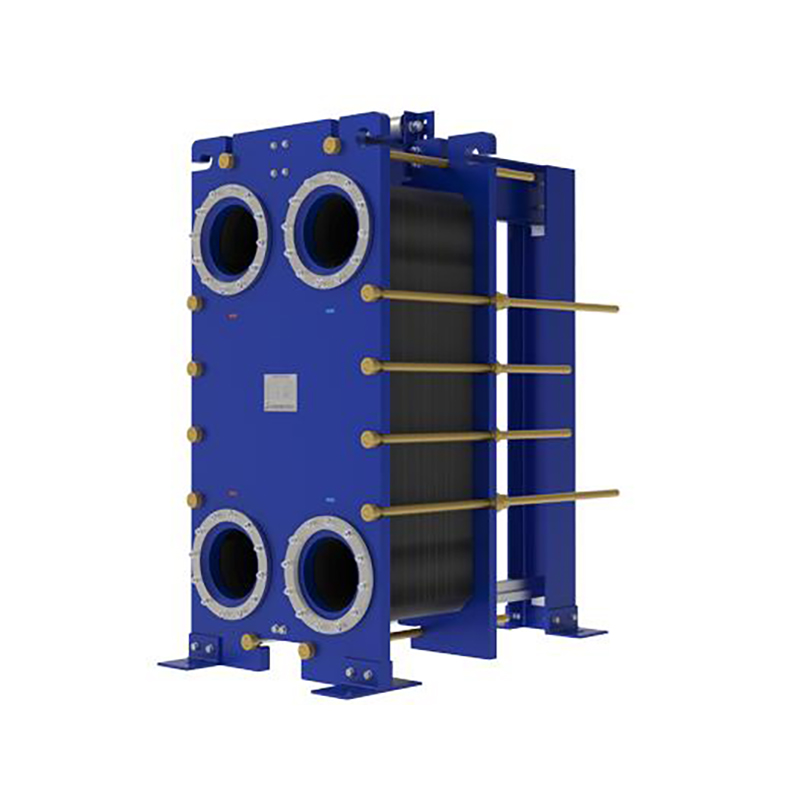
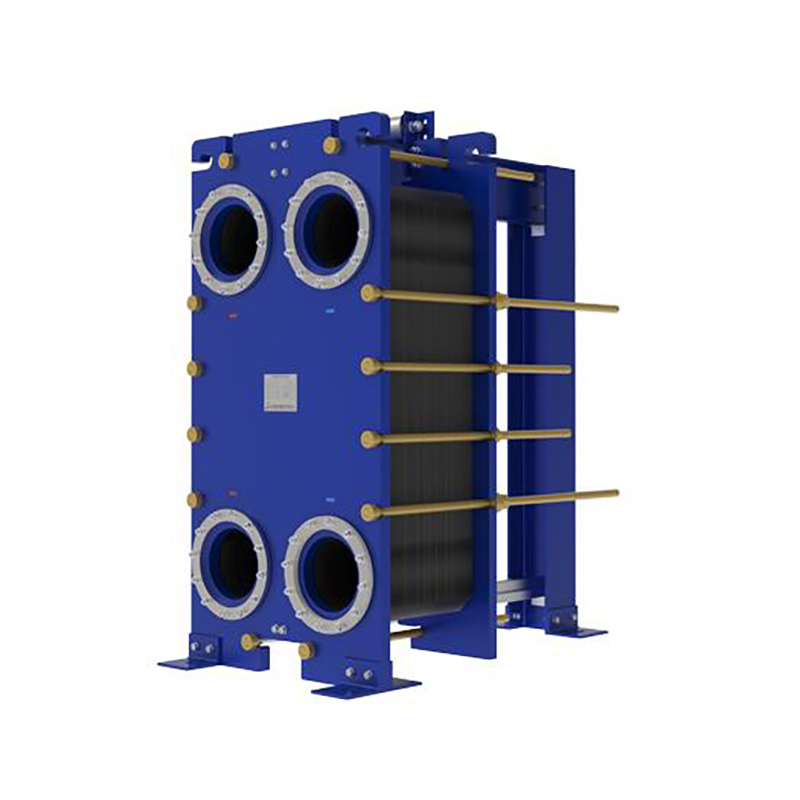
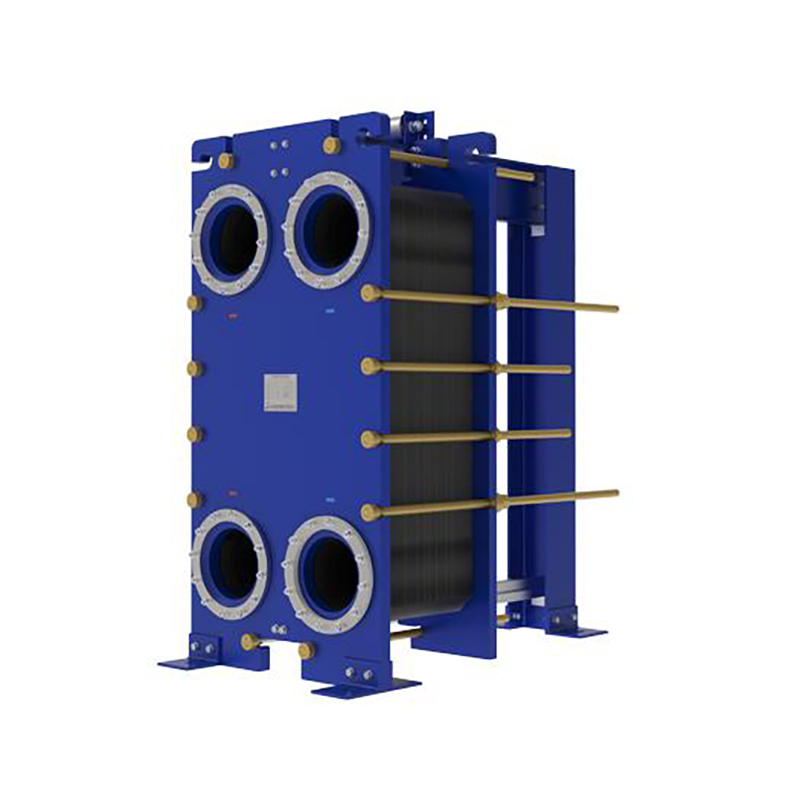
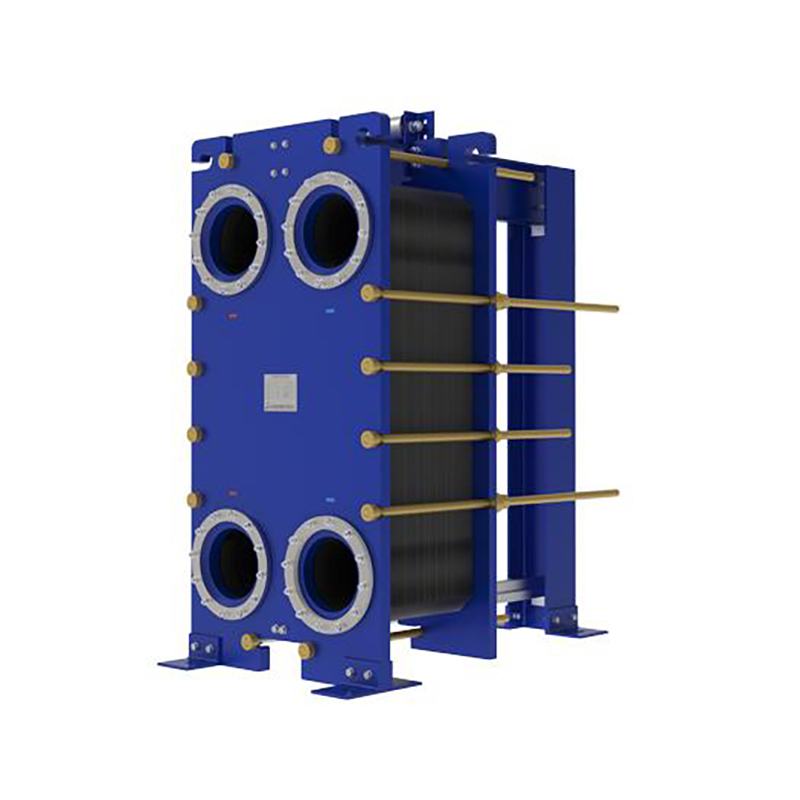
An immersion heat exchanger is a type of heat transfer device designed to be directly submerged in a process fluid, such as water, oil, chemical solutions, or molten salts, within a tank or vessel. This direct contact allows for highly efficient thermal exchange, where the internal fluid of the heat exchanger (typically steam, hot water, or a thermal fluid) either heats or cools the surrounding bath without the need for pumps or external circulation of the external process fluid. The most common designs include coil bundles, bayonet heaters, or over-the-side designs, which are engineered to maximize the surface area for heat transfer. These systems are fundamental in applications requiring precise temperature control, maintaining consistent temperatures in storage tanks, reactors, or open baths, and are a cornerstone of thermal management in countless industrial processes.
Immersion heat exchangers operate on the principle of conduction and convection. The heating or cooling medium flows through the tubes or elements, and the thermal energy passes through the wall of the tube into the process liquid. The efficiency of this transfer is influenced by factors such as the material of construction (common materials include stainless steel 316, carbon steel, copper, and titanium for corrosion resistance), the temperature differential between the two fluids, and the natural convection currents within the tank. For instance, as fluid is heated near the element, it becomes less dense and rises, allowing cooler, denser fluid to take its place, creating a natural mixing effect that enhances heat distribution. In applications where natural convection is insufficient, mechanical agitators are often used to ensure uniform temperature throughout the vessel. These systems are renowned for their simplicity, reliability, and ability to handle large volumes of fluid with minimal maintenance, making them a preferred choice for industries ranging from food and beverage production to chemical manufacturing and metal finishing. Data from industry applications, such as in plastic manufacturing, show that immersion heaters can efficiently maintain polymer tanks at precise temperatures between 150°C and 400°C, which is critical for product quality.
Advantages of Immersion Heat Exchanger
 English EN
 中国 CN
中国 CN
 French FR
 German DE
 Portuguese PT
 Spanish ES
 Russian RU
 Japanese JA
 Korean KO
 Arabic AR
 Turkish TR
 Italian IT







User Comments
Service Experience Sharing from Real Customers
Michael Rodriguez
Process EngineerThe thermal efficiency of this immersion heat exchanger is outstanding. It integrated seamlessly into our existing system and has significantly reduced our energy consumption for tank heating. A robust and well-designed piece of equipment.
Sarah Chen
BrewmasterPrecise temperature control is critical in our mashing process. This immersion heater delivers consistent, reliable performance and is built to withstand the harsh brewery environment. It has greatly improved the quality and consistency of our batches.
David Kim
Maintenance SupervisorExtremely durable construction. We've been using it for over a year in our parts washing tanks with aggressive chemicals, and it shows minimal wear. The only reason it's not a 5 is that the initial installation instructions could have been clearer.
Emily Watson
Research ScientistPerfect for our pilot-scale reactor. The compact design and rapid heat-up time have accelerated our experimental workflow tremendously. The build quality is excellent for a lab-grade unit.