Intermediate Heat Exchanger: Principle, Applications, and Key Benefits for Industrial Efficiency
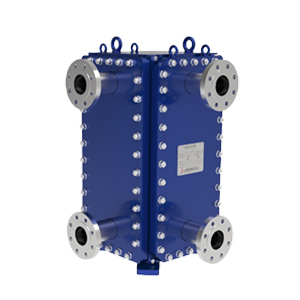
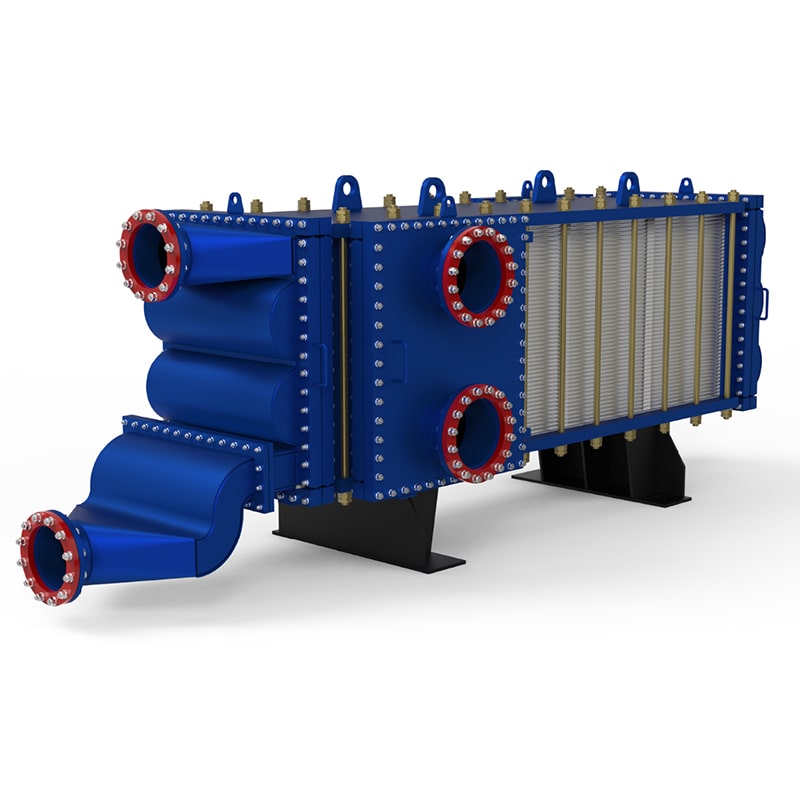
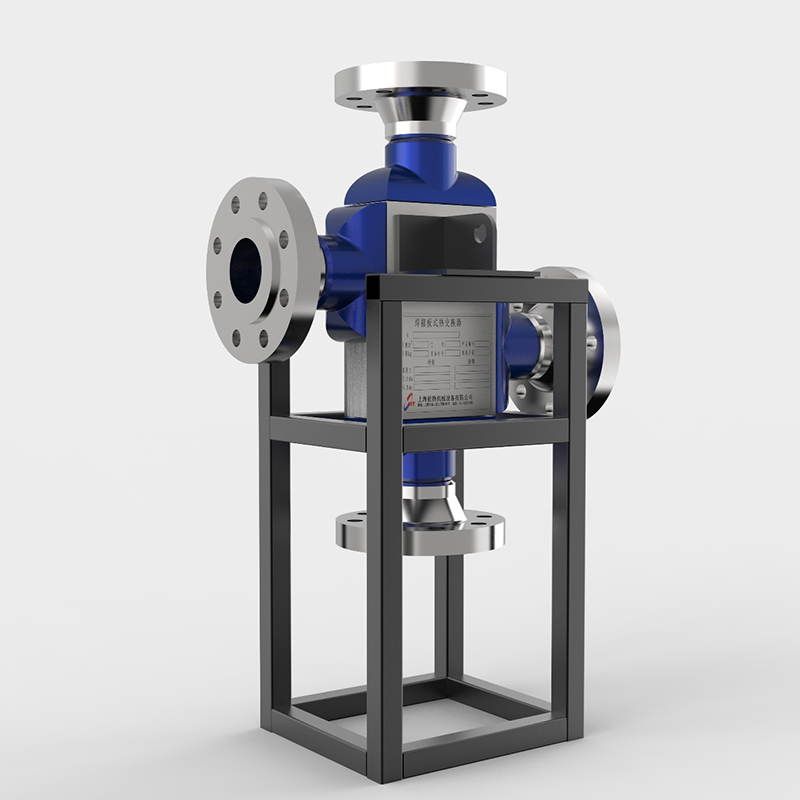
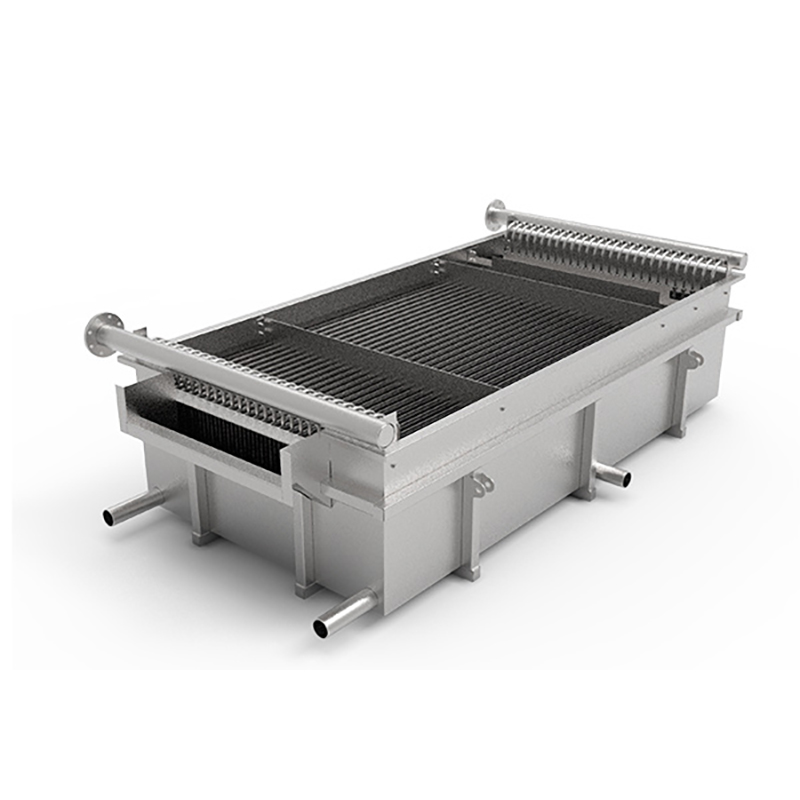
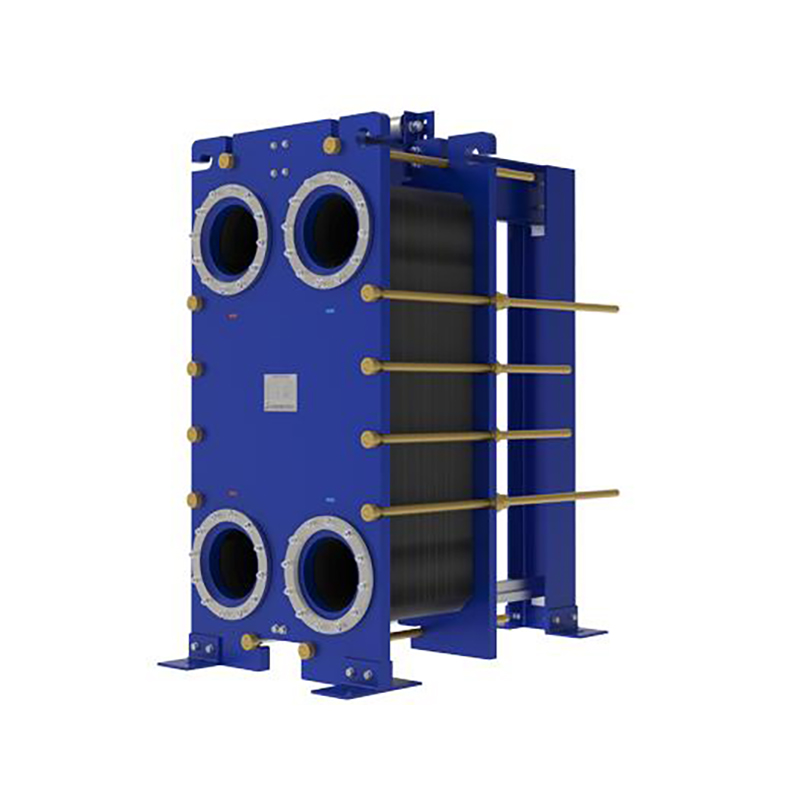
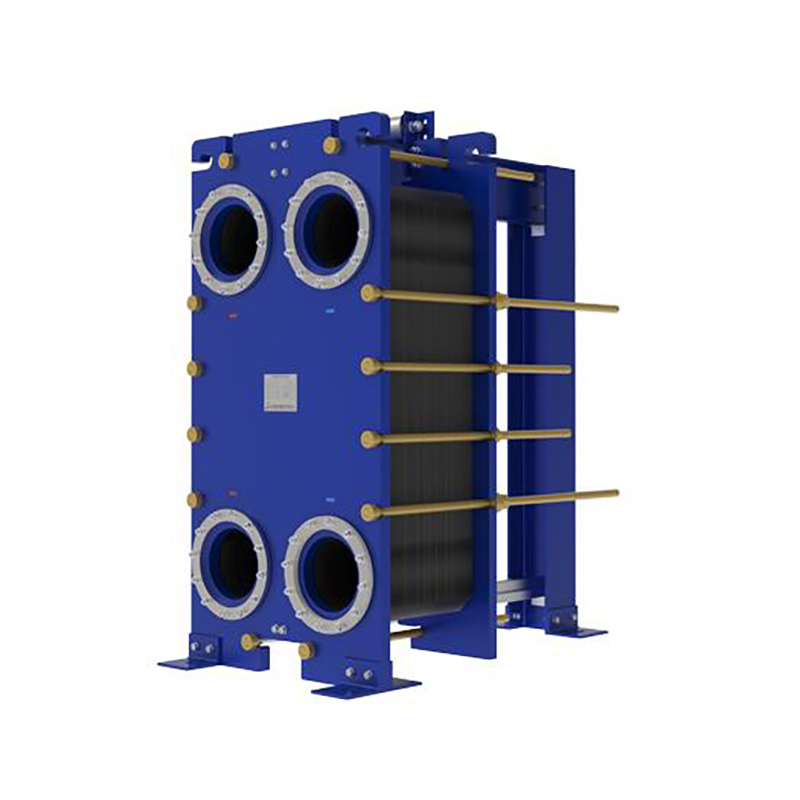
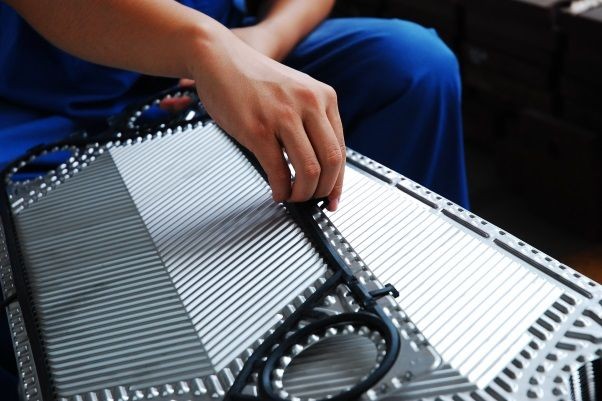
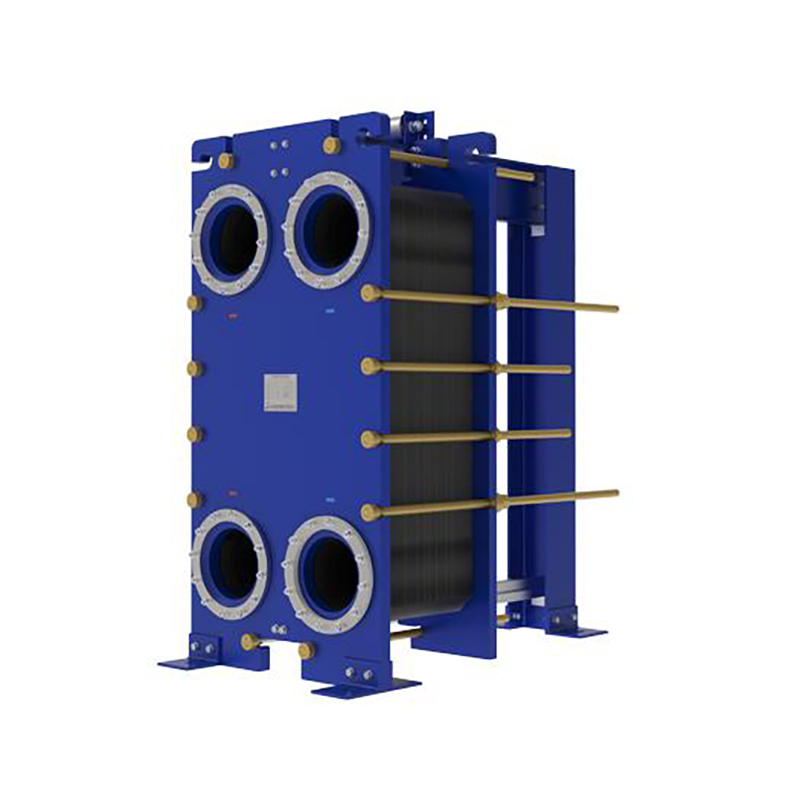
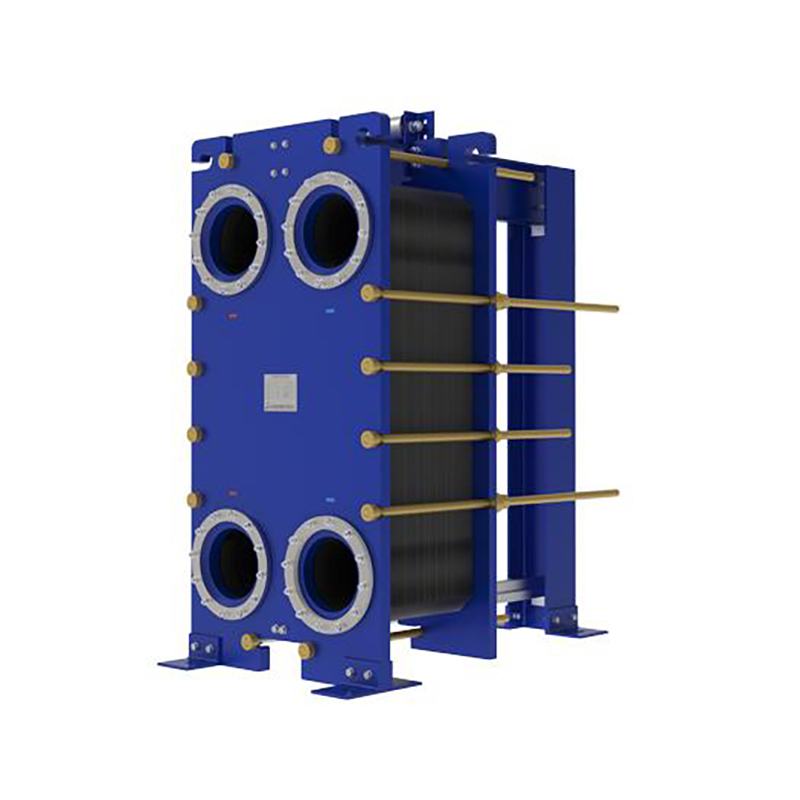
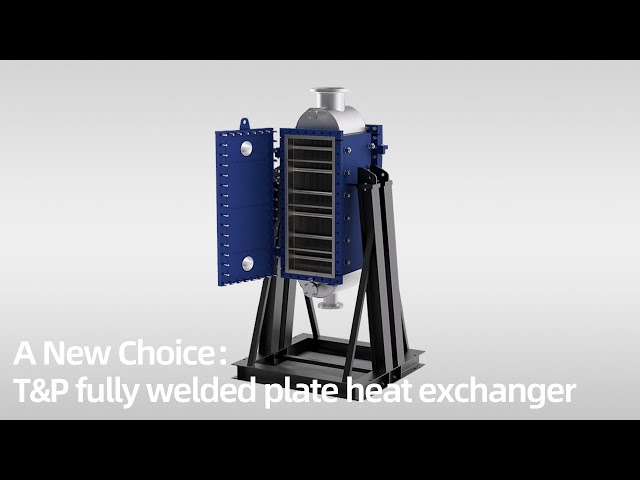
The principle of an intermediate heat exchanger involves transferring thermal energy between two separate fluid circuits without allowing them to mix. This device acts as a crucial barrier, facilitating efficient heat exchange while maintaining the integrity and purity of each fluid stream. It is engineered to handle significant temperature differentials and pressures, making it indispensable in systems where direct contact between primary and secondary fluids is undesirable or hazardous. By utilizing advanced materials and optimized geometries, these exchangers maximize surface area for heat transfer, ensuring minimal energy loss and operational stability across diverse industrial processes.
Intermediate heat exchangers (IHXs) operate on the fundamental principles of conduction and convection, leveraging high thermal conductivity materials like stainless steel, nickel alloys, or specialized ceramics to efficiently transfer heat. In nuclear reactors, for instance, IHXs transfer heat from the primary reactor coolant (often liquid sodium or molten salt) to a secondary loop, preventing radioactive contamination of the secondary system. This design is critical in Generation IV reactors, such as Sodium-Cooled Fast Reactors (SFRs), where operational data shows temperature transfers exceeding 500°C with efficiency rates over 90%. In chemical processing plants, IHXs handle corrosive fluids, with materials selected based on corrosion resistance data from field studies—for example, Alloy 625 is preferred for high-chloride environments due to its proven performance in preventing stress corrosion cracking. Computational fluid dynamics (CFD) simulations optimize flow rates and turbulence, reducing fouling and maintaining heat transfer coefficients above 2,500 W/m²K in applications like hydrogen production or LNG liquefaction. Real-world data from refinery operations indicate that properly maintained IHXs can achieve service lifetimes of 15-20 years even under cyclic thermal loading, underscoring their reliability. The design also incorporates safety margins aligned with ASME Boiler and Pressure Vessel Code standards, ensuring integrity during transient events like pressure surges or thermal shocks.
Why use an intermediate heat exchanger
The decision to use an intermediate heat exchanger is driven by critical needs for safety, efficiency, and system isolation in high-stakes industries. In nuclear energy, IHXs are non-negotiable for containing radioactivity; for example, in European Pressurized Reactors (EPRs), they prevent primary coolant (containing fissile materials) from reaching turbines and external systems, directly mitigating accident risks. Data from the International Atomic Energy Agency (IAEA) confirms that reactors with robust IHX designs have reduced incident rates by over 60% compared to older direct-cycle systems. In renewable energy systems like concentrated solar power (CSP), IHXs enable thermal storage by transferring heat from molten salts to power cycles, with field reports indicating a 25% increase in overall plant efficiency when using counter-flow IHX designs. For industrial chemistry, they allow handling of incompatible fluids—such as in benzene alkylation units where IHXs separate acidic catalysts from hydrocarbon streams, reducing waste and downtime. Economic analyses from chemical plants show that IHXs lower maintenance costs by 30-40% by isolating abrasive or corrosive media from sensitive equipment. Additionally, in carbon capture systems, IHXs facilitate heat recovery between flue gas and solvent streams, with pilot project data demonstrating a 15% reduction in energy penalty compared to direct contact systems. Their modularity also supports scalability; for LNG facilities, IHXs are customized to manage -160°C cryogenic temperatures while adhering to API 660 standards, ensuring interoperability with existing infrastructure.
 English EN
 中国 CN
中国 CN
 French FR
 German DE
 Portuguese PT
 Spanish ES
 Russian RU
 Japanese JA
 Korean KO
 Arabic AR
 Turkish TR
 Italian IT








User Comments
Service Experience Sharing from Real Customers
Michael Chen
Process EngineerThe performance and thermal efficiency of this intermediate heat exchanger are exceptional. It has significantly improved the heat transfer in our system with minimal energy loss. A robust and reliable piece of equipment.
Sarah Johnson
Plant Maintenance ManagerIncredibly durable construction and easy to maintain. This IHX has been running flawlessly in our high-temperature loop for over a year with no signs of degradation or fouling. A great investment for long-term reliability.
David Rodriguez
R&D SpecialistWe integrated this intermediate heat exchanger into our pilot-scale test rig. The design is compact yet highly effective, allowing for precise temperature control between our primary and secondary circuits. Very impressed.
Emily Watson
Systems DesignerThe thermal performance data provided was accurate, and the exchanger integrated seamlessly into our design. It handles the thermal stress between our reactor and turbine systems perfectly. Top-notch product from a great manufacturer.