Diesel Engine Heat Exchanger: Enhancing Efficiency and Durability in Heavy-Duty Applications
Principle of Diesel Engine Heat Exchanger
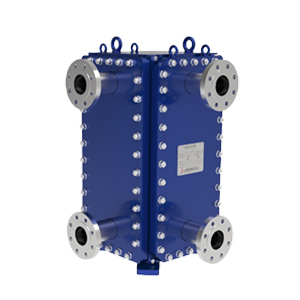
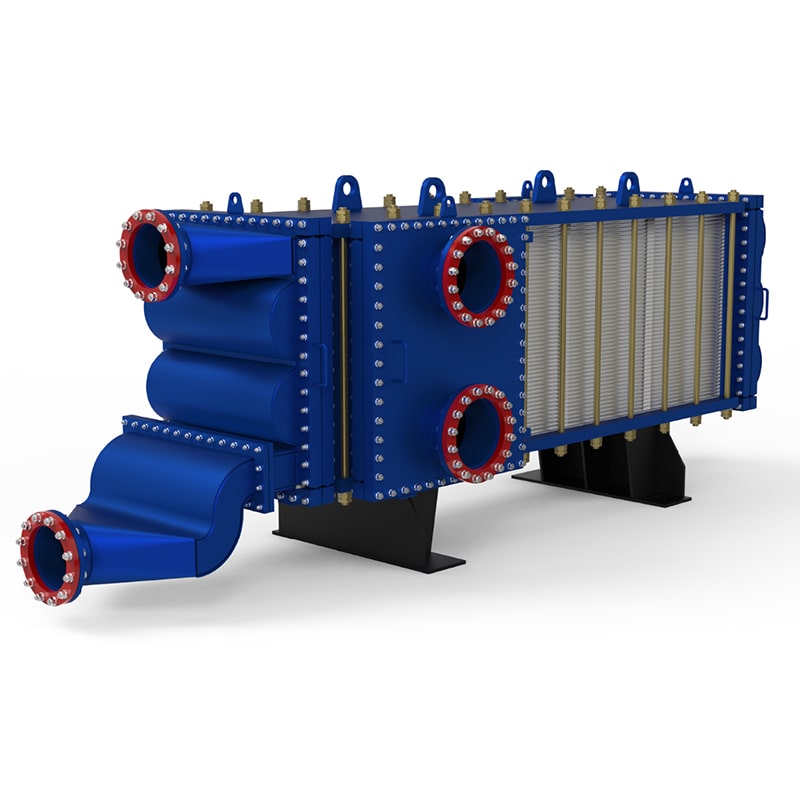
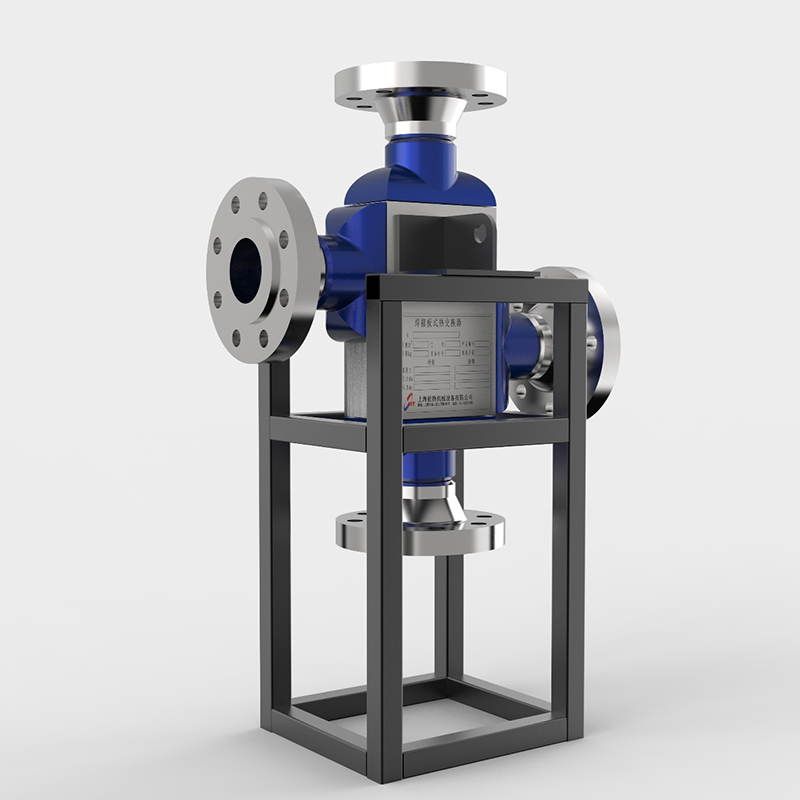
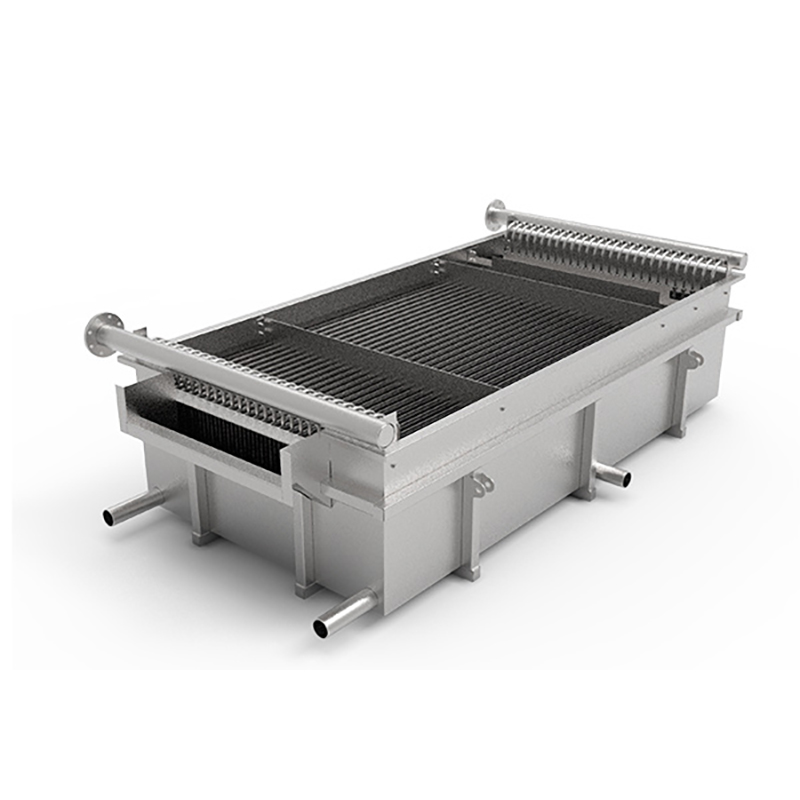
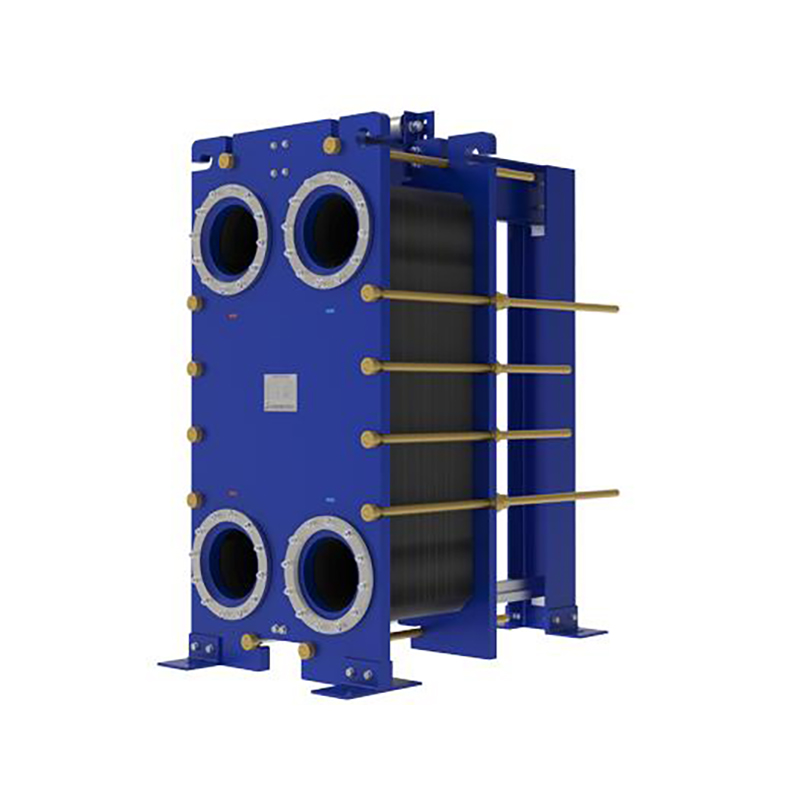
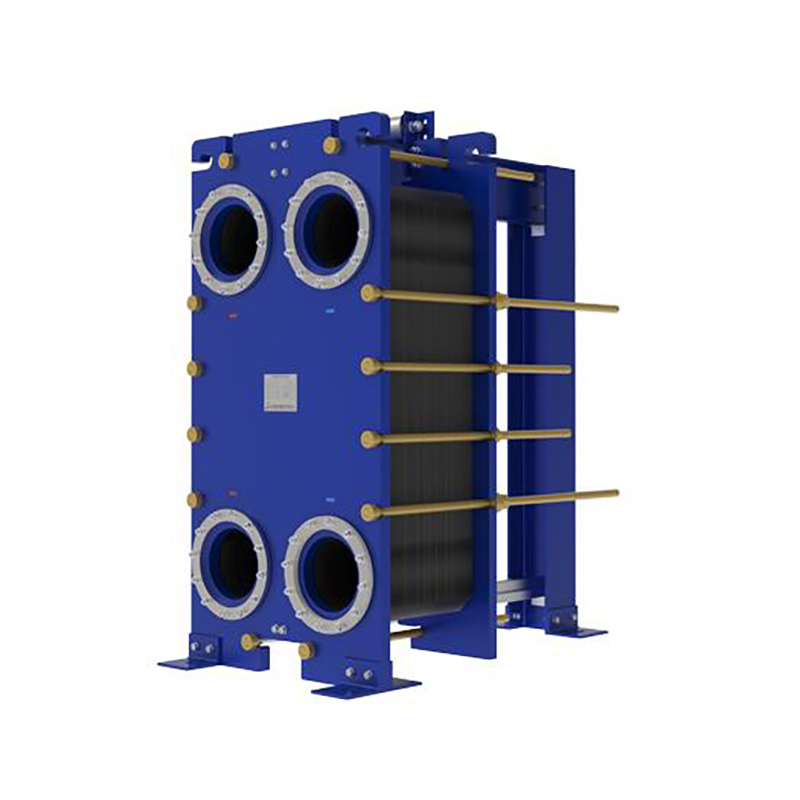
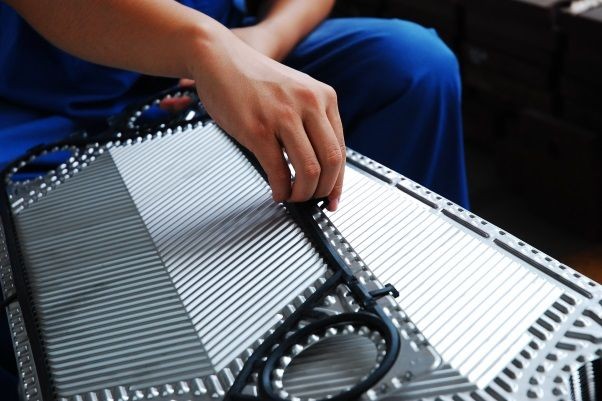
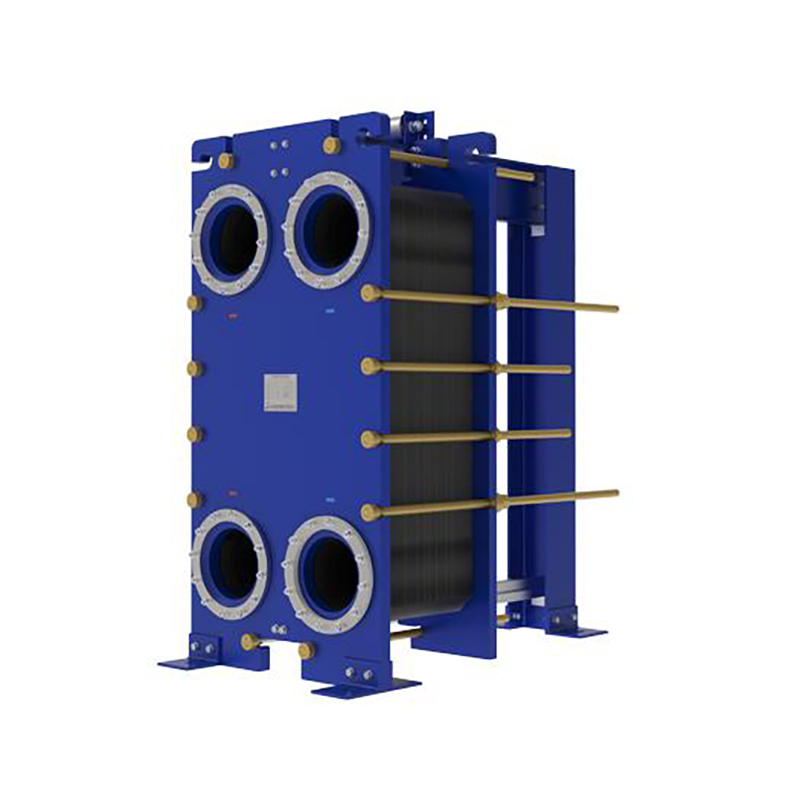
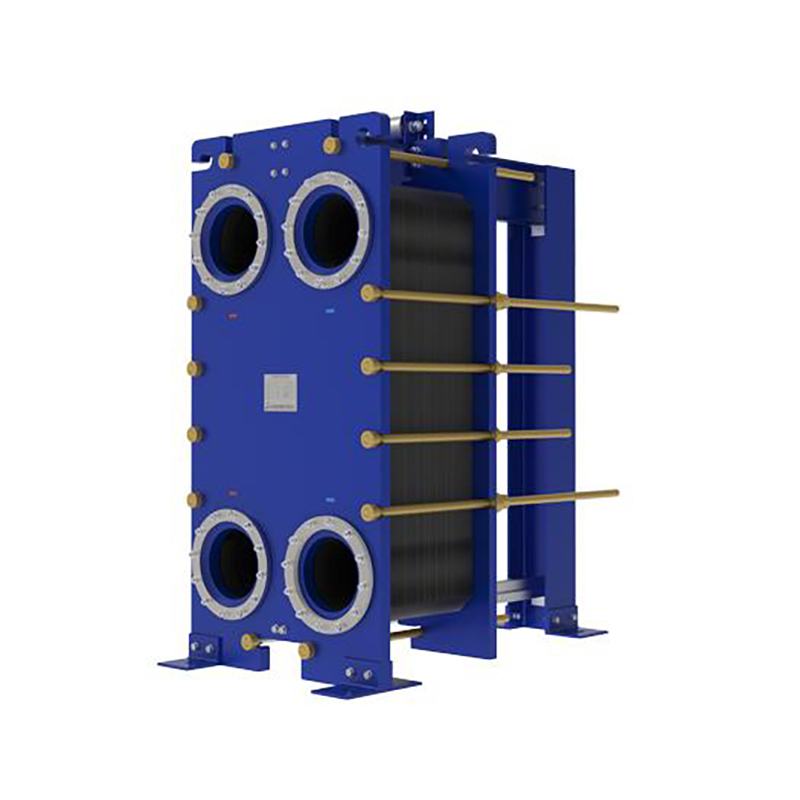
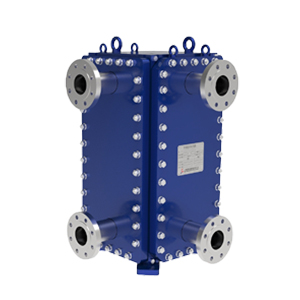
A diesel engine heat exchanger operates on the fundamental principles of thermodynamics, specifically heat transfer, to manage the engine's operating temperature. Its primary function is to efficiently remove excess heat generated during the combustion process and from engine friction, transferring it to a secondary cooling medium to prevent overheating. The core mechanism involves two separate fluid circuits that never mix: the hot internal circuit containing the engine coolant (a mixture of water and antifreeze) and the external cooling medium, which is typically ambient air in an air-cooled system or seawater/fresh water in a liquid-cooled system. Heat is transferred from the hotter engine coolant through the walls of the exchanger's core, which is constructed from materials with high thermal conductivity like aluminum or copper-nickel alloys, to the cooler external medium. This process is predominantly convective heat transfer, where the movement of fluids enhances the thermal exchange. In shell and tube or plate-type heat exchangers, the design maximizes the surface area contact between the two fluids, ensuring rapid and efficient cooling. The precise regulation of this heat rejection is critical, as it maintains the engine within its optimal temperature range, typically between 80°C and 95°C (176°F to 203°F), which is vital for combustion efficiency, lubrication, and minimizing thermal stress on engine components. This closed-loop system is continuously managed by thermostats and control valves to adapt to varying engine loads and ambient conditions.
Why Use Diesel Engine Heat Exchanger
The implementation of a dedicated heat exchanger is paramount for the reliability, efficiency, and longevity of diesel engines across marine, automotive, industrial, and power generation sectors. The primary reason is the imperative need for precise thermal management. Diesel engines convert only about 40-45% of fuel energy into useful work; a significant portion of the remaining energy is waste heat that must be dissipated to prevent catastrophic failure. Without an efficient heat exchanger, engine components like cylinder liners, pistons, and valves would suffer from thermal overload, leading to accelerated wear, lubricant breakdown, pre-ignition, and ultimately, seizure or catastrophic failure. Furthermore, operating at an optimized temperature is crucial for emission control. Modern engines, compliant with EPA Tier 4 or EU Stage V regulations, require stable temperatures for exhaust after-treatment systems like Selective Catalytic Reduction (SCR) and Diesel Particulate Filters (DPFs) to function correctly. Data from Cummins Inc. indicates that improper cooling can increase NOx emissions by up to 30% and reduce the service life of a DPF by half. From an economic perspective, a well-maintained heat exchanger directly contributes to fuel efficiency. For instance, Wärtsilä's research on marine engines shows that a 10°C increase in operating temperature above the optimum can lead to a 1-2% increase in specific fuel consumption. Therefore, the heat exchanger is not an auxiliary component but a critical system that ensures operational compliance, reduces total cost of ownership, and prevents costly downtime and repairs.
 English EN
 中国 CN
中国 CN
 French FR
 German DE
 Portuguese PT
 Spanish ES
 Russian RU
 Japanese JA
 Korean KO
 Arabic AR
 Turkish TR
 Italian IT








User Comments
Service Experience Sharing from Real Customers
Michael Rodriguez
Chief EngineerThis heat exchanger is an absolute beast. It dropped our coolant temperatures by a significant margin, even under full load. The build quality is exceptional, and it has drastically improved our engine's efficiency and reliability. A critical upgrade for any high-performance diesel application.
Sarah Chen
Maintenance SupervisorWe've installed these on our entire fleet of generator sets. The reduction in engine stress is noticeable, and maintenance intervals have been extended. It's a robust, reliable piece of kit that performs exactly as advertised. Installation was straightforward with the provided documentation.
David Wilson
Heavy Equipment MechanicA solid and well-built heat exchanger. It solved our overheating issues on a large excavator. The only reason it's not a 5 is that the fittings were a slightly different thread than we expected, requiring a minor adapter. Once installed, performance has been flawless and dependable.
Emily Johnson
Plant Operations ManagerOutstanding performance and durability. We operate in a very dusty environment, and the design of this exchanger has resisted clogging far better than our previous units. It's been running 24/7 for months with zero issues, ensuring our critical backup power systems are always ready.