Principle of Cooling Tower Heat Exchanger
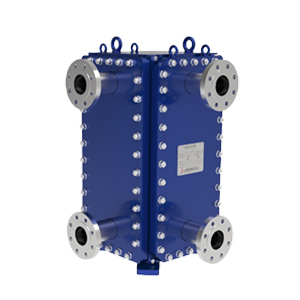
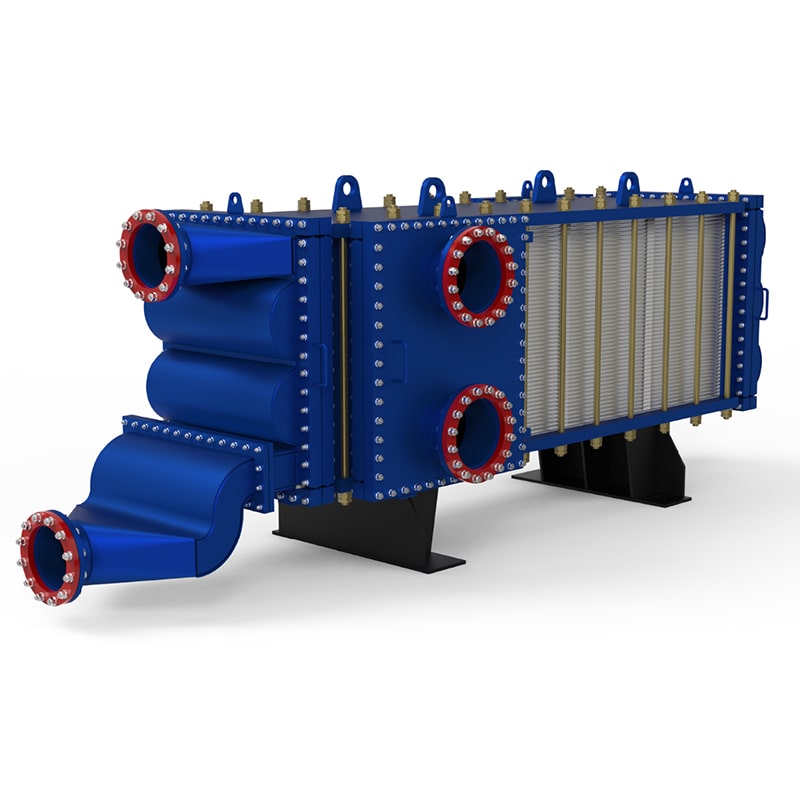
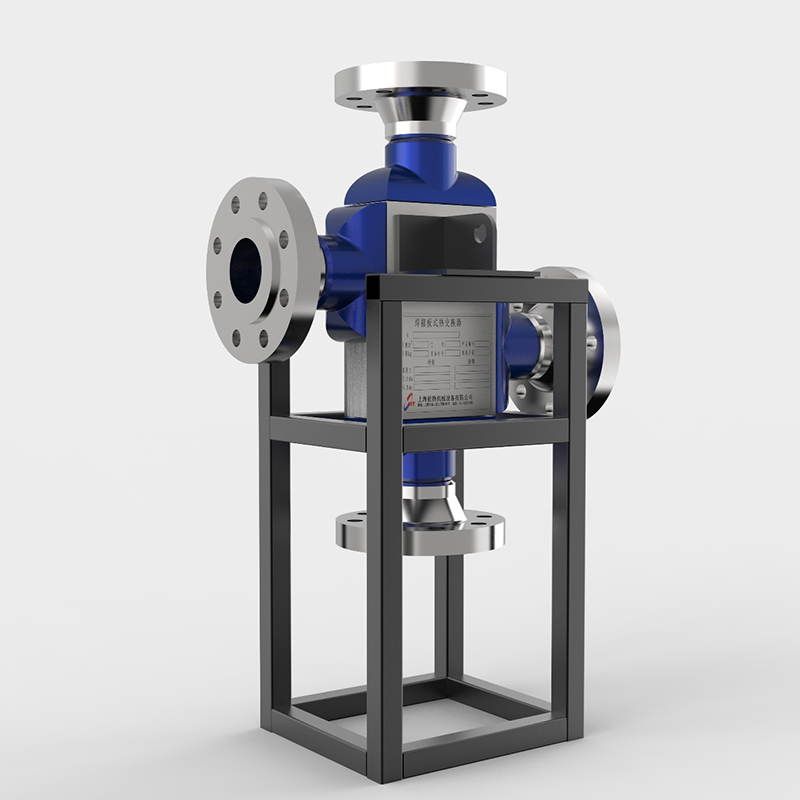
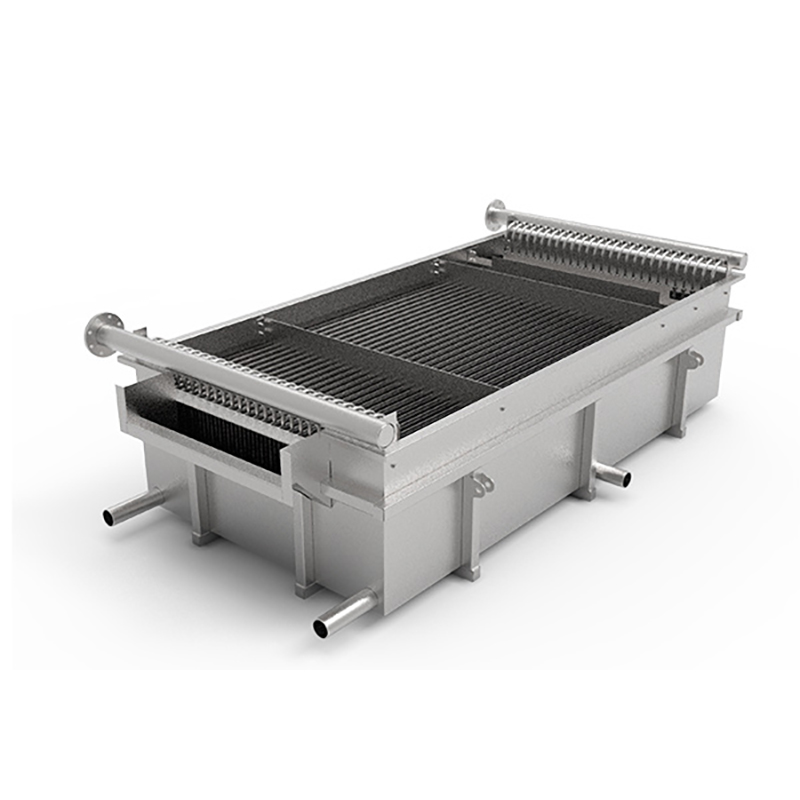
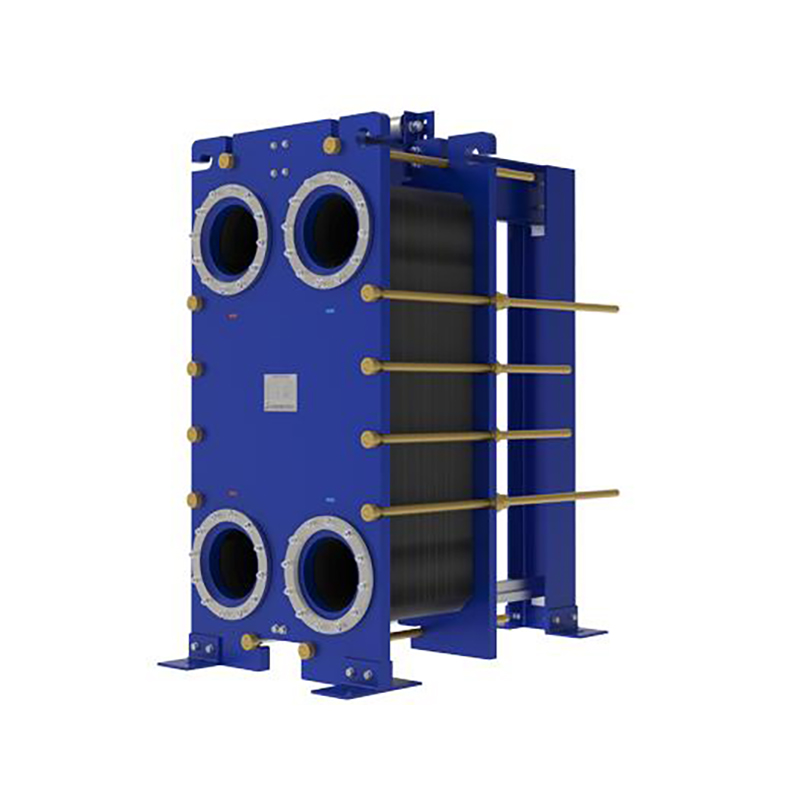
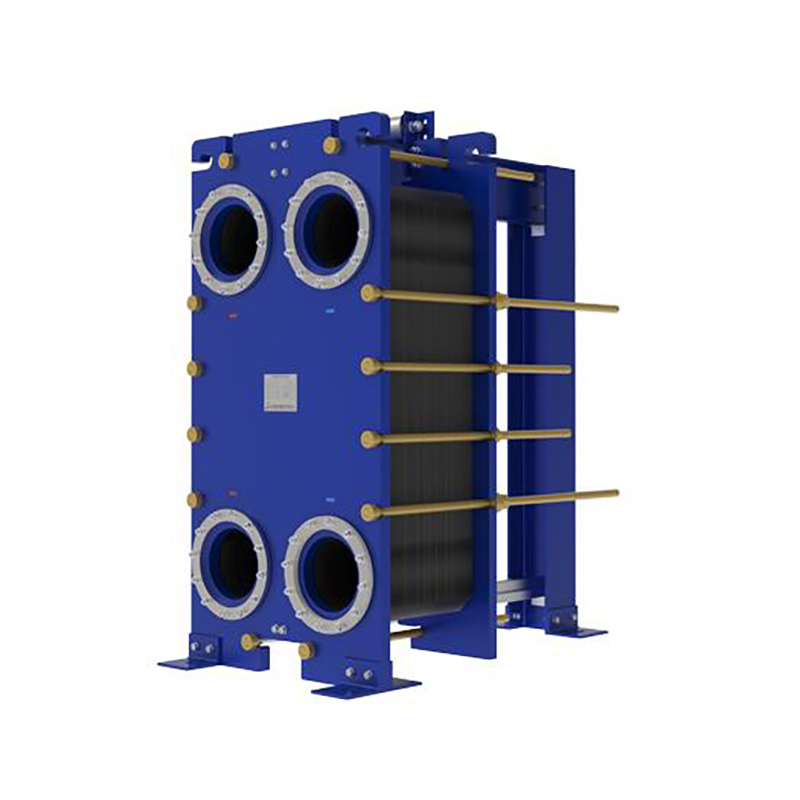
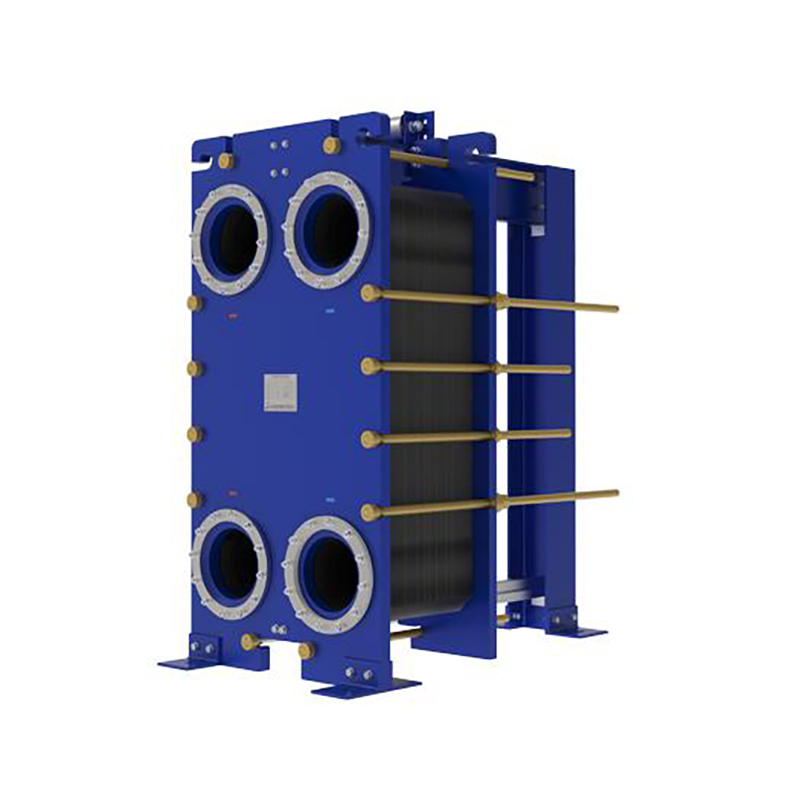
Cooling tower heat exchangers operate on the fundamental principles of heat transfer, primarily utilizing evaporation to remove waste heat from a process or building system and reject it into the atmosphere. The core component is the heat exchanger itself, which facilitates the transfer of thermal energy between two fluids—typically process water (which is being cooled) and a separate working fluid or air—without allowing them to mix. In a closed-circuit cooling tower, this is achieved through a coil bundle. The process fluid to be cooled circulates inside these coils. Meanwhile, water is sprayed over the exterior of the coils and air is simultaneously drawn across them by a fan. A small portion of this spray water evaporates, absorbing the latent heat of vaporization from the coil surface. This evaporation process is what efficiently extracts heat from the process fluid inside the coils, cooling it down. The warm, moist air is then discharged from the top of the tower, and the cooled process fluid is returned to the system. This design is distinct from open cooling towers where the process water is exposed directly to the atmosphere. The principle ensures that the primary process loop remains a closed, clean system, protected from external contamination, scale, and fouling, while still leveraging the highly efficient evaporative cooling effect for heat rejection. The efficiency of this heat exchange is influenced by the wet-bulb temperature of the ambient air, the surface area of the coil, and the flow rates of both the air and the fluids.
The operational principle hinges on maximizing the surface area for heat and mass transfer. The coils are often made from corrosion-resistant materials like galvanized steel, stainless steel, or cupronickel and are finned to increase their effective surface area. As the fan forces ambient air through the tower, it comes into contact with the water film on the coil surface. The driving force for evaporation is the difference in vapor pressure between the water film and the air. The heat required for evaporation is drawn from the process fluid flowing within the tubes, thereby reducing its temperature. This method is exceptionally effective, allowing for process fluid temperatures to be cooled to within several degrees of the ambient wet-bulb temperature. The closed-loop design is critical for applications where the process fluid is expensive, environmentally hazardous, or must be kept pure, such as in HVAC systems using treated water, chemical processing, and power generation. By separating the process fluid from the outside air, the system prevents airborne contaminants from entering and fouling the sensitive internal parts of the industrial process it serves, ensuring longevity and consistent performance.
Why Use Cooling Tower Heat Exchanger
 English EN
 中国 CN
中国 CN
 French FR
 German DE
 Portuguese PT
 Spanish ES
 Russian RU
 Japanese JA
 Korean KO
 Arabic AR
 Turkish TR
 Italian IT







User Comments
Service Experience Sharing from Real Customers
Michael Rodriguez
Facility ManagerThis cooling tower heat exchanger has dramatically improved our plant's efficiency. The build quality is exceptional and it handles our high thermal load with ease. A fantastic investment.
Sarah Chen
HVAC EngineerIncredibly efficient and robust unit. The installation was straightforward, and the performance data exceeded our projections. It's the core of our new climate control system and operates flawlessly.
David Kim
Plant OperatorA very reliable piece of equipment. It's significantly reduced our downtime for maintenance compared to our old system. The only reason it's not a 5 is that the initial setup instructions could be clearer.
Jennifer Williams
Project LeadWe integrated this heat exchanger into our data center cooling loop. The energy savings are already noticeable, and its compact design saved us valuable space. Highly recommended for critical cooling applications.