Principle of Chevron Plate Heat Exchanger | High-Efficiency Thermal Transfer
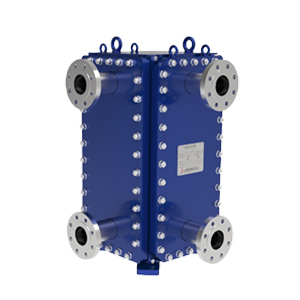
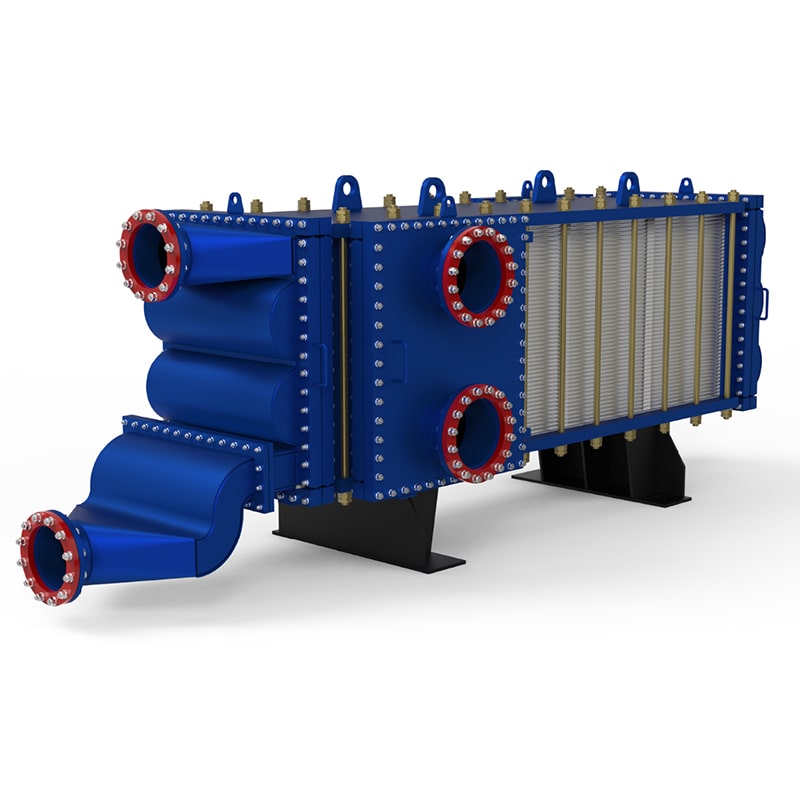
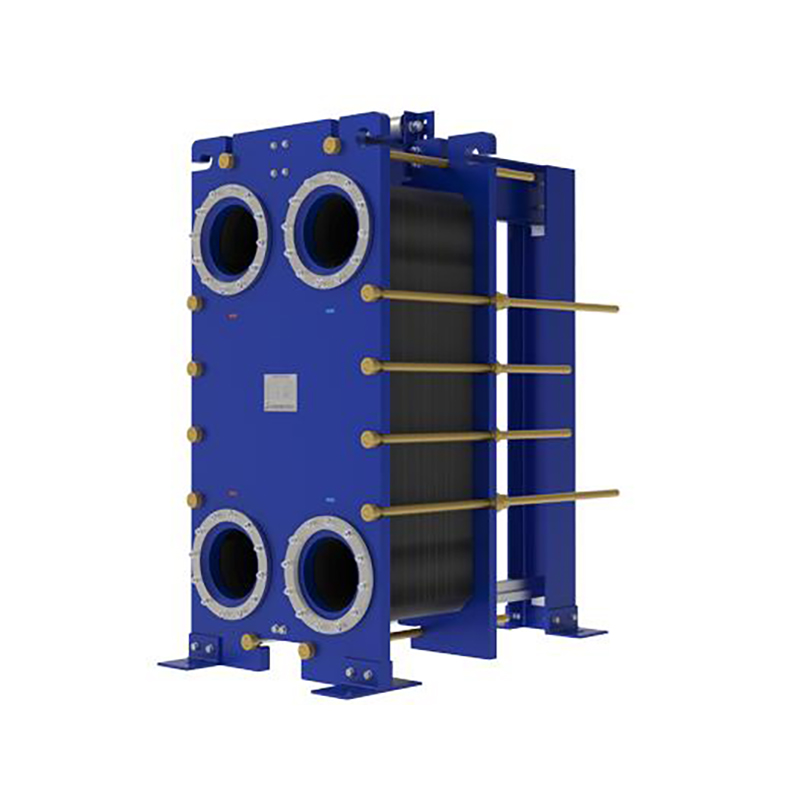
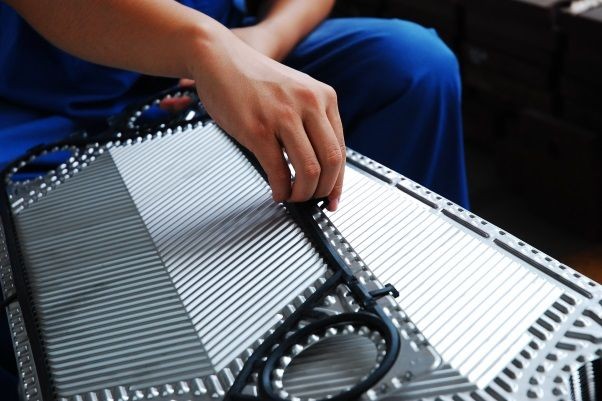
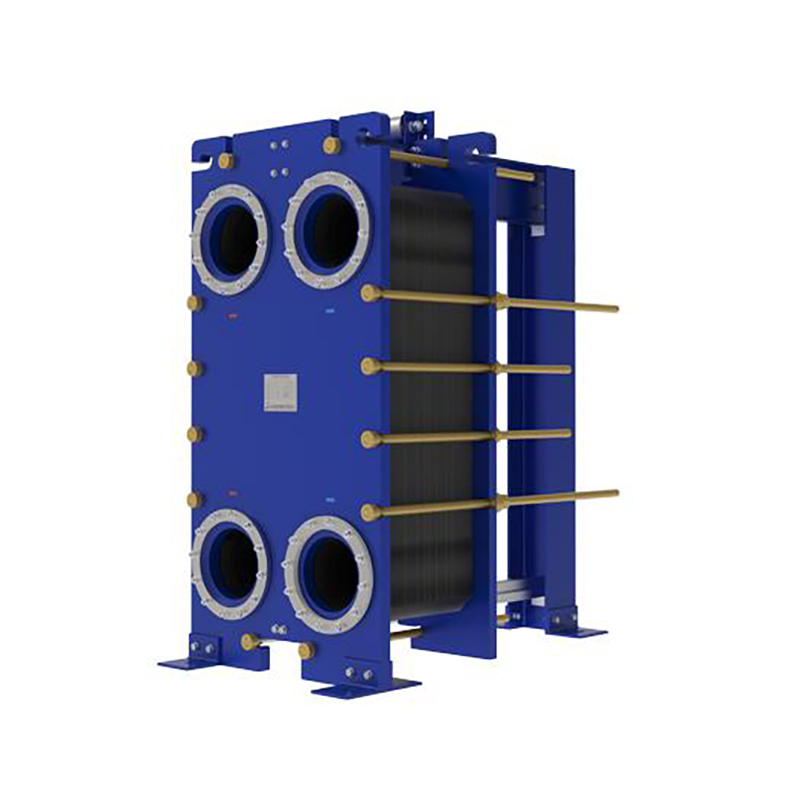
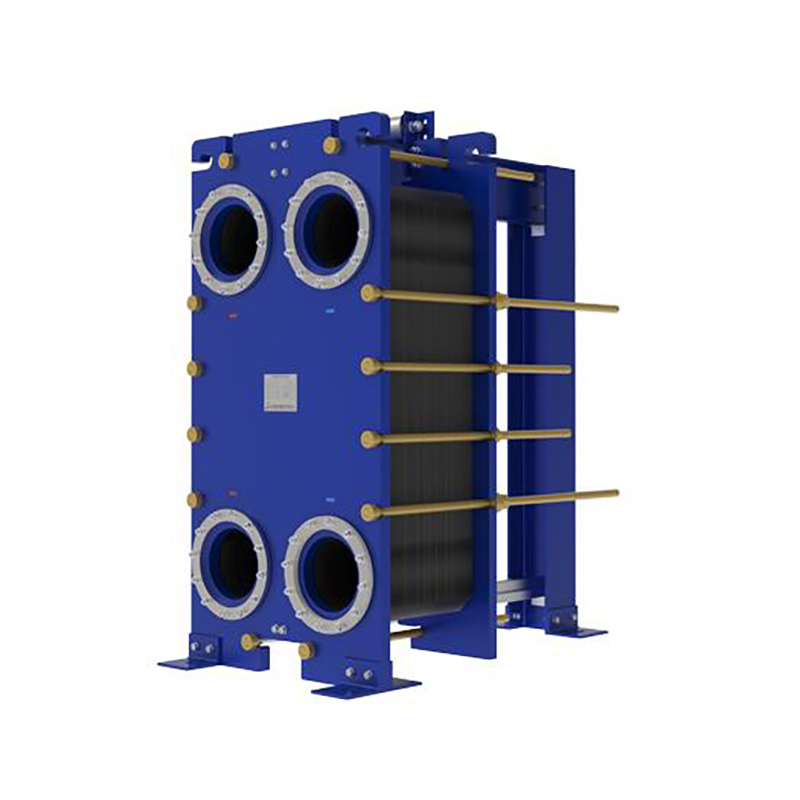
The chevron plate heat exchanger operates on the principle of facilitating efficient heat transfer between two fluids through a series of corrugated plates arranged in a parallel formation. These plates, typically constructed from stainless steel or other corrosion-resistant alloys, are assembled within a frame with tight seals to create alternating channels for the hot and cold media. The distinctive chevron-patterned corrugations on the plate surfaces are the core of its functionality. This design induces a highly turbulent flow in the fluids passing through the channels, which is critical for disrupting the laminar sub-layer and minimizing thermal resistance. The increased turbulence significantly enhances the heat transfer coefficient compared to traditional shell and tube exchangers. Furthermore, the complex path created by the corrugations ensures a large surface area is available for heat exchange within a compact footprint. The plates are compressed together in a gasketed, brazed, or welded configuration depending on the application and pressure requirements, ensuring no mixing of the two fluids while optimizing the thermal exchange process. This efficient mechanism allows for approach temperatures as low as 1°C, making it exceptionally effective for duties requiring close temperature control or heat recovery.
The operational principle translates into measurable performance gains documented across various industries. For instance, in a district heating system, a gasketed chevron plate heat exchanger can achieve a heat transfer coefficient (U-value) ranging from 3,000 to 7,000 W/m²°C for water-to-water applications, drastically outperforming shell-and-tube exchangers which typically achieve 800-1,500 W/m²°C. This high efficiency is directly attributable to the turbulence generated by the chevron angle, often designated as hard (high theta) or soft (low theta) patterns. A higher chevron angle provides greater turbulence and higher heat transfer rates but also results in a larger pressure drop. This trade-off is meticulously engineered by manufacturers like Alfa Laval, SWEP, and Tranter, who provide plates with different chevron angles to tailor the performance to specific duties such as heating, cooling, or heat recovery. The counter-current flow arrangement, where the two fluids flow in opposite directions, maintains a consistent and favorable temperature difference across the entire length of the plates, maximizing the log mean temperature difference (LMTD). This design is proven to achieve thermal efficiencies exceeding 90% in many applications, ensuring minimal energy loss and maximum utilization of heating or cooling capacity.
Why Use Chevron Plate Heat Exchanger | Key Benefits & Applications
 English EN
 中国 CN
中国 CN
 French FR
 German DE
 Portuguese PT
 Spanish ES
 Russian RU
 Japanese JA
 Korean KO
 Arabic AR
 Turkish TR
 Italian IT







User Comments
Service Experience Sharing from Real Customers
Michael Johnson
Maintenance EngineerThe chevron plate design is incredibly efficient for our high-temperature duties. We've seen a significant reduction in energy costs since installation. The gaskets are holding up perfectly after 12 months of continuous operation.
Sarah Chen
Plant ManagerExceptional thermal performance and easy to maintain. The plates were simple to rearrange when we needed to adjust our capacity. The corrosion resistance on the 316L plates is perfect for our dairy processing application.
David Rodriguez
HVAC TechnicianPerfect for our district heating system. The compact design saved us tremendous space compared to shell and tube units. Pressure drop is lower than calculated. Only minor points off for longer delivery time.
Emily Watson
Process EngineerOutstanding heat transfer coefficients achieved in our marine engine cooling circuit. The robust construction handles vibration and thermal cycling superbly. Maintenance downtime has been cut by 70% compared to our previous exchanger.