Air Compressor Heat Exchanger: Principle, Benefits & Efficiency Boost
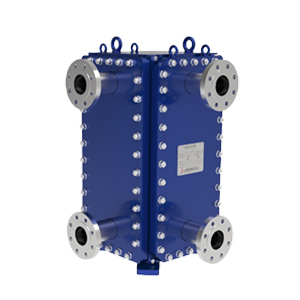
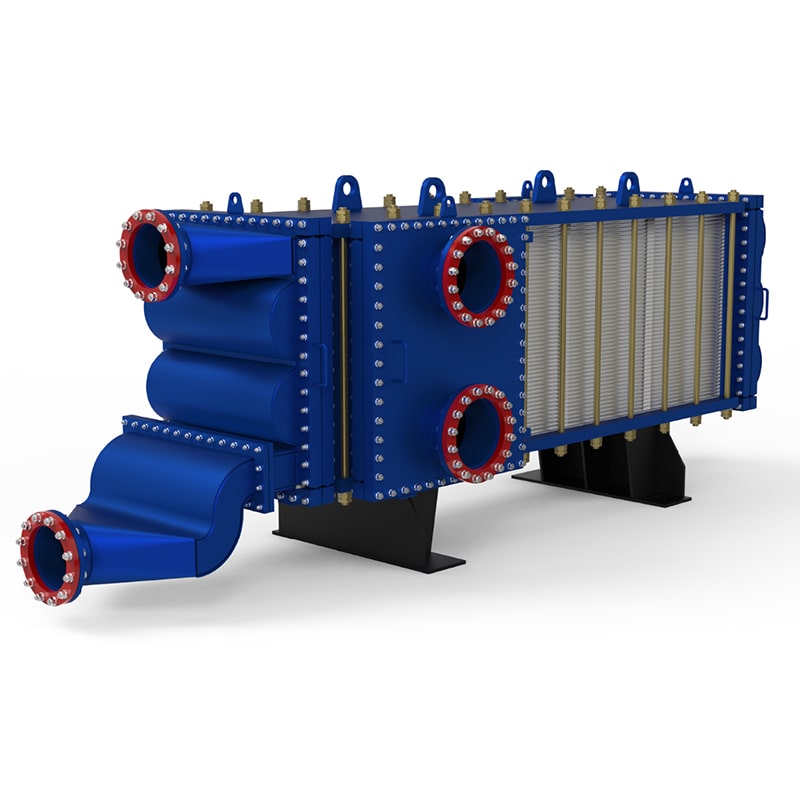
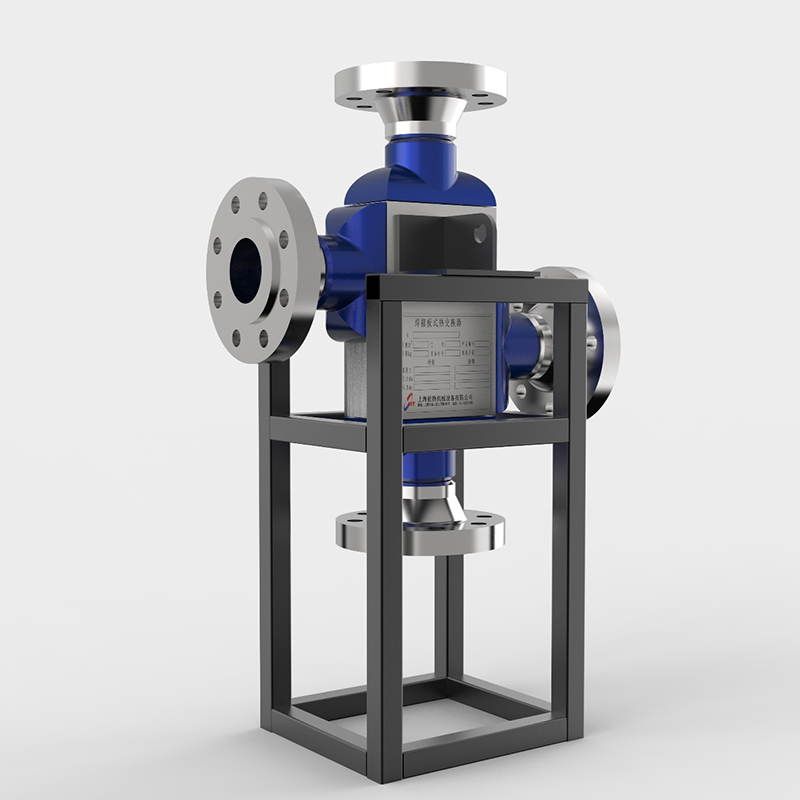
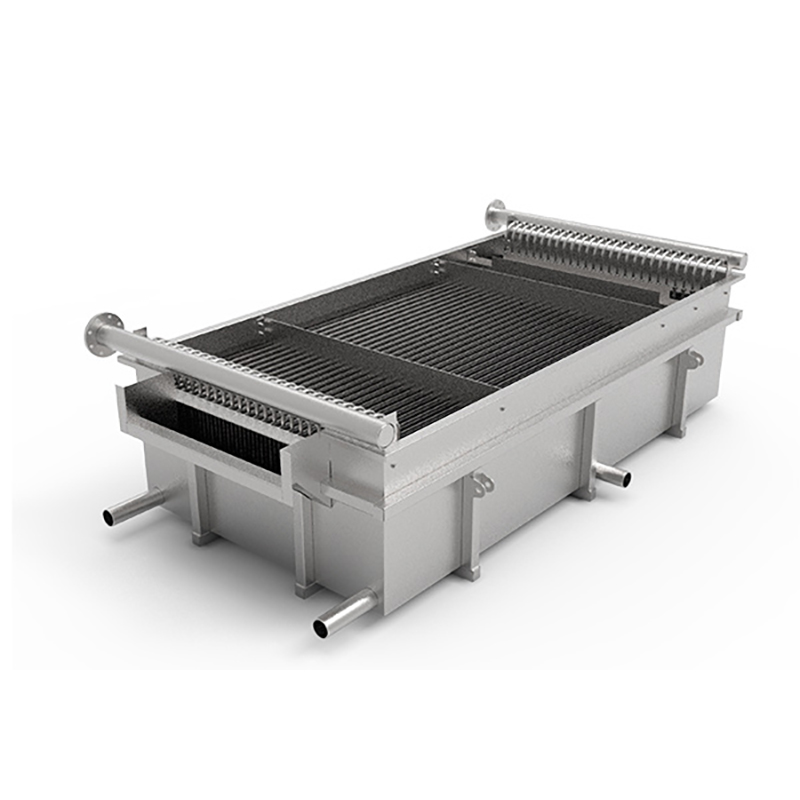
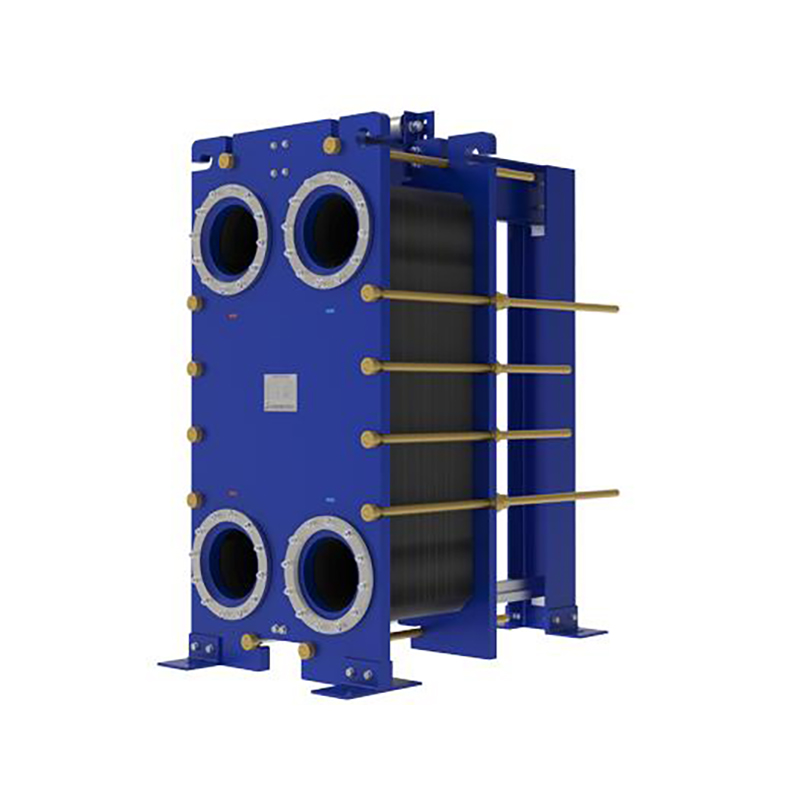
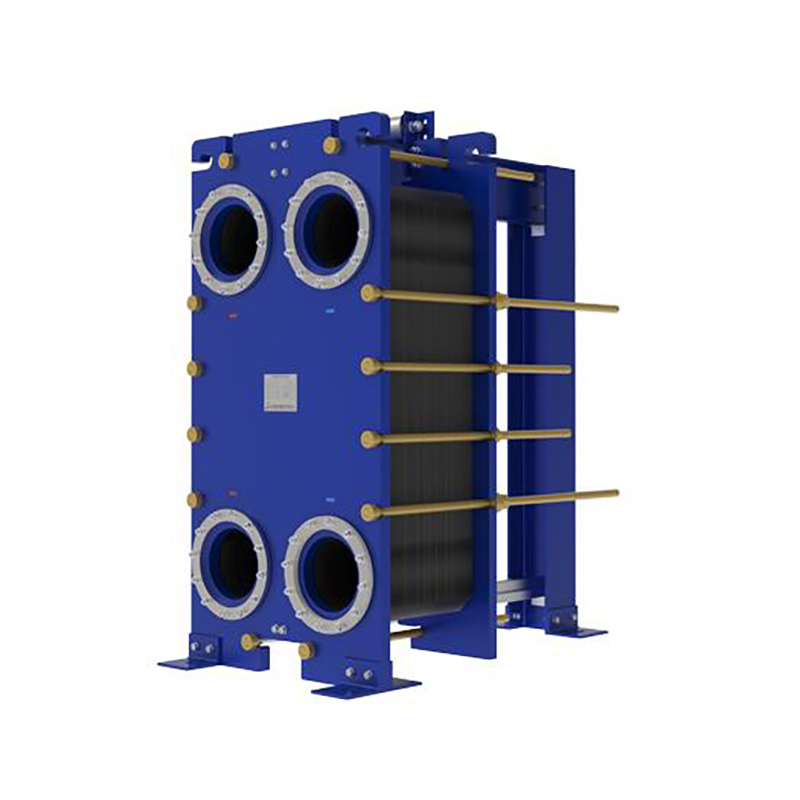
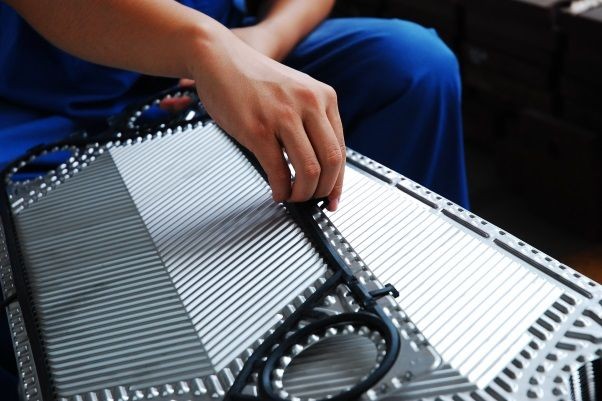
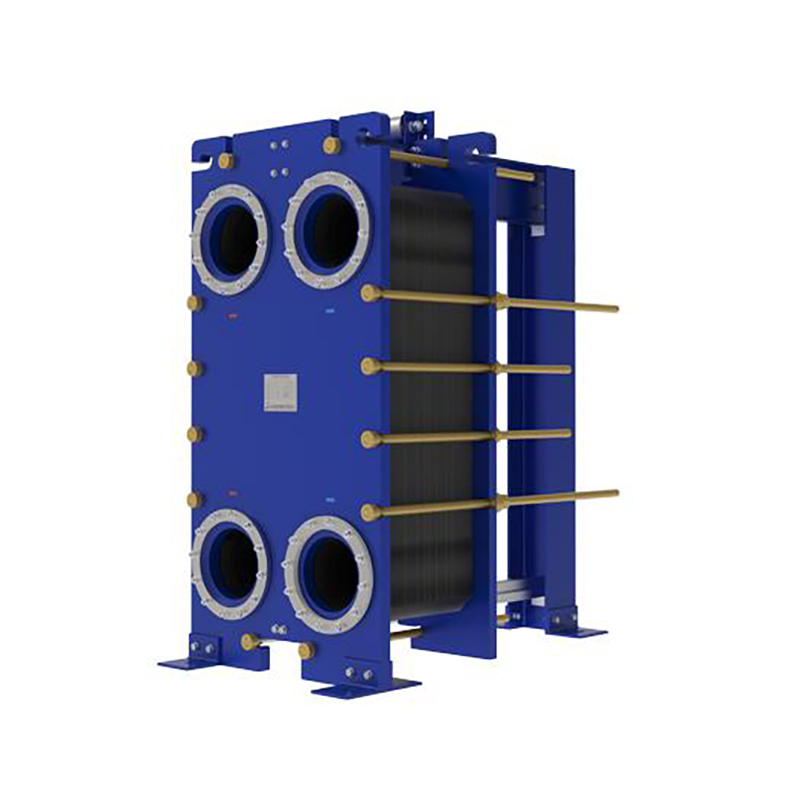
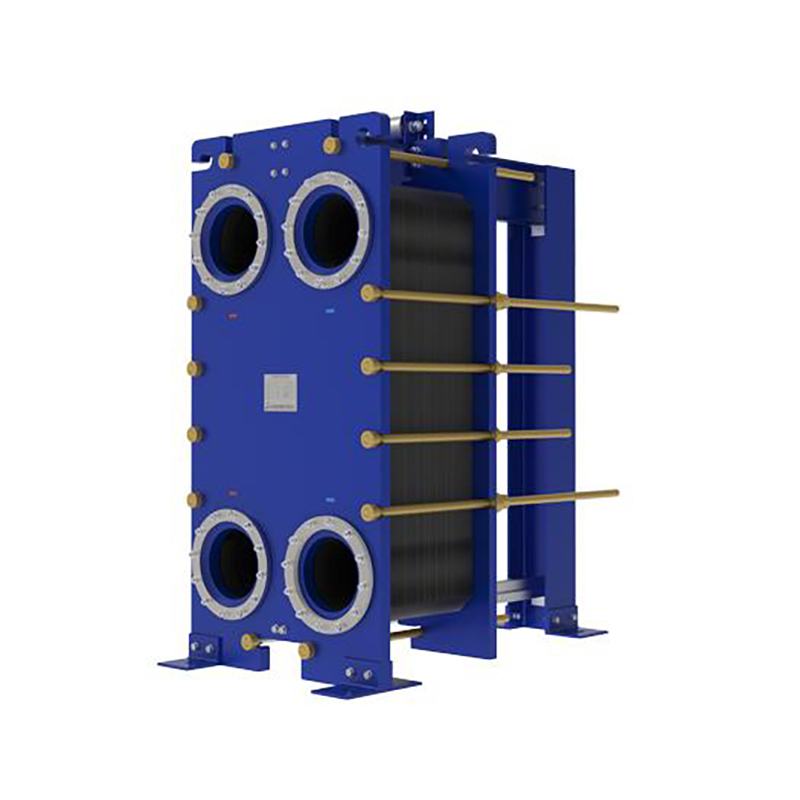
The principle of an air compressor heat exchanger revolves around heat transfer between two fluids—typically compressed air and a cooling medium (water or air). This process reduces the temperature of compressed air, improving system efficiency and preventing overheating. Heat exchangers utilize conductive materials like aluminum or copper to maximize thermal exchange, ensuring optimal performance in industrial applications.
An air compressor heat exchanger operates by transferring excess heat from compressed air to a cooler medium, enhancing energy efficiency. According to industry data, heat exchangers can reduce compressed air temperatures by up to 90%, significantly lowering energy consumption. For example, a well-designed shell-and-tube heat exchanger can achieve thermal efficiencies exceeding 80%, making it indispensable in manufacturing plants. By maintaining stable operating temperatures, these systems extend equipment lifespan and reduce maintenance costs. Studies show that heat exchangers can cut energy bills by 15-20% in compressed air systems, making them a cost-effective solution for industries.
Why use an air compressor heat exchanger? The primary reason is energy efficiency and operational reliability. Heat exchangers prevent overheating, which can damage compressors and increase downtime. Additionally, they improve air quality by removing moisture and contaminants, ensuring consistent performance in pneumatic systems.
Using an air compressor heat exchanger delivers measurable benefits, including reduced energy costs and enhanced system longevity. Research indicates that heat recovery systems can reclaim up to 80% of wasted thermal energy, repurposing it for heating or other processes. For instance, in food processing plants, recovered heat can preheat water, saving thousands annually. Moreover, heat exchangers comply with environmental regulations by minimizing carbon emissions. A case study from the U.S. Department of Energy revealed that heat exchangers in compressed air systems reduced energy waste by 25%, aligning with sustainability goals. By investing in a high-quality heat exchanger, businesses achieve both economic and ecological advantages.
 English EN
 中国 CN
中国 CN
 French FR
 German DE
 Portuguese PT
 Spanish ES
 Russian RU
 Japanese JA
 Korean KO
 Arabic AR
 Turkish TR
 Italian IT







User Comments
Service Experience Sharing from Real Customers
John Smith
Mechanical EngineerThe air compressor heat exchanger is incredibly efficient and has significantly improved our system's performance. Highly recommended!
Emily Johnson
HVAC TechnicianGreat product! The heat exchanger works perfectly and has reduced our energy costs. Installation was straightforward.
Michael Brown
Plant ManagerThis heat exchanger has exceeded our expectations. It's durable, efficient, and has minimal maintenance requirements.
Sarah Davis
Maintenance SupervisorThe air compressor heat exchanger is a solid investment. It performs well under heavy use and has improved our equipment's lifespan.