Liquid to Liquid Heat Exchangers: High-Efficiency Thermal Transfer Solutions for Industrial Applications
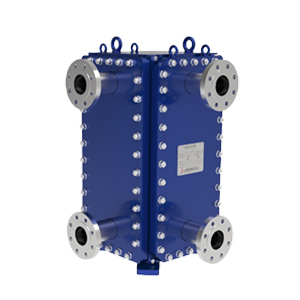
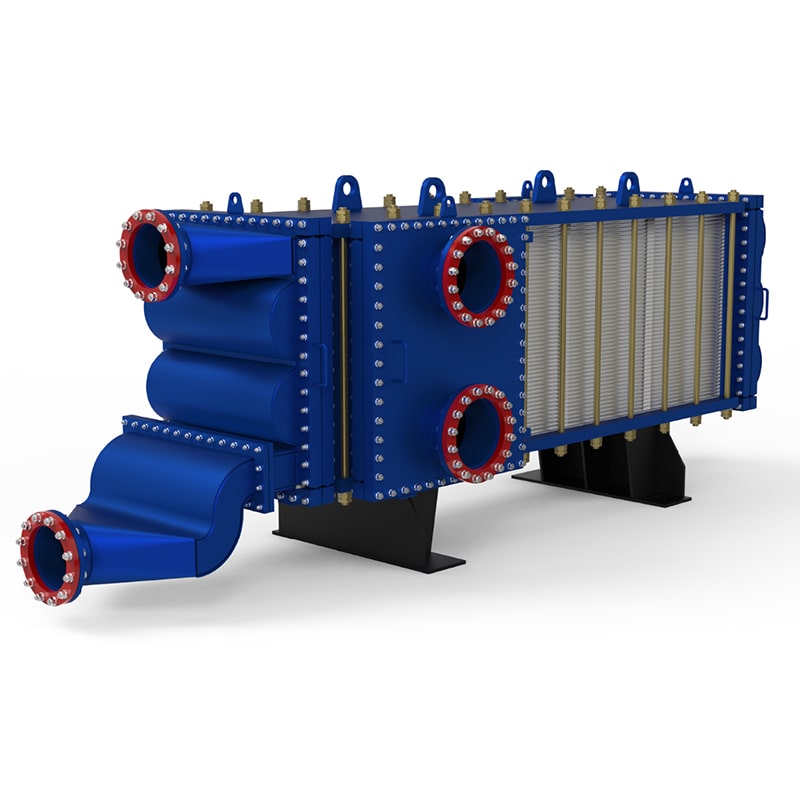
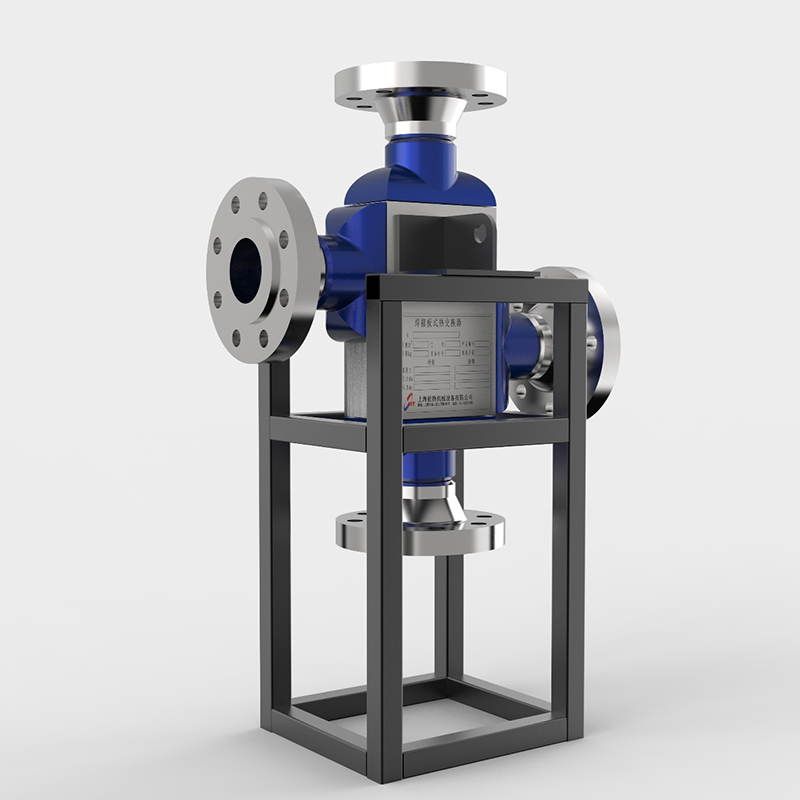
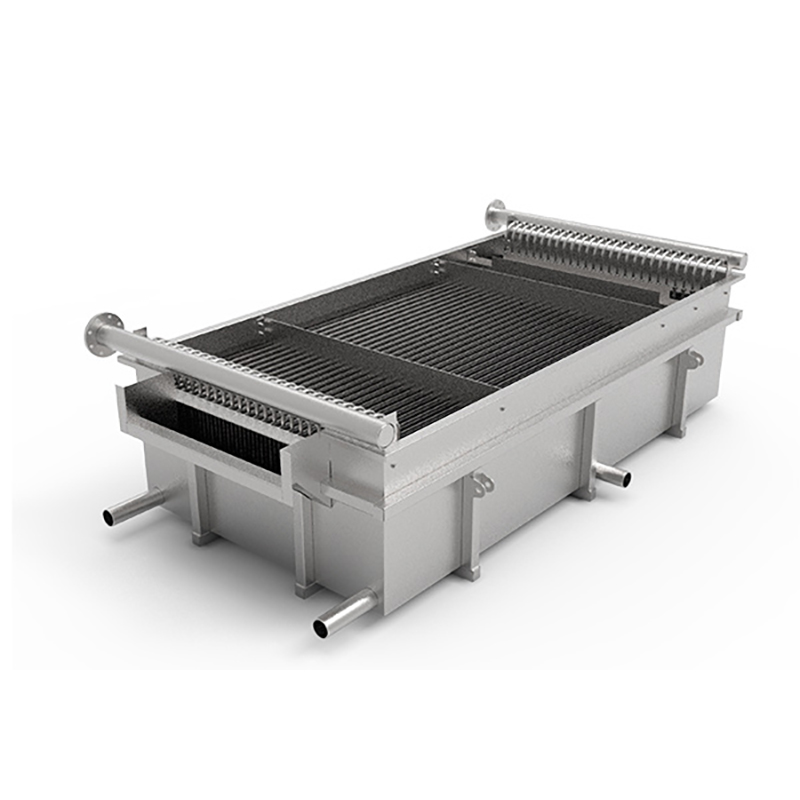
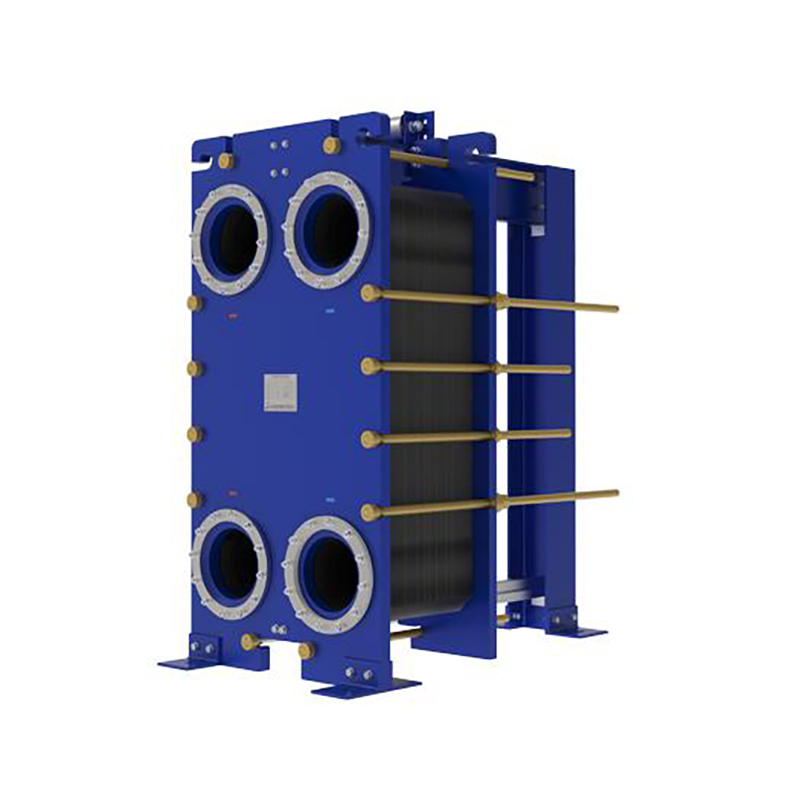
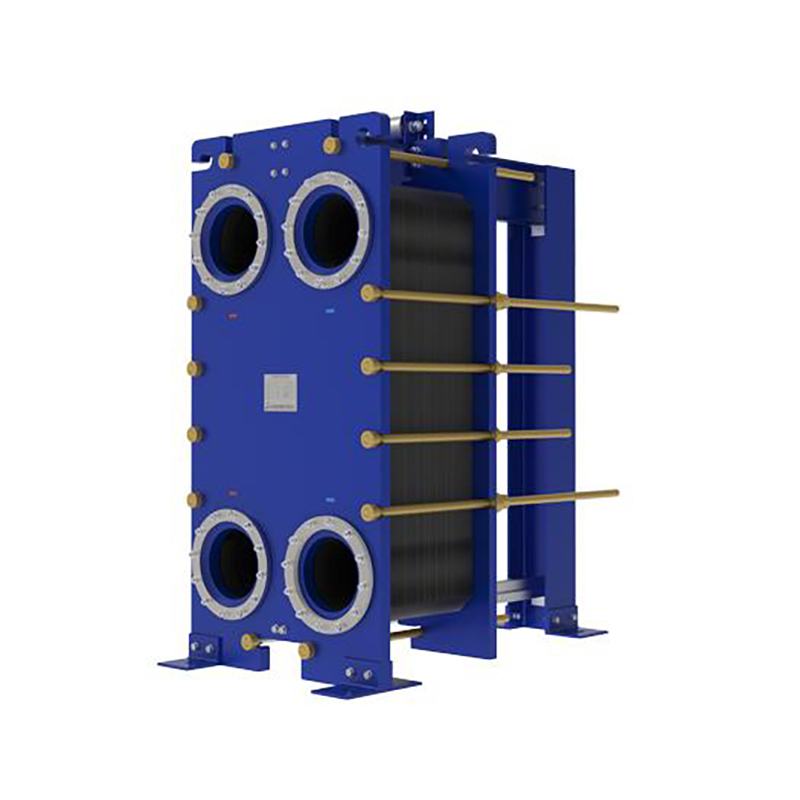
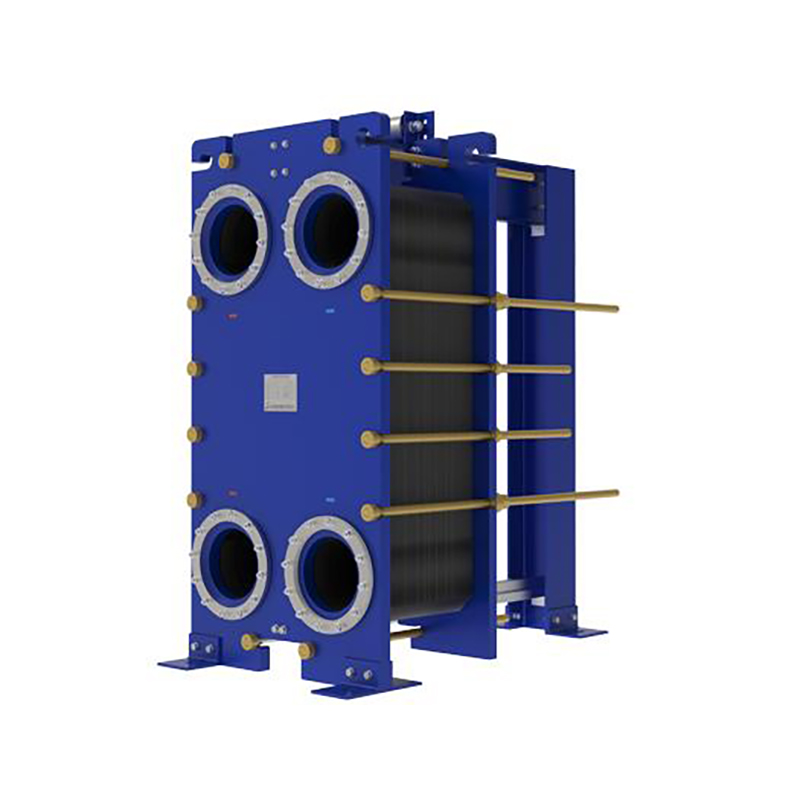
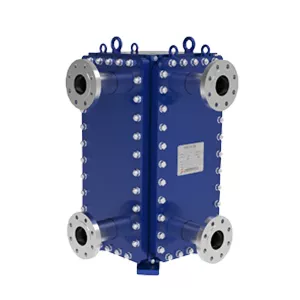
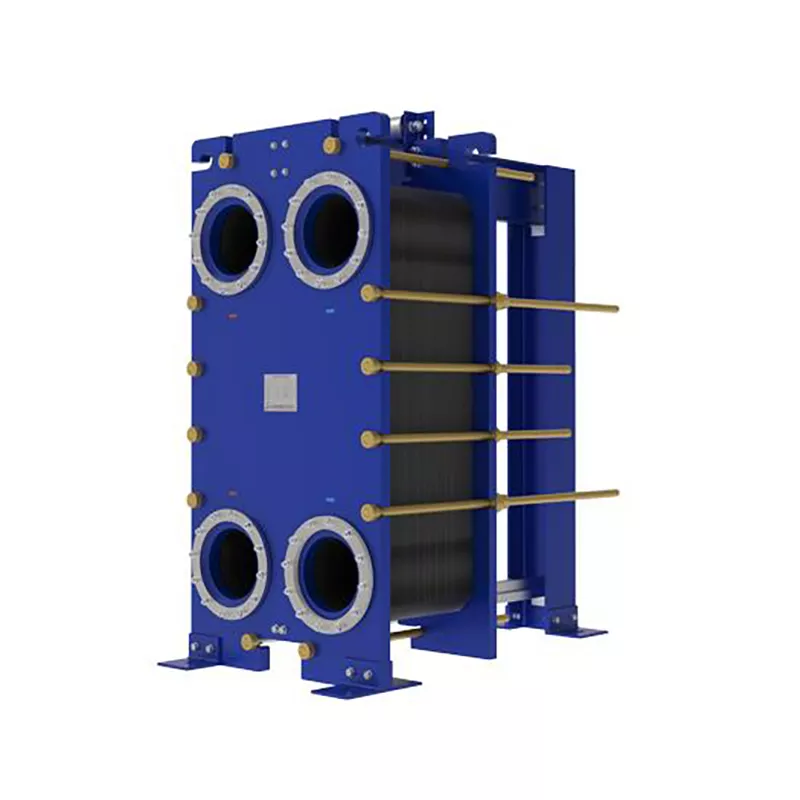
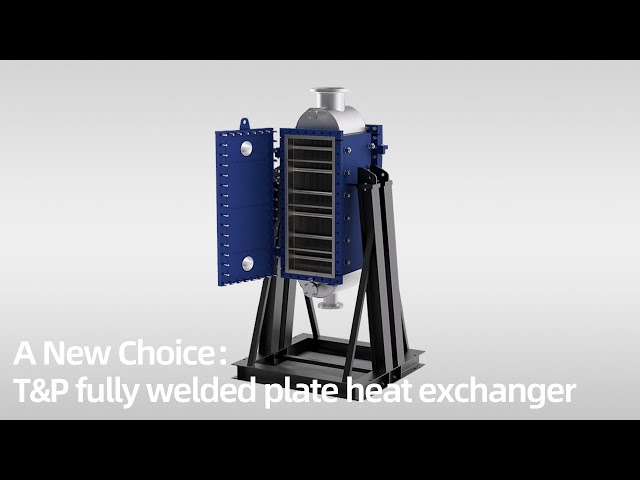
What is a Liquid to Liquid Heat Exchanger?A liquid to liquid heat exchanger is a specialized device designed to transfer thermal energy between two separate liquid streams without allowing them to mix. These systems are fundamental components in numerous industrial, commercial, and energy recovery applications where efficient temperature control or heat recovery is critical. Constructed typically from robust materials like stainless steel, titanium, or copper-nickel alloys to resist corrosion and high pressures, their core structure consists of a series of plates or tubes that provide a large surface area for optimal heat transfer. The primary liquid stream, which needs to be cooled or heated, flows on one side of the conductive barrier, while the secondary liquid service stream, which either absorbs or donates the heat, flows on the opposite side. This setup is ubiquitous in industries such as chemical processing, power generation, HVAC, marine engineering, and food and beverage production. Their design prioritizes maximizing thermal efficiency, which is often measured by their ability to approach the ideal temperature equilibrium between the two fluids, a metric known as temperature approach. Unlike air-cooled systems, liquid to liquid variants are significantly more efficient due to the superior thermal conductivity and heat capacity of liquids, allowing for more compact units that can handle massive heat loads. They are engineered for duties ranging from simple water heating with waste process fluid to precise temperature regulation in pharmaceutical manufacturing loops. Key selection criteria include the nature of the liquids (including viscosity, fouling potential, and compatibility with materials), required temperature change, flow rates, pressure drop limitations, and the permissible level of cross-contamination, which is eliminated by the solid barrier wall.How Does a Liquid to Liquid Heat Exchanger Work?The operation of a liquid to liquid heat exchanger is governed by the fundamental principles of thermodynamics, specifically conduction and convection. The process begins as two liquids, each at a different temperature, are pumped into the exchanger through isolated pathways. In a shell and tube design, the most common type for high-pressure duties, one liquid flows through a bundle of tubes while the other liquid is forced over and around these tubes within a sealed shell. In a more modern plate heat exchanger design, the fluids flow in alternating channels between thin, corrugated metal plates, creating a highly efficient turbulent flow pattern. The core mechanism is conduction: thermal energy moves from the hotter liquid, through the solid wall of the tube or plate, and into the cooler liquid. The rate of this heat transfer is directly proportional to the surface area of the conductive material and the temperature difference (delta T) between the two fluids. The corrugated patterns on plates or fins on tubes are not structural; they are engineered to induce turbulence in the fluids. This turbulence breaks up the stagnant boundary layer that naturally forms on the metal surface, a major barrier to heat transfer, thereby drastically improving the overall efficiency (often achieving effectiveness ratings over 90%). The fluids exit the exchanger at their new, moderated temperatures. For example, in a district cooling system, warm water from a building's air conditioning loop might enter at 12°C (53.6°F) and be cooled down to 7°C (44.6°F) by chilled water from a central plant that enters at 6°C (42.8°F) and leaves at 11°C (51.8°F). The entire process is automated and controlled by temperature sensors and regulating valves that adjust flow rates to maintain a consistent outlet temperature despite variations in the incoming fluid conditions, ensuring stable and efficient process operation.
 English EN
 中国 CN
中国 CN
 French FR
 German DE
 Portuguese PT
 Spanish ES
 Russian RU
 Japanese JA
 Korean KO
 Arabic AR
 Turkish TR
 Italian IT








User Comments
Service Experience Sharing from Real Customers
Michael Chen
Process EngineerThis liquid-to-liquid heat interchanger has been a game-changer for our chemical processing line. The thermal efficiency is outstanding, and it has significantly reduced our energy consumption. The build quality is robust, handling our corrosive fluids with ease. A fantastic piece of equipment.
Sarah Johnson
HVAC Systems DesignerWe integrated this heat interchanger into a large commercial building's HVAC system for heat recovery. Its compact design saved us space, and its performance is exceptionally reliable. The pinch point design is excellent, maximizing heat transfer. Highly recommend for any energy-efficient project.
David Rodriguez
Plant Maintenance ManagerExtremely durable and low maintenance. We've been using it for over a year in our lubricant cooling process with zero downtime. The only reason it's not a 5 is that the initial installation fittings were slightly non-standard, but the performance itself is top-notch.
Emily Watkins
R&D Project LeadPrecise temperature control was critical for our new pharmaceutical compound synthesis. This interchanger provided incredibly stable and consistent cooling, which was vital for our reaction yields. The technical support from the manufacturer was also excellent during the integration phase.