Primary and Secondary Heat Exchangers: Maximizing Efficiency in Modern HVAC Systems
What is a Primary and Secondary Heat Exchanger?
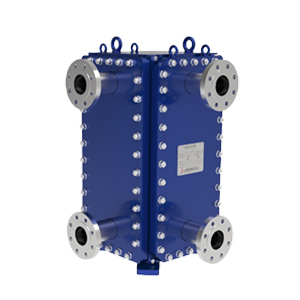
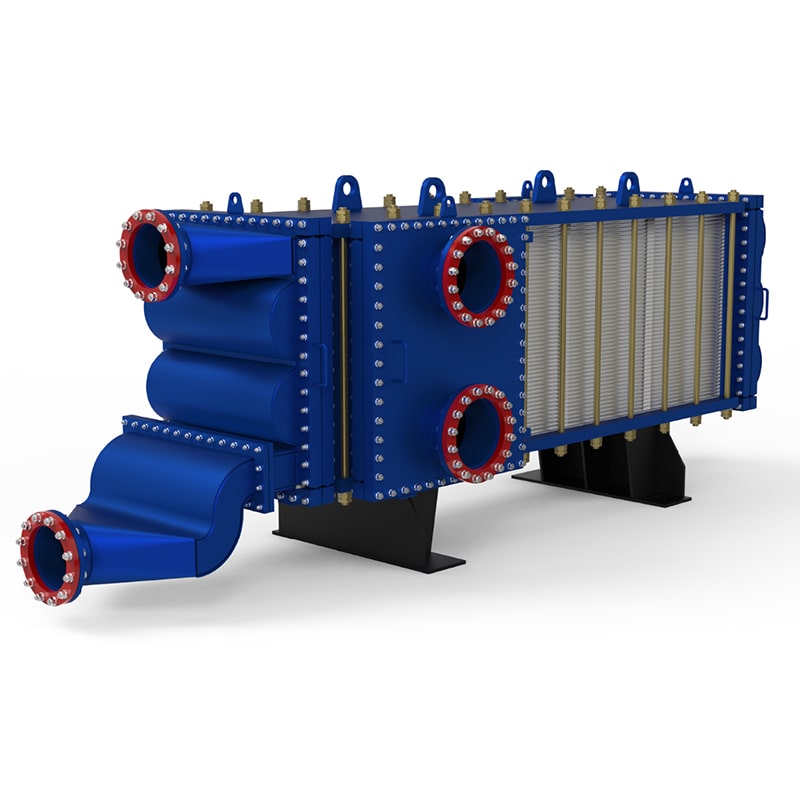
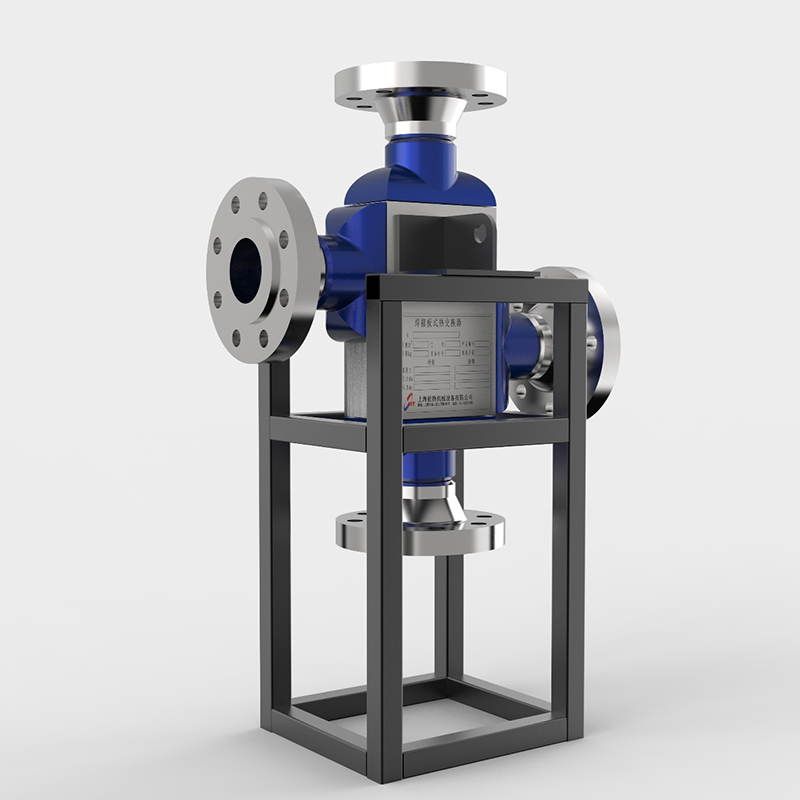
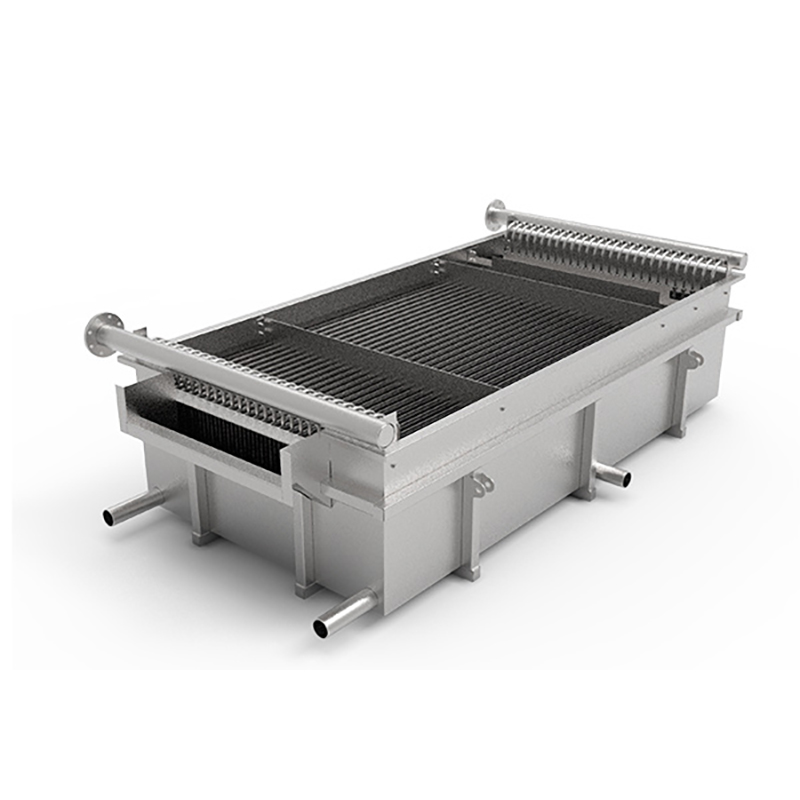
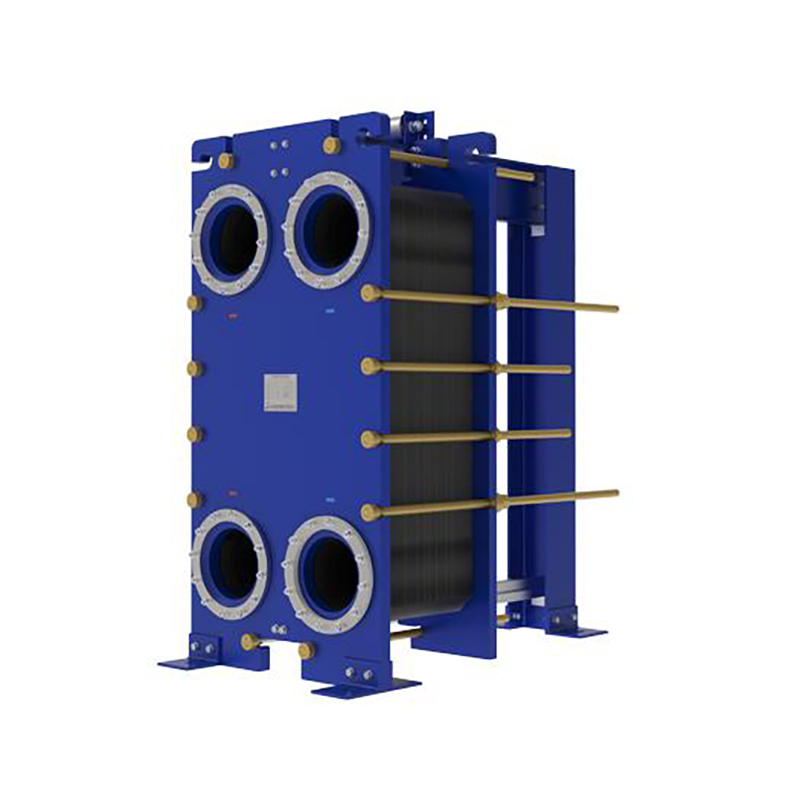
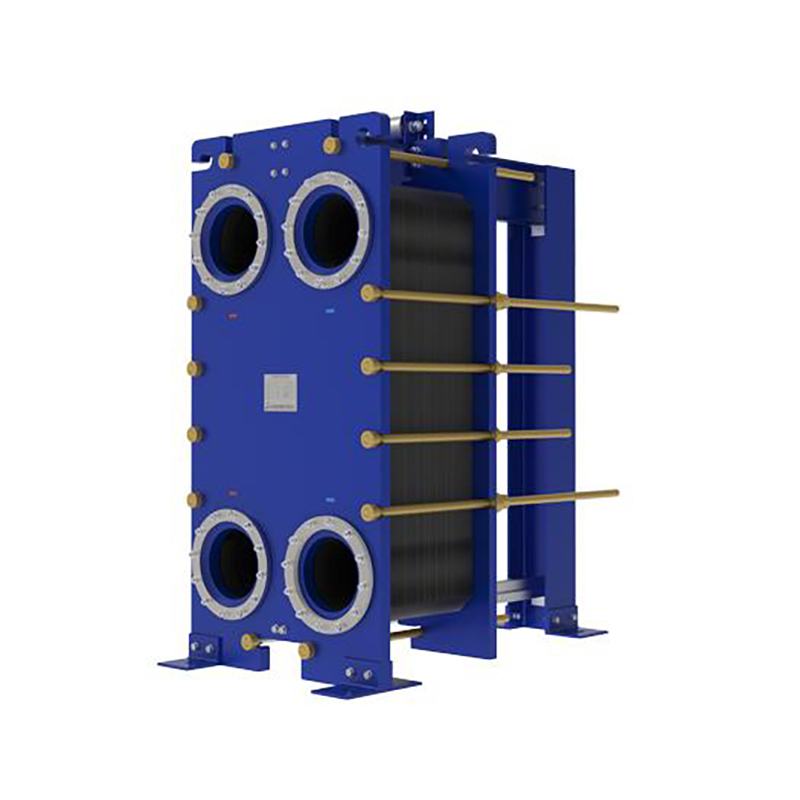
A primary and secondary heat exchanger system is a sophisticated design predominantly used in high-efficiency condensing boilers and furnaces to extract the maximum amount of heat from combustion gases before they are vented outdoors. The primary heat exchanger is the first component to encounter the extreme heat of the combustion process. It is typically constructed from robust materials like stainless steel or aluminized steel to withstand high temperatures, initially capturing a significant portion of the thermal energy to heat water or air. The secondary heat exchanger is specifically designed to capture the latent heat from the water vapor (condensate) in the flue gases that the primary unit leaves behind. This process causes the gases to condense, releasing additional energy and drastically improving the system's overall efficiency. This dual-stage approach is the hallmark of condensing technology, allowing modern heating systems to achieve Annual Fuel Utilization Efficiency (AFUE) ratings of 90% to over 98%, compared to 80% or less for non-condensing units with a single heat exchanger. The secondary unit is often made from materials highly resistant to acidic corrosion, such as stainless steel or coated polymers, due to the mildly acidic nature of the condensate produced.
How Do Primary and Secondary Heat Exchangers Work?
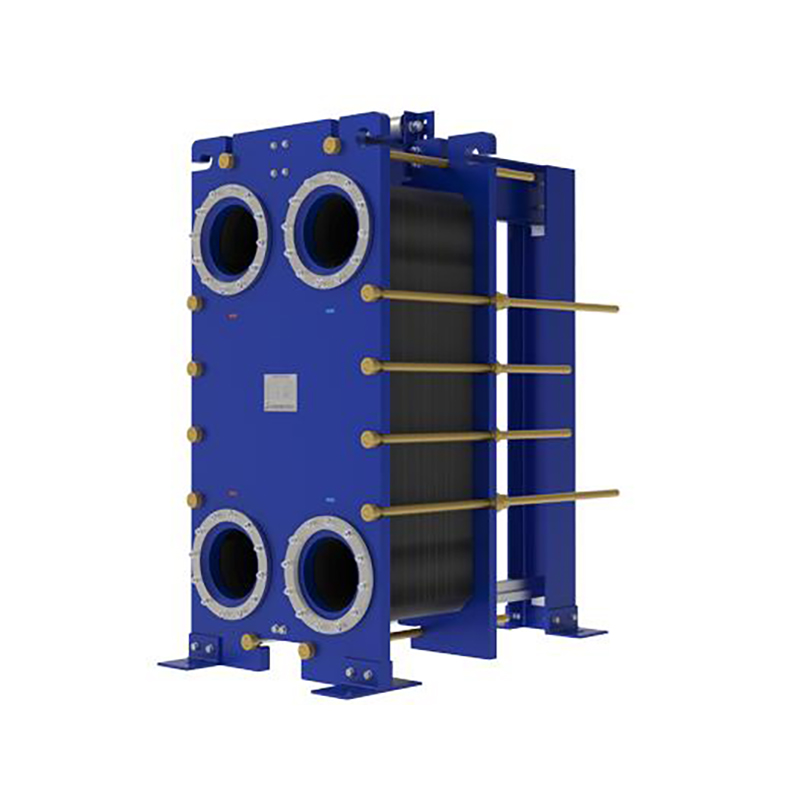
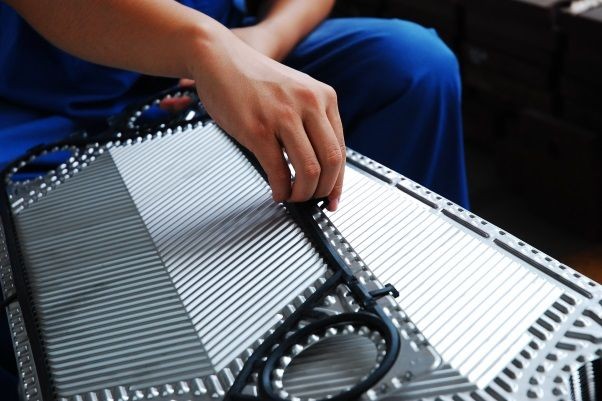
The operation of a dual heat exchanger system is a precise, two-stage energy recovery process. In the first stage, the primary heat exchanger functions like a conventional unit. Combustion occurs in the burner assembly, generating intense heat and producing hot flue gases. These gases, which contain water vapor and other byproducts, are forced through the serpentine chambers or tubes of the primary heat exchanger. A cooler fluid (water in a boiler or air in a furnace) circulates around these hot passages, absorbing thermal energy through conduction. This initial transfer significantly raises the temperature of the circulating fluid while cooling the flue gases. Instead of being vented immediately, these cooled gases are then directed into the secondary heat exchanger. This second stage is designed with a large surface area, often using finned-tube or plate-type designs, to maximize contact with the cooler gases. As the gases pass through, their temperature drops below its dew point (typically around 130°F or 55°C), causing the water vapor to condense into liquid. This phase change from vapor to liquid releases a substantial amount of latent heat, which is absorbed by the secondary heat exchanger and transferred to the circulating fluid. This process extracts the final portion of usable energy, resulting in exhaust temperatures that are often cool enough to be vented through a side wall using PVC piping. The acidic condensate produced is then safely drained away from the system.
 English EN
 中国 CN
中国 CN
 French FR
 German DE
 Portuguese PT
 Spanish ES
 Russian RU
 Japanese JA
 Korean KO
 Arabic AR
 Turkish TR
 Italian IT







User Comments
Service Experience Sharing from Real Customers
Michael Johnson
HVAC TechnicianThe dual heat exchanger system is incredibly efficient. The primary unit handles the initial heat transfer beautifully, while the secondary captures residual heat that would otherwise be wasted. Our commercial building's energy costs have dropped noticeably since installation. The build quality is outstanding.
Sarah Chen
Plant EngineerAs a plant engineer, I'm thoroughly impressed. The primary heat exchanger handles our high-temperature processes, and the secondary unit recovers heat for pre-heating incoming water. This setup has drastically improved our overall thermal efficiency and reduced our environmental footprint. A fantastic sustainable solution.
David Rodriguez
Maintenance SupervisorExcellent performance from both heat exchangers. The primary is robust and handles the main load, while the secondary maximizes efficiency. Installation was straightforward. We've seen a great improvement in our system's recovery time. A solid investment for any district heating system.
Emily Watkins
Facility ManagerThis dual heat exchanger system has revolutionized our heating process. The primary exchanger is powerful, and the secondary ensures we waste virtually no heat. It's incredibly reliable and has required zero maintenance beyond routine checks. Highly recommended for large-scale hospitality venues like ours.