Parallel Counter Flow Heat Exchanger: High-Efficiency Thermal Transfer Solution
What is a parallel counter flow heat exchanger?
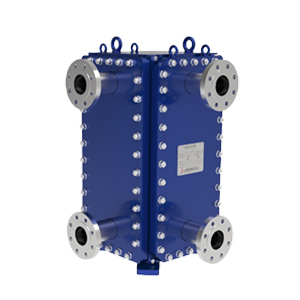
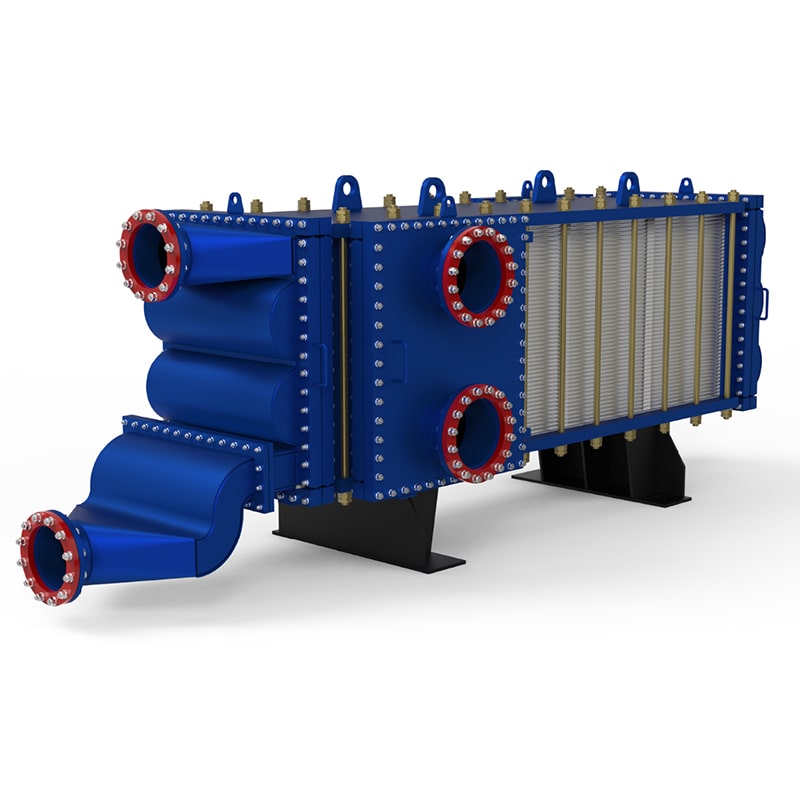
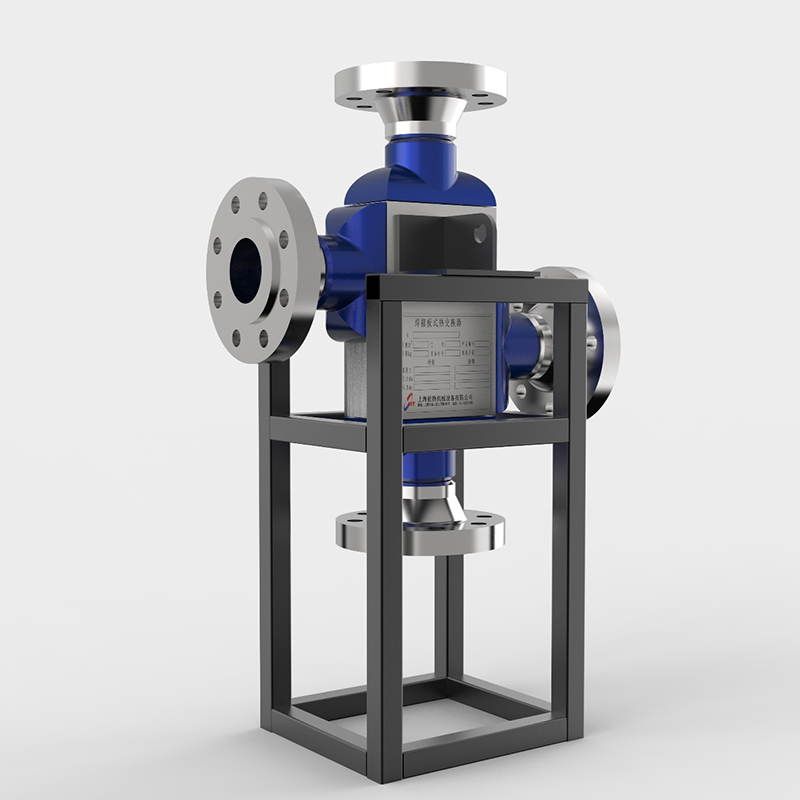
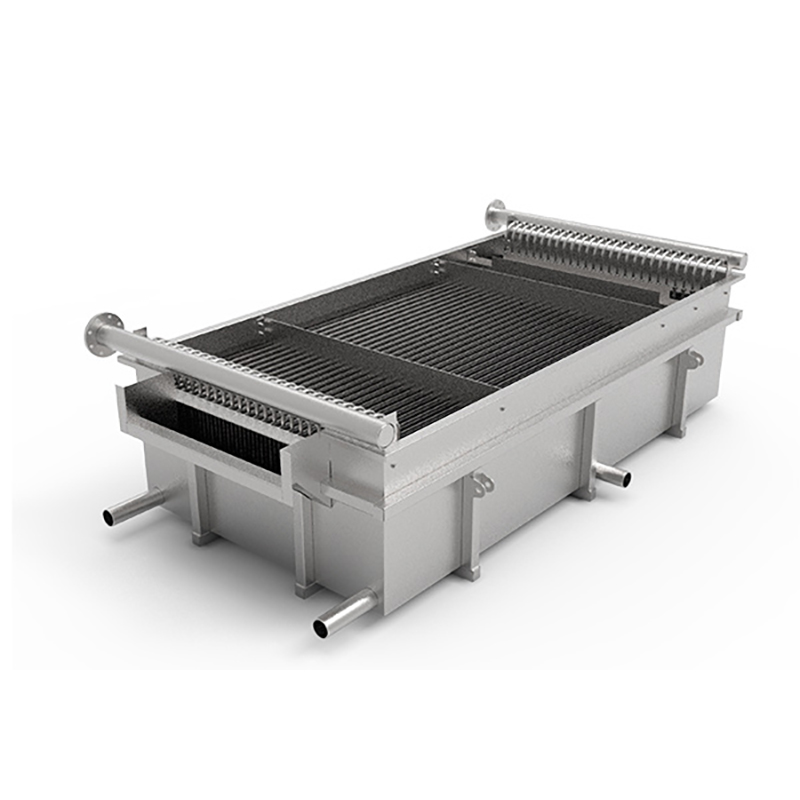
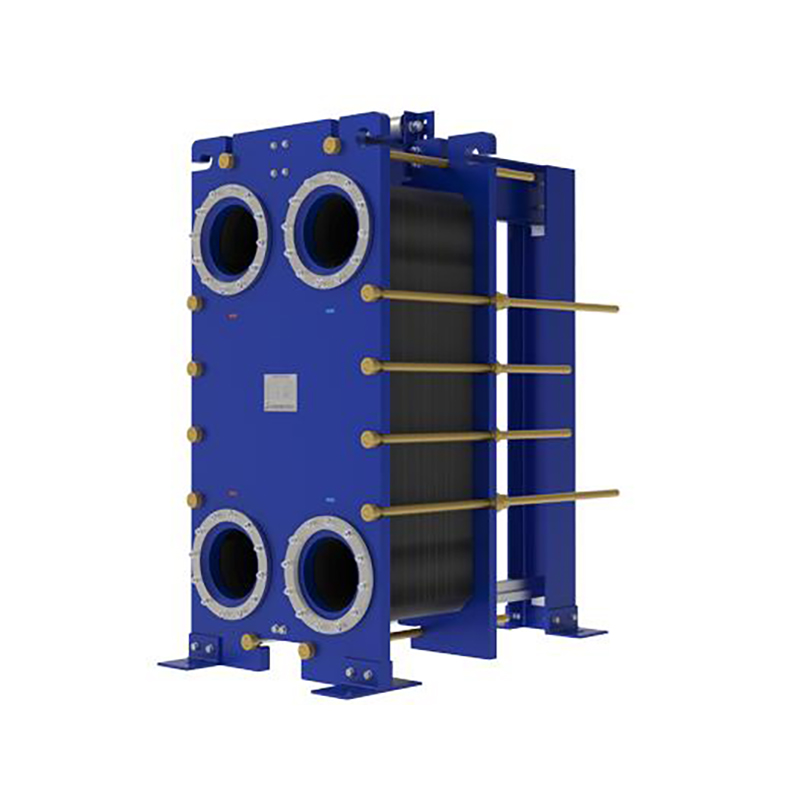
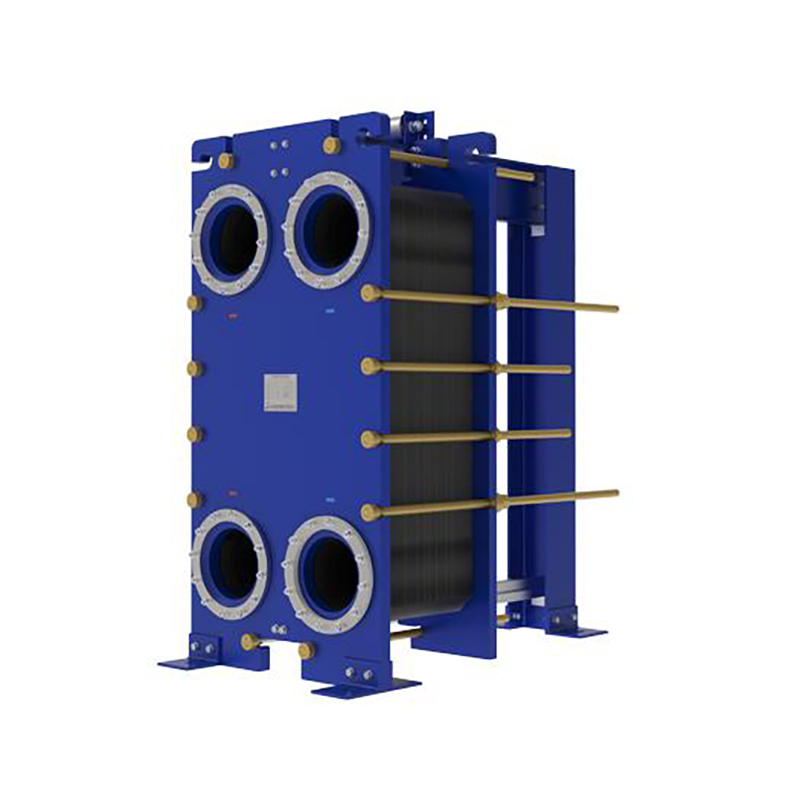
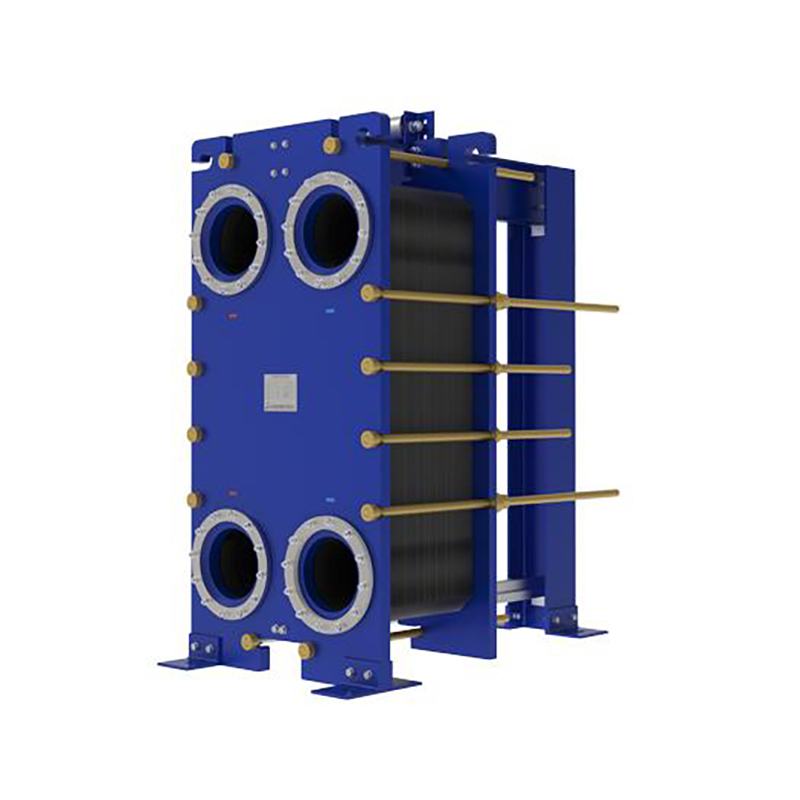
A parallel counter flow heat exchanger is a highly efficient thermal transfer device designed to maximize heat exchange between two fluids moving in opposite directions. This configuration ensures optimal temperature differentials across the entire length of the exchanger, resulting in superior performance compared to co-flow or cross-flow designs. Commonly used in industries such as HVAC, chemical processing, power generation, and refrigeration, these exchangers are favored for their ability to achieve near-ideal heat recovery rates. The design minimizes thermal stress and energy loss, making it a cost-effective solution for applications requiring precise temperature control. With materials ranging from stainless steel to advanced polymers, parallel counter flow heat exchangers are adaptable to corrosive, high-pressure, or extreme-temperature environments. Their compact and modular designs also allow for easy integration into existing systems, reducing installation costs and downtime.
How does a parallel counter flow heat exchanger work?
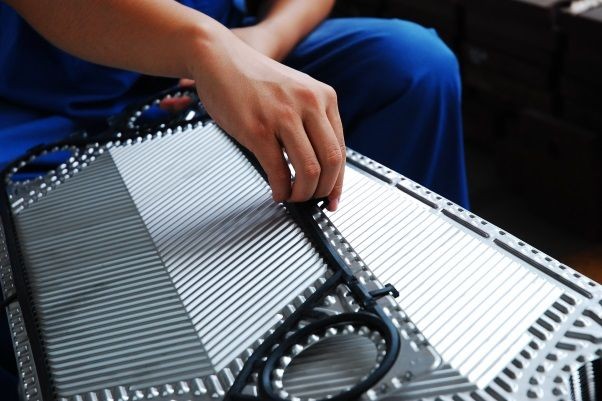
In a parallel counter flow heat exchanger, two fluids flow in opposite directions through adjacent channels, creating a continuous temperature gradient that maximizes heat transfer efficiency. As the hot fluid enters one end, it releases thermal energy to the colder fluid moving in the opposite direction, gradually cooling down. Simultaneously, the cold fluid absorbs heat, increasing in temperature until it exits near the hot fluid's inlet. This counter-current flow ensures a consistent logarithmic mean temperature difference (LMTD), which is significantly higher than in co-flow systems, leading to efficiencies exceeding 90% in some industrial applications. Computational fluid dynamics (CFD) simulations and real-world testing confirm that this design reduces entropy generation, minimizing energy waste. For example, in district heating systems, counter flow exchangers achieve up to 15% higher efficiency than alternatives, translating to substantial cost savings. Advanced models incorporate turbulators or finned surfaces to further enhance turbulence and heat transfer coefficients, catering to high-demand scenarios like aerospace or oil refining.
 English EN
 中国 CN
中国 CN
 French FR
 German DE
 Portuguese PT
 Spanish ES
 Russian RU
 Japanese JA
 Korean KO
 Arabic AR
 Turkish TR
 Italian IT









User Comments
Service Experience Sharing from Real Customers
John Smith
Mechanical EngineerThe parallel counter flow heat exchanger is incredibly efficient and has significantly improved our system's thermal performance. Highly recommended!
Emily Johnson
HVAC TechnicianThis heat exchanger works great for our HVAC applications. The parallel counter flow design ensures optimal heat transfer with minimal energy loss.
David Lee
Process EngineerOutstanding product! The parallel counter flow configuration maximizes heat recovery in our industrial processes, saving us both time and costs.
Sarah Williams
Energy ConsultantA reliable and well-designed heat exchanger. The parallel counter flow setup is perfect for energy-efficient systems, and installation was straightforward.