Countercurrent and Cocurrent Heat Exchangers: Maximizing Thermal Efficiency in Industrial Applications
What is Countercurrent and Cocurrent Heat Exchanger
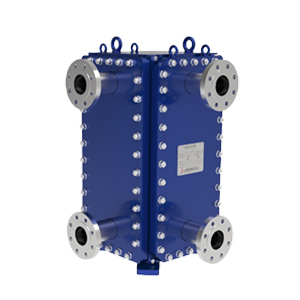
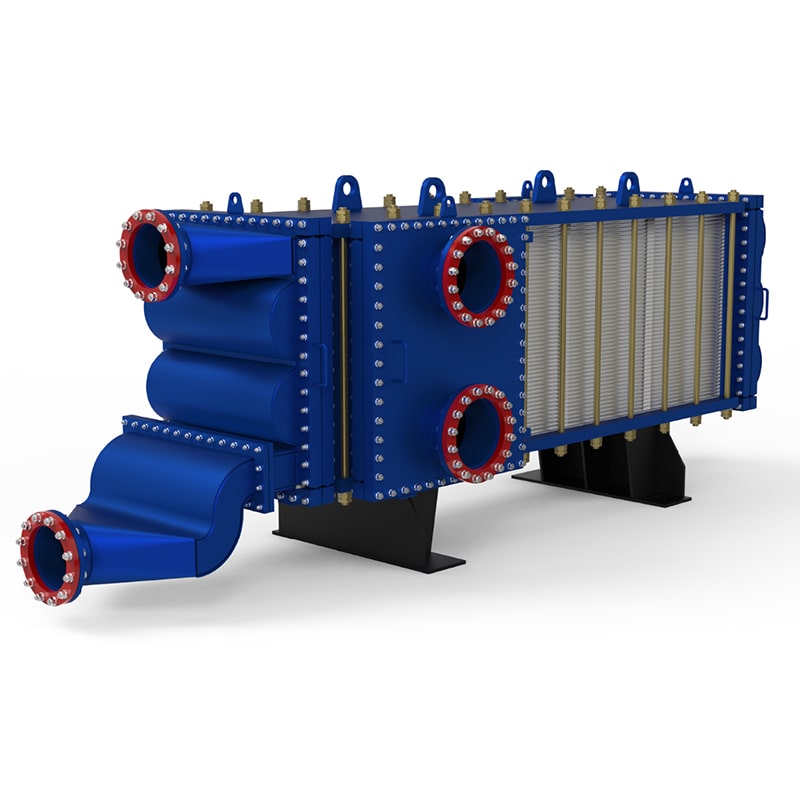
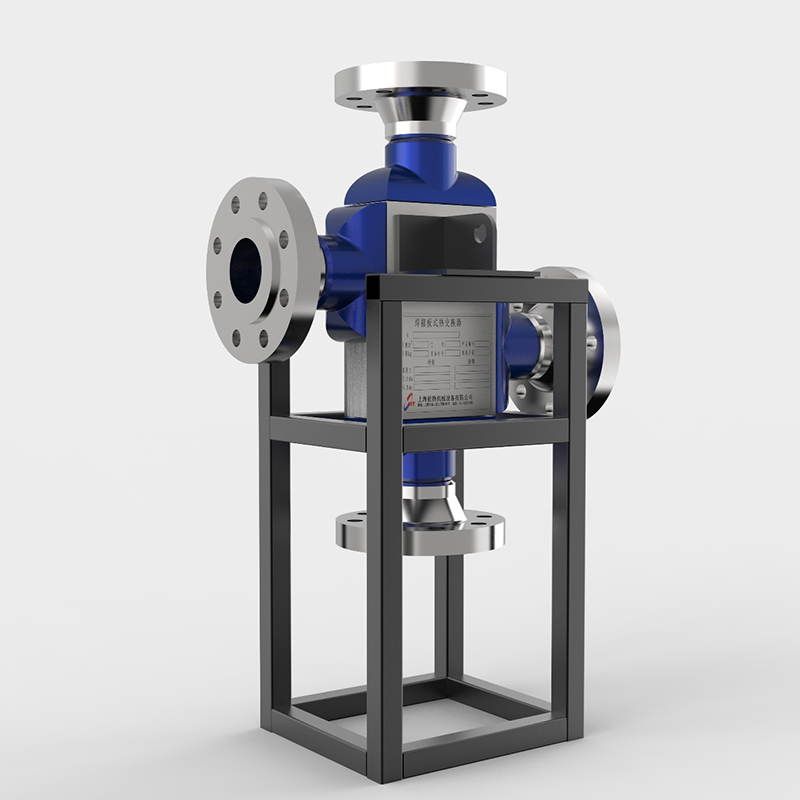
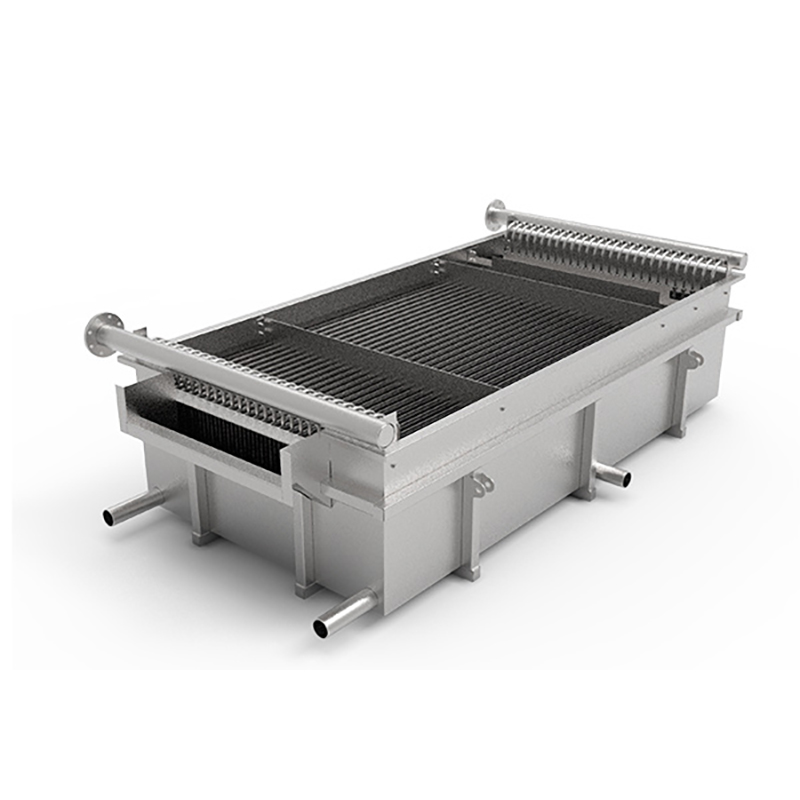
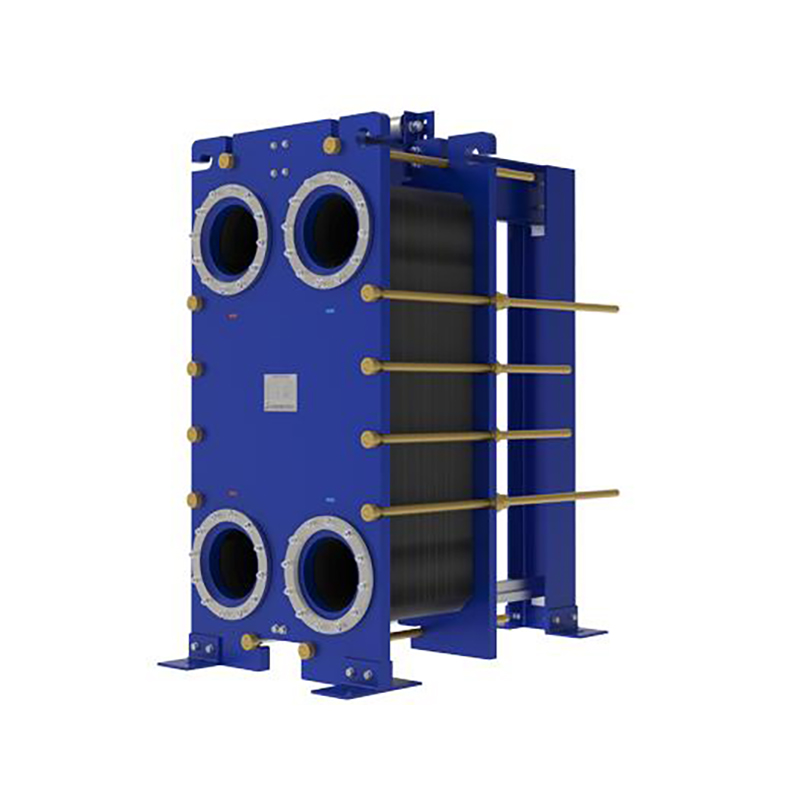
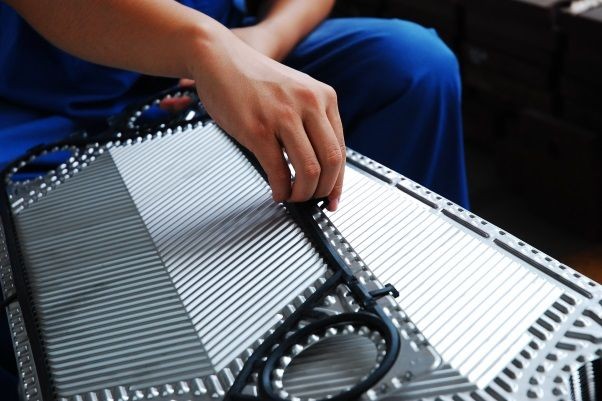
Countercurrent and cocurrent heat exchangers are fundamental types of heat exchange systems used across industries to transfer thermal energy between fluids. In a cocurrent (parallel-flow) configuration, both fluids flow in the same direction, leading to a gradual reduction in the temperature difference along the length of the exchanger. This design often results in a lower overall heat transfer efficiency compared to countercurrent systems. According to engineering data, cocurrent exchangers typically achieve a maximum temperature cross limitation, where the outlet temperature of the colder fluid cannot exceed the outlet temperature of the hotter fluid. In contrast, countercurrent heat exchangers feature fluids flowing in opposite directions. This arrangement maintains a more consistent and steeper temperature gradient across the entire length, significantly enhancing thermal efficiency. Industrial applications show that countercurrent designs can achieve approach temperatures as low as 1-5°C, meaning the cold fluid can be heated to a temperature very close to the inlet temperature of the hot fluid, a feat not possible in parallel flow. These systems are critical in processes requiring precise temperature control, such as in chemical reactors, petroleum refining, power plants, and HVAC systems, where energy savings and operational efficiency are paramount. The choice between these designs directly impacts capital costs, energy consumption, and process effectiveness, making understanding their differences essential for engineers and procurement specialists.
How Countercurrent and Cocurrent Heat Exchanger Work
The operational principles of cocurrent and countercurrent heat exchangers define their performance and application suitability. In a cocurrent exchanger, both the hot and cold fluids enter at the same end and flow parallel to each other. Initially, the temperature difference is at its maximum, leading to a high rate of heat transfer. However, this difference decreases rapidly along the flow path. For example, if a hot fluid enters at 90°C and a cold fluid at 20°C, the temperatures will converge toward an equilibrium point, but the cold fluid outlet will always be cooler than the hot fluid outlet. Real-world data indicates that the efficiency for heat transfer in such systems often caps around 50-60% for many standard applications. Conversely, in a countercurrent exchanger, the fluids enter from opposite ends. The hot fluid cools down while the cold fluid warms up, but the temperature difference remains relatively constant and higher on average across the unit. This allows the cold fluid to exit at a temperature potentially higher than the exit temperature of the hot fluid in a cocurrent system. Practical measurements in industrial settings, such as in shell and tube heat exchangers, demonstrate that countercurrent flow can achieve thermal efficiencies exceeding 90%. This is why they are preferred for duties requiring close temperature approaches, like in regenerative heating, economizers, or cryogenic processes. The logarithmic mean temperature difference (LMTD) for countercurrent flow is always greater than for cocurrent flow under the same inlet and outlet conditions, mathematically confirming its superior performance. This efficiency translates directly into smaller required heat transfer areas for the same duty, reducing material and operational costs.
 English EN
 中国 CN
中国 CN
 French FR
 German DE
 Portuguese PT
 Spanish ES
 Russian RU
 Japanese JA
 Korean KO
 Arabic AR
 Turkish TR
 Italian IT









User Comments
Service Experience Sharing from Real Customers
David Chen
Process EngineerThe countercurrent heat exchanger's efficiency is outstanding. The logarithmic mean temperature difference (LMTD) is maximized perfectly, leading to significant energy savings for our process. A top-tier piece of equipment.
Sarah Wilkinson
Plant ManagerWe installed several cocurrent units for a specific heating stage. Their simplicity and lower cost were deciding factors, and they perform exactly as required for our application with no risk of thermal shock. Very reliable.
Michael Rodriguez
HVAC Design SpecialistThis countercurrent heat exchanger is the core of our new waste heat recovery system. The thermal transfer is incredibly efficient, allowing us to meet our sustainability targets. The build quality is also exceptional.
Emily Foster
Research ScientistPerfect for our lab's pilot plant. We needed a compact cocurrent heat exchanger for a precise, controlled reaction where maintaining a minimal temperature difference was critical. It works flawlessly for this purpose.