High Pressure Plate and Frame Heat Exchanger: Superior Thermal Efficiency for Demanding Industrial Applications
What is a High Pressure Plate and Frame Heat Exchanger?
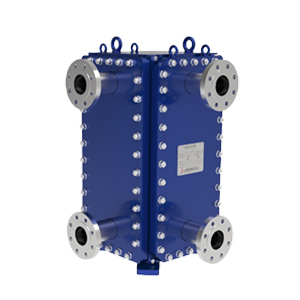
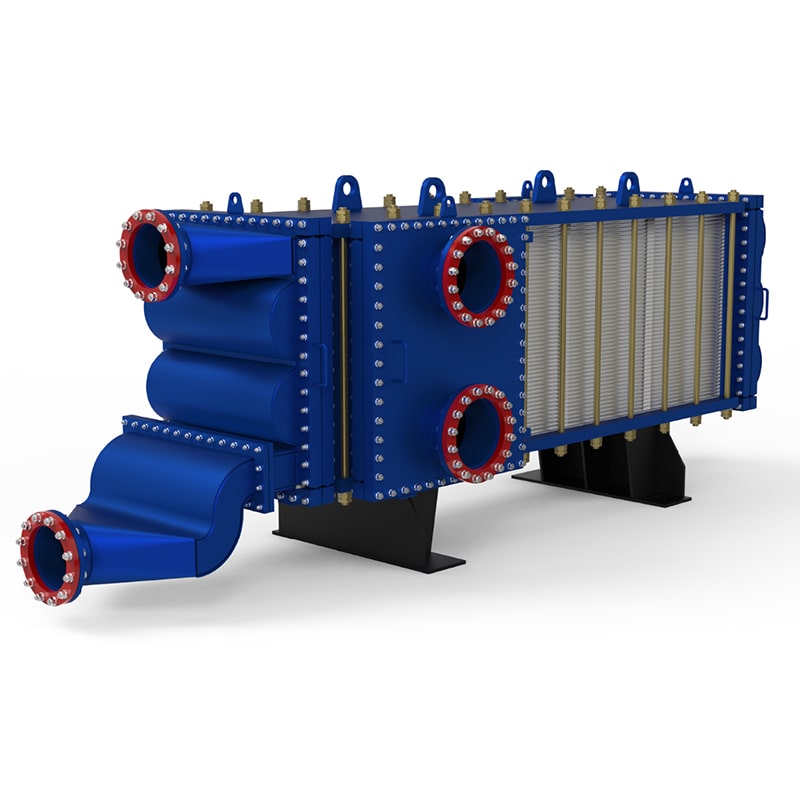
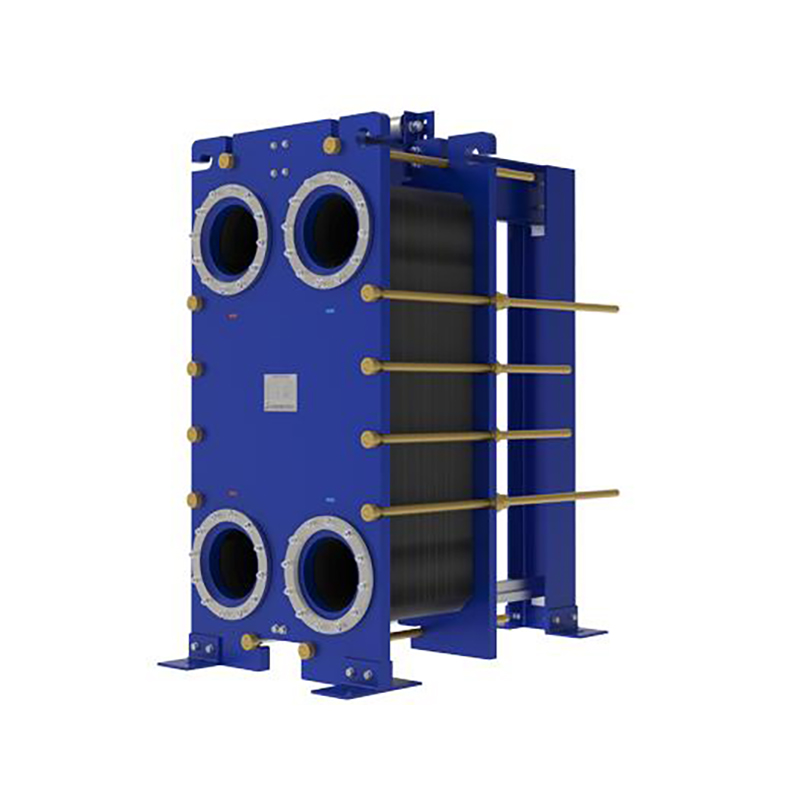
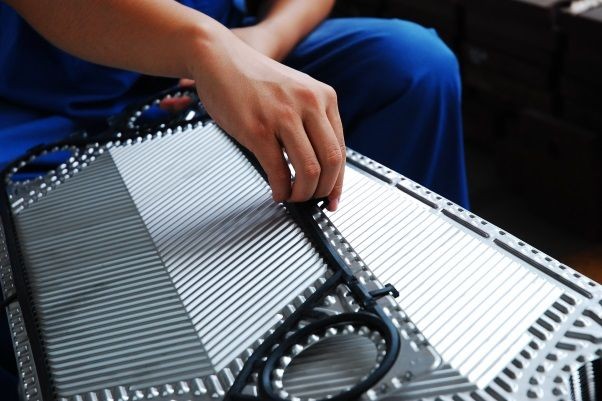
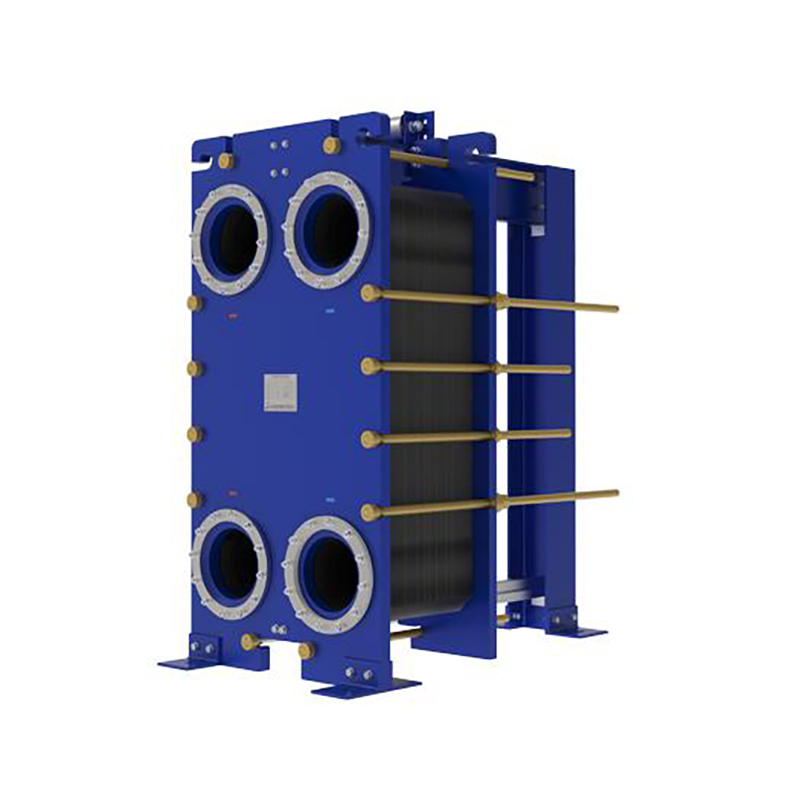
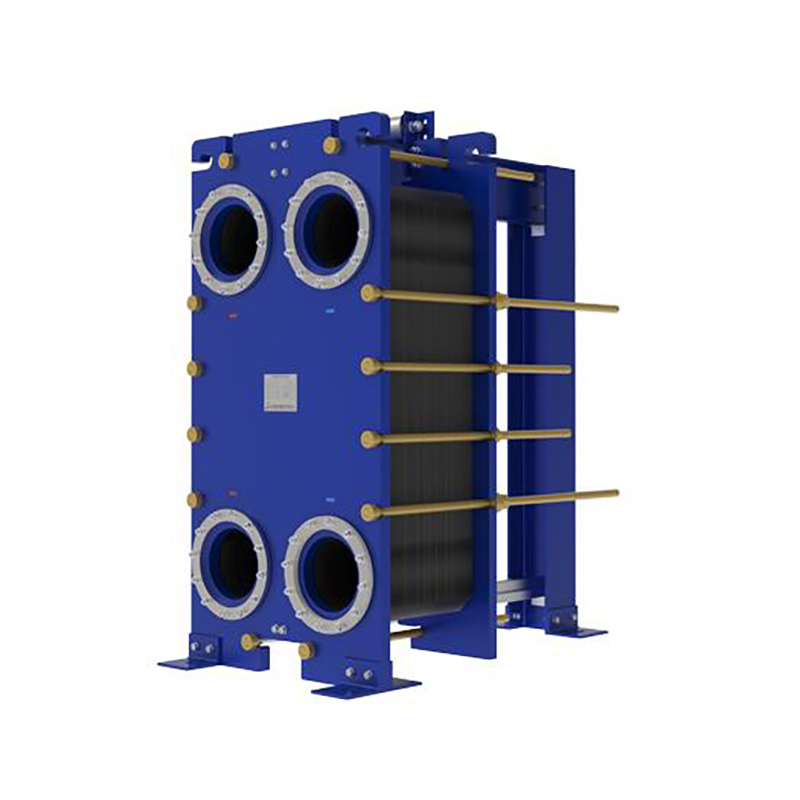
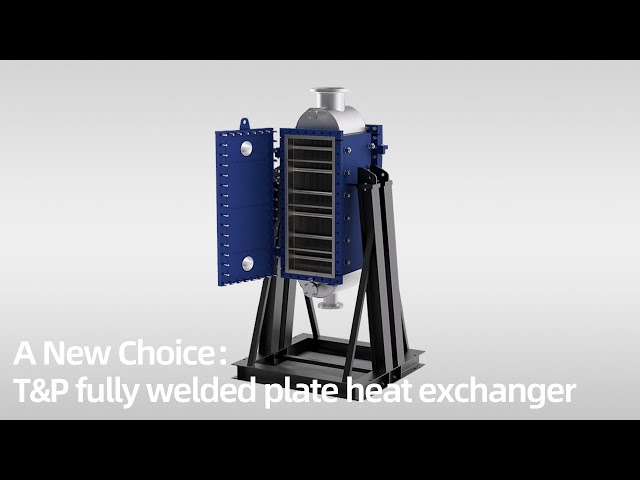
A high-pressure plate and frame heat exchanger is a specialized type of compact heat transfer equipment engineered to operate under extreme pressure conditions, typically ranging from 25 to 63 bar (360 to 915 psi), with some specialized gasket designs even allowing for pressures up to 85 bar. Unlike standard plate heat exchangers, these robust systems are constructed with a series of corrugated metal plates compressed within a rigid frame, sealed with high-performance gaskets specifically formulated to withstand intense mechanical stress and thermal cycling. The plates, often made from stainless steel (AISI 316/316L), titanium, or high-grade nickel alloys, feature a unique pattern that induces severe turbulence in the fluid flow. This design is critical for applications in major industries such as oil and gas (for gas compression cooling, amine treating, and glycol dehydration), chemical processing, power generation (in closed-loop cooling systems), and marine engineering (for central cooling and lube oil cooling). The primary distinction from standard models lies in the reinforced frame structure, significantly thicker plate materials, and the use of double or triple-layer gaskets in critical sealing areas. These exchangers are the preferred solution for duties involving high-temperature approaches, viscous fluids, or processes where a large pressure differential exists between the two media, offering a vastly superior performance profile compared to shell and tube exchangers in terms of efficiency, maintenance accessibility, and footprint.
How High Pressure Plate and Frame Heat Exchanger Work
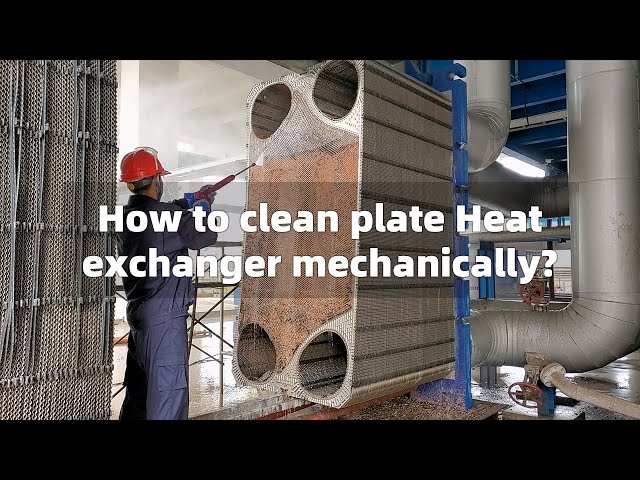
The operational principle of a high-pressure plate and frame heat exchanger hinges on the counter-current flow of two fluids through alternating channels formed between precisely pressed corrugated plates. Each plate is fitted with elastomeric gaskets that not only seal the passages but also direct the fluids into their respective channels, ensuring that the hot and cold mediums remain entirely separate while heat transfer occurs through the thin metal plate between them. The intense turbulence created by the complex corrugations, often including a chevron or herringbone pattern, is the key to its high efficiency. This turbulence drastically reduces the laminar sub-layer, a common barrier to effective heat transfer, resulting in exceptionally high heat transfer coefficients—often three to five times greater than those achievable in a conventional shell and tube exchanger. This allows for a much closer temperature approach, sometimes as tight as 1°C, meaning the cold fluid can be heated to a temperature much nearer to that of the hot fluid, maximizing energy recovery. The entire plate pack is compressed between a fixed frame plate and a movable pressure plate by large diameter tightening bolts, which apply the immense force required to withstand the internal operating pressures. The ability to easily open the stack for visual inspection, cleaning, or capacity modification by simply adding or removing plates is a fundamental operational advantage for maintenance and process flexibility.
 English EN
 中国 CN
中国 CN
 French FR
 German DE
 Portuguese PT
 Spanish ES
 Russian RU
 Japanese JA
 Korean KO
 Arabic AR
 Turkish TR
 Italian IT







User Comments
Service Experience Sharing from Real Customers
Michael Reynolds
Process EngineerThis high pressure plate and frame heat exchanger is an absolute workhorse. We've been running it continuously in our chemical processing line for 6 months at 25 bar, and the performance is flawless. The sealing is impeccable, and the thermal efficiency has significantly reduced our energy costs. Exceptional build quality.
Sarah Chen
Plant ManagerWe replaced our old shell and tube units with this plate and frame model for our high-pressure pasteurization process. The compact design saved us valuable floor space, and the ability to handle pressures up to 30 bar while maintaining precise temperature control is impressive. Maintenance and cleaning are also much simpler. A fantastic investment.
David Rodriguez
Maintenance SupervisorExtremely robust construction. It handles the high-pressure swings in our district heating system without any issues. The plates are well-made and the frame is very sturdy. We've had zero leaks. Took off one star because the initial installation instructions could have been a bit clearer, but the performance itself is top-notch.
Jennifer Williams
Lead R&D TechnicianWe use this in our pilot plant for testing new high-pressure reactions. The flexibility to add or remove plates to adjust the heat transfer area is a huge advantage for R&D. It performs consistently under demanding conditions and the corrosion-resistant plates have held up perfectly against our aggressive media. Highly recommended for any research facility.