Plate Heat Exchanger Counter Flow: High-Efficiency Thermal Transfer Solution
What is Plate Heat Exchanger Counter Flow
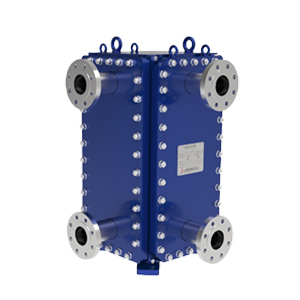
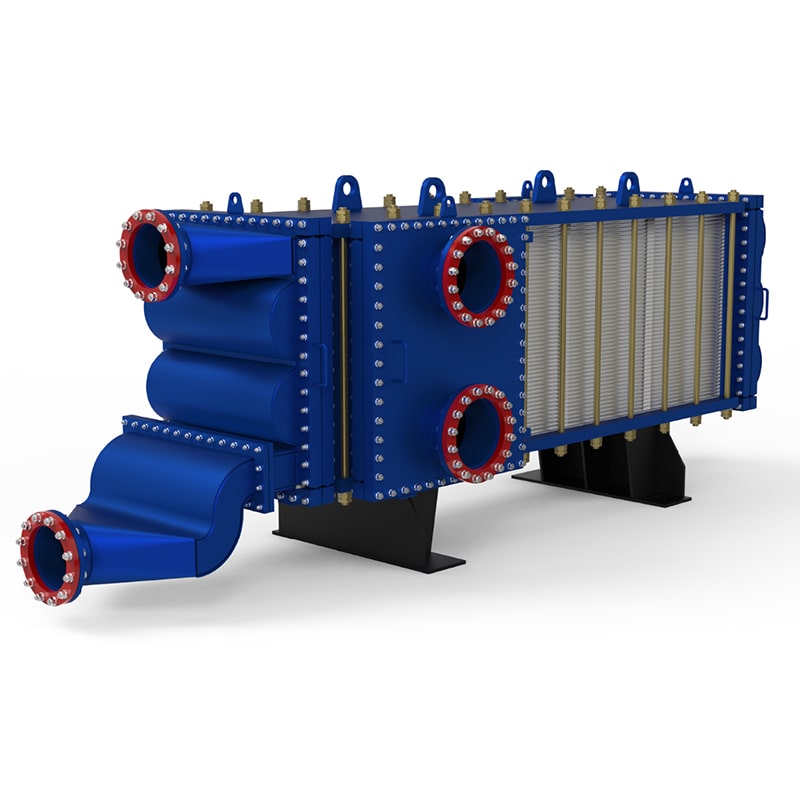
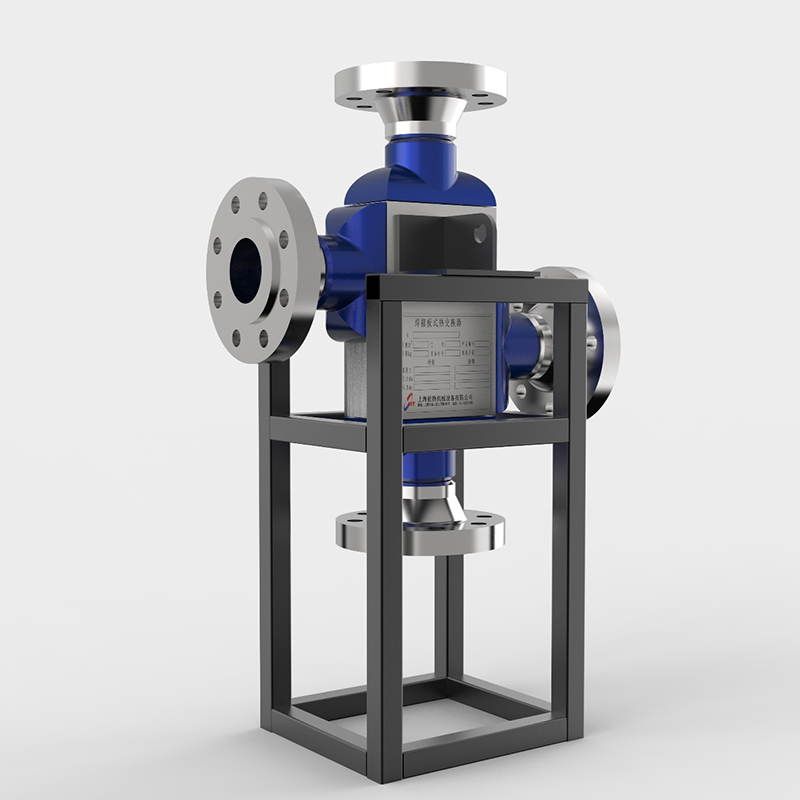
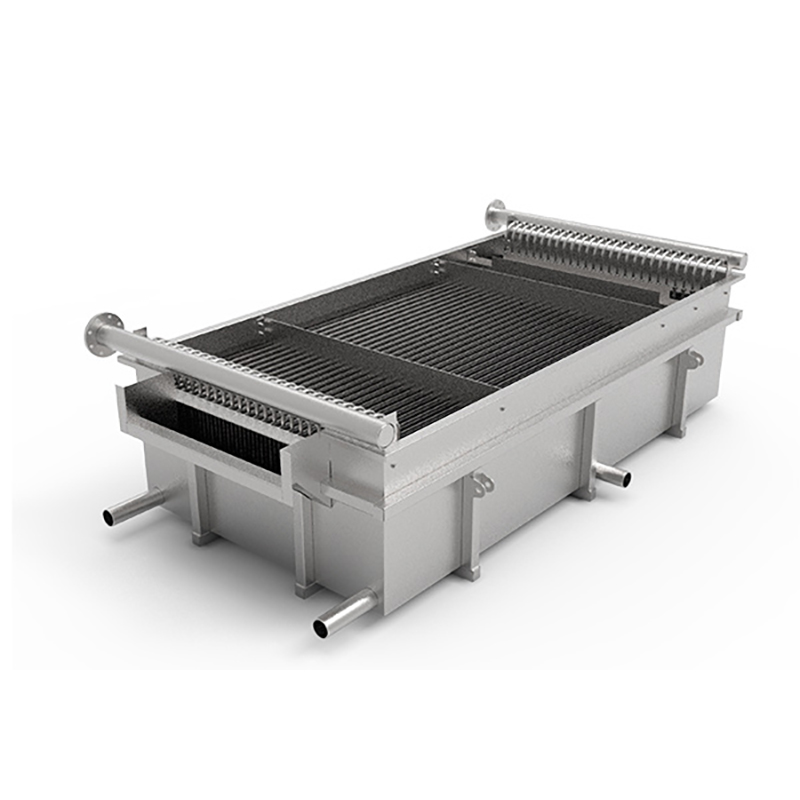
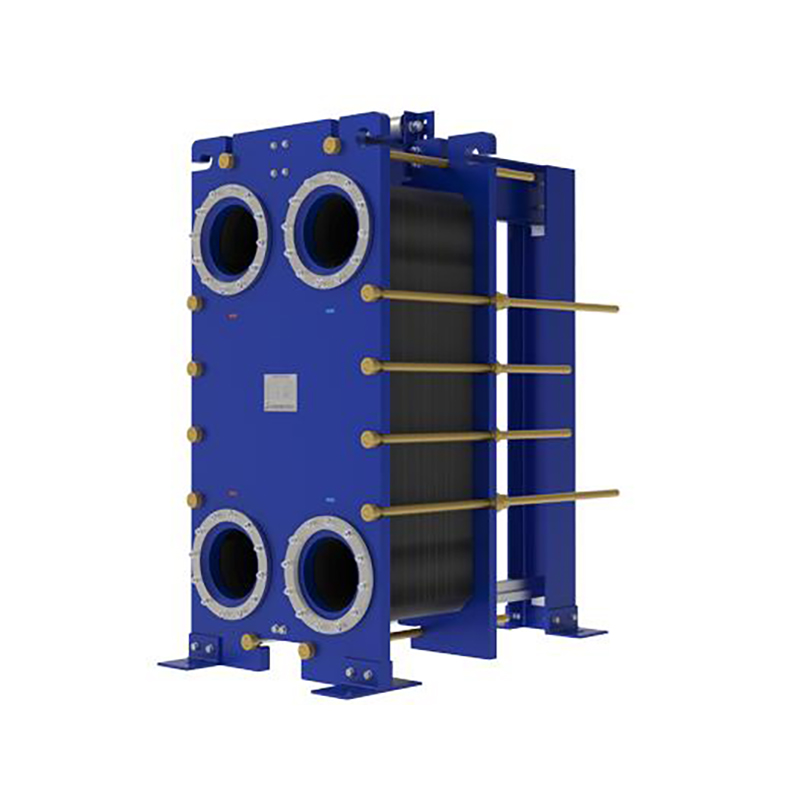
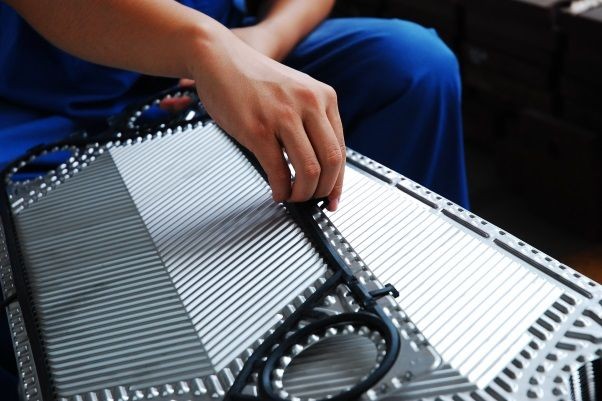
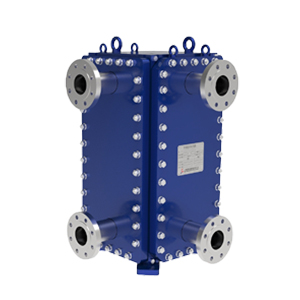
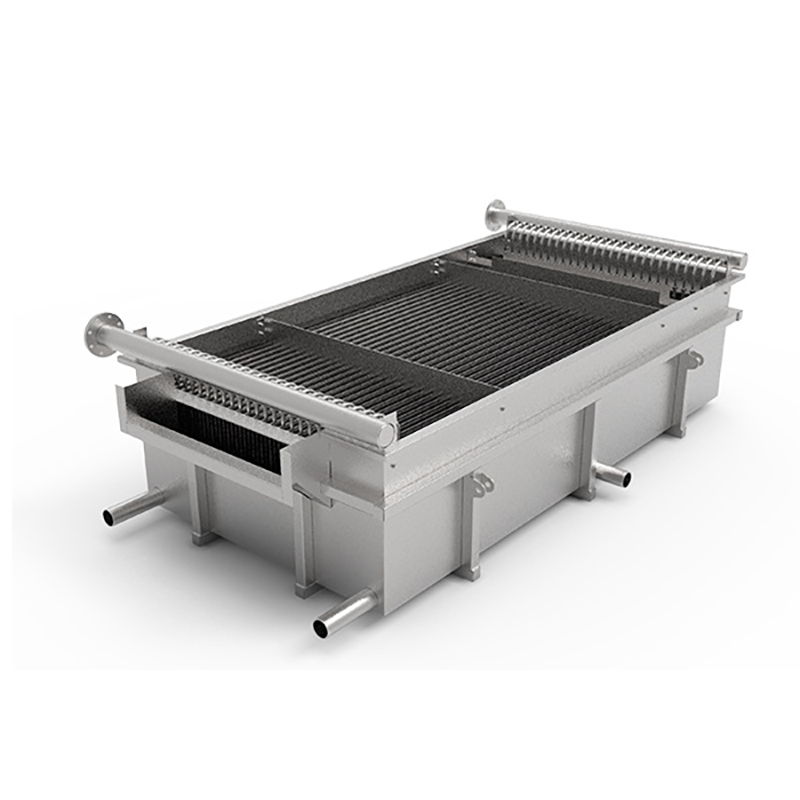
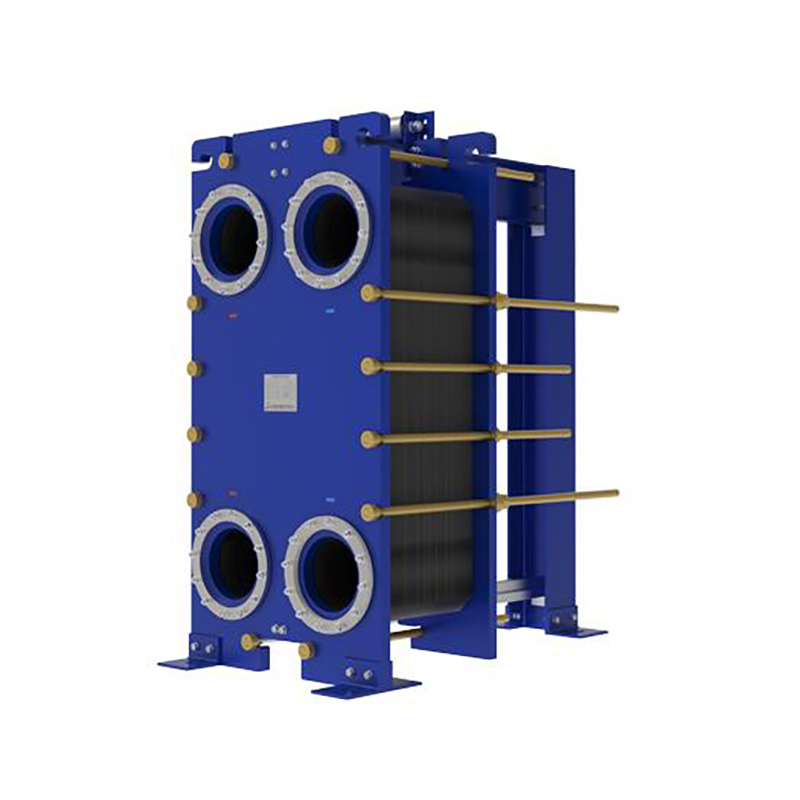
A plate heat exchanger counter flow is a highly efficient thermal transfer device designed to optimize heat exchange between two fluids moving in opposite directions. Unlike parallel-flow configurations, counter-flow arrangements maximize temperature differentials across the entire system, ensuring superior energy recovery and minimal thermal loss. These exchangers consist of corrugated metal plates stacked together, creating alternating channels for hot and cold fluids. Widely used in industries like HVAC, chemical processing, and food production, they offer compact designs, scalability, and exceptional heat transfer coefficients—often exceeding 3,000–7,000 W/m²K. Their modularity allows easy maintenance and capacity adjustments, making them a preferred choice for applications demanding precise temperature control and energy efficiency.
How Plate Heat Exchanger Counter Flow Work
In a counter-flow plate heat exchanger, hot and cold fluids enter from opposite ends, flowing through alternating channels separated by thin, thermally conductive plates. The counter-current movement maintains a consistent temperature gradient along the entire length of the exchanger, enabling near-optimal heat transfer. For example, in a typical industrial setup, the hot fluid might enter at 90°C and exit at 40°C, while the cold fluid starts at 20°C and reaches 70°C—achieving up to 90% thermal efficiency. The corrugated plate design induces turbulent flow, enhancing heat transfer rates while minimizing fouling. Advanced gasket or brazed designs ensure leak-proof operation under high pressures (up to 25 bar) and temperatures (up to 200°C). Real-world data from HVAC systems show energy savings of 15–30% compared to shell-and-tube exchangers, with 50% smaller footprints.
 English EN
 中国 CN
中国 CN
 French FR
 German DE
 Portuguese PT
 Spanish ES
 Russian RU
 Japanese JA
 Korean KO
 Arabic AR
 Turkish TR
 Italian IT









User Comments
Service Experience Sharing from Real Customers
John Smith
Mechanical EngineerThe plate heat exchanger in counter flow configuration is incredibly efficient. It has significantly improved our heat transfer processes with minimal energy loss.
Emily Johnson
Process TechnicianGreat performance and compact design. The counter flow setup ensures optimal thermal efficiency for our industrial applications.
Robert Davis
HVAC SpecialistThis plate heat exchanger is a game-changer for our HVAC systems. The counter flow design maximizes heat recovery and reduces operational costs.
Sarah Wilson
Energy ConsultantHighly recommend this plate heat exchanger for energy-efficient projects. The counter flow arrangement ensures superior heat exchange performance.