
 English EN
 中国 CN
中国 CN
 French FR
 German DE
 Portuguese PT
 Spanish ES
 Russian RU
 Japanese JA
 Korean KO
 Arabic AR
 Turkish TR
 Italian IT
A Detailed Comparison of Microchannel and Fin-and-Tube Heat Exchangers
A Detailed Comparison of Microchannel and Fin-and-Tube Heat Exchangers
Choosing between a microchannel heat exchanger and a fin-tube design depends on the specific needs of each application. Microchannel heat exchangers deliver higher heat transfer efficiency, quicker heating, and better water drainage, especially in hvac systems. These units also perform well under high inlet air velocities and show no loss in performance from frost. Fin-tube heat exchangers offer traditional reliability but may not match the advantages of microchannel heat exchangers in efficiency and speed. For industries facing extreme demands, Shanghai Plate Heat Exchanger provides advanced solutions like the Printed Circuit Heat Exchanger, which combines compact design with outstanding durability.
Key Differences: Microchannel Heat Exchanger vs Fin-Tube
Microchannel Heat Exchanger Overview
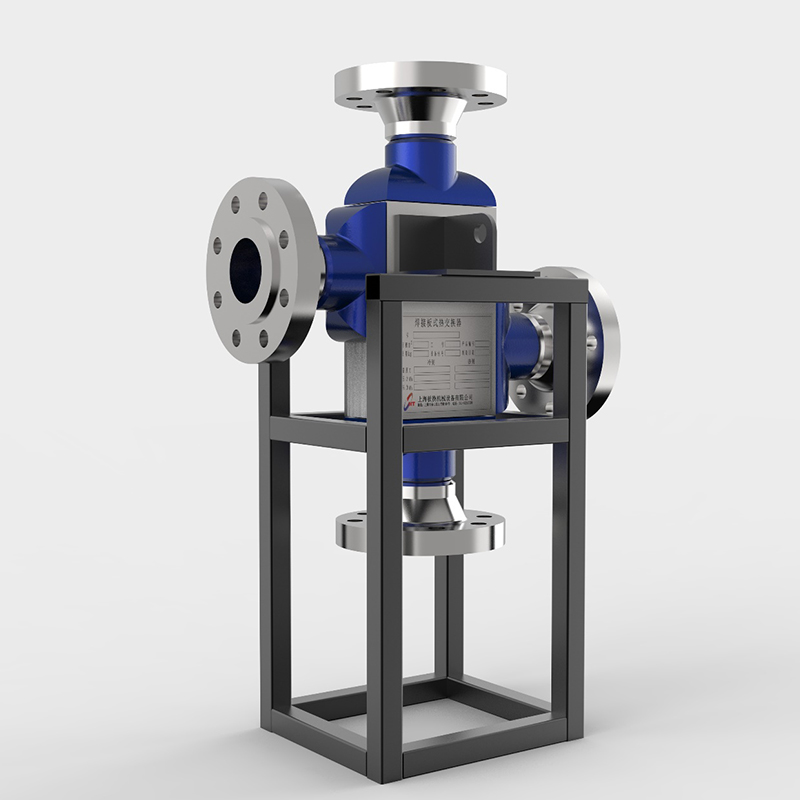
Microchannel coils represent a modern approach to heat exchange. Engineers design these coils with flat aluminum tubes containing multiple small channels, called microchannels, that allow fluids to flow efficiently. The compact design of microchannel coils reduces weight and material use, making them ideal for applications where space and efficiency matter. These coils achieve outstanding heat transfer by maximizing the surface area in contact with the fluid. The small hydraulic diameter of each channel, often less than 1mm, increases the heat transfer ratio and lowers the amount of refrigerant needed.
Manufacturers often choose microchannel coils for air conditioning and refrigeration systems that demand high energy efficiency. The design supports lower air pressure drops, which means fans use less power and systems operate more quietly. Microchannel coils also meet strict environmental standards, as they can use eco-friendly refrigerants like CO2 and are easier to recycle at the end of their service life.
Note: Shanghai Plate Heat Exchanger (SHPHE) offers advanced solutions such as the Printed Circuit Heat Exchanger (PCHE). The PCHE uses a microchannel design to deliver even higher performance and durability, especially in demanding industrial environments.
The table below highlights the main features of microchannel coils:
Feature | Description |
|---|---|
Design | Flat aluminum tubes with multiple microchannels and louvered fins |
Weight and Size | Lower weight and more compact than traditional tube-fin heat exchangers |
Heat Transfer | Enhanced by increased surface area and small channel size |
Refrigerant Inventory | Requires less refrigerant for operation |
Energy Efficiency | Meets high standards, reduces operating costs |
Environmental Friendliness | Supports eco-friendly refrigerants and recycling |
Fin-Tube Heat Exchanger Overview
Fin-tube heat exchangers, also known as tube-fin heat exchangers, have served as the backbone of HVAC and industrial cooling systems for decades. These exchangers use round tubes, usually made from copper, carbon steel, or stainless steel, arranged in rows. Fins, often aluminum or copper, are attached to the tubes to increase the surface area for heat transfer. This design allows tube-fin heat exchangers to handle large volumes of air and fluid, making them suitable for heavy-duty applications.
Tube and fin coils operate by passing one fluid through the tubes while another fluid, usually air, flows over the fins. The fins help transfer heat between the fluids efficiently. Tube and fin coils can use different fin shapes, such as plain or wavy, to improve performance in specific situations. The robust construction of tube-fin heat exchangers makes them reliable in harsh environments and large-scale industrial processes.
The table below compares the structural and operational differences between microchannel coils and tube-fin heat exchangers:
Feature | Microchannel Heat Exchangers | Fin-Tube Heat Exchangers |
|---|---|---|
Design | Compact, flat tubes with microchannels and louvered fins | Traditional round tubes with attached fins |
Material Usage | Less material due to efficient design | More material required for construction |
Performance Characteristics | Higher performance per unit weight | Standard performance |
Refrigerant Inventory | Lower refrigerant inventory | Higher refrigerant inventory |
Air Pressure Drop | Lower, improves energy efficiency | Higher, requires more fan power |
Application Suitability | Ideal for compact, modern systems | Robust for large industrial uses |
Tube-fin heat exchangers remain popular for their versatility and proven track record. Tube and fin coils can be customized with different materials and fin types to suit a wide range of applications, from commercial air conditioning to industrial heat recovery.
Tip: For industries that require even greater performance, compactness, and durability, SHPHE’s Printed Circuit Heat Exchanger (PCHE) stands out as a leading solution. The PCHE leverages microchannel technology to deliver exceptional results in high-pressure and high-temperature environments.
Performance Differences and Efficiency
Heat Transfer Efficiency
Heat transfer efficiency stands as one of the key differences between microchannel coils and tube-fin heat exchangers. Microchannel coils use flat tubes with many small channels, which increases the surface area for heat exchange. This design allows for better thermal contact between the refrigerant and the air. Tube-fin heat exchangers use round tubes and attached fins, which also transfer heat well, but they need more space to reach the same level of performance.
The table below compares the heat transfer capabilities of both designs:
Feature | Microchannel Heat Exchangers | Fin-Tube Heat Exchangers |
|---|---|---|
Heat Transfer Efficiency | High due to larger surface area and better thermal contact | Good, but requires more space |
Refrigerant Use | Minimal, suitable for green systems | More refrigerant needed |
Thermal Performance | Exceptional per square inch | Good performance |
Microchannel coils deliver high thermal efficiency, especially in compact systems. Tube-fin heat exchangers provide good performance, but they cannot match the efficiency of microchannel coils in the same footprint. Many engineers choose microchannel coils for applications that require high energy efficiency and space savings.
Tip: Shanghai Plate Heat Exchanger’s Printed Circuit Heat Exchanger (PCHE) uses advanced microchannel technology to achieve even greater heat transfer efficiency in demanding industrial environments.
Refrigerant Volume and Environmental Impact
Microchannel coils use much less refrigerant than tube-fin heat exchangers. The small channels inside microchannel coils allow for efficient heat transfer with a lower refrigerant volume. This design reduces both system costs and the environmental footprint.
Microchannel heat exchangers utilize significantly less refrigerant, which reduces environmental impact and system costs.
Tube-fin heat exchangers require a larger refrigerant volume, which can complicate maintenance.
Microchannel coils can use 30–50% less refrigerant compared to tube-fin designs, enhancing their eco-friendliness and efficiency.
The smaller channels in microchannel coils contribute to increased efficiency and allow for more compact designs compared to tube-fin heat exchangers.
The table below highlights the environmental impact of each design:
Feature | Micro-channel Heat Exchangers | Fin-tube Heat Exchangers |
|---|---|---|
Refrigerant Usage | Reduced | Higher |
Heat Transfer Efficiency | Improved | Standard |
Pressure Drop on Refrigerant Side | Lower | Higher |
Lifecycle Climate Performance | Improved | Standard |
CO2 Emission | Reduced | Higher |
Microchannel coils help companies meet strict environmental standards. They lower CO2 emissions and improve lifecycle climate performance. Tube and fin coils, while reliable, do not offer the same level of environmental benefits.
Airflow and Pressure Drop
Airflow and pressure drop affect the overall energy efficiency of a heat exchanger. Microchannel coils have a lower air pressure drop than tube-fin heat exchangers. This means fans use less energy to move air through the system. Lower pressure drop also leads to quieter operation and less wear on system components.
Tube-fin heat exchangers often require more fan power to achieve the same airflow. The round tubes and dense fin arrangement can create higher resistance to air movement. Tube and fin coils perform well in many situations, but microchannel coils offer better energy efficiency and lower operating costs.
Note: For industries that demand the highest performance and efficiency, SHPHE’s PCHE sets a new standard. Its compact microchannel design ensures minimal pressure drop and maximum heat transfer, making it ideal for advanced industrial applications.
Size and Weight Comparison
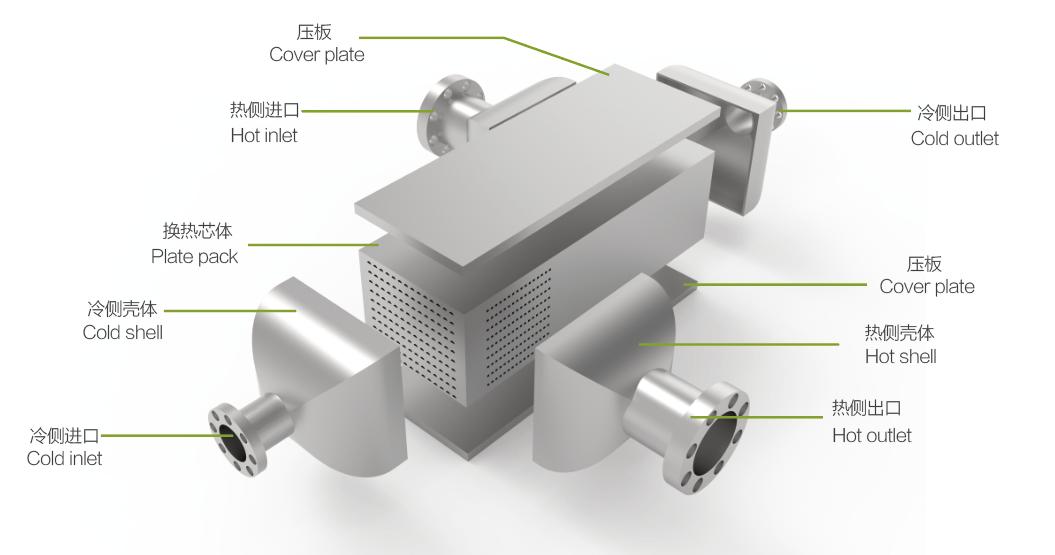
Compactness of Microchannel Heat Exchanger
Microchannel coils have changed the way engineers think about heat exchanger design. These coils use flat tubes with many small channels, which allows for a much smaller and lighter unit. Many HVAC systems now use microchannel coils because they fit into tight spaces and reduce the overall weight of the equipment.
Microchannel heat exchanger technology can reduce weight and volume by 50% to 80% compared to traditional tube-fin heat exchangers.
The volume of microchannel coils can be up to 45% less, and fan power requirements can drop by as much as 51%.
This compactness does not sacrifice performance. Microchannel coils maintain high efficiency even as their size decreases. Many manufacturers choose these coils for rooftop units, automotive air conditioning, and other applications where space and weight matter.
Shanghai Plate Heat Exchanger (SHPHE) sets a new standard with its Printed Circuit Heat Exchanger (PCHE). The PCHE uses a microchannel design to achieve even greater compactness and efficiency. The table below shows how PCHE compares to traditional heat exchangers:
Metric | PCHE Value | Industry Benchmark |
|---|---|---|
Surface Area Density | Exceeds 2500 m²/m³ | Traditional Heat Exchangers |
Mass per Thermal Load | As low as 80 kg·MW−1 | Higher for traditional types |
Applicable Temperature/Pressure | >800 °C, >60 MPa | Lower than PCHEs |
Space Requirements for Fin-Tube
Tube-fin heat exchangers have served as the standard for many years. These units use round tubes and attached fins, which increases the size and weight of the system. Tube and fin coils often require more installation space and stronger support structures.
Tube-fin heat exchangers can be bulky, especially in large industrial systems. The extra material needed for the tubes and fins adds to the weight. Tube and fin coils also need more refrigerant, which increases the overall footprint of the system.
Microchannel coils offer a clear advantage in compactness and weight. They allow engineers to design smaller, lighter, and more efficient systems. For industries that need the highest level of compactness and performance, SHPHE’s PCHE stands out as a top choice.
Durability and Reliability
Corrosion Resistance of Microchannel Coils
Microchannel coils have become popular for their high performance and compact size, but their durability and reliability depend on the operating environment. In coastal or high-humidity areas, corrosion can become a concern. Salt-laden air, ammonia, sulfur dioxide, and cleaning chemicals can attack the aluminum surfaces of microchannel coils. Frequent wet-dry cycles and airborne contaminants can also speed up corrosion.
Manufacturers use several methods to improve corrosion resistance:
Many microchannel coils now come with epoxy or phenolic protective coatings.
Hydrophilic coatings help reduce moisture retention on the coil surface.
Pre-treated aluminum alloys with better corrosion resistance are common.
Thicker tube walls are used for industrial-duty microchannel coils.
The table below shows common materials and coatings that boost corrosion resistance:
Material/Coating Type | Description |
|---|---|
Stainless Steel Alloys | Contain chromium, nickel, and molybdenum; resist harsh environments. |
Copper-based Alloys | Include brass and cupronickel; work well in seawater and offer good thermal conductivity. |
Titanium Alloys | Resist pitting and stress corrosion cracking, ideal for aggressive conditions. |
Composite Materials | Combine metals, ceramics, or polymers for harsh chemicals and high temperatures. |
Coating Technologies | Use ceramic, polymer, or metallic layers to create protective barriers. |
Surface Treatments | Methods like passivation and anodizing improve corrosion resistance. |
Properly coated microchannel coils can perform well in challenging environments. For industries that demand the highest standards, Shanghai Plate Heat Exchanger offers the Printed Circuit Heat Exchanger. The PCHE uses advanced materials and manufacturing methods to ensure excellent durability and reliability, even in extreme conditions.
Reliability of Fin-Tube Designs
Tube-fin heat exchangers have a long history of reliable service in both industrial and commercial settings. Many users choose tube and fin coils for their proven durability, especially in coastal or high-humidity environments. Finned tubes often last longer and resist corrosion better than uncoated microchannel coils. This makes tube-fin heat exchangers a strong choice for areas with salt air or frequent moisture.
Field studies show that the reliability of tube-fin heat exchangers depends on their design and manufacturing methods. For example:
Embedded fin bases improve heat transfer and joint strength.
Non-welded, integrally-molded spiral finned tubes reduce thermal resistance and fouling.
Welded bases can increase pressure drop if not manufactured carefully.
Tube and fin coils also have a lower risk of leaks when built with quality materials and proper techniques. Their robust construction supports long service life and consistent performance.
Shanghai Plate Heat Exchanger maintains strict quality standards for all products. The PCHE stands out for its exceptional durability and reliability, meeting ISO9001, ISO14001, and OHSAS18001 certifications. This ensures that every unit delivers top performance and long-term value, even in the most demanding environments.
Cost and Maintenance
Initial Cost Comparison
Microchannel heat exchangers often have a higher upfront price than tube-fin heat exchangers. Manufacturers use advanced materials and precise manufacturing methods for microchannel units, which can increase the initial investment. Tube-fin heat exchangers remain popular because they offer a lower purchase price and are widely available. Many companies choose tube-fin heat exchangers for projects with tight budgets or where standard performance is acceptable.
Maintenance Needs
Maintenance requirements differ between these two designs. Microchannel heat exchangers have fewer joints and a simpler structure, which can reduce the risk of leaks and lower maintenance needs. Their smooth surfaces also make cleaning easier. Tube-fin heat exchangers, on the other hand, have more joints and connections. These features can increase the chance of leaks and require more frequent inspections. Dirt and debris can collect between the fins, which may reduce energy efficiency over time.
Tip: Regular cleaning and inspection help maintain high thermal efficiency and reliability for both types of heat exchangers.
Long-Term Operating Costs
When considering total cost of ownership, microchannel heat exchangers often prove more cost-effective. Their high thermal efficiency leads to lower energy use, which reduces utility bills. Tube-fin heat exchangers may require more energy to achieve the same performance, which can increase operating costs. Over time, the energy savings from microchannel designs can offset their higher initial price. This cost-effectiveness over time makes them a smart choice for many businesses.
Shanghai Plate Heat Exchanger’s Printed Circuit Heat Exchanger (PCHE) stands out for high-demand applications. The PCHE offers excellent performance, energy efficiency, and reliability. Its advanced design ensures long service life and minimal maintenance, making it a cost-effective solution for industries that value both performance and durability.
Feature | Microchannel Heat Exchanger | Tube-Fin Heat Exchanger |
|---|---|---|
Initial Cost | Higher | Lower |
Maintenance Frequency | Lower | Higher |
Energy Efficiency | High | Standard |
Total Cost of Ownership | Lower over time | Higher over time |
Applications and Suitability
Microchannel Heat Exchanger Applications
Engineers often select a microchannel heat exchanger for projects that require high energy efficiency and compact size. This type of heat exchanger works well in many real-world use cases. It is optimized for modern hvac design, where space and weight matter. The table below shows common application areas and their descriptions:
Application Area | Description |
|---|---|
HVAC Systems | Used for energy-efficient heating and cooling in residential, commercial, and industrial settings. |
Automotive Air Conditioning | Enhances fuel efficiency and reduces emissions by providing effective cooling in vehicles. |
Refrigeration | Utilized in refrigeration systems for efficient heat exchange. |
Industrial Cooling Systems | Applied in various industrial cooling applications due to their compact design and efficiency. |
Microchannel heat exchangers offer a cost-effective solution for companies that want to lower energy use and improve performance. Their design supports strict environmental standards and helps reduce operating costs.
Fin-Tube Applications
Fin-tube heat exchangers remain a popular choice for traditional systems. Many industries use them in large-scale heating and cooling projects. These units handle high air volumes and work well in environments where durability is important. Fin-tube designs often appear in power plants, chemical processing, and older HVAC systems. They provide reliable performance and can be customized for different fluids and temperatures. When a project needs proven technology and flexibility, engineers often choose fin-tube heat exchangers.
PCHE in Industrial Settings
Shanghai Plate Heat Exchanger (SHPHE) leads the industry with its Printed Circuit Heat Exchanger (PCHE) solutions. PCHE units deliver unmatched performance and energy efficiency in demanding environments. They are optimized for high-pressure and high-temperature operations. The main industrial applications include:
Power generation, such as gas turbines and nuclear plants, where high thermal effectiveness is critical.
Oil and gas industry, for heat recovery from high-pressure and corrosive fluids.
Hydrogen and carbon capture technologies, supporting hydrogen production and CO2 sequestration.
Aerospace and marine engineering, providing efficient thermal management in compact spaces.
Cryogenic and LNG systems, operating efficiently at extremely low temperatures.
SHPHE’s expertise ensures that each PCHE meets strict quality standards. Their products offer application-based recommendations for industries that demand reliability, safety, and long-term value.
Engineers looking for advanced, cost-effective, and high-performance solutions often turn to SHPHE’s PCHE for modern industrial needs.
Microchannel heat exchangers deliver high efficiency and compact size. Fin-tube designs offer proven reliability and flexibility. The best choice depends on operational needs, budget, and application requirements. Engineers should consider fluid properties, inlet and outlet temperatures, flow rates, pressure drop limits, and maintenance needs. For demanding environments with strict thermal and hydraulic requirements, Shanghai Plate Heat Exchanger’s Printed Circuit Heat Exchanger (PCHE) provides advanced performance and durability.
Fluid properties (viscosity, density, corrosiveness)
Inlet and outlet temperatures
Flow rates and pressure drop limitations
Thermal duty and maintenance requirements
FAQ
What is the main advantage of microchannel heat exchangers?
Microchannel heat exchangers provide high heat transfer efficiency in a compact size. Their design uses less refrigerant and reduces energy costs. Many engineers choose them for modern HVAC and refrigeration systems.
Are fin-tube heat exchangers still a good choice?
Fin-tube heat exchangers remain reliable for large-scale or traditional systems. They handle high air volumes and offer proven durability. Many industries use them in power plants and chemical processing.
How does the Printed Circuit Heat Exchanger (PCHE) from SHPHE stand out?
SHPHE’s PCHE uses advanced microchannel technology. It operates at extreme temperatures and pressures. This design offers unmatched durability and efficiency for demanding industrial applications.
Which heat exchanger is easier to maintain?
Microchannel heat exchangers have fewer joints and smooth surfaces. This design makes cleaning and maintenance easier. Tube-fin heat exchangers may require more frequent inspections due to their complex structure.
Can microchannel heat exchangers help reduce environmental impact?
Yes. Microchannel heat exchangers use less refrigerant and support eco-friendly options. Their efficient design lowers energy use and reduces greenhouse gas emissions.