
 English EN
 中国 CN
中国 CN
 French FR
 German DE
 Portuguese PT
 Spanish ES
 Russian RU
 Japanese JA
 Korean KO
 Arabic AR
 Turkish TR
 Italian IT
What is a Compabloc Heat Exchanger and How Does It Work?
A compabloc heat exchanger is a specialized device used to transfer heat between fluids in industrial settings. The welded plate heat exchanger design increases efficiency and durability, making it ideal for demanding environments. Many industries need reliable solutions for heat transfer, especially when handling tough materials. The TP Welded Plate Heat Exchanger from Shanghai Heat Transfer serves as a Compabloc alternative phe, offering advanced performance and robust construction.
Compabloc Heat Exchanger Basics
What Is a Compabloc Welded Heat Exchanger
A compabloc welded heat exchanger is a compact device used in industrial settings to transfer heat between fluids. It uses fully welded channels made from corrugated plates. This design allows the compabloc heat exchanger to handle high temperatures, high pressures, and aggressive fluids. Unlike traditional plate heat exchangers that use gaskets, the compabloc welded heat exchanger relies on welded plates. This increases reliability and reduces the risk of leaks in harsh environments. Many industries choose compabloc for its durability and performance.
Shanghai Heat Transfer offers advanced welded plate heat exchangers, including the TP Welded Plate Heat Exchanger. This product combines the benefits of compactness and high heat transfer efficiency with robust construction. It is suitable for challenging industrial applications.
Key Features and Design
The compabloc heat exchanger stands out because of its unique structure. It consists of a pack of fully welded channels formed by corrugated plates. These plates create a large surface area for heat exchange. The compact design allows the exchanger to fit into tight spaces while delivering high performance.
Note: The fully welded channels prevent leaks and allow the compabloc to operate under extreme conditions.
The materials used in compabloc heat exchangers play a key role in their effectiveness. Here is a table showing common materials and their benefits:
Material | Benefits |
|---|---|
Stainless Steel | High thermal efficiency, low fouling |
Titanium | Excellent corrosion resistance |
SMO | High resistance to pitting and crevice corrosion |
Alloy C series | Good performance in high-temperature applications |
Carbon Steel | Structural integrity for support components |
316L Stainless Steel | Suitable for high temperatures and pressures |
Nickel Alloys | Enhanced material integrity for long-term operation |
Compabloc can be constructed from various materials that can be pressed and welded. This includes options like stainless steel, titanium, and other alloys.
Recent advancements in welded plate heat exchangers have improved plate designs and material selection. These changes enhance heat transfer efficiency and reduce fouling. Smart technologies now help monitor performance and maintenance, making the compabloc heat exchanger even more efficient.
How Compabloc Works
The compabloc heat exchanger uses a counter-current flow arrangement. Fluids enter the exchanger through separate channels. The hot fluid flows in one direction, while the cold fluid flows in the opposite direction. This setup maximizes heat transfer efficiency.
The welded plate pack creates fully welded channels that guide the flow of fluids. The corrugated plates increase turbulence, which improves heat transfer. The compact design reduces the heat transfer area needed by up to 80% compared to traditional exchangers.
Here is a table comparing compabloc heat exchanger with gasketed plate heat exchangers:
Feature | Compabloc Heat Exchanger | Gasketed Plate Heat Exchanger |
|---|---|---|
Heat Transfer Efficiency | 3-5 times more efficient | Standard efficiency |
Temperature Approach | About 3°C | Higher temperature approach |
Heat Transfer Area Reduction | 50-80% reduction | Larger heat transfer area |
The compabloc heat exchanger also differs from shell-and-tube heat exchangers. The structure is more compact, and the heat transfer surface area is much larger. The design uses square-shaped plates and cross flow, which improves hydraulic performance.
Feature | Compabloc Heat Exchanger | Shell-and-Tube Heat Exchanger |
|---|---|---|
Structure | Compact | Larger |
Heat Transfer Surface Area | Up to 2002/m³ | 7 to 102/m³ |
Design | Square-shaped plates | Tubes |
Flow Arrangement | Cross flow | Counter flow / Parallel flow |
Hydraulic Performance | Better with reduced resistances | Higher local resistances |
Scalability is another advantage. Businesses can start with smaller installations and expand as needed. This flexibility helps manage capital expenditure.
Compabloc technology has been used in over 500 installations worldwide, especially in crude oil refineries. It reduces water usage and saves millions of gallons of cooling water each year. This highlights its efficiency and environmental benefits.
Shanghai Heat Transfer’s TP Welded Plate Heat Exchanger offers similar advantages. It uses fully welded channels and advanced materials to deliver high heat transfer efficiency. The TP Welded Plate Heat Exchanger is a reliable choice for industries that need robust and efficient heat exchangers.
Main Components and Operation
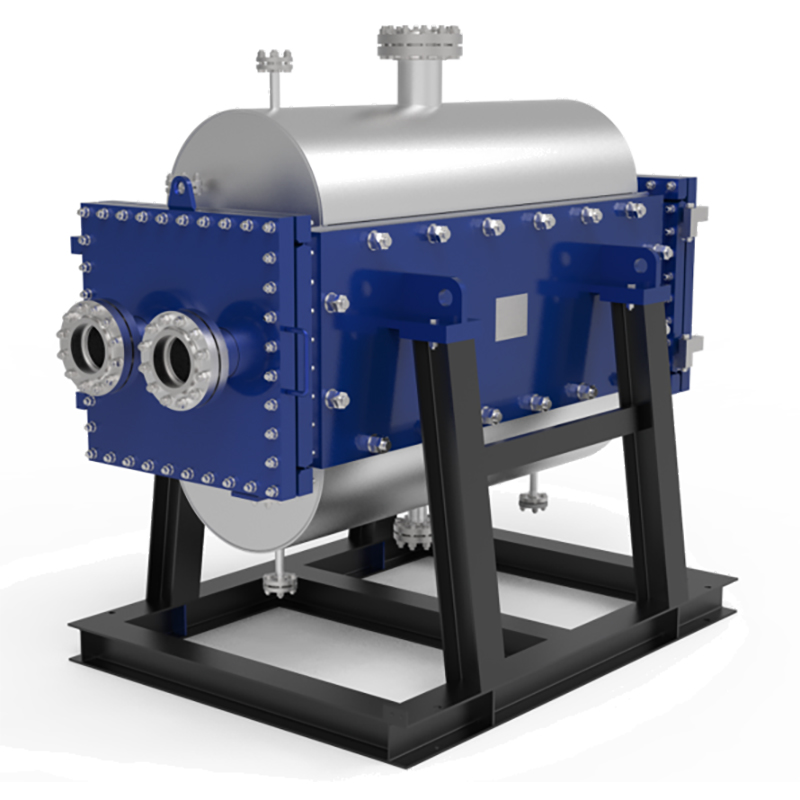
Plate Pack and Frame
The compabloc heat exchanger uses a plate pack made of corrugated plates. These plates create a large surface area for heat exchange. The corrugations increase turbulence, which improves heating and cooling rates. The frame holds the plate pack in place and supports the entire exchanger. It allows for easy disassembly, which helps with cleaning and maintenance. Advanced welding techniques, such as C-Weld, remove dead zones. This reduces fouling and increases durability. The design also means longer intervals between cleanings, which lowers maintenance costs and keeps performance steady.
Corrugated heat-transfer plates boost heat exchange by creating turbulence.
The frame supports the plate pack and makes maintenance simple.
Welded construction eliminates dead spots, improving reliability.
Shanghai Heat Transfer’s TP Welded Plate Heat Exchanger uses similar technology. It features a removable structure on the tube side, making mechanical cleaning easy. There are no dead areas for fluid flow, so cleaning is thorough and efficient.
Flow Arrangement and Efficiency
The compabloc heat exchanger uses short flow paths and large cross-flow areas. This setup ensures low pressure drop and high efficiency. The design can be configured for single or multi-pass arrangements. It works well with both co-current and counter-current flow. This flexibility allows for large differences in flow rates between the hot and cold sides.
Benefit | Description |
|---|---|
Increased surface area | More area for heat exchange |
Strong turbulence at low flow rates | Better mixing and heating |
Reduced boundary layer thickness | Less thermal resistance, higher efficiency |
Improved heat transfer coefficient | Faster heating and cooling |
The TP Welded Plate Heat Exchanger from SHPHE also offers flexible flow configurations. This ensures high performance in many industrial heating and cooling processes.
Handling High Pressure and Temperature
Compabloc heat exchangers can handle high pressure and temperature. The welded plate design gives the exchanger strength and stability. This makes it suitable for tough industrial environments. The TP Welded Plate Heat Exchanger matches these capabilities. It operates in a wide range of temperatures and pressures, making it a reliable choice for challenging heating applications.
Heat Exchanger Type | Pressure Capability | Temperature Capability |
|---|---|---|
Compabloc | High pressure operation | High temperature capability |
Shell and Tube | Extremely high pressure | Very high temperature service |
Both compabloc and TP Welded Plate Heat Exchangers deliver strong performance and reliability. They are ideal for industries that need efficient heat transfer and robust construction.
Advantages of Compabloc and Alternatives
Efficiency and Compactness
Compabloc heat exchanger technology stands out for its high efficiency and compact design. The short flow path and large cross-flow area allow for low pressure drop and higher efficiency in both heating and cooling. This compact heat exchanger unit can perform condensing duties two to four times more efficiently than traditional shell-and-tube exchangers. The compact footprint means less space is needed in industrial plants, which reduces installation costs.
Compabloc can improve energy efficiency by up to 23% compared to older technologies.
Using compabloc leads to a substantial reduction in CO2, sulfur, and nitrogen oxide emissions.
One installation reduced CO2 emissions by 14,600 tonnes, equal to removing 30,000 cars from the road.
The compact structure also supports waste heat recovery, making it a smart choice for industries focused on sustainability.
Feature | Benefit |
|---|---|
Compact design | Saves space and lowers installation costs |
High thermal efficiency | Maximizes heat transfer and energy savings |
Superior performance | Handles challenging heating and cooling tasks |
Maintenance and Reliability
Compabloc and its alternatives offer high reliability and easy maintenance. The welded plate pack resists leaks and handles high pressure and temperature. The design allows for simple cleaning, which keeps the exchanger running smoothly. This is important for liquid-to-liquid heating and cooling, where uptime matters.
The robust construction means fewer shutdowns for repairs.
Cleaning-in-place systems help prevent fouling and reduce downtime.
The compact design makes inspection and maintenance faster.
These features make compabloc and compabloc alternative phe solutions ideal for industries with strict heat transfer requirements.
Compabloc Alternative PHE: TP Welded Plate Heat Exchanger
The TP Welded Plate Heat Exchanger from SHPHE is a leading compabloc alternative phe. This exchanger combines the compact footprint and high efficiency of plate technology with the strength of welded construction. It handles high pressure, high temperature, and aggressive fluids with ease. The TP Welded Plate Heat Exchanger supports both heating and cooling, including applications with better chemical resistance.
The openable bolted connections make cleaning and inspection simple.
The design supports high reliability and long service life.
It is suitable for waste heat recovery, gas cooling, and liquid-to-liquid heating and cooling.
SHPHE’s TP Welded Plate Heat Exchanger is a smart choice for industries needing a compabloc alternative phe. It meets modern heat transfer requirements and delivers high efficiency in a compact package.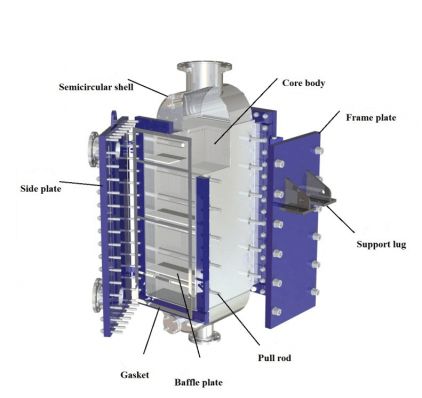
Applications and Selection
Where Compabloc Is Used
Compabloc heat exchanger technology serves many industries that require efficient heat transfer performance. The compact design and welded plate construction make compabloc ideal for aggressive fluid applications. Here is a table showing typical industries and their primary uses:
Industry | Primary Applications |
|---|---|
Chemical Industry | Acid cooling, Solvent recovery, Reactor temperature control |
Petrochemical and Oil & Gas | Hydrocarbon cooling, Amine systems, Process heat recovery |
Refinery Operations | Interchangers, Condensers, Product cooling |
Energy and Heat Recovery Systems | Waste heat recovery, Steam condensation, District heating |
Many chemical and petrochemical plants use compabloc for handling fluids such as crude oil, gasoline, diesel, kerosene, and hydrogen. These fluids often require precise heat control and robust equipment.
Crude oil
Gasoline
Diesel
Kerosene
Hydrogen
Compabloc also supports waste heat recovery in energy systems. This helps reduce energy consumption and improves sustainability.
Choosing the Right Solution
Selecting the best heat exchanger depends on the specific needs of each process. Some common mistakes include neglecting application requirements, overlooking the manufacturer's expertise, and focusing only on initial cost instead of total ownership costs.
Neglecting specific application requirements can cause performance issues.
Overlooking the manufacturer's expertise affects quality and efficiency.
Focusing solely on cost may lead to higher long-term expenses.
For aggressive fluid applications or processes with high pressure and temperature, compabloc offers reliable heat transfer performance. When industries need extra durability and easy maintenance, the TP Welded Plate Heat Exchanger from SHPHE stands out. Its advanced design handles challenging fluids and supports cleaning-in-place systems. SHPHE provides expert support to help customers choose the right solution for their needs.
Tip: Always consider the process conditions, fluid properties, and maintenance needs before selecting a heat exchanger.
Compabloc heat exchangers deliver unique benefits for industrial heat transfer. The table below shows their main features and advantages:
Feature | Benefit |
|---|---|
Enhanced Heat Transfer | Increased turbulence for better efficiency |
Compact Design | Fits in tight spaces |
Durability | Leak-proof and strong construction |
Low Maintenance | Minimal upkeep needed |
Application Versatility | Works in many industries |
Choosing the right welded plate heat exchanger impacts plant efficiency and costs. Proper design can reduce energy use by 25% and offer a payback period of 1.6 years. Companies should define clear objectives and follow safety standards.
Compabloc and TP Welded Plate Heat Exchanger from SHPHE are recommended for high heat recovery and challenging applications.
Consult Shanghai Heat Transfer for expert advice and tailored solutions.
For reliable performance and expert support, Shanghai Heat Transfer helps you select the best compabloc alternative for your needs.
FAQ
What makes a Compabloc heat exchanger different from traditional shell-and-tube designs?
A Compabloc heat exchanger uses welded plates instead of tubes. This design increases heat transfer efficiency and reduces the space needed. It also handles higher pressures and temperatures better than many traditional models.
Can the TP Welded Plate Heat Exchanger handle aggressive or dirty fluids?
Yes. The TP Welded Plate Heat Exchanger from SHPHE uses corrosion-resistant materials and welded channels. It works well with fluids that contain particles, fibers, or are highly corrosive.
How easy is it to clean and maintain these heat exchangers?
Both Compabloc and TP Welded Plate Heat Exchangers offer easy maintenance. The TP Welded PHE features openable bolted connections and supports cleaning-in-place (CIP) systems, making inspection and cleaning straightforward.
In which industries are these heat exchangers most useful?
These heat exchangers serve industries like oil and gas, chemical processing, metallurgy, mining, and food production. Their robust design and efficiency make them ideal for demanding industrial applications.
Why choose SHPHE for welded plate heat exchangers?
SHPHE provides expert support and advanced products like the TP Welded Plate Heat Exchanger. Customers benefit from reliable performance, high efficiency, and solutions tailored to their specific industrial needs.