
 English EN
 中国 CN
中国 CN
 French FR
 German DE
 Portuguese PT
 Spanish ES
 Russian RU
 Japanese JA
 Korean KO
 Arabic AR
 Turkish TR
 Italian IT
Produced Water Cooler Selection Guide for Industrial Facilities
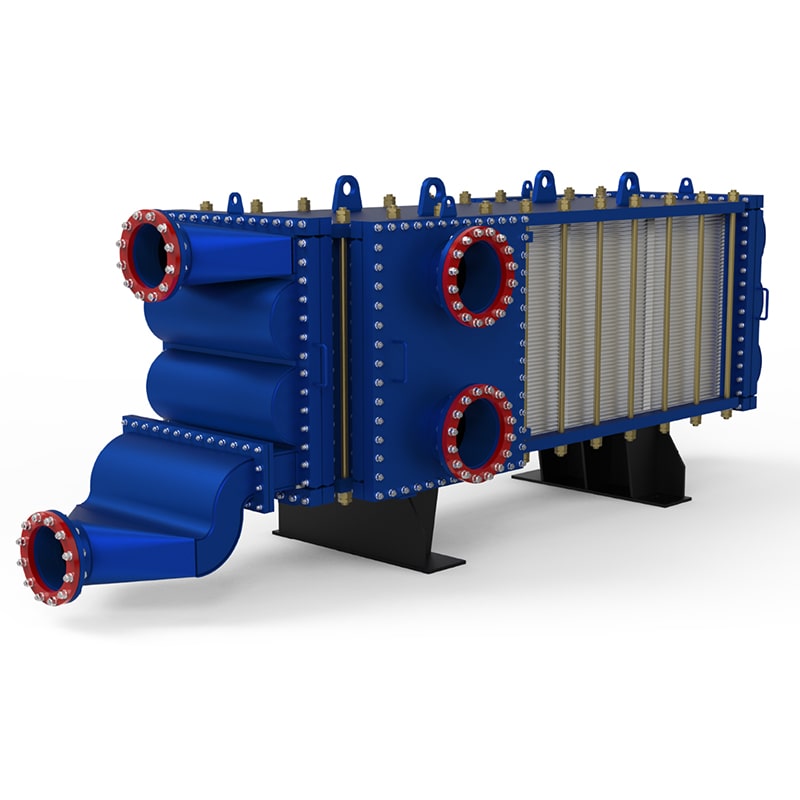
Choosing the right produced water cooler for your facility improves operational reliability and boosts energy efficiency. Commercial water cooler systems play a vital role in offices, hospitals, and schools by maintaining safe temperatures and supporting compliance with health standards. Water chillers ensure precise cooling in industries like manufacturing and pharmaceuticals. Regular maintenance of each chiller protects the environment and enhances performance. This guide, inspired by the water dispenser buying guide and SHPHE’s advanced solutions, helps you select the best cooler for your needs.
Key Factors for Produced Water Cooler Selection
Assessing Cooling Needs
Selecting the right cooler for your industrial water cooling system starts with understanding your cooling needs. The volume and temperature of produced water have a direct impact on the type of cooler and chiller you need. High temperatures, sometimes reaching up to 90 °C, require special cooling strategies. These strategies help prevent silica precipitation and protect system performance. Cooling is also important for commercial water cooler systems that support reverse osmosis membranes. Some new high temperature RO technologies can work at up to 80 °C, which reduces the energy needed for cooling. Silica dissolves better at higher temperatures, which helps prevent membrane fouling.
Large volumes of produced water need coolers with higher cooling capacity.
High temperatures demand coolers and chillers designed for thermal stress.
Matching cooling capacity to your facility’s needs ensures reliable performance and energy efficiency.
Evaluating Water Quality and Flow
Water quality affects the choice of commercial water cooler and water chillers. Different parameters must be checked to ensure the cooler works well and lasts longer.
Type of Parameter | Examples |
|---|---|
Physical | Color, taste, odor, temperature, turbidity, solids, electrical conductivity |
Chemical | pH, acidity, alkalinity, chlorine, hardness, dissolved oxygen, biological oxygen demand |
Biological | Bacteria, algae, viruses |
Flow rate also plays a key role in cooler and chiller performance. Higher flow rates can improve heat transfer efficiency and cooling capacity, but too much flow can lower the time water spends in the cooler, reducing effectiveness. Low flow rates may cause stagnation and poor cooling. Balancing flow rate is important for energy efficiency and system performance.
Space and Installation Considerations
Space and installation needs can influence the type of commercial water cooler or chiller you select. Some facilities have limited space, so choosing a compact cooler or vertical chiller can help. The table below compares two main types of water chillers:
Chiller Type | Advantages | Disadvantages |
|---|---|---|
Air-Cooled Chillers | Packaged system, quick installation, fewer components | Uses more energy, higher refrigerant temperature/pressure |
Water-Cooled Chillers | More energy efficient, longer lifespan | Needs cooling towers, pumps, more complex installation |
Choosing the right cooler and chiller for your facility means considering energy, cooling solution design, and operational needs. This careful selection supports long-term performance and energy efficiency for your commercial water cooler system.

Types of Produced Water Coolers and Water Chillers
Air-Cooled vs. Water-Cooled Systems
Facilities often choose between air-cooled and water-cooled chillers for their cooler needs. Air-cooled systems use fans to remove heat. Water-cooled chillers rely on water to absorb and carry away heat. Each system has unique features:
Water-cooled chillers offer higher cooling capacity and better heat dissipation.
Air-cooled chillers are easier to install but less efficient during heavy-duty operations.
Water-cooled chillers keep spindle temperatures lower, which improves performance and quality.
Air-cooled systems can be noisy due to fan operation. Water-cooled chillers run quieter.
Water-cooled chillers require pumps and coolant sources, but they deliver strong performance.
Choosing the right cooler depends on the facility’s cooling needs, available space, and operational demands.
Plate Heat Exchangers (SHPHE WGPHE)
Plate heat exchangers are a popular choice among types of commercial water coolers. The Wide Gap Welded Plate Heat Exchanger from Shanghai Plate Heat Exchanger stands out. This cooler uses welded plates to create wide channels. It handles fluids with solids or high viscosity. The openable design allows easy access for maintenance. Regular cleaning keeps the cooler efficient and prevents fouling. Plate heat exchangers fit well in compact spaces and support high-efficiency chillers in many industrial water cooling system setups.
Shell and Tube Coolers
Shell and tube coolers are common in types of industrial water cooling systems. These coolers work well with high-pressure produced water streams. The sample flows through the tube side, while cooling fluid moves through the shell side. Adequate flow rates ensure accurate sampling and safe operation. Some applications need two-stage cooling for sensitive analyzers. Shell and tube coolers are reliable and suit many industrial processes.
Hybrid and Custom Solutions
Hybrid and custom coolers meet unique industrial needs. Facilities often select custom solutions due to regulatory restrictions, rising water costs, and sustainability goals. Hybrid systems combine different cooling methods for better efficiency and adaptability. The table below shows the benefits of hybrid and custom water chillers:
Benefit | Description |
|---|---|
Enhanced Energy Efficiency | Uses the most efficient cooling method based on real-time conditions. |
Optimized Water Conservation | Switches cooling methods to minimize water usage. |
Adaptability Across Climate | Adjusts to different climates for maximum cooling efficiency. |
Long-Term Cost Savings | Saves money on energy and water bills over time. |
Improved Environmental Sustainability | Reduces energy and water use, supporting compliance with regulations. |
Enhanced System Reliability | Ensures continuous operation for critical facilities. |
Hybrid and custom coolers help facilities meet strict requirements and achieve long-term savings. These types of commercial water coolers support reliable operation and environmental goals.
How to Choose the Right Water Cooler for Your Facility
Selecting the best produced water cooler for your facility requires careful planning. This guide explains how to choose the right water cooler by breaking down the process into clear steps. Each step helps you match your cooling solution to your operational needs and ensures optimal performance in offices, hospitals, schools, and industrial environments.
Calculating Capacity and Sizing
Sizing a commercial water cooler or water chillers starts with understanding your cooling capacity requirements. The right sizing ensures optimal performance and prevents energy waste. Follow these steps to determine the correct capacity:
Calculate the cooling load. Add up the heat from equipment, people, and environmental factors in your facility.
Consider the location and climate. Facilities in warmer regions need higher cooling capacity to maintain performance.
Account for load variability. Production schedules and seasonal changes affect cooling demand. Adjust sizing to match these fluctuations.
Evaluate part-load efficiency. Choose water chillers that can adjust output for varying loads. This improves energy efficiency and supports long-term savings.
A properly sized cooler delivers reliable performance and supports optimal operation in offices, hospitals, and schools.
Energy Efficiency and Environmental Impact
Energy efficiency is a key factor when you choose the right water cooler. Modern commercial water cooler systems and water chillers offer features that reduce energy use and support environmental goals.
Bottleless coolers connect directly to the water line. They provide fresh water on demand and eliminate heavy bottles and delivery trucks. This reduces waste and supports long-term savings.
Advanced compressor technology and eco-friendly refrigerants improve cooling solution efficiency. These features help maintain optimal performance.
Intelligent cooling systems activate only when needed. This minimizes energy use and supports energy efficiency.
Thermal insulation keeps water at the desired temperature longer. This reduces energy input and supports optimal performance.
Programmable temperature controls allow customized energy usage. Sleep modes optimize energy consumption during low demand periods.
Facilities that prioritize energy efficiency benefit from reduced operational costs and improved environmental sustainability.
Tip: Choosing water chillers with energy-saving features helps your facility meet regulatory requirements and achieve long-term savings.
Maintenance and Serviceability (SHPHE Support)
Maintenance is essential for keeping your commercial water cooler and water chillers running at optimal performance. SHPHE offers strong after-sales support and innovative designs that make maintenance easier.
Keep coolers upright to prevent compressor damage.
Use a thermometer to check temperatures after the cooler has operated for at least 30 minutes.
Avoid rough handling to prevent compressor and refrigerant leaks.
Keep compressor and controls dry. Do not hose down the cooler.
Use only original parts for repairs. This maintains safety certifications and ensures optimal performance.
Schedule routine servicing every 3 to 12 months. The frequency depends on water type and environmental conditions.
The Wide Gap Welded Plate Heat Exchanger from Shanghai Plate Heat Exchanger features an openable design. Maintenance staff can access all four sides easily. This design supports quick inspection and cleaning, which helps maintain optimal performance and extends the lifespan of the cooler.
Note: SHPHE’s after-sales support ensures your commercial water cooler system receives expert care and guidance.
Budget and Total Cost of Ownership
Understanding the total cost of ownership helps you choose the right water cooler for your facility. Consider these factors:
Initial investment includes the purchase price and installation costs.
Maintenance and operational costs cover routine servicing, repairs, and energy use.
Water quality affects maintenance demands. Hard or soft water may require additional treatment.
System capacity and flow rate impact operational costs and performance.
Maintenance demands vary by cooler type. Plate heat exchangers, like the WGPHE, offer easy access for cleaning and inspection.
Compatibility with your facility’s water supply ensures reliable operation and optimal performance.
A well-planned budget supports long-term savings and helps your facility maintain high performance. Choosing a commercial water cooler or water chillers with low maintenance demands and strong energy efficiency features reduces costs over time.
Choosing the right cooling solution improves operational reliability and supports optimal performance in offices, hospitals, schools, and industrial environments.
Installation and Compliance Tips for Commercial Water Coolers
Site Preparation and Layout
Proper site preparation ensures the cooler and water chillers deliver reliable performance in offices, hospitals, and schools. Placement affects cooling capacity, energy use, and efficiency. The table below shows best practices for different spaces:
Office Space Type | Best Practices |
|---|---|
Break Rooms | Install near water lines and outlets for easy access and minimal disruption. |
Reception Areas | Place coolers to improve visitor experience and support staff hydration. |
Conference Rooms | Position outside rooms to keep meetings uninterrupted and maintain cooling capacity. |
Open Office Spaces | Use central locations to avoid congestion and ensure efficient use. |
Fitness Centers | Provide quick access and consider touchless options for hygiene. |
Cafeterias | Install multiple units to prevent crowding and reduce bottled water use. |
Mail Rooms/Warehouses | Place coolers for easy access during physical tasks to support employee well-being. |
Healthcare Facilities | Use certified filtration and touchless dispensing to reduce contamination risks. |
A well-planned layout supports energy efficiency and helps maintain high performance for every cooler and chiller.
Hygiene and Fouling Prevention
Maintaining hygiene in commercial water cooler systems is essential for performance and safety. Regular cleaning prevents fouling, which can lower cooling capacity and reduce efficiency. Follow these best practices:
Use chemical and physical cleaning methods to remove deposits from the cooler and water chillers.
Schedule periodic chemical cleaning to prevent severe buildup.
Select cleaning agents based on the type of fouling, such as acid for scaling and alkali for organic matter.
Monitor water chemistry to minimize microbial growth in the cooler and chiller.
Apply oxidizing biocides to control bacteria and algae in cooling water.
Design and operate the system to reduce the risk of contamination and maintain energy efficiency.
These steps help keep the cooler and water chillers running at peak performance and extend their lifespan.
Meeting Industry Standards (SHPHE Compliance)
Commercial water cooler systems and water chillers must meet strict industry standards to ensure safety, quality, and performance. The table below lists important certifications and standards:
Certification/Standard | Description |
|---|---|
ADA Compliance | Meets accessibility requirements for public spaces |
Buy America Act | Complies with federal procurement rules |
ISO 9001:2015 | Ensures quality management in manufacturing |
NSF/ANSI 372 | Certifies low lead content for drinking water systems |
NSF/ANSI/CAN 61 | Verifies safe water system components |
ENERGY STAR | Recognizes high energy efficiency |
UL Standards | Confirms safety and public confidence |
Shanghai Plate Heat Exchanger designs coolers and water chillers that meet these standards. This commitment ensures reliable performance, energy savings, and compliance for industrial and commercial applications.
Tip: Always check for certifications before installing a new cooler or chiller to guarantee safety and efficiency.
Selecting the right produced water cooler for your facility means reviewing cooling needs, water quality, and space. A commercial water cooler supports energy savings and reliable operation in offices and industrial settings. Regular maintenance keeps each cooler efficient and extends its life. Offices benefit from a commercial water cooler that meets hygiene standards and reduces energy use. SHPHE offers the Wide Gap Welded Plate Heat Exchanger for advanced cooler performance. Facility managers should consult experts to match the best commercial water cooler to their energy and operational goals.
FAQ
What is a produced water cooler?
A produced water cooler is a device that lowers the temperature of water that comes from industrial processes. It helps protect equipment and supports safe operation in many facilities.
How often should I clean my water cooler?
You should clean your water cooler every three to twelve months. The cleaning schedule depends on water quality and how often you use the cooler.
Why choose a plate heat exchanger for cooling?
Plate heat exchangers offer high efficiency and easy maintenance. They work well in compact spaces and handle fluids with solids or high viscosity. Many industrial facilities use them for reliable cooling.
Can I install a water cooler in a small space?
Yes. Some coolers, like vertical plate heat exchangers, fit well in tight areas. Always check the size and installation needs before choosing a model.