
 English EN
 中国 CN
中国 CN
 French FR
 German DE
 Portuguese PT
 Spanish ES
 Russian RU
 Japanese JA
 Korean KO
 Arabic AR
 Turkish TR
 Italian IT
Recuperative Air Preheaters Explained What They Are and How They Function
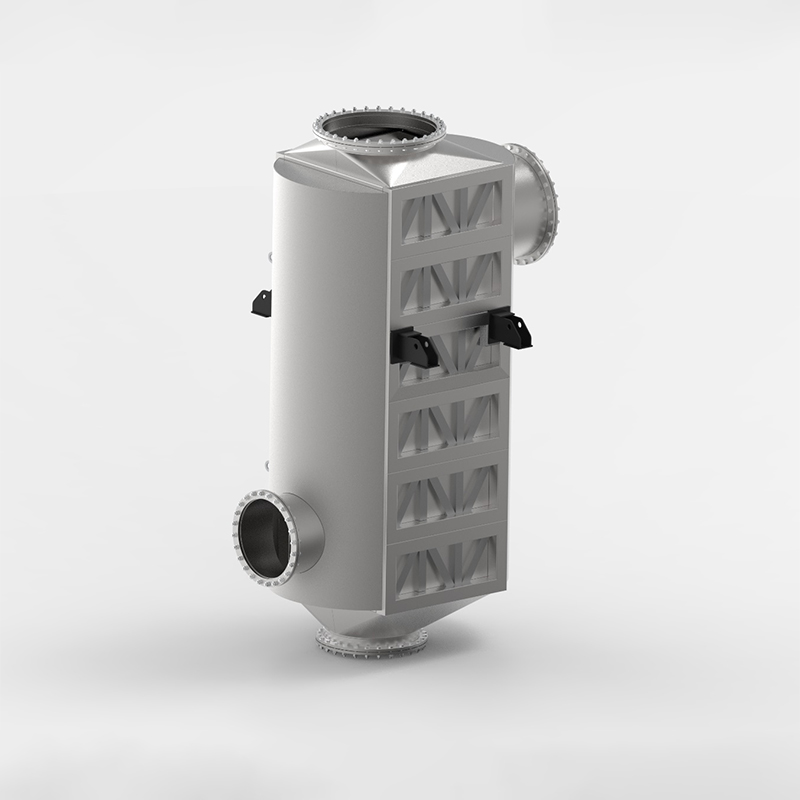
A recuperative air preheater takes heat from exhaust gases. It uses this heat to warm up the air coming in. This helps heating systems work better. Many factories use this technology. It helps them use less fuel and make less pollution.
These systems can save up to 33% on fuel costs. They do this by using exhaust heat to warm the air for burning.
The worldwide market for these devices was about USD 1.2 billion in 2022.
Experts think the market will grow 5% each year until 2030. This is because more factories need them and want to save energy.
What Is a Recuperative Air Preheater
Basic Definition
A recuperative air preheater is a tool that helps heating systems save energy. It takes heat from exhaust gases. Then, it uses this heat to warm the air going into a furnace or boiler. This makes the system work better. Many factories use recuperative air preheaters to use less fuel and cut down on pollution. These devices help industries be more friendly to the environment.
Key Components
Air preheaters have a few main parts that help them do their job. Each part has its own role in moving heat.
Rotating-plate design: This part is in the middle of the device. It spins inside a case with different sections.
Sectors: The case usually has three sectors. One sector deals with hot exhaust gas. Another sector brings in fresh air. The last sector sends air to other places, like pulverizers.
Heat transfer medium: The rotor is made from steel or ceramic. It moves heat from the exhaust gases to the air coming in.
These parts work together to move heat from the exhaust gas to the air. The design lets air preheaters use waste heat and save energy. Many industries pick this technology to make their work cleaner and more efficient.
Working Principle of APH
Heat Exchange Process
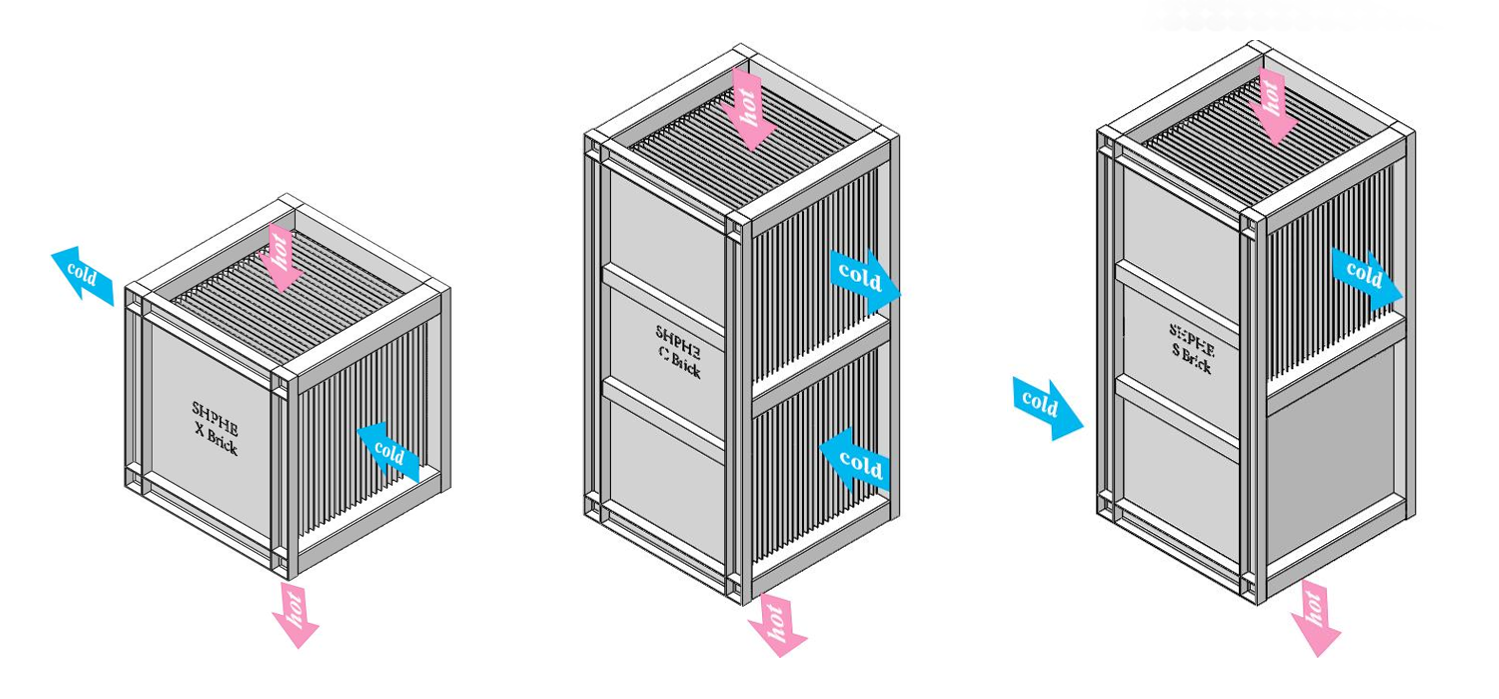
The main idea of aph is moving heat from exhaust gases to incoming air. Factories use air preheaters to grab waste heat and make energy use better. The Plate Air Preheater from Shanghai Heat Transfer uses a direct way to swap heat. Hot exhaust gases go through channels on one side of the plate. Cold air travels through channels on the other side. Metal plates keep the two streams apart but let heat move through.
This process makes the incoming air warmer. Preheating air helps boilers and furnaces burn fuel better. Many industries see heater efficiency go up by 10% to 15% with recuperative air preheaters. This means less fuel gets used and fewer emissions go into the air.
Factories pick recuperative air preheaters because they are simple and reliable for saving heat. They work well in refineries and places that use lots of energy.
The table below shows how different air preheaters swap heat:
Type of Air Preheater | Heat Exchange Process | Efficiency Comparison |
|---|---|---|
Recuperative Air Preheater | Direct transfer of heat from hot gases to air across a heat transfer surface. | Generally less efficient than regenerative types. |
Regenerative Air Preheater | Transfers heat from hot flue gases to a storage medium before transferring it to air. | Preferred for high-temperature applications due to better heat capture. |
Plate Air Preheater Design
The Plate Air Preheater uses wavy metal plates to make channels for hot and cold fluids. This design gives more space for heat to move and makes the device work better. Stainless steel plates can handle high heat, sometimes up to 700°C. The shiny surface makes cleaning easy and stops dust from sticking.
Factories like the Plate Air Preheater because it is small. It needs only half the floor space compared to heat pipe types. Big installations are easier and cost less. The modular design lets workers change plate modules without stopping the whole system.
The Plate Air Preheater can work in counterflow or crossflow setups. Counterflow keeps a steady temperature difference between hot and cold streams. This gives higher thermal efficiency, sometimes up to 95%. Crossflow designs usually work at 60% to 75% efficiency. Problems with flow in crossflow setups can cut heat transfer by up to 30%.
The table below lists the good things about using wavy metal plates in plate air preheater design:
Advantage | Description |
|---|---|
High operating temperature | Can reach up to 700°C when using stainless steel. |
Compact structure | Requires only about half the floor area compared to heat pipe types, facilitating large-scale installation. |
High heat transfer efficiency | Nearly twice the efficiency of heat pipe types with significantly reduced pressure drop. |
Easy to clean | The mirror-like surface minimizes dust accumulation and allows for online cleaning methods. |
Long service life | Made primarily of stainless steel, reducing maintenance needs and ensuring durability. |
Counterflow setups keep a steady temperature difference between fluids, so they have higher thermal efficiency.
Counterflow heat exchangers can reach up to 95% efficiency, while crossflow designs usually work at 60-75% efficiency.
Crossflow setups can have problems with flow, which can lower heat transfer by up to 30%.
The working principle of aph shows how air preheaters help factories use waste heat and save energy. The Plate Air Preheater is special because it is modular, strong, and very efficient. Factories use this technology to save energy and cut down on pollution.
Benefits of Air Preheaters
Energy Efficiency and Emission Reduction
Air preheaters help boilers work better. They take heat from exhaust gases and use it to warm new air. This saves energy and helps factories use less fuel. When a factory adds a recuperative air preheater, it uses less fuel. The table below shows how different fuel blends save fuel with air preheaters:
Fuel Blend | Percentage Reduction in Fuel Consumption |
|---|---|
B20E10 | 5.2% |
B30E10 | 9.52% |
B40E10 | 11.11% |
Boilers lose less heat through flue gases when using air preheaters. These devices also help cut down on pollution. They lower bad gases like CO2 and NOx. Factories can follow strict rules by using air preheaters. The table below shows the main good things about air preheaters:
Benefit | Description |
|---|---|
Increased Thermal Efficiency | Air preheaters make heating systems better by using waste heat from flue gases. |
Reduced Fuel Consumption | They warm up the air for burning, so less fuel is needed. |
Lower Emissions | They help cut down on bad gases like CO2 and NOx, which is good for the planet. |
Environmental Impact
Recuperative air preheaters help power plants and factories be cleaner. They use less fuel and make stack temperatures lower. This means boilers are better for the environment. They also help control waste heat and lower pollution. Many plants see better performance and higher boiler efficiency. Air preheaters help save energy and support a cleaner world.
Air preheaters make steam boilers work 2-3% better. They also help keep things steady and lower waste heat.
Why Choose Shanghai Heat Transfer
Shanghai Heat Transfer makes the Plate Air Preheater. It is special because it is easy to put together and lasts a long time. The small size fits in tight places and works well in chemical plants. Stainless steel plates do not rust or get dirty easily, so cleaning is simple. The Plate Air Preheater gives high boiler efficiency and low pressure drops. It saves money and works well, even where rules are strict. Many factories pick Shanghai Heat Transfer for saving energy and money over time.
Applications and Types
Industrial Uses
Factories and power plants use air preheaters to save energy and cut fuel costs. Many industries put an industrial air preheater in their systems to grab waste heat and warm up air before it goes into the boiler. This helps the boiler burn fuel better and makes the whole system work more efficiently.
Power plants use air preheaters in coal and biomass boilers. These devices warm up air for burning, so the boiler works better and uses less fuel.
Cement factories use industrial air preheaters in kilns and furnaces. These systems keep the temperature steady and help make a better final product.
Steel plants need air preheaters for sintering jobs. Preheated air lets the boiler get hotter and helps heat move faster.
Petrochemical plants use air preheaters in process heaters. This step saves fuel and lowers pollution from the boiler.
Pulp and paper mills use air preheaters in recovery boilers and drying steps. These uses help tie heat together and save energy.
Many factories pick air preheaters because they fit in small spaces and can handle flue gas temperatures from 250˚C to 450˚C.
Types of Recuperative Air Preheaters
Factories can pick from different air preheater types based on what they need. The two main kinds are tubular and plate designs. Tubular air preheaters have tubes that move heat from exhaust gases to new air. Plate air preheaters, like the Plate Air Preheater from Shanghai Heat Transfer, use wavy metal plates to make channels for hot and cold air.
The table below lists common types of recuperative air preheaters and their features:
Type | Description |
|---|---|
Bi-Sector Type | Has one gas stream and one air stream. |
Tri-Sector Type | Contains one gas stream and two air streams (primary and secondary). |
Quad-Sector Type | Features a primary air stream between two secondary air streams to reduce leakage. |
Each air preheater type has its own good points. Plate air preheaters take up less space and weigh less, so they cost less to install. Tubular designs make it easy to change heat transfer parts, so fixing them is simple. Both types help the boiler save fuel by moving waste heat back into the system. Picking the right industrial air preheater can make the boiler work up to 15% better and help factories run cleaner and cheaper.
Working of Air Preheaters: Key Considerations
Selection Criteria
Factories need to pick the right air preheater. They look at the boiler’s size and fuel type. The temperature of exhaust gases is important too. Engineers check how much heat leaves through the stack. They also see how much space is available for the air preheater. Some boilers need small designs because space is tight. Others need to handle very hot gases.
Operators check how fast air and exhaust gases move. They match the air preheater to the boiler’s power. Plate designs are good for boilers that need fast cleaning. They are also easy to fix. Stainless steel plates do not rust and last longer. Factories often use modular air preheaters for boilers that run all the time. These units let workers fix them quickly and keep the boiler running.
Tip: Always make sure the air preheater works with the boiler’s fuel blend and temperature. This helps the system stay safe and work well.
Maintenance and Reliability
Air preheaters need regular care to keep boilers working well. Maintenance stops fouling, which lowers heat transfer and makes boilers less efficient. Operators use different ways to keep air preheaters clean and reliable:
Regular cleaning stops fouling and keeps heat transfer high.
Clean In Place (CIP) systems clean plates without taking them out.
Mechanical cleaning uses brushes or water jets for tough buildup.
Each boiler needs a special maintenance plan to fit its schedule and cut downtime.
Factories compare costs for different heat recovery devices. Plate air preheaters cost less to maintain each year than fuel cell systems. The table below shows the difference:
Technology | Annual Maintenance Cost (% of Capital) |
|---|---|
Plate Heat Exchanger | 2-4% |
Fuel Cell Heat Recuperation System | 8-12% |
Reliable air preheaters help boilers use less fuel and stay efficient. Good maintenance makes boilers last longer and lowers costs. Operators who clean on schedule have fewer breakdowns and better results. Air preheaters are important for keeping boilers safe and working well.
Recuperative air preheaters are important in today’s factories. They help save energy and make less pollution. Some main benefits are:
They use waste heat to make boilers work better.
They warm up air before burning, which saves fuel and lowers pollution.
They help factories use energy wisely and burn fuel better.
Regulation Impact | Description |
|---|---|
Energy Efficiency | Rules make factories use better technology. |
Emission Standards | Strict limits push factories to be more eco-friendly. |
Picking new tools like the Plate Air Preheater from Shanghai Heat Transfer helps factories reach these goals. Energy efficiency can go up to 26.32%. Factories can save more than $2,100 each year and cut CO₂ by 6.56 tons yearly. Factories should think about saving energy and helping the environment when choosing air preheaters.
FAQ
What does a recuperative air preheater do in a boiler system?
A recuperative air preheater takes heat from exhaust gases. It uses this heat to warm the air going into the boiler. This helps the boiler save energy. The boiler works better and uses less fuel.
How does a plate air preheater improve boiler efficiency?
The plate air preheater has metal plates that move heat from exhaust gases to new air. This makes the air going into the boiler hotter. The boiler needs less fuel to get hot enough.
Why do factories use air preheaters with their boilers?
Factories use air preheaters to help boilers burn fuel well. Preheated air lets boilers reach high temperatures faster. This saves fuel and lowers pollution.
What maintenance does a boiler air preheater need?
Operators clean the air preheater often to keep it working well. They use brushes or water jets to remove dust and buildup. Regular cleaning helps the boiler stay efficient and last longer.
Can a plate air preheater work with any type of boiler?
Yes, plate air preheaters can fit many kinds of boilers. The modular design lets them work with different sizes and fuel types. This makes them a flexible choice for boiler systems.