
 English EN
 中国 CN
中国 CN
 French FR
 German DE
 Portuguese PT
 Spanish ES
 Russian RU
 Japanese JA
 Korean KO
 Arabic AR
 Turkish TR
 Italian IT
Best Practices for Sourcing Plate Heat Exchangers for Industrial Applications
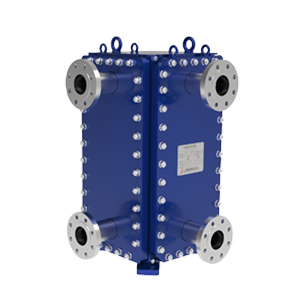
Selecting the right plate heat exchanger for industrial use requires careful attention to best practices. A trusted plate heat exchanger manufacturer can transform long-term efficiency and reliability. Shanghai Heat Transfer stands out by offering tailored solutions and high-quality products that integrate smoothly into existing systems.
Finding a manufacturer that can tweak their designs to fit your specific situation can really make a huge difference. It helps boost efficiency and cuts down on downtime because the equipment integrates smoothly into your existing setup.
Sourcing with care ensures better energy efficiency, less downtime, and optimal performance for every application.
Application Requirements
Process Data Collection
Accurate process data forms the foundation for selecting the right plate heat exchanger. Engineers and plant managers must gather detailed information about the system’s needs before reaching out to suppliers. The following table outlines the most critical data points required for effective sourcing:
Critical Data Points | Description |
|---|---|
Thermal and Hydrodynamic Characteristics | These values help determine heat transfer efficiency and flow patterns inside the exchanger. |
Fouling Considerations | Understanding fouling helps predict maintenance needs and ensures long-term operational efficiency. |
Corrosion Considerations | Corrosion data guides material selection and extends the equipment’s lifespan. |
Design Aspects | Design details influence performance, compactness, and adaptability to specific applications. |
Collecting this information allows a plate heat exchanger manufacturer to recommend the most suitable product. Shanghai Heat Transfer, for example, uses this data to tailor solutions for industries ranging from chemical processing to power generation.
Operating Conditions
Operating conditions play a major role in the performance and durability of plate heat exchangers. The following table summarizes the standard conditions that must be considered:
Condition | Details |
|---|---|
Maximum Temperature | Plate heat exchangers work best below 200°C. Higher temperatures may affect gasket integrity. |
Fluid Characteristics | Fluids with large particles or fibers can block flow paths and reduce efficiency. |
Maximum Pressure | The maximum working pressure is typically limited to 2.5MPa due to gasket sealing limits. |
Maintenance Requirements | Regular cleaning and maintenance keep the equipment running efficiently over time. |
Extreme operating conditions can shorten the lifespan of a heat exchanger. To address these challenges, manufacturers often use corrosion-resistant alloys, apply specialized surface treatments, and add anti-fouling coatings. These features help maintain thermal efficiency and prevent degradation from harsh chemicals or temperature swings.
Tip: Always share detailed information about your process fluids and expected operating ranges with your supplier. This ensures the selected heat exchanger will perform reliably in your environment.
Supplier Communication
Clear communication with the supplier ensures the chosen plate heat exchanger matches the application’s needs. When contacting a plate heat exchanger manufacturer, consider discussing the following points:
Investigate the technologies and plate designs available for your process.
Ask about the types of corrugation inside the heat exchanger. Chevron patterns often provide better heat transfer.
Inquire about the manufacturer’s maintenance services and support options.
Request details on the parts replacement policy to plan for future maintenance.
Shanghai Heat Transfer encourages open dialogue with clients. Their team helps customers understand the benefits of different plate designs and provides guidance on maintenance and parts replacement. This approach leads to better equipment selection and long-term satisfaction.
Material Compatibility
Plate & Gasket Selection
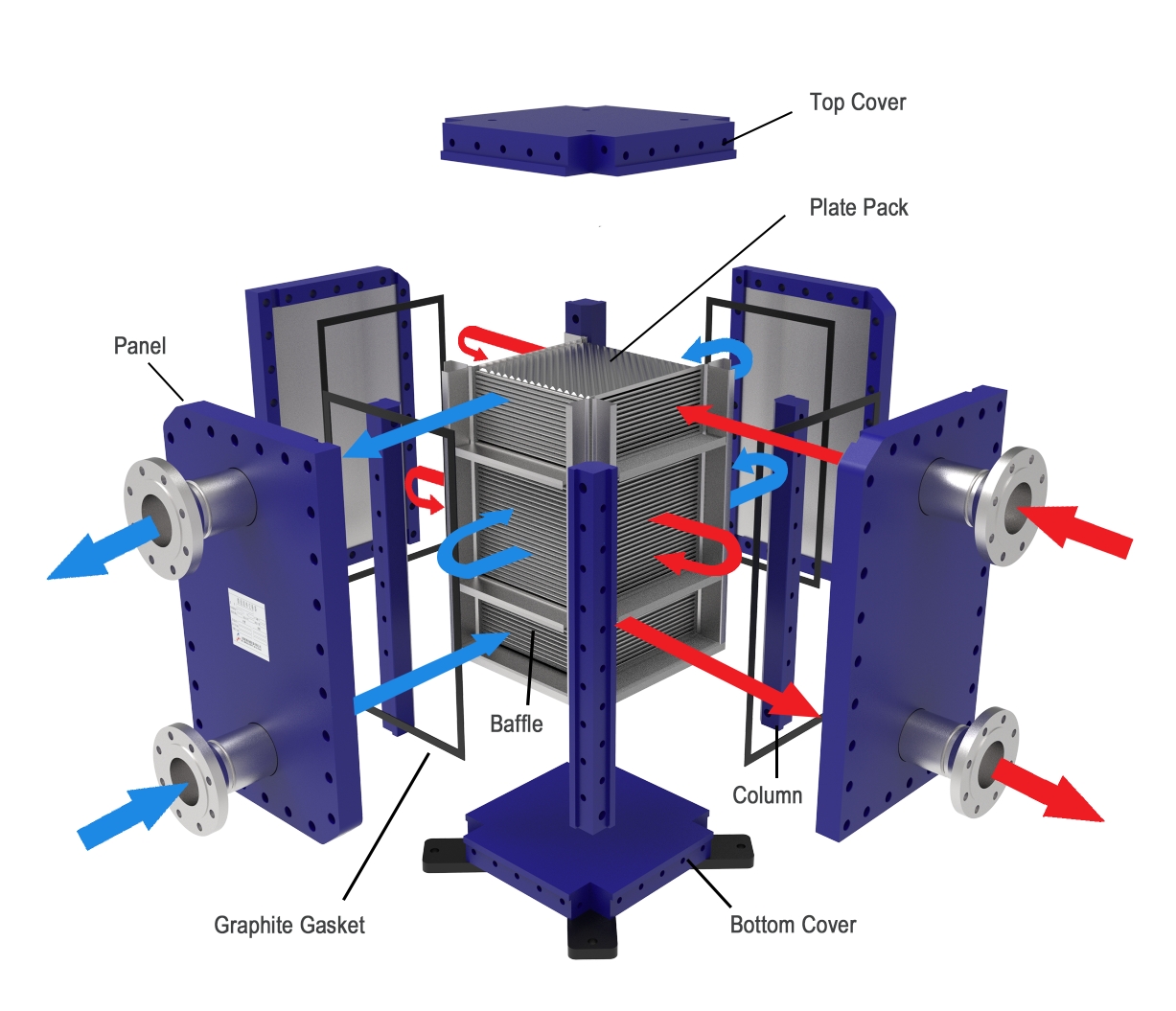
Selecting the right plate and gasket materials is essential for reliable plate heat exchanger performance. The materials must handle the system’s temperature, pressure, and chemical environment. Incompatible gasket materials often lead to early failure. Rubber gaskets, for example, have limited temperature ranges. Exposure to hotter fluids can cause them to fail, resulting in costly replacements, especially in large units.
A well-chosen material will resist corrosion, maintain good thermal conductivity, and withstand the expected operating conditions. The following table highlights key criteria for material selection:
Criteria | Description |
|---|---|
Fluid Compatibility | Assess the chemical properties of the fluid, including corrosiveness. |
Temperature and Pressure | Ensure the material can handle the system’s maximum and minimum values. |
Tip: Always match the plate and gasket materials to the process fluid and operating environment. This step prevents issues like gasket swelling, cracking, and leaks, which can increase maintenance costs and downtime.
Shanghai Heat Transfer offers a wide range of plate and gasket materials designed for diverse industrial fluids and challenging conditions. Their expertise helps clients avoid common compatibility issues and ensures long-lasting performance.
Fluid & Cleaning Agent Considerations
The type of fluid and cleaning agents used in the system directly affects the longevity of plate and gasket materials. Some fluids contain chemicals that can corrode or degrade certain materials. Cleaning agents also play a significant role. Mild acids, such as citric or acetic acid, work well for removing mineral scale. Stronger acids, like hydrochloric or sulfuric acid, remove tougher deposits but can damage heat exchanger components if not used properly. Alkaline cleaners, such as sodium hydroxide, target organic deposits.
Selecting cleaning agents that align with the materials used in the heat exchanger is crucial. Improper cleaning practices can shorten equipment lifespan and increase operational costs. Shanghai Heat Transfer provides guidance on compatible cleaning agents and materials, helping clients maintain efficiency and reduce downtime.
Sizing & Performance
Pressure & Temperature
Engineers must consider both pressure and temperature when sizing a plate heat exchanger. These two factors determine the durability and safety of the equipment. Most industrial plate heat exchangers operate efficiently within specific ranges. The table below shows typical values:
Parameter | Range |
|---|---|
Pressure | Up to 450 psi |
Temperature | -10°F to 300°F (higher with special gaskets) |
Shanghai Heat Transfer designs its products to meet these demanding conditions. Their plate heat exchangers use robust materials and advanced gaskets to handle high pressures and temperatures. This ensures reliable operation in industries such as oil and gas, chemical processing, and power generation.
Note: Always verify that the selected model matches your system’s maximum pressure and temperature. This step prevents equipment failure and extends service life.
Flow Rate Assessment
Flow rate plays a key role in sizing a plate heat exchanger. The correct flow rate ensures efficient heat transfer and stable operation. When assessing flow rate, engineers should:
Define clear objectives:
Identify starting and target temperatures.
Estimate the flow volume for each stream.
Determine operational limits for safety.
Adhere to norms and standards:
Include safety margins for routine and extraordinary conditions.
Ensure compliance with local and industry codes.
Consider contextual factors:
Account for geographical and industry-specific demands.
Recognize if the system will run continuously or intermittently.
Incorrect sizing can lead to several issues:
Impact Type | Description |
|---|---|
Inefficiency | The exchanger may not meet heat transfer demands, reducing system performance. |
Cost implications | Oversizing increases costs, while undersizing leads to inadequate performance. |
Operational shortcomings | Underperformance can affect system quality and consistency, raising overall costs. |
Efficiency & Space
Modern plate heat exchangers offer high efficiency in a compact footprint. Designs with thin, corrugated plates promote strong heat transfer and occupy less space than traditional shell-and-tube models. The table below highlights key design features:
Design Feature | Description |
|---|---|
Thin and Corrugated Plates | Increase heat transfer coefficient for better efficiency. |
Space Efficiency | Require less installation space for the same thermal output. |
Advanced Corrugation | Enhance turbulence and heat transfer. |
Flexible Plate Arrangements | Allow easy capacity adjustments and maintenance. |
Shanghai Heat Transfer provides a wide range of plate sizes and configurations. Their modular designs support future upgrades and system expansions, making them a smart choice for industries seeking both performance and flexibility.
Installation & Maintenance
Piping Practices
Proper piping practices play a key role in the performance and longevity of plate heat exchangers. Engineers should avoid pressure spikes, as sudden changes can damage the unit. Installing a strainer or bypass during startup helps keep debris out of the system. Large particles can clog plate channels and reduce heat transfer efficiency. Good piping support prevents unnecessary stress on the heat exchanger. These steps ensure smooth operation and protect the equipment from early failure.
Tip: Shanghai Heat Transfer recommends following industry best practices for piping to maximize the lifespan and efficiency of their plate heat exchangers.
Filtration & Fouling Prevention
Filtration stands as a first line of defense against fouling. By capturing suspended particles and contaminants before they reach the heat exchanger, filtration reduces the risk of deposits forming on heat transfer surfaces. This proactive approach helps maintain efficiency and extends the service life of the equipment. Regular filter checks and timely replacements keep the system running at peak performance.
Filtration captures particles and contaminants.
Reduces fouling risk and maintains efficiency.
Extends the service life of plate heat exchangers.
Shanghai Heat Transfer offers guidance on selecting the right filtration systems for each application, ensuring reliable operation in demanding environments.
Maintenance Access
Easy maintenance access supports long-term reliability. Regular cleaning prevents fouling and scaling. Using the correct cleaning agents and methods for each type of buildup keeps the plates in good condition. Gaskets should be inspected for wear, damage, or misalignment, and replaced as needed to prevent leaks. Checking bolt tightness and fluid quality also helps maintain performance.
Clean and inspect the unit regularly.
Replace worn gaskets and deteriorated plates.
Keep a maintenance schedule and detailed records.
Following the manufacturer’s instructions for cleaning and maintenance ensures optimal results. Shanghai Heat Transfer designs its plate heat exchangers for straightforward access, making routine inspections and preventive care simple for operators.
Quality & Compliance
Industry Standards
Quality and compliance form the backbone of reliable industrial equipment. When selecting a plate heat exchanger manufacturer, buyers should look for companies that meet recognized international standards. Certifications such as ISO9001, ISO14001, OHSAS18001, and ASME U demonstrate a manufacturer's commitment to excellence in every aspect of production.
Certification | Impact on Reliability |
|---|---|
ISO 9001 | Ensures high standards in production and operational practices |
ISO 14001 | Enforces adherence to environmental standards |
OHSAS 18001 | Promotes safety standards in manufacturing processes |
ASME U | Confirms compliance with pressure vessel requirements |
Shanghai Heat Transfer holds all these certifications. The company’s quality assurance system covers design, manufacturing, inspection, and delivery. This approach guarantees that every product meets strict industry requirements for safety, performance, and environmental responsibility.
Note: Certifications like ISO 14001 and OHSAS 18001 show that a manufacturer values both environmental management and workplace safety. These standards help ensure that equipment will perform reliably in demanding industrial environments.
OEM Parts & Warranty
Original equipment manufacturer (OEM) parts play a key role in maintaining the performance and safety of plate heat exchangers. Using genuine parts ensures compatibility and preserves warranty coverage. Most reputable manufacturers offer clear warranty terms for their products and replacement parts.
Warranty Duration | Coverage Type |
|---|---|
12 months | Non-wear items |
Longer available | Upon request |
Shanghai Heat Transfer provides comprehensive warranty options for its plate heat exchangers and OEM parts. Customers can expect coverage for non-wear items for at least 12 months, with extended warranties available for specific needs. This level of support helps reduce downtime and protects investments over the long term.
Tip: Always use OEM parts for repairs and maintenance. This practice helps maintain warranty coverage and ensures the heat exchanger continues to operate at peak efficiency.
Plate Heat Exchanger Manufacturer Selection
Choosing the right plate heat exchanger manufacturer has a direct impact on long-term reliability and support. A reputable manufacturer invests in research and development, which leads to innovative designs and improved efficiency. They also provide responsive customer service and comprehensive warranties, which are essential for industrial operations.
A trusted manufacturer ensures product reliability, which supports consistent operational performance.
Established companies offer strong warranties and fast customer support.
Ongoing innovation from leading manufacturers results in better efficiency and longer equipment life.
Shanghai Heat Transfer stands out as a global leader in the industry. The company’s extensive experience, broad product range, and commitment to quality make it a preferred choice for industrial clients. With a robust quality assurance system and internationally recognized certifications, Shanghai Heat Transfer delivers reliable solutions that meet the highest standards. Their dedicated support team helps customers with installation, maintenance, and future upgrades, ensuring long-term satisfaction.
When sourcing plate heat exchangers, always consider the manufacturer’s track record, certifications, and support services. These factors help guarantee safe, efficient, and trouble-free operation for years to come.
Future-Proofing
Scalability
Industrial operations often grow or change over time. Plate heat exchangers must keep up with these changes. Scalability ensures that a system can handle increased capacity or new process requirements without major redesign. Several strategies help achieve this:
Modular and customizable designs allow easy adaptation to new applications or higher capacity.
Advanced materials improve heat transfer and reduce pressure drop, supporting efficient expansion.
Smart technologies, such as sensors and IoT integration, enable real-time monitoring and predictive maintenance.
Flexible plate and frame configurations meet dynamic industrial needs, from taller plates for better heat transfer to shorter plates for limited spaces.
High thermal performance with small temperature differences reduces energy use and supports future growth.
Shanghai Heat Transfer offers scalable solutions that adapt to changing industrial demands. Their wide product range and advanced engineering help clients plan for future expansion with confidence.
Modular Design
Modular design gives plate heat exchangers the flexibility to meet different process needs. This approach allows engineers to add or remove plates, change configurations, or upgrade components without replacing the entire unit. Modular systems make maintenance easier and reduce downtime. They also support quick adaptation to new requirements, which is important in industries where processes often change.
Shanghai Heat Transfer’s modular plate heat exchangers provide this level of flexibility. Their products can be customized for specific applications, making them a smart choice for facilities that value adaptability and long-term performance.
Tip: Modular systems help companies save money and time when scaling up or changing operations.
System Upgrades
Technological advancements continue to improve plate heat exchanger performance. Upgrading existing systems can boost efficiency, reliability, and lifespan. The table below highlights some of the latest upgrade options:
Advancement Type | Description |
|---|---|
Improved plate design | Specialized patterns and treatments enhance fluid flow and heat transfer. |
Materials and coatings | New materials increase corrosion resistance and thermal conductivity. |
Modular and customizable systems | Easy adaptation and scalability for changing needs. |
Energy efficiency and heat recovery | Optimized flow patterns and control systems lower energy consumption. |
Application-specific designs | Tailored solutions for unique industrial requirements. |
Sealing and gasket innovations | Enhanced reliability and leak prevention under high pressure and temperature. |
Integration of smart technologies | IoT and sensors enable real-time monitoring and predictive maintenance. |
Material advancements for extreme conditions | Materials withstand harsh environments, extending operational range and lifespan. |
Shanghai Heat Transfer stays at the forefront of these innovations. Their commitment to research and development ensures that clients receive the latest technology for system upgrades and future-proofing.
Selecting the right plate heat exchanger manufacturer shapes long-term efficiency and reliability. Shanghai Heat Transfer offers advanced products and expert support for every stage. Ongoing consultation improves operational reliability through services such as performance audits, cleaning, and troubleshooting:
Service Type | Description |
|---|---|
Performance audits | Engineers assess current performance and recommend improvements. |
Cleaning | On-site and off-site cleaning options maintain peak efficiency. |
Troubleshooting | Experts identify and resolve issues quickly. |
Performance agreements | Tailored service solutions for unique needs. |
Next steps include:
Consult specialists to match solutions to operational needs.
Understand how the heat exchanger fits system requirements.
Ensure proper installation and maintenance for best results.
FAQ
What industries use plate heat exchangers?
Plate heat exchangers serve industries like oil and gas, chemical processing, food production, power generation, and environmental protection. Shanghai Heat Transfer provides solutions for each sector, offering both standard and custom designs.
How often should operators clean a plate heat exchanger?
Operators should clean plate heat exchangers based on process conditions and fluid quality. Regular inspections help determine the right schedule. Shanghai Heat Transfer recommends following the manufacturer’s guidelines for best results.
Why choose Shanghai Heat Transfer as a supplier?
Shanghai Heat Transfer holds certifications like ISO9001 and ASME U. The company offers a wide product range, custom solutions, and strong technical support. Clients benefit from reliable performance and long-term service.
Can plate heat exchangers be expanded for future needs?
Many plate heat exchangers feature modular designs. Operators can add or remove plates to adjust capacity. Shanghai Heat Transfer’s products support easy upgrades and system expansion.
What information should buyers provide when requesting a quote?
Buyers should share process data, fluid properties, temperature, pressure, and flow rates. This information helps Shanghai Heat Transfer recommend the best solution for each application.