Counter Flow Plate Heat Exchanger: High-Efficiency Thermal Transfer for Industrial Applications
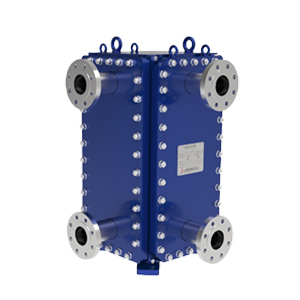
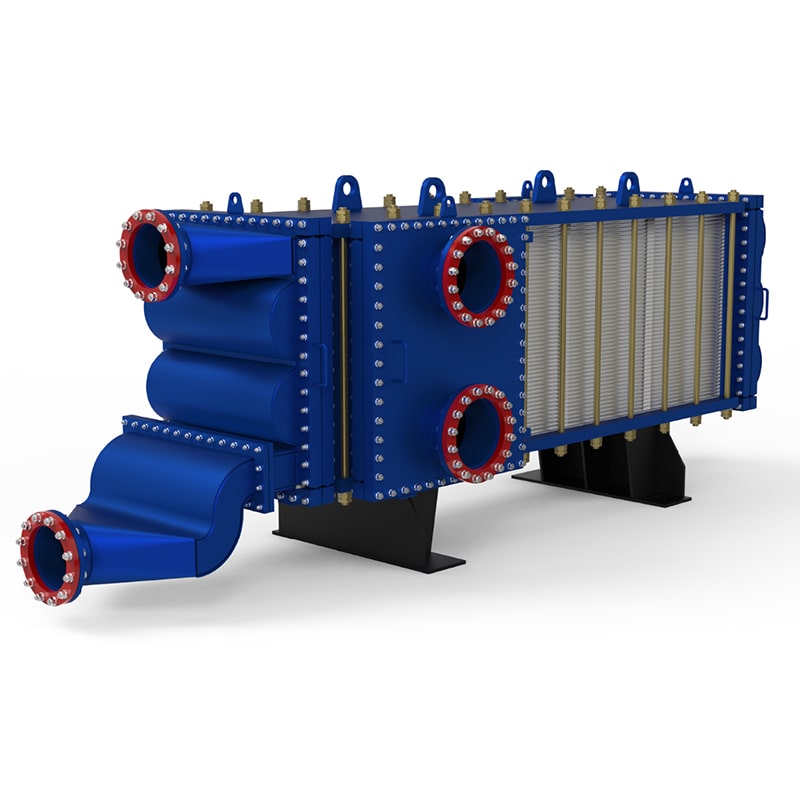
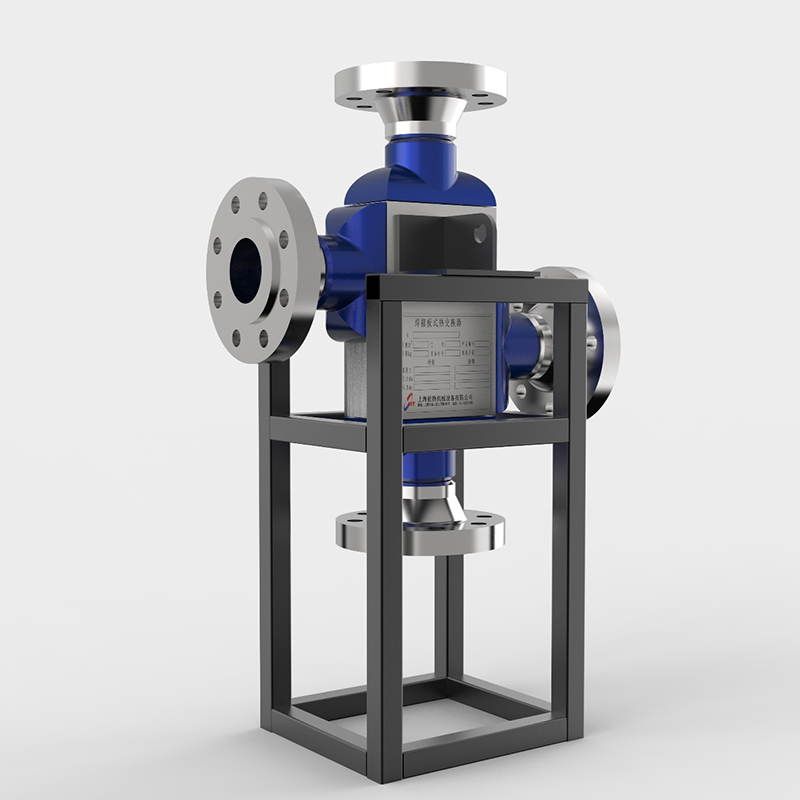
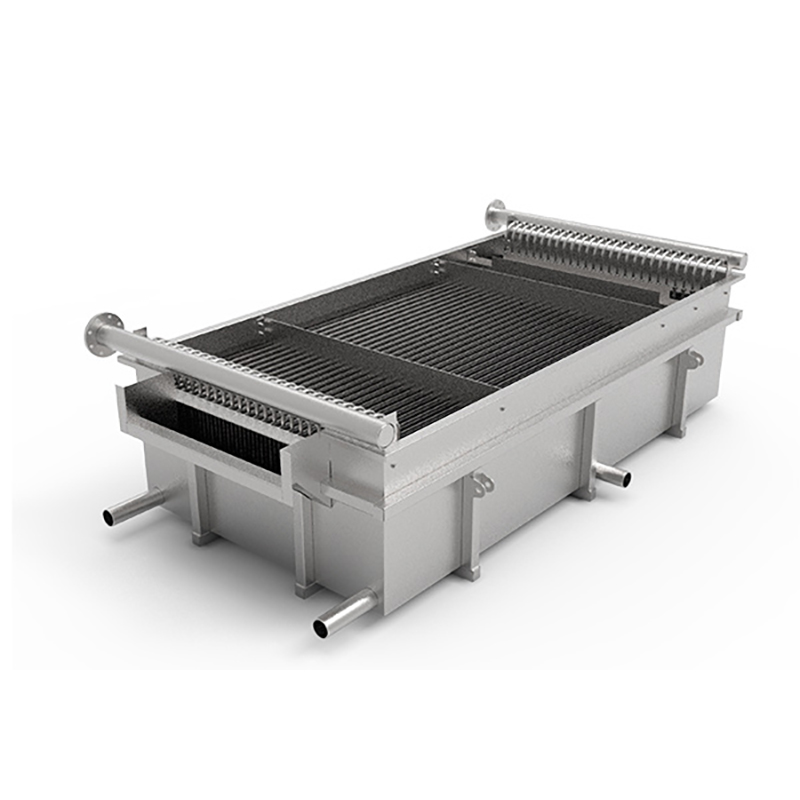
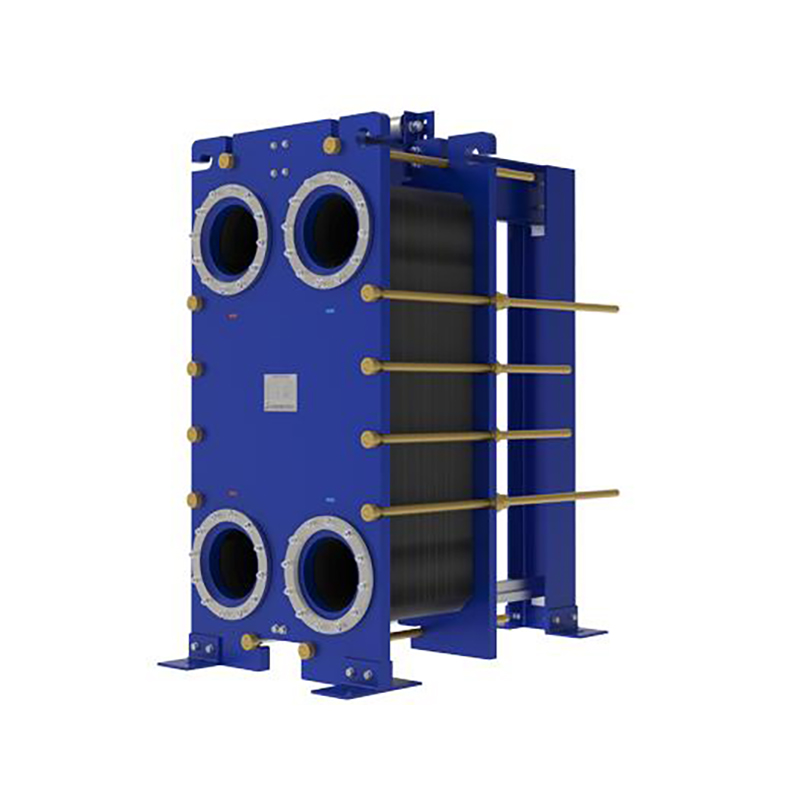
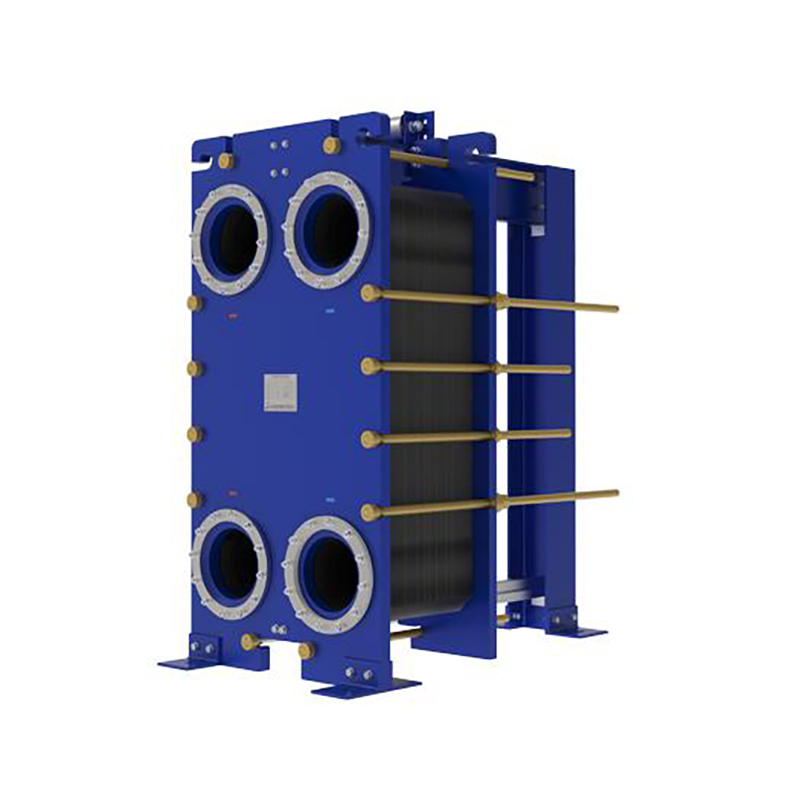
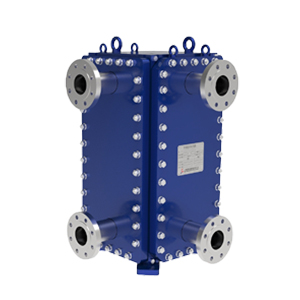
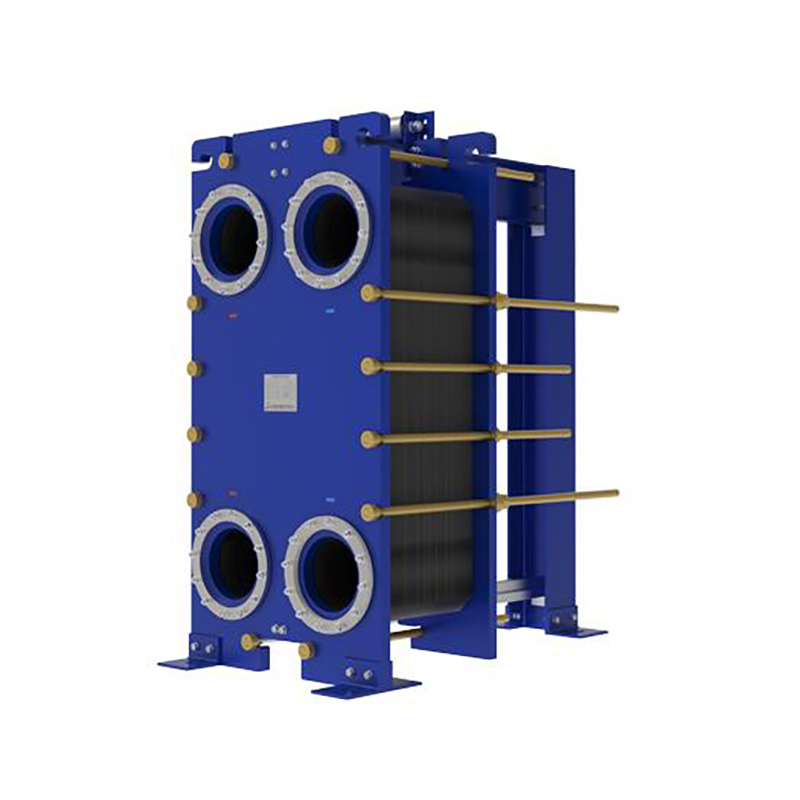
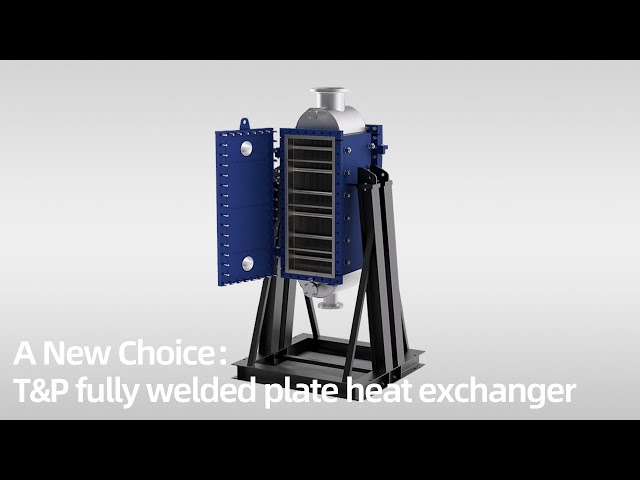
A Counter Flow Plate Heat Exchanger is a type of heat transfer equipment designed for efficient thermal exchange between two fluids flowing in opposite directions. This configuration is engineered to maximize the temperature difference between the fluids across the entire heat transfer surface, leading to superior efficiency compared to parallel-flow or cross-flow arrangements. These exchangers are constructed with a series of corrugated metal plates compressed together in a frame, creating alternating channels for the hot and cold fluids. The counter-flow design is particularly advantageous in applications requiring close temperature approaches, often achieving temperature differences as low as 1-2°C (1.8-3.6°F), which is a significant performance metric in industries like HVAC, power generation, chemical processing, and food and beverage production. The compact plate design offers a much larger surface area for heat transfer relative to their size than traditional shell-and-tube heat exchangers, making them ideal for installations where space is a constraint. Their modular nature allows for easy capacity expansion by simply adding more plates to the frame.
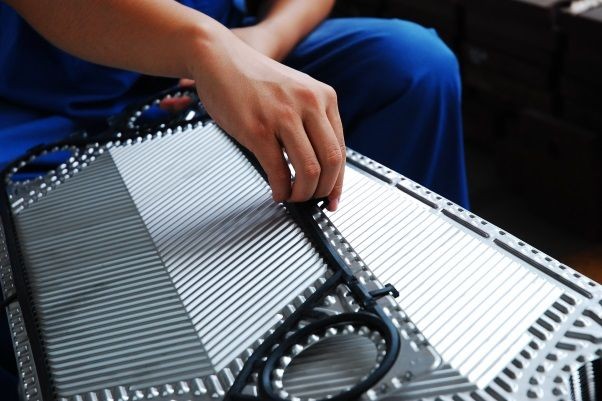
The operational principle of a counter flow plate heat exchanger hinges on its ability to maintain a more consistent and favorable log mean temperature difference (LMTD) throughout the unit. In this arrangement, the hottest point of the hot fluid is in close proximity to the coldest point of the cold fluid at one end, and conversely, the cooled-down hot fluid is near the warmed-up cold fluid at the opposite end. This parallel but opposite movement ensures that the average driving force for heat transfer (the temperature difference) is maximized and remains relatively stable across the length of the exchanger. For instance, if a hot fluid enters at 90°C and is cooled to 40°C, while a cold fluid enters at 20°C and is heated to 85°C, the LMTD is significantly higher than in a parallel flow system where the exit temperatures would be much closer together. This high LMTD directly translates to a greater rate of heat transfer for a given surface area, often allowing a plate heat exchanger to be up to 50% smaller than a shell-and-tube unit handling the same duty. The corrugated pattern on the plates is not random; it is meticulously designed to induce turbulent flow at lower fluid velocities. This turbulence enhances the heat transfer coefficient by disrupting the stagnant boundary layer at the plate surface, with typical film heat transfer coefficients ranging from 3,000 to 7,000 W/m²°C for water-like fluids, vastly outperforming the 1,000 to 2,000 W/m²°C typical of shell-and-tube exchangers. This high efficiency directly reduces the required heat transfer area, lowering material costs. Furthermore, the turbulence minimizes fouling by preventing the settlement of particles on the heat transfer surfaces, a critical factor in maintaining long-term performance and reducing maintenance downtime. The tight temperature approaches achievable, such as cooling water to within 1-2°C of the incoming chilled water temperature, make them indispensable for energy recovery systems, dramatically improving overall system efficiency and reducing operational costs.
How Counter Flow Plate Heat Exchanger Work
 English EN
 中国 CN
中国 CN
 French FR
 German DE
 Portuguese PT
 Spanish ES
 Russian RU
 Japanese JA
 Korean KO
 Arabic AR
 Turkish TR
 Italian IT







User Comments
Service Experience Sharing from Real Customers
David Chen
Process EngineerThis counter flow plate heat exchanger has dramatically improved our thermal efficiency. The compact design saved significant space, and the performance under high-pressure conditions is exceptional. Highly recommended for any chemical processing application.
Sarah Wilkinson
Facilities ManagerWe retrofitted our entire HVAC system with these units. The counter flow design provides superior temperature control and has cut our energy consumption for heating and cooling by nearly 20%. Installation was straightforward and the build quality is outstanding.
Michael Rodriguez
BrewmasterExcellent heat exchanger for wort cooling. The counter flow design allows for precise temperature control, which is critical for our product quality. It's efficient, easy to clean, and very durable. Lost one star only because the initial gasket configuration needed slight modification for our specific setup.
James Foster
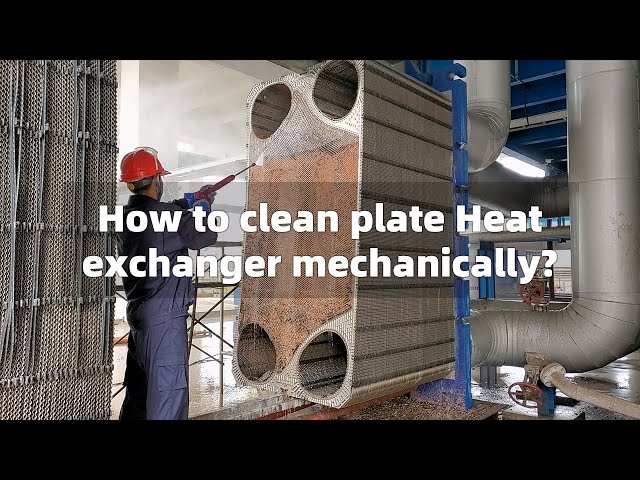
Maintenance SupervisorAs a maintenance supervisor, I appreciate equipment that is both reliable and easy to service. This plate heat exchanger is exactly that. The plates are accessible for cleaning and the design minimizes fouling. It has been running flawlessly in our district heating system for over a year with zero downtime.