
 English EN
 中国 CN
中国 CN
 French FR
 German DE
 Portuguese PT
 Spanish ES
 Russian RU
 Japanese JA
 Korean KO
 Arabic AR
 Turkish TR
 Italian IT
Emerging Trends in PCHE Heat Exchanger Research
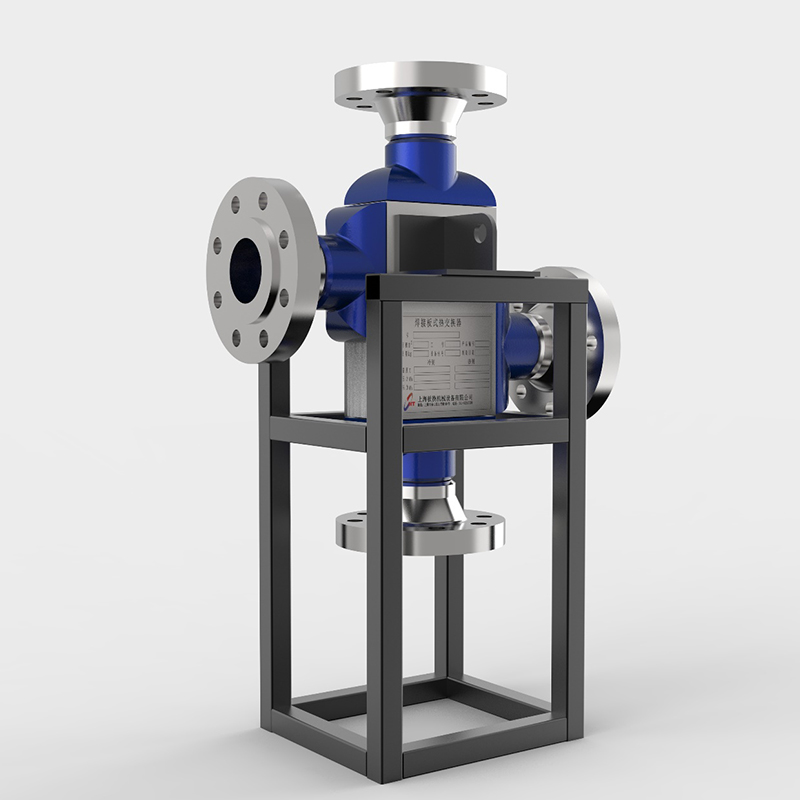
What drives the latest breakthroughs in pche heat exchanger research? Shanghai Plate Heat Exchanger stands at the forefront with its Printed Circuit Heat Exchanger, setting new standards in industrial performance. These exchangers deliver remarkable heat transfer in a compact form, offering high pressure ratings and increased thermal efficiency. Recent studies show that PCHEs can be 2-5 times more efficient than traditional models, with reduced size and weight.
The global PCHE market was valued at USD 449.89 million in 2024 and is expected to reach USD 2.5 billion by 2033.
Growth is fueled by rising demand in energy, chemical, and automotive sectors.
PCHE Heat Exchanger Innovations
Recent advances in pche heat exchanger research have transformed the industry. Scientists and engineers focus on improving manufacturing, design, and materials. Shanghai Plate Heat Exchanger leads the way with its Printed Circuit Heat Exchanger, setting new standards for high-performance heat exchangers. These innovations drive efficiency, reliability, and adaptability across many sectors.
Additive Manufacturing Advances
Additive manufacturing techniques have revolutionized the production of microchannel heat exchangers. This technology allows engineers to build complex channel patterns directly from digital models. The process enables dense configurations that traditional machining cannot achieve. Manufacturers benefit from reduced material waste and shorter production times. Custom designs can be created quickly to meet specific needs in industries like aerospace and automotive.
Additive manufacturing is a disruptive innovation in heat exchanger technology.
Printed circuit heat exchangers are essential for extreme temperature and pressure applications, such as cryogenic energy storage and supercritical CO2 power cycles.
The integration of ai and data-driven methods is improving the design and operation of heat exchangers.
Shanghai Plate Heat Exchanger uses advanced additive manufacturing techniques to produce microchannel heat exchangers with high heat transfer efficiency. Their products offer compact designs and superior performance, making them a top choice for demanding applications.
AI-Driven Design Tools
The use of ai and computational fluid dynamics has changed the way engineers approach optimization in heat exchanger design. AI-driven tools help predict heat transfer and flow behavior with greater accuracy. These tools enable faster and more effective optimization of microchannel layouts and thermal performance.
AI Model | Improvement | Description |
|---|---|---|
Extreme Learning Machines (ELM) | Predictive accuracy | Developed to enhance heat transfer predictions. |
Gaussian Process Regression (GPR) | Superior performance | Effective with datasets containing outliers. |
Improved Stochastic Configuration Network (ISCN) | Design efficiency | Validated for predicting flow behavior. |
Long Short-Term Memory (LSTM) | Design efficiency | Used for modeling complex relationships in data. |
Genetic Algorithms and Principal Component Analysis help optimize heat exchanger performance.
Neural Network Fitting Tools show high predictive accuracy, capturing complex interactions.
Genetic Algorithms explore solutions for economical and heat-resistant designs.
Shanghai Plate Heat Exchanger applies ai-driven design tools to optimize their Printed Circuit Heat Exchanger products. This approach ensures high-performance and reliable solutions for customers.
Advanced Materials Development
Material innovation is crucial for high-performance heat exchangers. New materials improve durability, heat transfer, and resistance to extreme conditions. Recent developments include nanomaterials like carbon nanotubes and graphene-based composites. These materials offer higher thermal conductivity than traditional metals. They allow for more compact designs and better heat transfer coefficients.
Material Type | Application Characteristics | Performance Benefits |
|---|---|---|
Stainless Steel | General-purpose applications | Good corrosion resistance, cost-effective |
Nickel-based Alloys | Corrosive or high-temperature environments | High durability and resistance to extreme conditions |
Copper Alloys | Applications requiring high thermal conductivity | Excellent heat transfer properties, suitable for high-efficiency designs |
High heat transfer efficiency with effectiveness up to 98%.
Heat transfer area density reaching up to 2500 m²/m³.
High temperature resistance above 900 K and pressure resistance above 60 MPa.
Compact design with lower pressure drop compared to traditional heat exchangers.
Shanghai Plate Heat Exchanger uses diffusion bonding technology and a variety of materials, including stainless steel, nickel alloys, and titanium. This approach creates robust, maintenance-free microchannel heat exchangers that perform well under extreme conditions. Their innovative designs and manufacturing techniques help reduce energy consumption and operational costs.
Tip: Choosing the right material and design can maximize optimization and ensure long-term reliability in high-performance applications.
Shanghai Plate Heat Exchanger stands as a leader in pche heat exchanger innovation. Their commitment to advanced manufacturing, ai-driven optimization, and material development sets them apart in the industry.
Expanding Applications for High-Temperature Heat Exchangers
High-temperature heat exchangers are now essential in many advanced industries. Their compact size and high efficiency make them ideal for demanding environments where space and performance matter most. Shanghai Plate Heat Exchanger’s Printed Circuit Heat Exchanger stands out as a reliable solution for these sectors.
Aerospace and Space Systems
Aerospace and space missions require equipment that can handle extreme conditions. High-temperature heat exchangers play a key role in thermal management for aircraft and spacecraft. The following table shows how these exchangers support critical systems:
Application Area | Description |
|---|---|
Environmental Control Systems (ECS) | Essential for maintaining cabin comfort in aerospace applications. |
Avionic Cooling Systems | Provides high-performance cooling for critical electronic components. |
Engine Oil Cooling Systems | Ensures safety and reliability of engines at various altitudes. |
PCHE heat exchangers are up to 85% smaller and lighter than traditional models, which helps save space and weight in aircraft.
They withstand extreme pressures and temperatures, making them suitable for harsh aerospace conditions.
The diffusion bonding process keeps the material strong and reliable during flight.
Electric Vehicles and Battery Cooling
Electric vehicles need efficient high-temperature heat exchangers to keep batteries and electronics at safe temperatures. If heat transfer drops, energy use rises and the system’s performance suffers. Studies show that PCHE heat exchangers improve efficiency in electric vehicle thermal transport systems, especially when using CO2 as a refrigerant. Optimized designs have shown an 11.92% boost in overall performance compared to traditional options.
Oil, Gas, and Extreme Environments
High-temperature heat exchangers are vital in oil, gas, and other extreme settings. Shanghai Plate Heat Exchanger offers solutions using advanced materials for these tough jobs:
Material | Application Areas | Benefits |
|---|---|---|
Titanium | Seawater cooling systems, desalination plants, offshore platforms | Outstanding corrosion resistance, exceptional durability, long service life, reduced total cost of ownership |
Nickel Alloys | Petrochemical refineries, aerospace testing rigs, waste-to-energy plants | Engineered for extreme environments, high temperatures, acidic/alkaline media, cyclic thermal loading |
These exchangers provide reliable service in harsh environments, ensuring safe and efficient operation. Their compact design and strong materials make them a top choice for modern thermal management needs.
Note: Shanghai Plate Heat Exchanger continues to deliver innovative solutions for industries that demand the best in high-temperature heat exchangers.
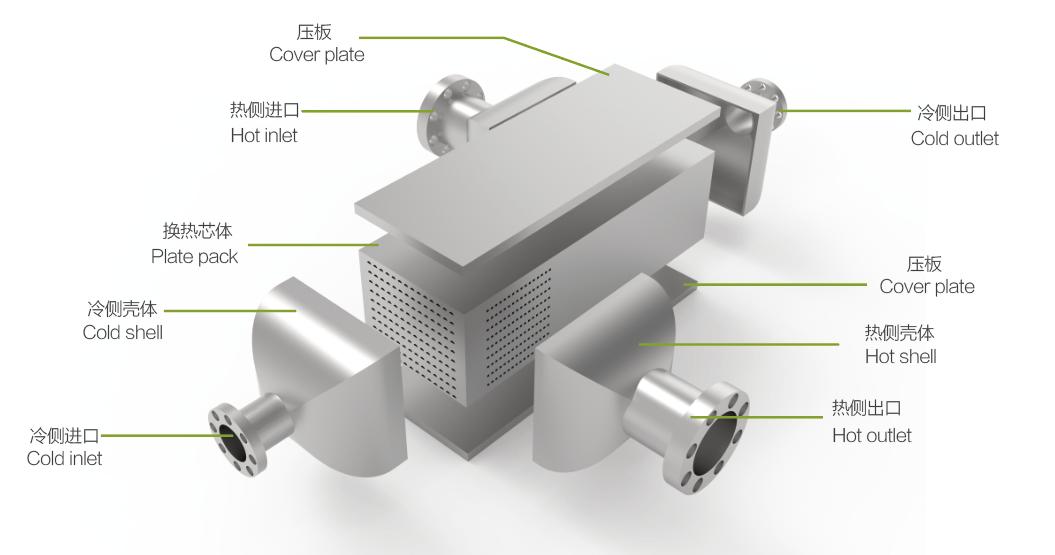
Challenges in Advanced Heat Exchanger Technologies
Advanced heat exchanger technologies continue to evolve, but several challenges remain for researchers and industry leaders. These challenges affect performance, reliability, and the ability to scale up for widespread use.
Corrosion and Material Limits
Corrosion resistance is a major concern in harsh environments. The choice of material can determine the lifespan and safety of a heat exchanger. Recent studies have compared different stainless steels and alloys under various conditions:
Material | Condition Description | Corrosion Resistance Observed |
|---|---|---|
UNS S32707 | 170°C outer skin, 95°C inner skin, 20°C seawater | Resisted internal pitting corrosion |
UNS S32750 | 105°C outer skin, 70°C inner skin, 35°C seawater | Severe pitting observed |
UNS S31266 | 0.5 ppm chlorinated seawater at 35°C | Resisted crevice corrosion at aramid-gaskets |
UNS S32707/31266 | Full scale loop in chlorinated seawater | Resisted pitting corrosion in water box |
General Findings | High-grade hyperduplex and superaustenitic stainless steels | Better corrosion resistance than UNS S32750 and S31254 |
Shanghai Plate Heat Exchanger uses high-grade alloys and advanced bonding methods to ensure long-term durability in their pche heat exchanger products.
Safety and Reliability
Safety and reliability are top priorities in advanced heat exchanger technologies. Failures can lead to serious incidents, as seen in past refinery and plant accidents linked to thermal stress. Current research focuses on:
Improving thermal stress analysis to prevent failures.
Developing predictive models for early detection of issues.
Using real-time monitoring systems to boost operational reliability.
Shanghai Plate Heat Exchanger applies strict quality controls and advanced monitoring to maintain safe and reliable operation in demanding industries.
Manufacturing Scalability
Scaling up production for large-scale deployment presents unique barriers. Some of the main issues include:
Complex manufacturing processes and high production costs.
The need for optimized flow distribution networks.
Most studies use small-scale specimens, so long-term durability in real environments needs more verification.
Structural reliability and stability under operational stresses remain challenging.
Many improvements rely on 3D printing, which still faces fabrication-reliability limits.
Shanghai Plate Heat Exchanger invests in research and development to improve manufacturing efficiency and ensure consistent quality at scale. Their commitment to innovation helps address these industry-wide challenges and supports the growth of advanced heat exchanger technologies.
Note: Ongoing research aims to close gaps in additive manufacturing, standardize testing, and improve understanding of material performance under extreme conditions.
Sustainability and Efficiency Trends
Life-Cycle Assessment
Life-cycle assessment helps measure the environmental impact of heat exchangers from production to disposal. Modern plate heat exchangers show impressive results.
Embodied carbon payback periods range from 1 to 3 years.
After the payback period, these exchangers provide net positive environmental benefits.
Operational lifespans extend from 15 to 25 years.
Shanghai Plate Heat Exchanger’s Printed Circuit Heat Exchanger supports long-term environmental goals. Its compact design and robust materials reduce waste and promote efficient use of resources.
Energy Savings and Carbon Reduction
Energy savings and carbon reduction are key goals for many industries. Case studies highlight the advantages of PCHEs in real-world applications:
Case Study | Key Outcomes |
|---|---|
LNG Plant, Middle East | 60% reduction in installed plot space, 30% improvement in thermal efficiency, significantly lower maintenance downtime |
Offshore North Sea Production Platform | Lower weight load on the deck, improved start-up times, reduced risk of leaks in high-pressure gas service |
Shanghai Plate Heat Exchanger’s products help companies minimize fuel consumption and lower greenhouse gas emissions. Their PCHEs are essential for sustainable energy solutions, including hydrogen production and CO2 sequestration.
Long-Term Performance
The global market for PCHE heat exchanger technology continues to grow. In 2024, the market value reached USD 449.89 million and is projected to rise to USD 694.94 million by 2033. Industries such as aerospace and defense rely on PCHEs for their small footprint and high-pressure resistance. These exchangers are also used in cryogenic processes, like LNG applications, where they maintain consistent performance under extreme conditions. Their robust construction allows them to handle pressure fluctuations and thermal cycling. As LNG and cryogenic storage infrastructure expands, PCHEs support stable and efficient operation in demanding environments.
Shanghai Plate Heat Exchanger demonstrates a strong commitment to sustainability. Their energy-efficient heat exchangers support green city initiatives and emerging sustainable technologies.
Future Outlook for PCHE Heat Exchangers
Integration with Next-Gen Energy Systems
The future of PCHE heat exchangers looks promising as industries move toward cleaner and more efficient energy solutions. The global shift to renewable energy sources, such as hydrogen, solar, and wind, is creating new opportunities for these exchangers. PCHEs play a key role in advanced energy systems by enabling efficient heat transfer and waste heat recovery. Their compact size and high performance make them ideal for power generation and energy storage. As the world focuses on decarbonizing industry, PCHEs help optimize processes and support sustainability goals. Shanghai Plate Heat Exchanger continues to develop technology that meets the needs of next-generation energy projects.
Digital Twin and Predictive Maintenance
Digital twin technology is changing how companies manage and maintain heat exchangers. A digital twin is a virtual model that mirrors the real equipment. This model uses real-time data to predict performance and detect problems early. Real-time monitoring allows engineers to track temperature, pressure, and flow inside the exchanger. Predictive maintenance uses this information to schedule repairs before failures occur. This approach reduces downtime and extends the life of the equipment. Shanghai Plate Heat Exchanger invests in digital twin solutions and real-time monitoring systems to ensure reliable operation for their customers.
Open Innovation and Collaboration
Open innovation and collaboration are shaping the future of PCHE heat exchanger research. Companies, universities, and research centers work together to develop new designs and materials. This teamwork speeds up the creation of better products and helps solve industry challenges. The PCHE market is growing quickly as more industries demand compact and efficient solutions. Asia-Pacific leads this growth, with countries like China, India, and Japan investing in energy and infrastructure. Shanghai Plate Heat Exchanger partners with global experts to stay at the forefront of technology and deliver advanced solutions for a changing world.
PCHE heat exchanger research is advancing rapidly. New materials like carbon nanotubes and graphene improve heat transfer and allow for smaller designs.
Innovative materials like carbon nanotubes and graphene-based composites are being used in heat exchangers, offering thermal conductivity values significantly higher than traditional metals.
Machine learning is changing how engineers model and maintain heat exchangers.
This review highlights how machine learning is transforming heat exchanger modeling by surpassing traditional methods, enhancing predictive accuracy, and enabling condition-based maintenance.
Shanghai Plate Heat Exchanger leads with its Printed Circuit Heat Exchanger, offering reliable solutions for modern industries. Ongoing research and market growth promise even greater efficiency and sustainability.
FAQ
What makes Printed Circuit Heat Exchangers different from traditional models?
Printed Circuit Heat Exchangers use microchannels etched into metal plates. This design increases heat transfer efficiency and reduces size. Shanghai Plate Heat Exchanger offers PCHEs that are compact and reliable for demanding industries.
Which industries benefit most from PCHE technology?
Industries such as aerospace, energy, oil and gas, and electric vehicles use PCHEs. These exchangers handle high temperatures and pressures. Shanghai Plate Heat Exchanger provides solutions for these sectors.
How does Shanghai Plate Heat Exchanger ensure product durability?
Shanghai Plate Heat Exchanger uses advanced materials and diffusion bonding. This process creates strong, leak-proof exchangers. Their products resist corrosion and perform well in extreme environments.
Can PCHEs help reduce energy costs?
Yes. PCHEs maximize heat transfer and minimize energy loss. Companies using Shanghai Plate Heat Exchanger’s products often see lower energy bills and improved efficiency.
Are PCHEs customizable for specific applications?
PCHEs can be custom-designed for different flow rates and thermal loads. Shanghai Plate Heat Exchanger offers tailored solutions to meet unique industry requirements.