Engine Heat Exchanger: Principles, Applications, and Performance Advantages
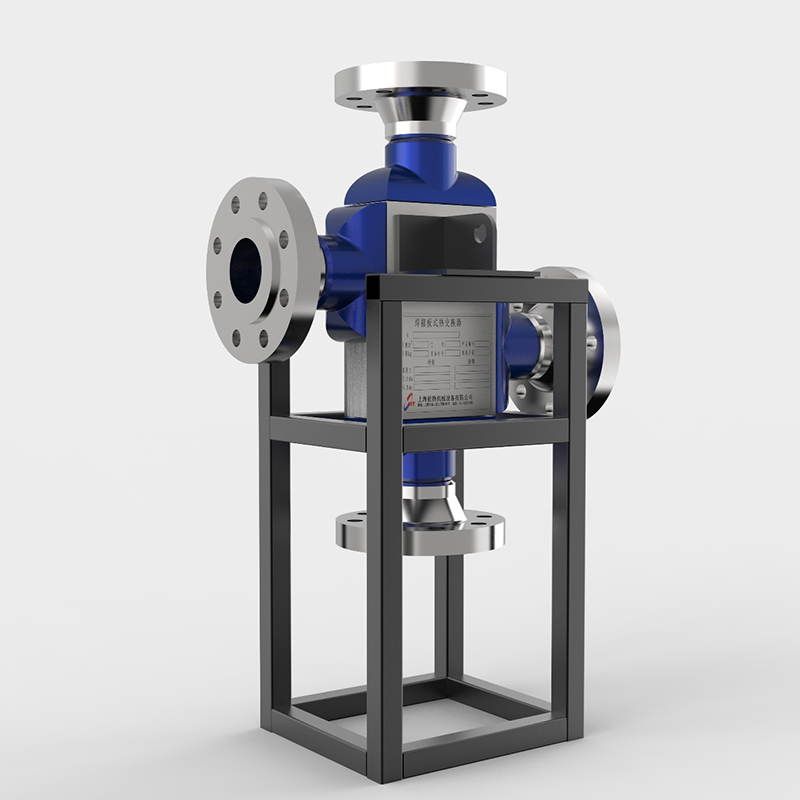
An engine heat exchanger is a critical thermal management component designed to regulate engine temperature by transferring excess heat from the engine coolant or oil to a secondary fluid, typically air or water. This process is fundamental to maintaining optimal operating temperatures, preventing overheating, and ensuring engine efficiency and longevity. Utilizing principles of conduction and convection, these devices facilitate efficient thermal exchange between fluids without allowing them to mix, thereby preserving the integrity of each system while effectively dissipating waste heat generated during combustion and mechanical operation.
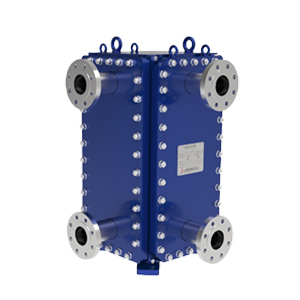
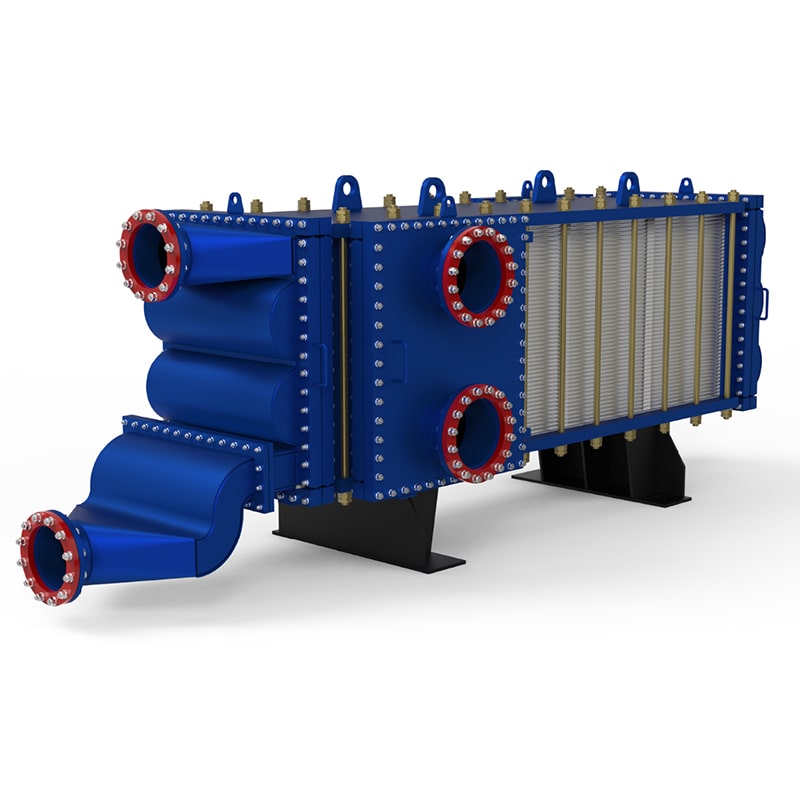
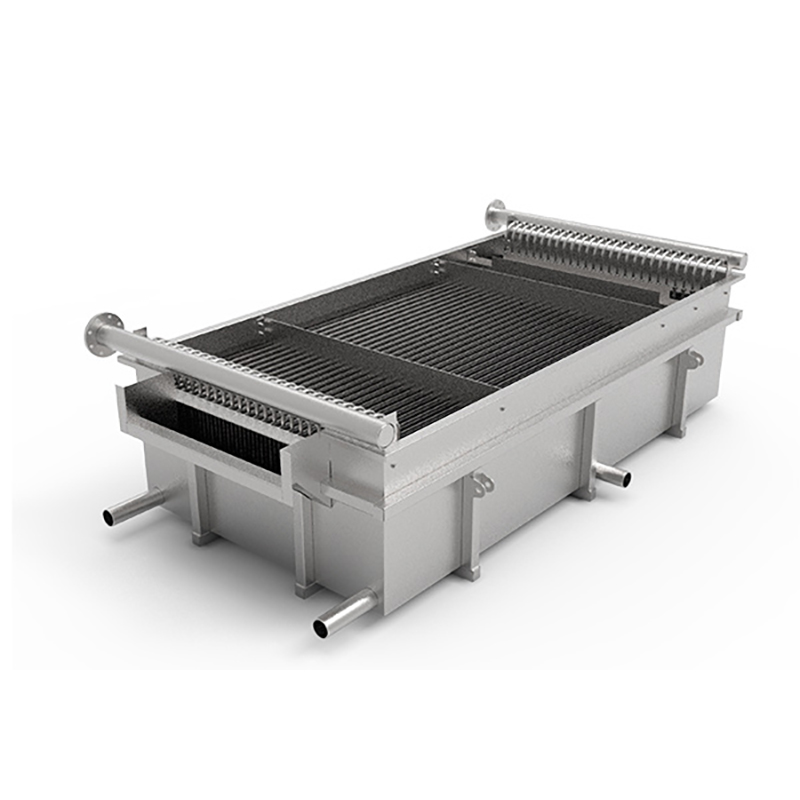
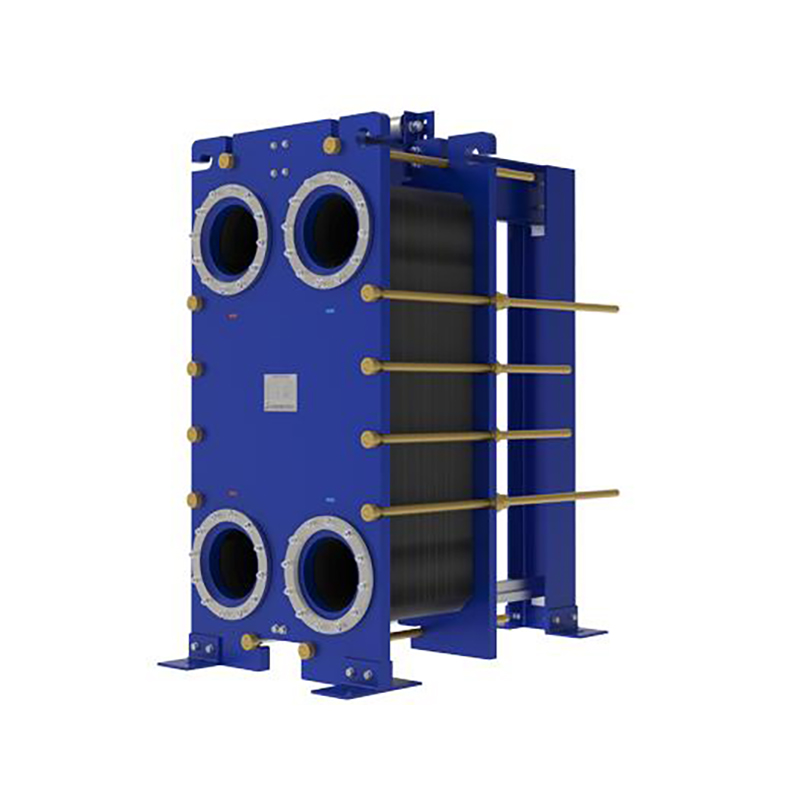
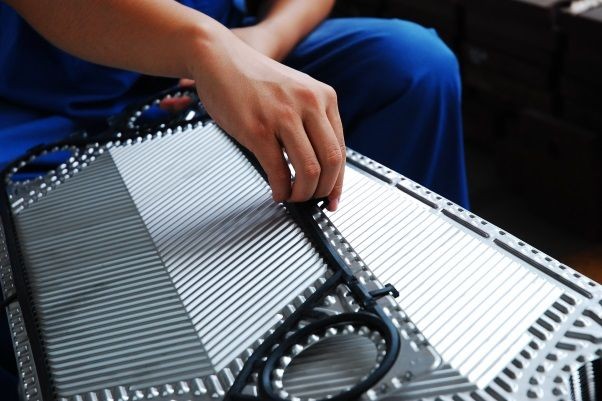
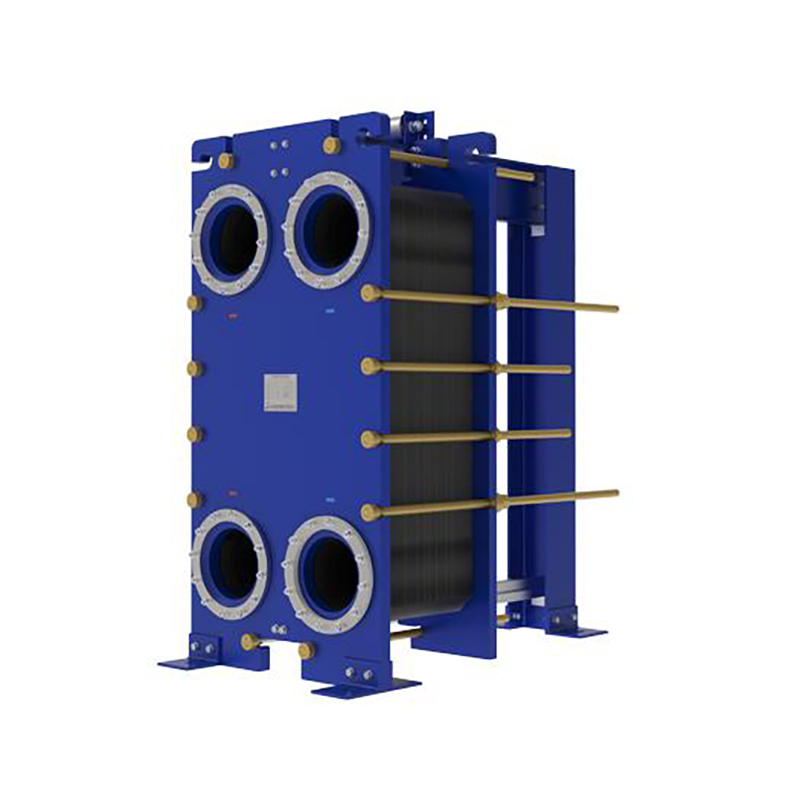
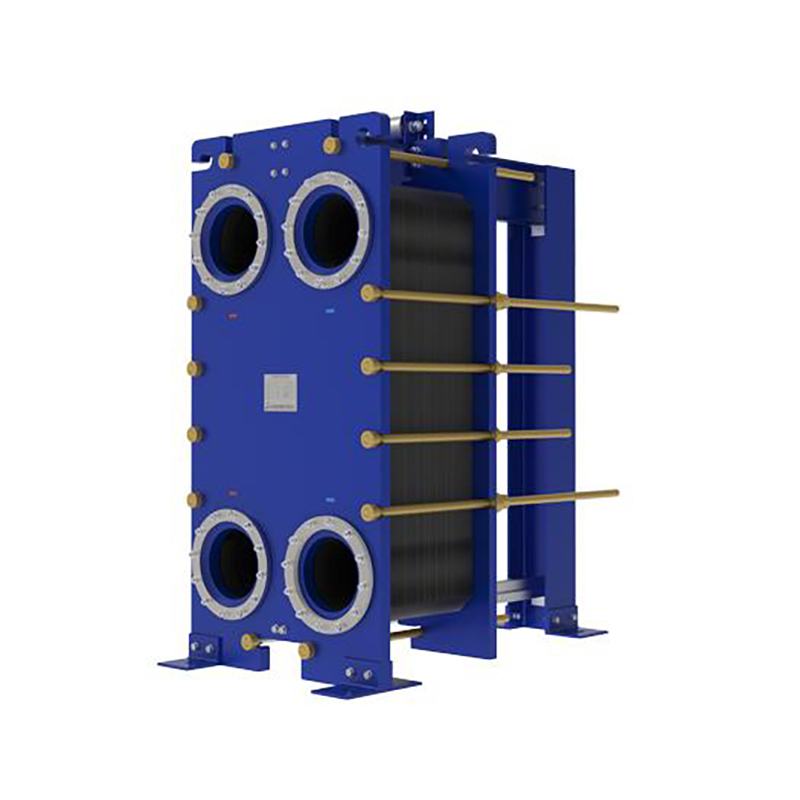
The operational principle of an engine heat exchanger is rooted in the fundamental laws of thermodynamics, specifically heat transfer through conduction and convection. In a typical shell-and-tube or plate-and-fin configuration, the hot engine coolant flows through a series of tubes or channels while a cooler fluid, such as ambient air or raw water, circulates around these passages. This setup creates a large surface area for thermal exchange, enabling heat to move from the hotter internal fluid to the cooler external medium. The efficiency of this process is quantified by the overall heat transfer coefficient (U), which depends on factors like material thermal conductivity, fluid flow rates, and temperature differentials. For instance, aluminum alloys are commonly used in air-cooled exchangers due to their high thermal conductivity (~200 W/m·K), while copper-nickel alloys are preferred in marine applications for their corrosion resistance and good conductivity. Advanced computational fluid dynamics (CFD) simulations show that optimized fin designs can improve heat dissipation rates by up to 25% compared to standard designs, directly impacting fuel efficiency by maintaining engines within their ideal thermal range (85-95°C for most diesel engines). Moreover, plate-type exchangers, with their compact and efficient design, can achieve heat transfer coefficients as high as 5000 W/m²·K under turbulent flow conditions, making them indispensable in high-performance automotive and industrial engines where space constraints and thermal loads are critical considerations.
Why Use an Engine Heat Exchanger
Implementing an engine heat exchanger delivers substantial operational, economic, and environmental benefits by enhancing thermal efficiency and system reliability. Data from industry applications indicate that engines equipped with high-efficiency heat exchangers experience up to 15% reduction in fuel consumption due to maintained optimal operating temperatures, which improve combustion efficiency and reduce viscous friction in engine oil. For example, in marine diesel engines, heat exchangers prevent overheating in challenging environments, reducing downtime and maintenance costs by up to 30% according to operational reports from shipping fleets. Additionally, they facilitate waste heat recovery systems, where excess thermal energy is repurposed for cabin heating or preheating fuels, thereby lowering overall energy use and emissions. Compliance with stringent environmental regulations, such as IMO Tier III and EPA standards, is another critical driver; heat exchangers help reduce NOx and particulate emissions by ensuring precise temperature control. Real-world data from automotive OEMs show that vehicles with advanced cooling systems incorporating heat exchangers exhibit longer engine life (often exceeding 200,000 miles without major overhaul) and lower CO2 output by approximately 5-10% compared to poorly cooled systems. Furthermore, in renewable energy systems like biomass generators, heat exchangers enhance overall efficiency by 20-25%, proving essential for sustainable power generation and operational cost savings.
 English EN
 中国 CN
中国 CN
 French FR
 German DE
 Portuguese PT
 Spanish ES
 Russian RU
 Japanese JA
 Korean KO
 Arabic AR
 Turkish TR
 Italian IT







User Comments
Service Experience Sharing from Real Customers
Michael Chen
Marine EngineerThis engine heat exchanger is incredibly robust and efficient. It has significantly improved our vessel's cooling system performance, even under the most demanding conditions. The build quality is exceptional.
Sarah Johnson
Maintenance SupervisorA fantastic product! The installation was straightforward, and the heat transfer efficiency is outstanding. It has drastically reduced our generator's operating temperatures and improved overall reliability. Highly recommended.
David Rodriguez
Heavy Equipment MechanicVery durable and well-designed heat exchanger. It was a perfect fit for our mining haul trucks. The only reason it's not a 5 is that the delivery took a bit longer than expected, but the product itself is top-notch.
Emily Williams
Plant ManagerWe replaced our old, failing units with these, and the difference is night and day. Our production line's machinery now runs at optimal temperatures, reducing wear and tear and preventing costly downtime. A brilliant piece of engineering.