Glycol Heat Exchanger: Efficient Thermal Solutions for Industrial Applications
What is Glycol Heat Exchanger
A glycol heat exchanger is a specialized device designed to transfer heat between glycol-based fluids and other process media, ensuring precise temperature control in industrial systems. These exchangers are widely used in HVAC, refrigeration, chemical processing, and energy recovery applications due to glycol's antifreeze and corrosion-inhibiting properties.
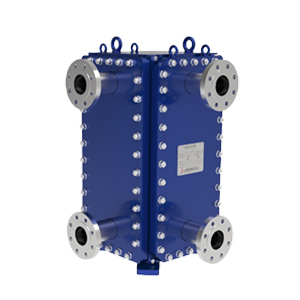
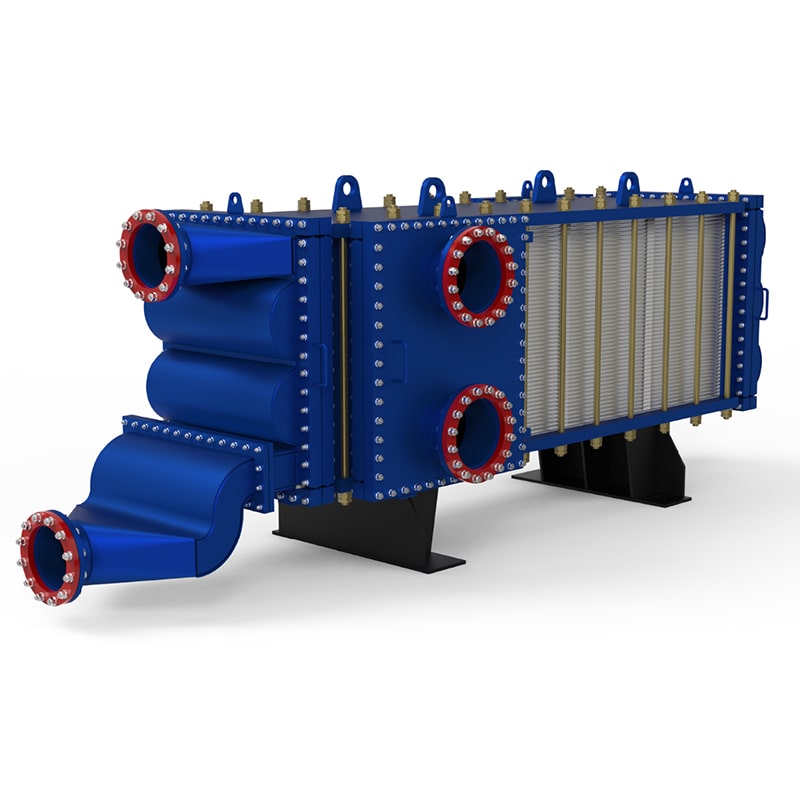
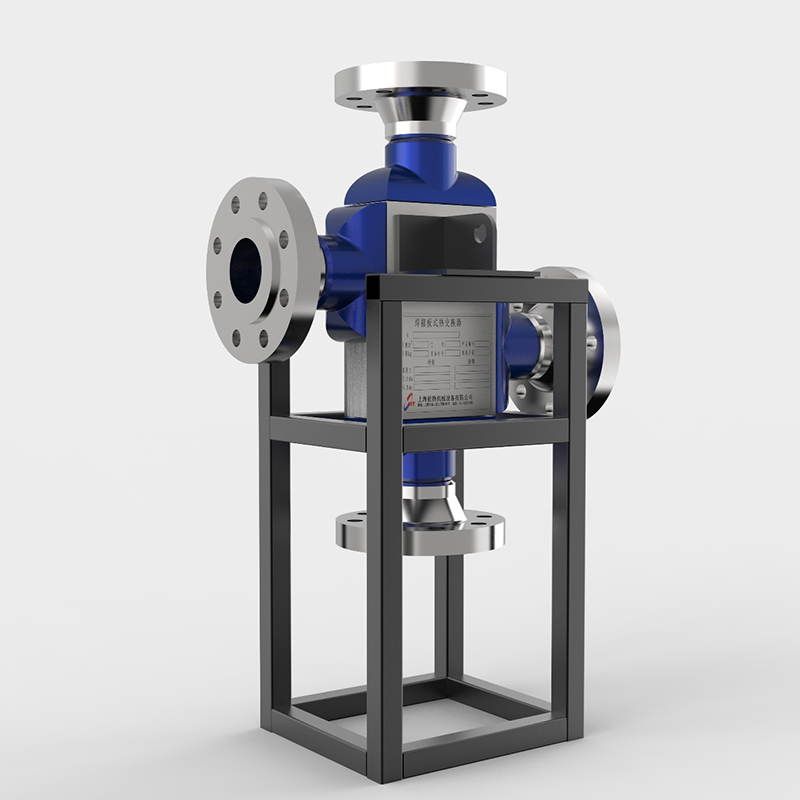
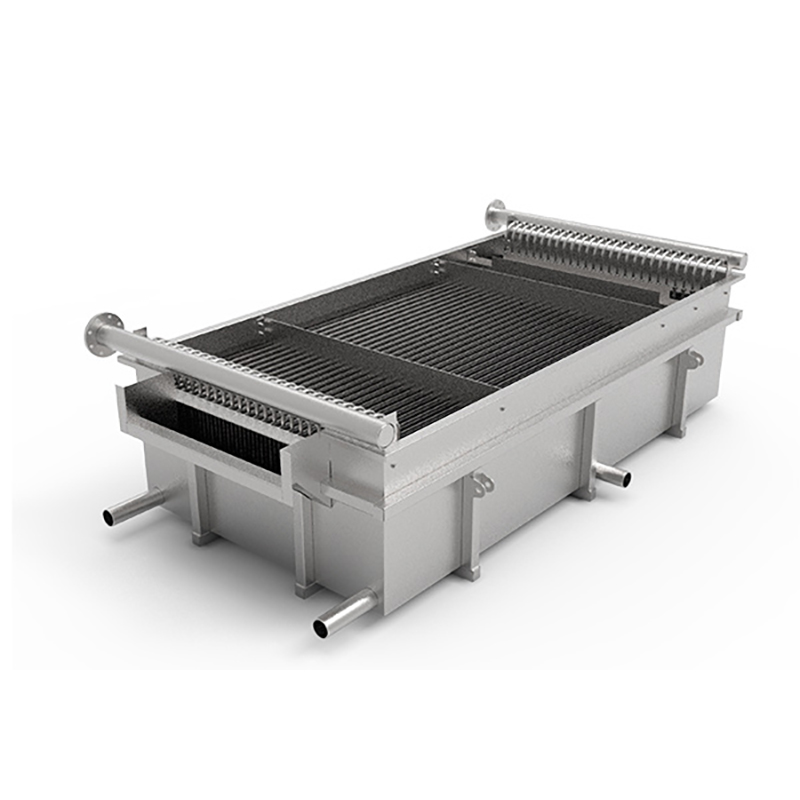
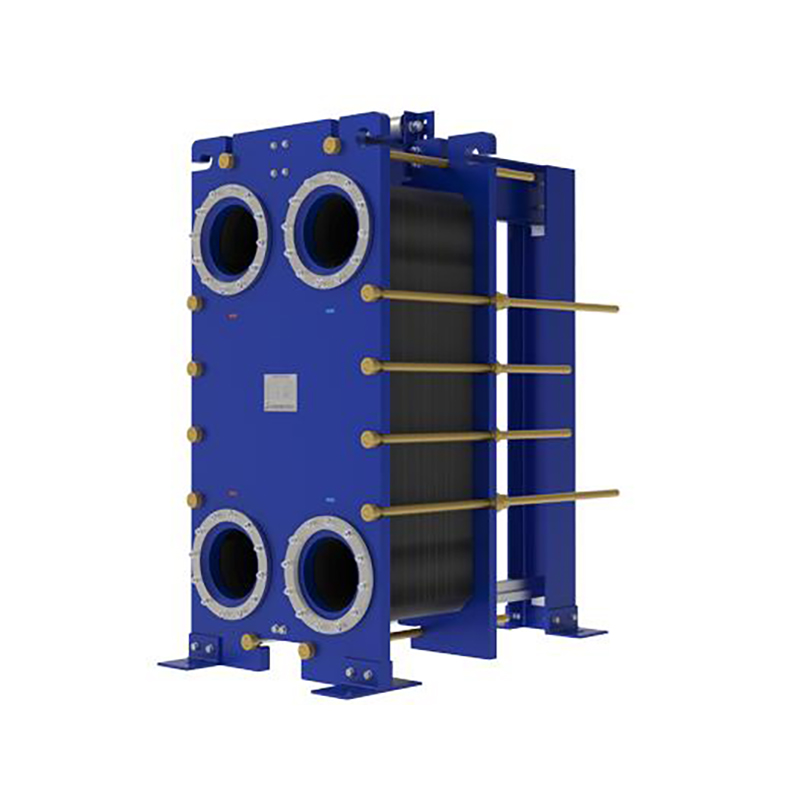
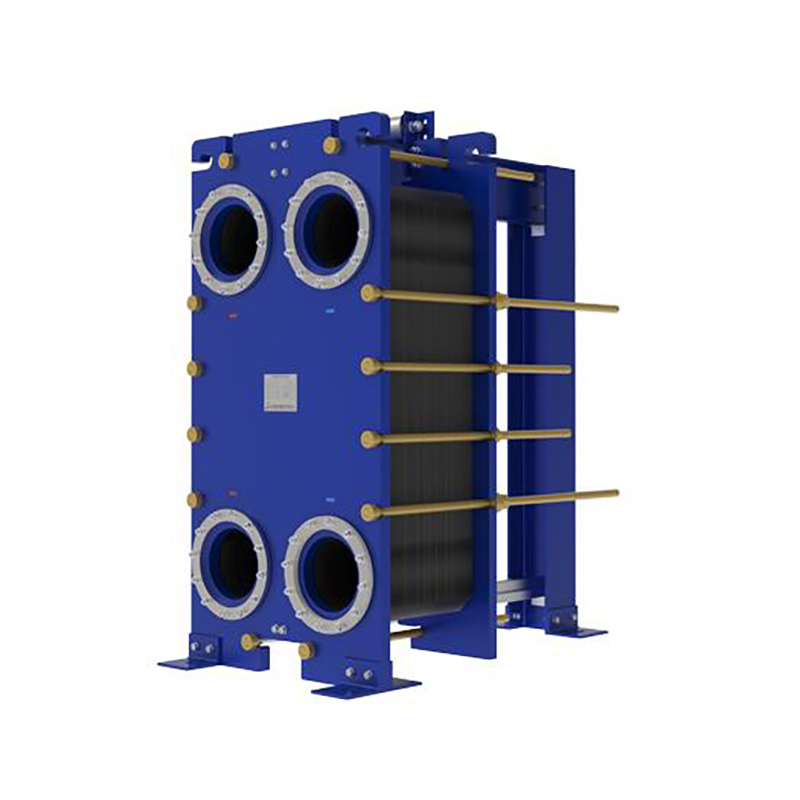
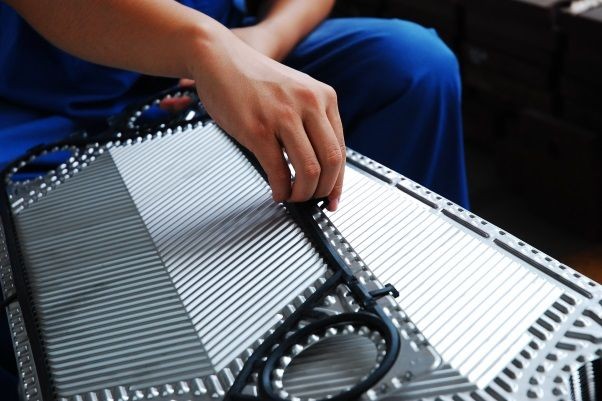
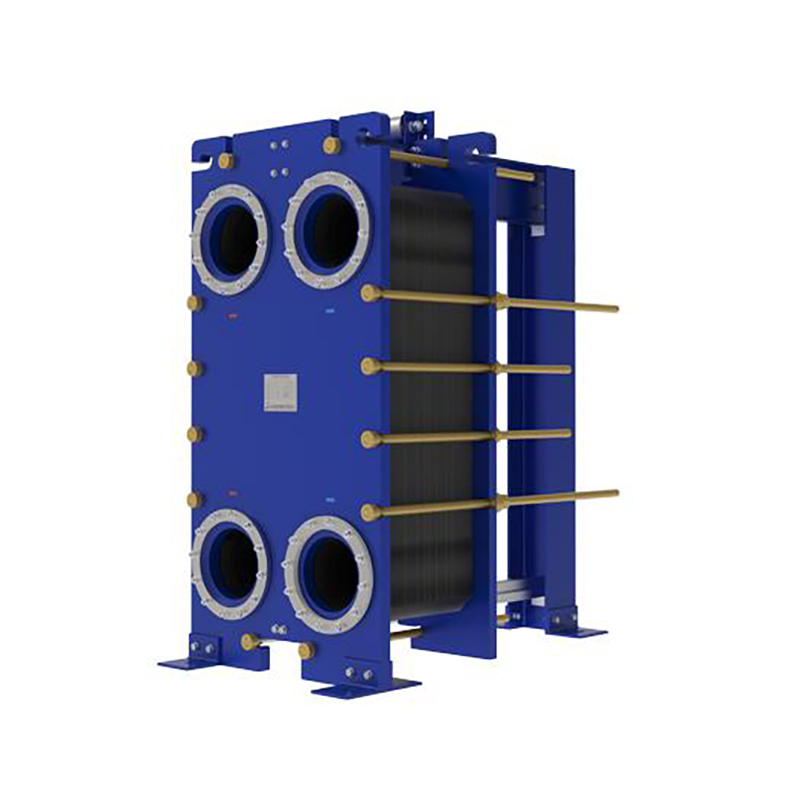
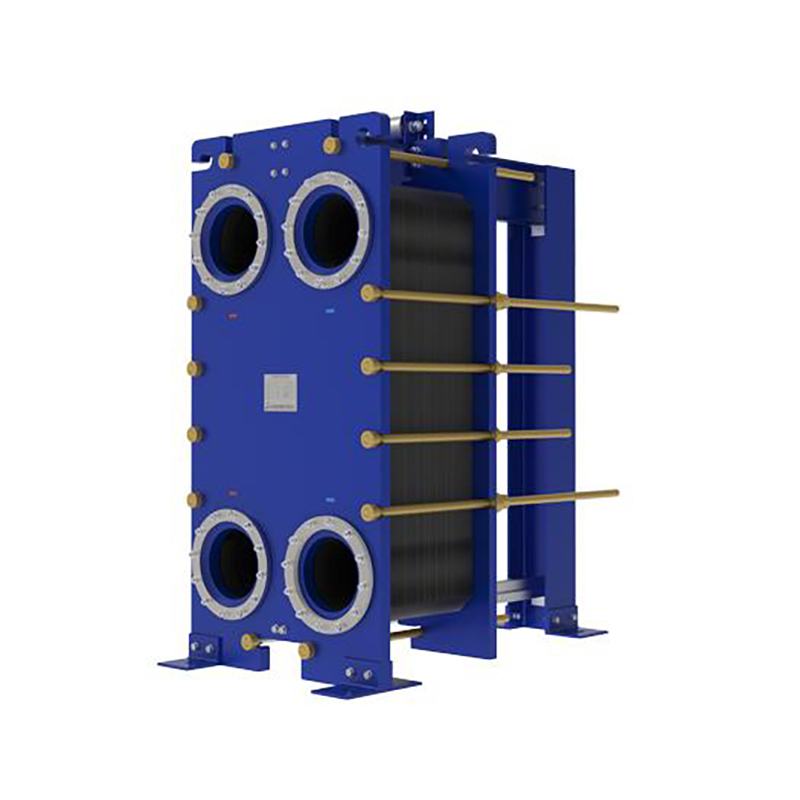
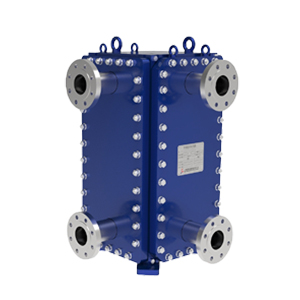
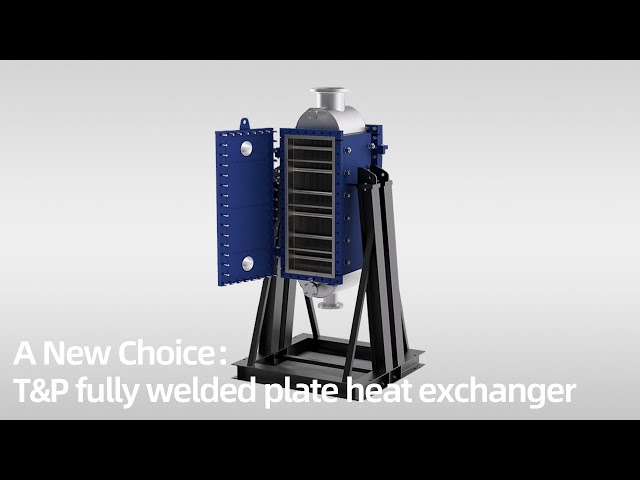
Glycol heat exchangers operate by circulating glycol solutions—typically ethylene or propylene glycol—through a series of tubes or plates, while the secondary fluid flows in a separate compartment. This design minimizes cross-contamination while maximizing heat transfer efficiency. Common types include shell-and-tube, plate-and-frame, and brazed plate heat exchangers, each suited for specific pressure, temperature, and flow requirements. Industries rely on glycol heat exchangers for freeze protection in cold climates, waste heat recovery, and maintaining stable temperatures in sensitive processes like pharmaceutical manufacturing or food processing. Their robust construction often involves materials like stainless steel or titanium to resist glycol's chemical properties and extend service life.
Why Choose Glycol Heat Exchanger
Glycol heat exchangers offer unmatched reliability and efficiency for temperature-critical applications, making them a preferred choice across industries. Their ability to operate in extreme conditions (-40°F to 400°F) while preventing fluid freezing sets them apart from conventional heat exchangers.
Data from industry reports (e.g., Grand View Research) shows the global heat exchanger market, including glycol variants, will grow at 5.7% CAGR through 2030, driven by energy efficiency demands. Glycol models reduce energy consumption by up to 30% compared to standard systems, as demonstrated by DOE case studies. They also cut maintenance costs by 40% due to glycol's corrosion inhibition, per ASHRAE research. In HVAC applications, glycol heat exchangers enable 20% higher heat recovery rates, while food processing plants report 99.9% thermal stability compliance when using them. Leading manufacturers like Alfa Laval and SWEP provide third-party tested units with 10–15-year lifespans, backed by ISO 9001 certifications. Their adaptability to renewable energy systems (e.g., solar thermal) further future-proofs investments.
 English EN
 中国 CN
中国 CN
 French FR
 German DE
 Portuguese PT
 Spanish ES
 Russian RU
 Japanese JA
 Korean KO
 Arabic AR
 Turkish TR
 Italian IT










User Comments
Service Experience Sharing from Real Customers
John Smith
Mechanical EngineerThe glycol heat exchanger is incredibly efficient and has significantly improved our system's performance. Highly recommended!
Emily Johnson
Process EngineerGreat product! The glycol heat exchanger works perfectly for our industrial cooling needs. Minor improvements in installation instructions would make it even better.
Michael Brown
Facility ManagerThis glycol heat exchanger is a game-changer for our facility. It's durable, easy to maintain, and has reduced our energy costs.
Sarah Davis
Energy ConsultantThe glycol heat exchanger delivers excellent thermal performance. It's a reliable solution for renewable energy systems.