
 English EN
 中国 CN
中国 CN
 French FR
 German DE
 Portuguese PT
 Spanish ES
 Russian RU
 Japanese JA
 Korean KO
 Arabic AR
 Turkish TR
 Italian IT
How Marine Heat Exchangers Keep Your Boat Engine Efficient
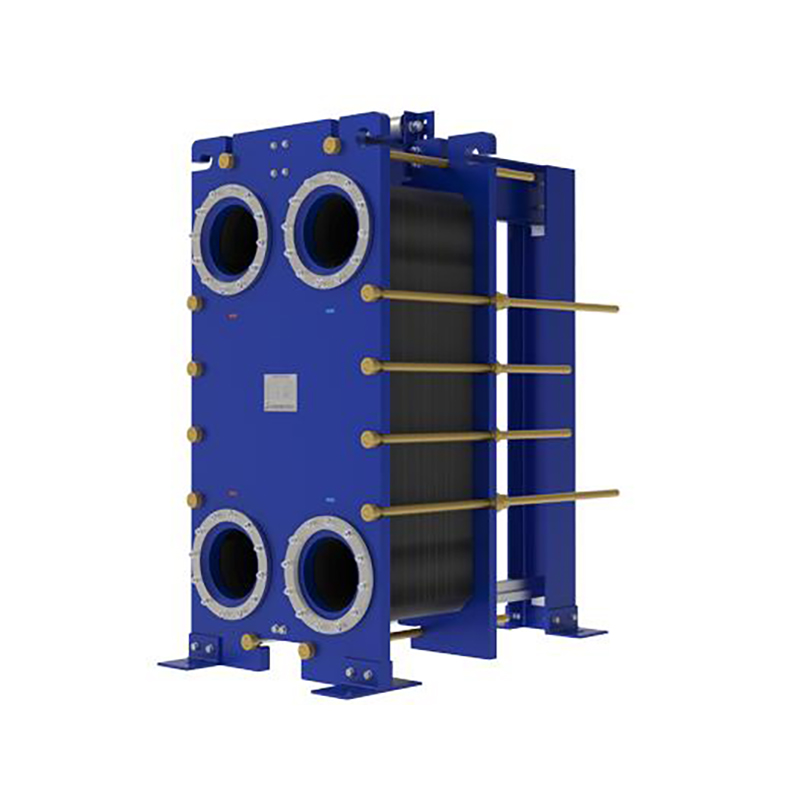
A marine heat exchanger keeps a boat’s engine cool and running strong. When the engine stays at the right temperature, it performs better and lasts longer. Industry studies show that smart heat exchanger designs, like plate-fins or vortex generators, boost engine output and efficiency. Take a look at these findings:
Study | Findings | Impact on Engine Performance and Longevity |
|---|---|---|
J.-Y. Jang et al. (2013) | Incorporation of plate-fins led to a 33-fold increase in TEG output power. | Enhanced thermal management improves engine performance and reduces operational costs. |
Bai et al. (2014) | Continuous plate-fin configuration increased heat transfer rate but also had the highest pressure drop. | Optimized heat transfer contributes to better engine efficiency. |
Ma et al. (2017) | Use of longitudinal vortex generators improved net output power despite increased pressure drop. | Positive impact on TEG output supports engine longevity through efficient heat recovery. |
Choosing a quality product, like those from Shanghai Heat Transfer, gives boat owners peace of mind on the water.
Marine Heat Exchanger Basics
Engine Cooling Explained
A boat engine generates a lot of heat every time it runs. Without a way to remove this heat, the engine could quickly overheat and break down. A marine heat exchanger steps in to solve this problem. It works by moving heat away from the engine coolant and transferring it to raw water from the sea or lake. The coolant absorbs heat from the engine block, then flows through the heat exchanger. Here, the raw water picks up the heat and carries it overboard. This process keeps the engine at a safe, steady temperature.
Tip: A thermostat inside the system helps control coolant flow, making sure the engine stays in the ideal temperature range.
Preventing Overheating
Overheating is a common issue for boat engines, but a reliable marine heat exchanger can help prevent it. Several things can cause an engine to run too hot:
Impeller or water pump failure
Blocked water intake or strainer
Thermostat malfunctions
Corrosion or salt buildup inside the cooling system
Leaks that let air into the system
Regular checks and cleaning can keep these problems at bay. Choosing a high-quality marine heat exchanger, like the Gasketed Plate Heat Exchanger from Shanghai Heat Transfer, adds another layer of protection. Its modular design and efficient heat transfer help keep temperatures under control, even in tough conditions.
Efficiency and Longevity
A well-designed marine heat exchanger does more than just cool the engine. It helps the engine run smoothly, saves fuel, and extends its life. By keeping oil at the right temperature, it prevents thermal breakdown and sludge formation. This means better lubrication and less wear on engine parts. Efficient heat exchangers also reduce fuel consumption and lower emissions, which is good for both your wallet and the environment.
Type of Heat Exchanger | Advantages | Limitations | Best Applications |
|---|---|---|---|
Tubular Heat Exchanger | Durable, easy to clean, handles high pressure | Bulky, lower efficiency per volume | Heavy-duty, harsh environments |
Plate Heat Exchanger | High efficiency, space-saving, modular | Prone to clogging, gasket wear | Commercial ships, drilling rigs |
Shell and Tube Heat Exchanger | Reliable, handles large volumes | Large footprint, complex upkeep | Cargo ships, tankers, naval vessels |
Routine inspections are one of the most effective and overlooked strategies for maximizing the performance and lifespan of shell & tube heat exchangers. Regular inspections allow operators to detect early warning signs and schedule corrective action before costly downtime develops.
Shanghai Heat Transfer’s Gasketed Plate Heat Exchanger stands out for its efficiency, durability, and easy maintenance, making it a smart choice for boat owners who want to protect their engines and enjoy worry-free time on the water.
How Marine Heat Exchangers Work
Coolant and Raw Water Flow
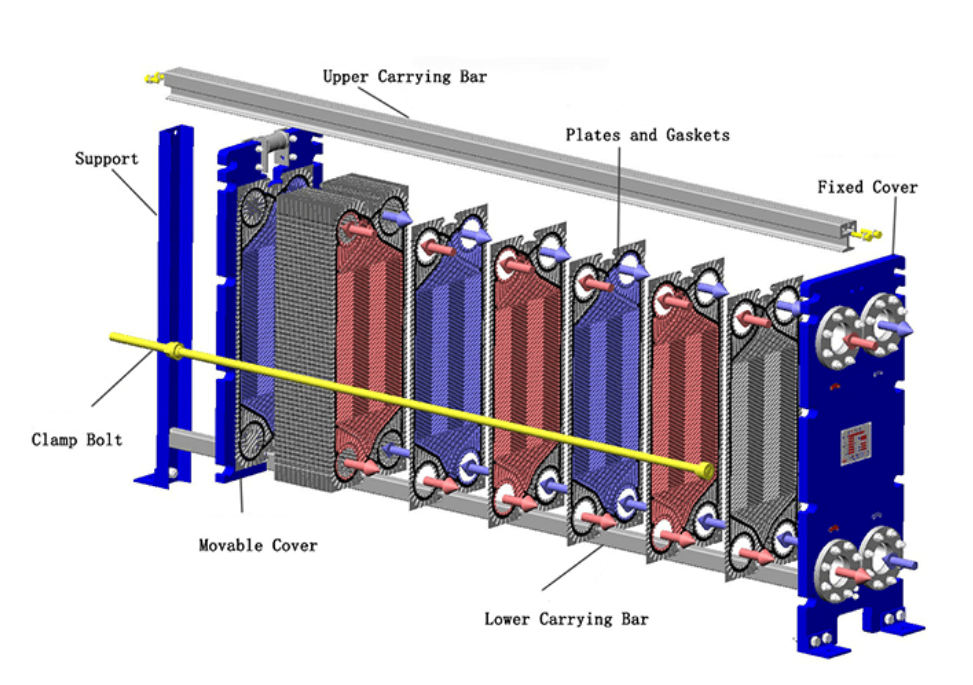
A marine heat exchanger uses two separate water flows to keep a boat engine cool. The first flow comes from the engine coolant. This coolant moves through the engine, picking up heat as it goes. The second flow comes from raw water, usually pulled straight from the sea or lake. The raw water enters the heat exchanger and runs in the opposite direction of the coolant. This setup helps transfer heat more efficiently.
Most small diesel engines use at least one main heat exchanger.
Larger engines often have several heat exchangers to cool different fluids.
The raw water flow rate for main engines can reach about 50 gallons per minute.
This steady movement of coolant and raw water keeps the engine from getting too hot. When boat owners choose a high-quality marine heat exchanger, like the Gasketed Plate Heat Exchanger from Shanghai Heat Transfer, they get reliable cooling and peace of mind.
Tip: Always check the raw water intake for blockages before heading out. Clean water flow means better engine protection.
Heat Transfer Process
The heart of a marine heat exchanger is the heat transfer process. As the hot coolant from the engine passes through one side of the exchanger, the cooler raw water flows on the other side. The two liquids never mix. Instead, heat moves from the hot coolant to the cooler raw water through thin metal plates or tubes.
Heat Exchanger Type | Efficiency Comparison |
|---|---|
Marine Plate Heat Exchanger | High efficiency in ship cooling compared to traditional methods |
Marine plate heat exchangers, like those from Shanghai Heat Transfer, use special corrugated plates to create turbulence. This design boosts heat transfer and keeps the system compact. Studies show that the efficiency ratio of compact fin-and-plate heat exchangers to straight helical tube types ranges from 1.379 to 1.254. That means a marine heat exchanger can cool an engine much faster and with less space than older designs.
Note: Efficient heat transfer means the engine stays at the right temperature, which helps save fuel and reduce wear.
Exhaust and Water Discharge
After the heat transfer process, the now-warmed raw water needs to leave the system. The marine heat exchanger sends this water out through the exhaust or a separate discharge outlet. This step removes the heat from the boat, keeping the engine bay cool.
Some boats mix the warm water with engine exhaust gases before releasing it overboard. This method helps cool the exhaust and makes the system quieter. Others use a separate outlet for the water. Both methods work well, as long as the discharge stays clear and free of blockages.
A well-designed marine heat exchanger, such as the Gasketed Plate Heat Exchanger from Shanghai Heat Transfer, handles these flows smoothly. Its modular design and durable materials make it a smart choice for boaters who want efficient cooling and easy maintenance.
Remember: Regularly check the discharge outlet for debris or buildup. Clear water flow means your engine stays safe and efficient.
Temperature Control and Engine Protection
Maintaining Optimal Temperature
A boat engine needs to stay cool to run smoothly. Marine heat exchangers use two fluids: coolant and seawater. The coolant absorbs heat from the engine, then transfers it to the seawater. This process keeps the engine from overheating, even when sea conditions change. Many modern marine coolers have monitoring systems for temperature and pressure. These systems give real-time diagnostics and help boat owners spot problems early. Predictive maintenance becomes easier, so the engine stays efficient and reliable.
Tip: A quality heat exchanger, like the Gasketed Plate Heat Exchanger from Shanghai Heat Transfer, offers stable temperature control and supports advanced monitoring features.
Corrosion Prevention
Saltwater can be tough on metal parts. Marine heat exchangers must use materials that resist corrosion. Stainless steel, copper-nickel alloy, and titanium are popular choices. These metals protect the system from rust and wear, making them ideal for seawater cooling.
Material | Properties |
|---|---|
Stainless Steel (316L) | Excellent corrosion resistance, high tensile strength, good weldability, ideal for seawater systems. |
Copper-Nickel Alloy | Outstanding seawater corrosion resistance, biofouling resistance, moderate thermal conductivity. |
Titanium | Exceptional strength-to-weight ratio, unmatched corrosion resistance, ideal for critical cooling systems. |
Shanghai Heat Transfer builds its Gasketed Plate Heat Exchanger with durable materials. This design helps prevent corrosion and extends the life of the engine cooling system.
Maintenance Tips
Regular maintenance keeps marine heat exchangers working at their best. Boat owners should watch for common mistakes:
Corrosion can cause pinholes in tubes, leading to leaks.
Debris from zincs or impellers may block seawater flow.
Film and scaling from seawater impurities reduce heat transfer.
Skipping inspections lets leaks and rust go unnoticed.
Cleaning methods matter, too. Mechanical cleaning works for tough deposits. Chemical cleaning suits plate heat exchangers and removes scaling fast. CIP systems allow cleaning without disassembly. Hydroblasting uses high-pressure water jets to clear fouling.
Cleaning Method | Best For | Pros | Cons |
|---|---|---|---|
Mechanical Cleaning | Shell and tube heat exchangers, heavy scaling | Effective on tough deposits, no chemicals | Labor-intensive, risk of damage |
Chemical Cleaning | Plate heat exchangers, scaling, corrosion | Fast, efficient, penetrates complex areas | Requires chemical handling knowledge |
CIP Systems | Food, pharma, automated HVAC systems | No disassembly, reduced labor | Requires upfront investment |
Hydroblasting | Tube bundle cleaning, plate heat exchangers | Removes fouling effectively | Requires setup and monitoring |
Note: Choosing a heat exchanger with Clean-in-Place compatibility, like Shanghai Heat Transfer’s Gasketed Plate Heat Exchanger, makes maintenance easier and reduces downtime.
Choosing a Marine Heat Exchanger
Key Features to Consider
Selecting the right marine heat exchanger can make a big difference in engine performance and peace of mind. Boat owners should look for features that boost efficiency, simplify maintenance, and withstand harsh marine conditions. A modular design allows for easy disassembly, which makes cleaning and repairs much simpler. High thermal efficiency means the engine stays cool with less energy wasted. Durability matters, too. Materials like stainless steel or titanium help resist corrosion from saltwater. Certifications from trusted organizations show that the product meets strict quality and safety standards.
The initial pricing between shell and tube heat exchangers and plate and frame heat exchangers can be misleading. While shell and tube may appear cheaper upfront, the total cost of ownership for plate and frame units is often lower due to faster installation, simpler maintenance, and better energy performance.
Spotlight on Shanghai Heat Transfer
Shanghai Heat Transfer’s Gasketed Plate Heat Exchanger stands out for its smart engineering and reliability. The modular design makes installation and maintenance straightforward. Users can easily take the unit apart for cleaning or add plates to increase capacity. This flexibility saves time and reduces downtime. The heat exchanger uses durable materials like stainless steel and titanium, so it resists corrosion and lasts longer in tough marine environments. Shanghai Heat Transfer holds several important certifications:
ISO9001
ISO14001
OHSAS18001
ASME U Certificate
These certifications show a strong commitment to quality and safety, giving boat owners extra confidence in their choice.
Installation and Compatibility
Before installing a marine heat exchanger, boat owners should check a few key compatibility factors:
Compatibility Factor | Description |
|---|---|
Oil Type | Ensure the cooler is compatible with the engine oil type (synthetic, mineral, or blended). |
Cooling Medium | Identify if the system uses seawater, freshwater, or air, as this affects corrosion resistance. |
Operating Temperature and Pressure | Check if the cooler can withstand peak oil temperatures (80–120°C) and system pressures. |
Flow Rates | Match the cooler’s flow capacity with the oil pump’s output to avoid inefficiencies. |
Marine heat exchangers often face challenges like fouling, leaks, and pressure drops. Regular cleaning, eddy current testing, and timely gasket replacement help keep the system running smoothly. The modular design of Shanghai Heat Transfer’s Gasketed Plate Heat Exchanger makes these tasks much easier, so boat owners spend less time on maintenance and more time enjoying the water.
Marine heat exchangers keep boat engines cool, efficient, and reliable. They transfer heat better than traditional systems, helping engines run at higher temperatures and last longer.
Feature | Marine Heat Exchangers | Traditional Cooling Systems |
|---|---|---|
Cooling Performance | Superior | Less efficient |
Fouling | Minimized | More prone |
Operational Life | Longer | Shorter |
Choosing a trusted brand like Shanghai Heat Transfer gives boaters peace of mind. Regular maintenance prevents overheating and keeps engines performing their best for years.
FAQ
What does a marine heat exchanger do on a boat?
A marine heat exchanger keeps the engine cool by moving heat from the engine coolant to seawater. This process helps the engine run smoothly and prevents overheating during long trips.
How often should someone clean a marine heat exchanger?
Most experts suggest checking and cleaning a marine heat exchanger at least once a year. Regular cleaning removes salt, debris, and buildup, which keeps the system working efficiently.
Can a marine heat exchanger fit any boat engine?
Not every marine heat exchanger fits all engines. Boat owners should check size, flow rates, and material compatibility. Shanghai Heat Transfer offers modular options that work with many engine types.
What are the signs of a failing marine heat exchanger?
Common signs include rising engine temperature, coolant leaks, or reduced engine performance. If these problems appear, it may be time to inspect or replace the marine heat exchanger.
Why choose Shanghai Heat Transfer’s Gasketed Plate Heat Exchanger?
Shanghai Heat Transfer’s Gasketed Plate Heat Exchanger stands out for its modular design, high efficiency, and strong corrosion resistance. Many boat owners trust this brand for reliable engine cooling and easy maintenance.