
 English EN
 中国 CN
中国 CN
 French FR
 German DE
 Portuguese PT
 Spanish ES
 Russian RU
 Japanese JA
 Korean KO
 Arabic AR
 Turkish TR
 Italian IT
How Pillow Plates Improve Efficiency in Heat Exchangers

Pillow plate technology from Shanghai Heat Transfer sets a new standard in heat exchanger efficiency. The innovative design features an internal cavity structure that maximizes heat transfer and mechanical strength. Shanghai Heat Transfer engineers each pillow plate for optimal performance, delivering measurable improvements in energy savings and operational reliability.
Optimal Nusselt number: 68.42
Friction factor: 0.18
Comprehensive performance index: 1.09
The optimal JF increases by 2.23%–10.00% compared to non-optimized systems.
Shanghai Heat Transfer leads the industry with advanced solutions that support sustainable and cost-effective operations.
Pillow Plate Design
Structure and Materials
Shanghai Heat Transfer manufactures the pillow plate, also known as a dimple plate or embossed plate. Industry professionals often refer to these products by other names, such as immersion plates, plate banks, integral jackets, and clamp-on plates. These names reflect the versatility and unique design features that set the pillow plate apart in heat exchange applications. The pillow plate structure consists of two metal sheets welded together, forming wavy channels inside the plate. This design creates enclosed cavities that enhance both heat transfer and mechanical strength.
The alternative names, like immersion plates and integral jackets, highlight the ability of the pillow plate to maintain temperature control and optimize direct fluid contact.
The table below compares the main structural features of pillow plates with traditional flat plates:
Feature | Pillow Plates | Traditional Flat Plates |
|---|---|---|
Heat Transfer Efficiency | Enhanced due to wavy design | Lower efficiency |
Nusselt Number Improvement | Increased by 12–42% | Not specified |
Pressure Drop Impact | Modest increase of ~10% | Higher pressure drop |
Performance Evaluation Criteria | Values exceeding unity (up to 1.8) | Typically below unity |
Manufacturers use a variety of materials to produce pillow plates, each offering specific advantages for different industrial needs. The table below outlines common materials and their benefits:
Material | Advantages |
|---|---|
Austenitic stainless steel (316) | Excellent corrosion resistance and durability |
Duplex stainless steel (2205) | Superior mechanical strength for harsh environments |
Nickel alloys (Hastelloy) | High resistance to corrosion and high temperatures |
Titanium | Excellent corrosion resistance and strength |
Carbon steel | Cost-effective and good mechanical properties |
Aluminum | Lightweight but challenging to weld and process |
Copper | Good thermal conductivity but difficult to process |
Pillow plates from Shanghai Heat Transfer typically feature a maximum area of 24 square meters and plate thickness ranging from 0.8 to 4 mm. The design supports a wide temperature range and high-pressure applications:
Standard design pressure: 150 psi (10.34 bar)
Temperature range: 400°F (204.4°C) to -20°F (-28.9°C)
High-pressure capability: Exceeds 2,000 psi
How It Works
The pillow plate structure uses wavy channels inside the plate to create turbulence as fluids flow through the internal cavities. This turbulence increases the surface area available for heat exchange, resulting in higher efficiency compared to traditional flat plates. The design allows the pillow plate to handle a variety of fluids, including water, oil, and gas, making it suitable for many industrial processes.
Shanghai Heat Transfer engineers each pillow plate to meet the demands of food, chemical, and environmental protection industries. The smooth surfaces of the plate make cleaning easy, which is essential for hygienic applications. The robust construction ensures resistance to pressure and deformation, providing reliable performance in demanding environments. The pillow plate adapts to different operational requirements, supporting both high and low temperatures, as well as various pressure levels.
The versatility and efficiency of the pillow plate design help industries achieve better energy savings, lower operational costs, and improved sustainability.
Efficiency in Heat Exchangers
Enhanced Heat Transfer
Pillow plate technology delivers a significant leap in efficient heat transfer for modern heat exchanger systems. The unique structure of the pillow plate features two metal sheets welded together with embossed dimples. These dimples create wavy channels that increase the surface area and generate turbulence as fluids move through the plate. This turbulence disrupts the boundary layer, allowing for more direct contact between the heating or cooling medium and the process fluid.
The embossed dimples increase surface area and generate fluid turbulence.
The pillow-shaped structure promotes turbulent flow, enhancing the rate of heat exchange.
The design allows for custom shapes and sizes, making pillow plates adaptable for various applications.
Shanghai Heat Transfer engineers each pillow plate to maximize energy efficiency. The increased contact area and turbulence result in higher heat transfer coefficients compared to traditional designs. Experimental studies confirm that pillow plate heat exchangers achieve superior performance, with quantifiable improvements in heat transfer rates.
Study Title | Focus | Findings |
|---|---|---|
Experimental Validation of a Design Method for Small Scale Pillow Plate Heat Exchangers | Pillow plate heat exchangers | Quantified improvement in heat transfer coefficients |
This advanced engineering ensures that industries can achieve efficient heat transfer, reduce process times, and maintain consistent product quality.
Reduced Fouling
Fouling remains a common challenge in many heat exchanger applications. Deposits and contaminants can accumulate on heat transfer surfaces, reducing efficiency and increasing maintenance needs. Pillow plate designs address this issue with smooth, dimpled surfaces that resist fouling and are easy to clean.
Pillow-plate condensers offer a high heat transfer per surface area ratio.
The compact and flexible design allows for easier integration in systems with limited space.
They operate efficiently at low pressures and show promising results with advanced fluids like molten salts and CO₂.
In contrast, traditional shell-and-tube condensers often suffer from fouling and require time-consuming maintenance.
Shanghai Heat Transfer’s pillow plate solutions minimize downtime and extend equipment life. The reduced risk of fouling supports energy efficiency by maintaining optimal heat transfer rates over longer periods.
Cost and Energy Savings
Facilities that adopt pillow plate heat exchangers experience measurable operational savings. The efficient heat transfer achieved by the pillow plate design means less energy is required to reach target temperatures. This reduction in energy consumption leads to lower utility bills and decreased environmental impact.
Many industries report significant cost reductions after switching to pillow plate technology. Maintenance intervals become less frequent due to the plate’s resistance to fouling, which further lowers operational expenses.
Shanghai Heat Transfer focuses on delivering solutions that enhance energy efficiency and sustainability. Their pillow plate products help companies meet environmental goals while improving productivity and profitability.
Liquid Pillow Plate Heat Exchangers
Compact Applications
Liquid pillow plate heat exchangers offer a compact solution for industries that require efficient heat transfer in limited spaces. Their design features multiple pillow-like plates that maximize the surface area for heat exchange. This structure allows for rapid heat transfer and minimal pressure drops, which is essential in environments where space is at a premium. The modular construction of liquid pillow plate heat exchangers supports scalability, making them suitable for both small-scale and large-scale operations. Facilities can easily expand or modify their systems without significant downtime. The ability to handle high pressure ensures reliable performance even in demanding applications. Operators can install these exchangers in tight spaces, such as processing plants or mobile units, without sacrificing efficiency.
The compact footprint of liquid pillow plate heat exchangers helps companies optimize floor space and reduce installation costs.
Versatility Across Industries
Liquid pillow plate heat exchangers serve a wide range of industries due to their adaptability and robust performance. In the food industry, these exchangers provide energy efficiency and reliability, which are critical for food processing and safety. Their smooth surfaces make cleaning easy, supporting hygienic operations. The chemical sector values liquid pillow plate heat exchangers for their ability to manage various fluids and maintain consistent temperatures, which improves process efficiency and product quality. High pressure capability allows these exchangers to operate safely in chemical environments.
In environmental protection, liquid pillow plate heat exchangers contribute to energy savings and reduced emissions. Their efficient design supports sustainable practices and helps companies meet regulatory standards. The table below highlights key factors that influence the selection of pillow plate heat exchangers for different applications:
Application Area | Key Influencing Factors |
|---|---|
Food & Beverage | Increasing demand for processed and packaged foods, need for energy-efficient thermal processing equipment. |
Chemical Processing | Stringent safety regulations, adoption of high-efficiency heat exchangers. |
HVAC and Refrigeration | Rising construction activities, urbanization, push for greener and energy-saving technologies. |
Other Industrial Applications | Technological advancements in temperature-sensitive production processes, rising industrial automation, and environmentally sustainable practices. |
Liquid pillow plate heat exchangers also perform well in high pressure environments, making them a preferred choice for modern industrial processes. Their versatility and reliability ensure that industries can achieve both operational efficiency and sustainability.
Laser Welded Pillow Plate Heat Exchangers
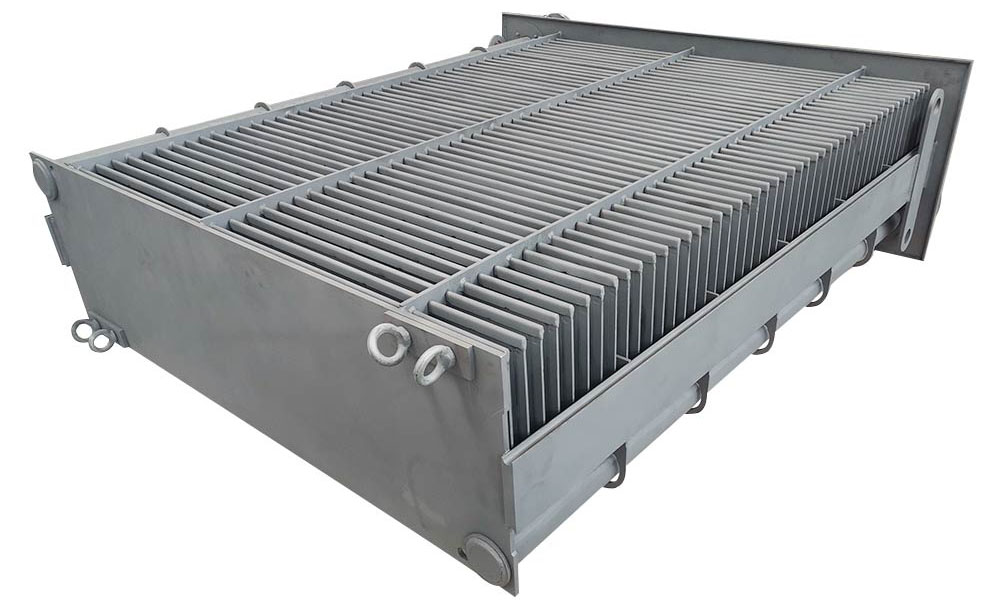
Welding Technology
Laser welded pillow plate heat exchangers use advanced laser welding to join two metal sheets with high precision. This process creates strong, uniform welds that form the signature pillow-shaped channels. The laser welding method allows engineers to design complex flow paths and achieve consistent quality across every unit. These exchangers stand out for their durability and ability to withstand high temperatures and pressures. The smooth, seamless surfaces resist fouling, which makes cleaning simple and fast. Operators in industries such as food processing, chemical manufacturing, and environmental protection value this technology for its reliability and ease of maintenance.
The table below highlights the main advantages of laser welding in these exchangers:
Advantage | Description |
|---|---|
Efficiency | Tests show these exchangers can be up to 37% more efficient. |
Durability | They are built strong, so they can handle high heat and pressure. |
Ease of Cleaning | The smooth plates do not get dirty easily, so cleaning is simple. |
Design Flexibility | Laser welding allows for precise joining of metal sheets, enabling complex designs. |
Performance Comparison
Laser welded pillow plate heat exchangers outperform traditional plate heat exchangers in many key areas. Studies show that these exchangers deliver higher heat transfer rates and improved energy efficiency. For example, research by Wang et al. reports a 57.1% improvement in comprehensive performance. Other studies, such as those by Song et al. and Hamedi et al., document Nusselt number increases between 18.46% and 55%. These gains translate into faster process times and lower energy costs for operators.
The following table summarizes measurable improvements from several studies:
Study | Improvement Type | Efficiency Improvement |
|---|---|---|
Wang et al. [8] | Comprehensive performance | 57.1% |
Song et al. [11] | Nusselt number (Nu) | 18.46% |
Hamedi et al. [12] | Nusselt number (Nu) | 28%-55% |
Piper et al. [13] | Heat transfer efficiency | 2.2% |
Tong et al. [19] | Performance evaluation criterion (PEC) | 29.3% |
Yao et al. [23] | Comprehensive heat transfer performance | 2.30% to 19.59% |
Guo et al. [24] | Heat transfer rate | 3.9% |
Laser welded pillow plate heat exchangers also offer a competitive overall heat transfer coefficient, with values ranging from 1,500 to 4,000 W/m²·K. While traditional plate heat exchangers can reach up to 6,000 W/m²·K, the unique design of laser welded pillow plate heat exchangers provides superior resistance to fouling and easier cleaning. Shanghai Heat Transfer has documented operational savings and improved reliability in real-world installations, making laser welded pillow plate heat exchangers a preferred choice for modern industry.
Pillow plates deliver outstanding efficiency in heat exchangers. Their dimpled design supports precise temperature control and reliable temperature regulation, even in high temperature environments. Industries benefit from:
Enhanced heat transfer and energy savings through turbulent flow at low velocities.
Versatile customization for temperature control in diverse applications.
Low maintenance and easy cleaning, reducing downtime and costs.
Environmental sustainability with reduced emissions and eco-friendly materials.
Shanghai Heat Transfer’s Pillow Plate stands out for high temperature performance, robust temperature control, and mechanical strength. The table below highlights its advantages:
Feature | Description |
|---|---|
High Thermal Efficiency | Large surface area and cavity structure optimize temperature control and temperature regulation. |
Lightweight Design | Durable solution for high temperature operations. |
Mechanical Strength | Reliable under high temperature and pressure. |
Versatility | Adapts to various fluids and temperature control needs. |
Hygienic Properties | Smooth surfaces simplify cleaning and temperature regulation. |
Cost-Effectiveness | Lower operational costs with efficient temperature control. |
Industries seeking improved productivity and sustainability should consider Pillow Plate solutions for advanced temperature control and high temperature reliability.
FAQ
What industries use Pillow Plate heat exchangers?
Food processing, chemical manufacturing, and environmental protection industries use Pillow Plate heat exchangers. These industries value efficiency, reliability, and easy cleaning. Shanghai Heat Transfer designs solutions for a wide range of industrial applications.
How does the Pillow Plate improve energy efficiency?
The Pillow Plate increases turbulence and surface area. This design allows for faster heat transfer and less energy use. Facilities see lower utility costs and improved sustainability.
Are Pillow Plates easy to clean and maintain?
Yes. The smooth, dimpled surfaces resist fouling and allow for quick cleaning. Maintenance teams spend less time on upkeep, which reduces downtime and operational costs.
Can Pillow Plates handle high pressure and temperature?
Shanghai Heat Transfer engineers Pillow Plates for high-pressure and high-temperature environments. The plates withstand pressures above 2,000 psi and temperatures from -20°C to 300°C.