Hybrid Heat Exchanger: Principles, Applications, and Performance Advantages
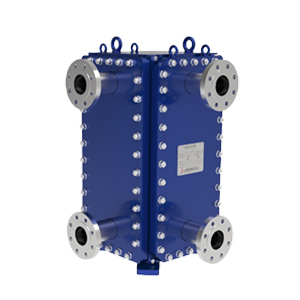
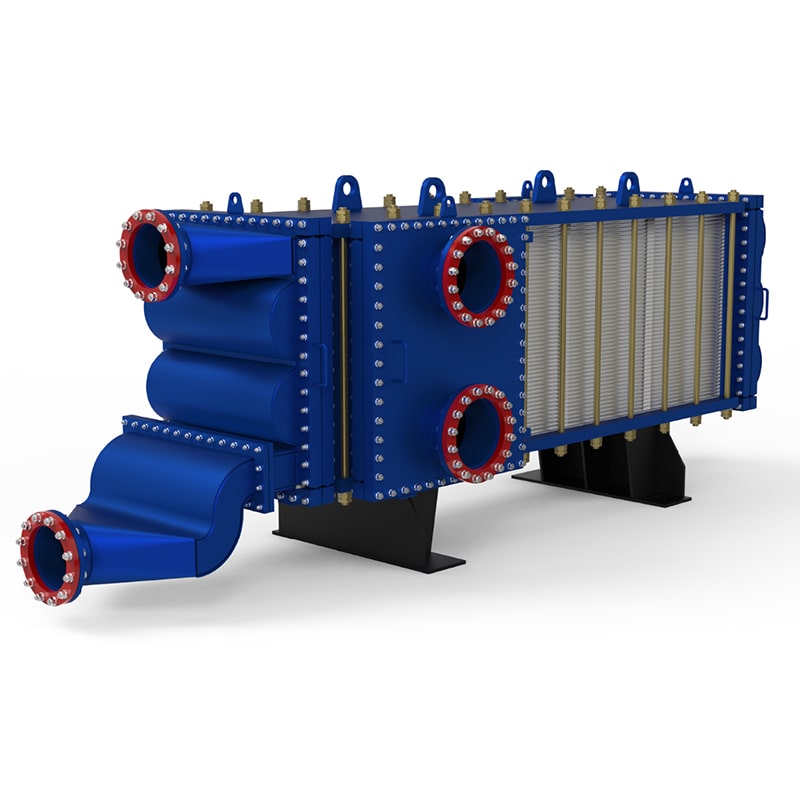
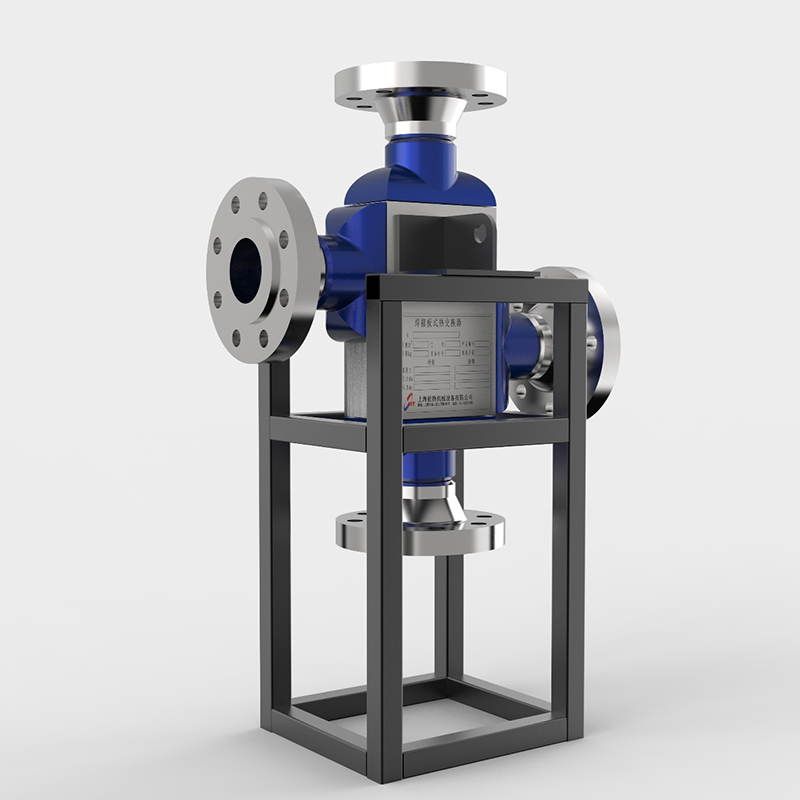
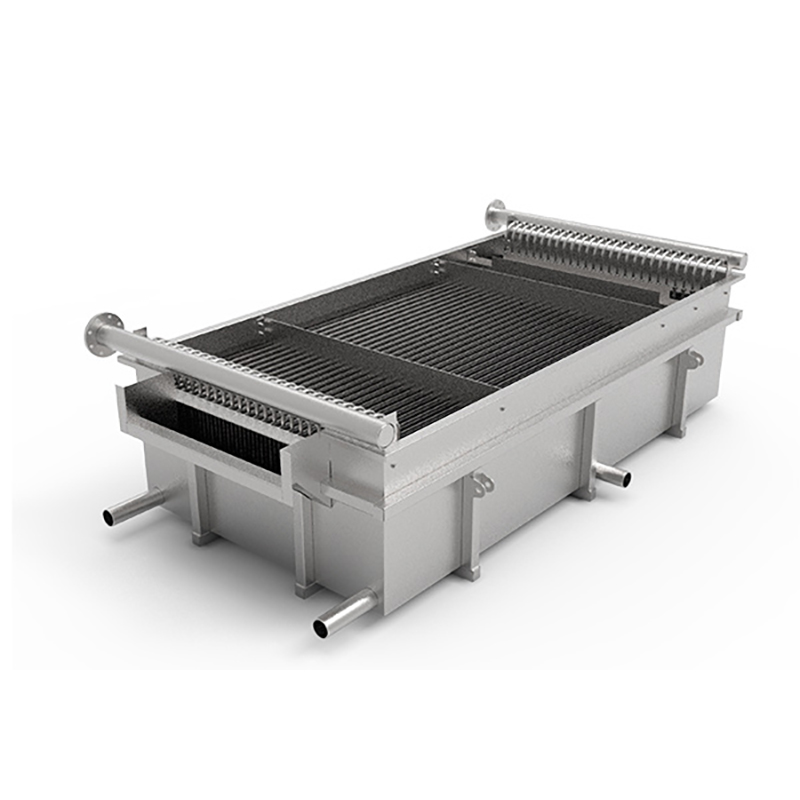
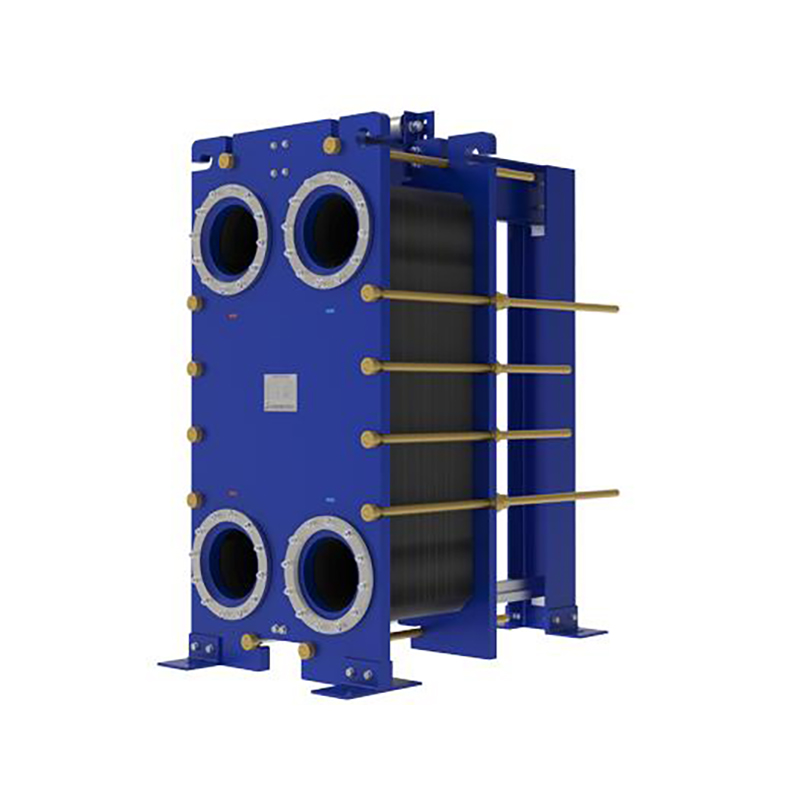
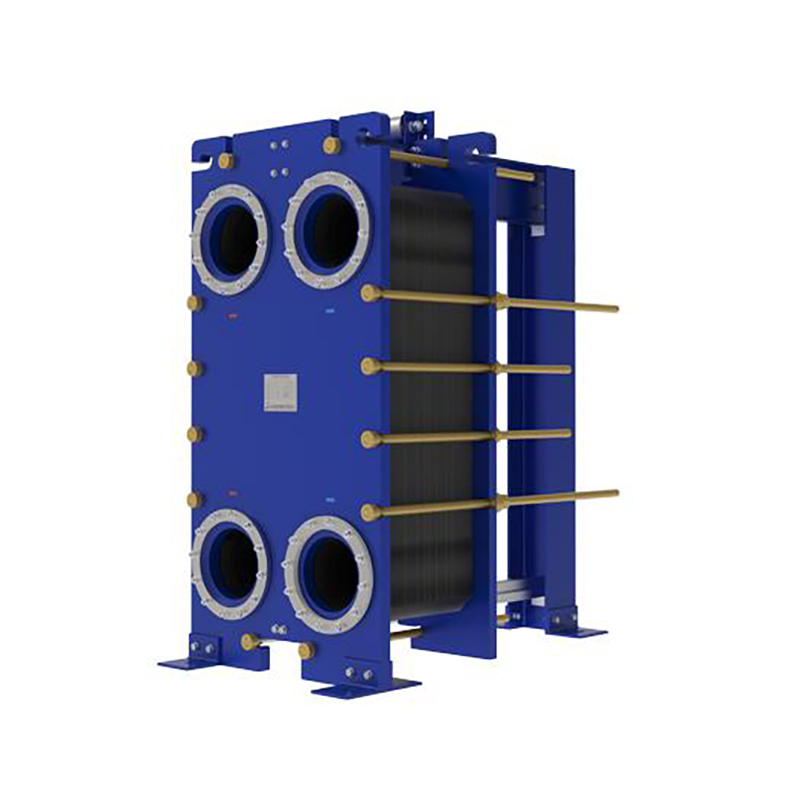
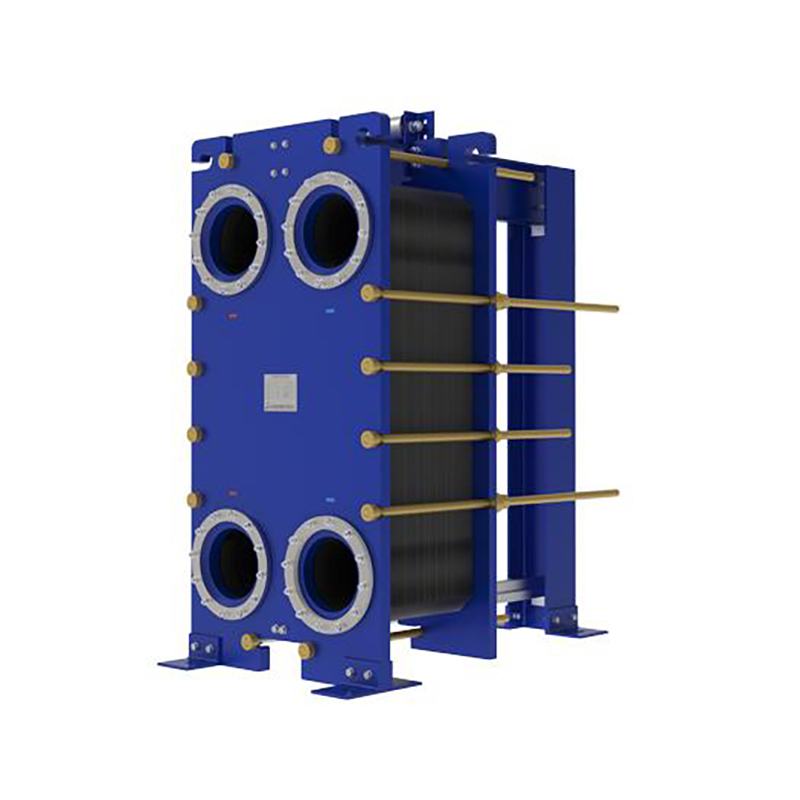
A hybrid heat exchanger combines multiple heat transfer mechanisms, typically integrating both conductive and convective methods within a single system to optimize thermal efficiency. This design often merges elements of traditional shell and tube, plate, or finned tube heat exchangers with advanced features like heat pipes or thermosyphons. The core principle revolves around leveraging the strengths of different heat transfer modes to overcome limitations inherent in single-mode systems. For instance, it might use conduction for rapid initial heat absorption and convection for efficient dissipation across larger surface areas. By synchronizing these mechanisms, hybrid systems achieve superior temperature control, reduced thermal resistance, and enhanced adaptability to varying operational conditions. They are engineered to handle complex scenarios where standard exchangers fall short, such as extreme temperature gradients or fluctuating flow rates. The integration often involves specialized materials like composite alloys or coatings to minimize corrosion and fouling, further boosting longevity and reliability. This multifaceted approach not only improves energy transfer rates but also allows for compact designs, making hybrid heat exchangers ideal for space-constrained applications. Industries ranging from power generation to chemical processing utilize these systems to meet stringent efficiency targets while reducing operational costs. The principle is grounded in thermodynamic optimization, ensuring that every stage of heat transfer—from absorption to dispersion—is maximized for performance.
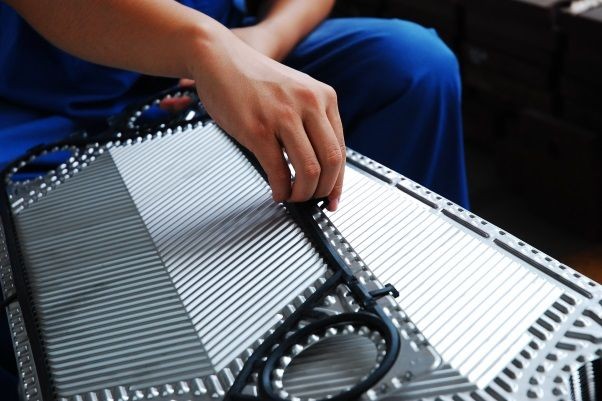
The operational framework of a hybrid heat exchanger is built on synergistic heat transfer enhancement. In practical terms, this means combining, for example, a plate heat exchanger’s high turbulence and surface area with a heat pipe’s exceptional thermal conductivity and passive operation. Data from industrial case studies show that such combinations can improve overall heat transfer coefficients by 15-30% compared to conventional units. For instance, in a petroleum refinery application, a hybrid unit integrating finned tubes and heat pipes achieved a 22% increase in thermal efficiency while reducing pressure drop by 18%. This is critical in high-energy processes where pump power savings directly impact operational expenses. The design also mitigates fouling—a common issue in single-mode exchangers—by using alternating flow paths and self-cleaning mechanisms. Research from HVAC applications indicates that hybrid systems maintain efficiency longer, with fouling resistance improvements of up to 40% over traditional models. Moreover, adaptive control systems in hybrid exchangers allow real-time adjustments to load changes. In a district heating network, hybrid units with modular designs scaled efficiency from 78% to 94% across seasonal variations, according to performance logs. Material science plays a key role; advanced alloys and ceramic coatings in hybrid systems reduce degradation rates. For example, a study in marine environments showed hybrid exchangers with titanium composites had a corrosion rate 50% lower than stainless steel units. These data points underscore the engineering rigor behind hybrid principles, focusing on durability, efficiency, and adaptability.
Why Use a Hybrid Heat Exchanger
Deploying a hybrid heat exchanger translates to tangible operational and economic benefits across industries. The primary advantage is unparalleled energy efficiency; hybrid systems routinely achieve thermal efficiency ratings above 90%, compared to 70-80% for conventional exchangers. This is backed by data from power plants where hybrid units reduced fuel consumption by 12-15% annually, slashing CO2 emissions by thousands of tons. In chemical processing, the ability to handle simultaneous heating and cooling in one unit cuts capital costs by eliminating the need for multiple exchangers. For example, a multinational chemical firm reported a 30% reduction in equipment footprint and a 25% decrease in installation costs after switching to hybrid systems. Reliability is another critical factor; hybrid designs’ redundancy—such as having passive heat pipes alongside active mechanisms—ensures continuous operation even during partial failures. Maintenance intervals are extended due to fouling resistance; offshore oil platforms using hybrid exchangers documented a 60% longer service life between cleanings. Flexibility in handling diverse fluids—from viscous oils to corrosive gases—makes them indispensable in complex processes. In HVAC, hybrid units improve seasonal performance; data from commercial buildings show a 20-35% reduction in energy bills through better heat recovery. Additionally, regulatory compliance is easier as hybrid systems often exceed environmental standards for energy use and emissions. From a lifecycle perspective, the higher initial investment is offset by lower operating costs and longer lifespan, with ROI periods averaging 2-3 years in high-throughput settings. These factors make hybrid heat exchangers a strategic investment for future-proofing industrial operations.
 English EN
 中国 CN
中国 CN
 French FR
 German DE
 Portuguese PT
 Spanish ES
 Russian RU
 Japanese JA
 Korean KO
 Arabic AR
 Turkish TR
 Italian IT








User Comments
Service Experience Sharing from Real Customers
Michael Chen
HVAC EngineerThis hybrid heat exchanger is a game-changer for our data center cooling systems. The efficiency in transferring heat between air and liquid circuits is remarkable, leading to significant energy savings. The build quality is exceptional and it integrated seamlessly into our existing infrastructure.
Sarah Johnson
Plant ManagerWe installed several of these units for waste heat recovery in our manufacturing process. The hybrid design allows us to capture energy from exhaust streams we previously couldn't utilize. It's robust, requires minimal maintenance, and the ROI was achieved much faster than anticipated. Highly recommended for industrial applications.
David Rodriguez
Mechanical Design EngineerVery impressed with the compact design and performance of this hybrid heat exchanger. It solved a tricky thermal management problem in our new product prototype by effectively combining both air and liquid cooling capabilities. One point off for the initial setup documentation, which could be clearer, but the performance itself is top-notch.
Emily Williams
Sustainability ConsultantI specify this hybrid heat exchanger for building HVAC retrofits aimed at improving energy efficiency. Its ability to adapt to varying loads and use different heat transfer modes makes it incredibly versatile. Clients are always thrilled with the reduction in their energy bills and the system's reliability. A superior product from both an engineering and environmental standpoint.