Hydraulic Oil Heat Exchanger: Principle, Benefits, and Selection Guide
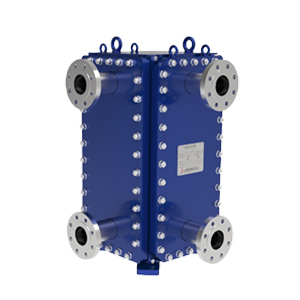
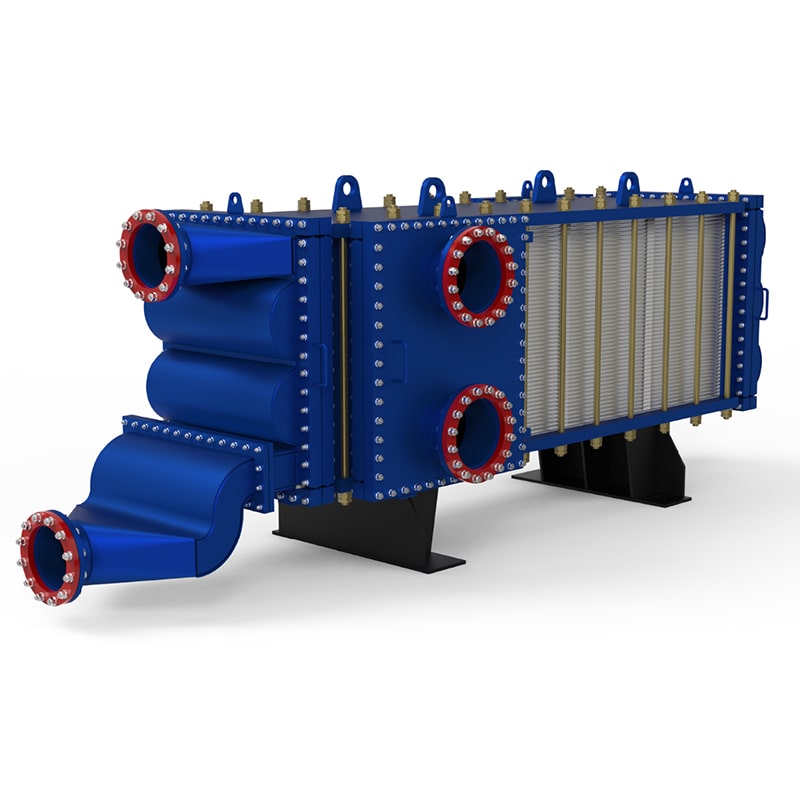
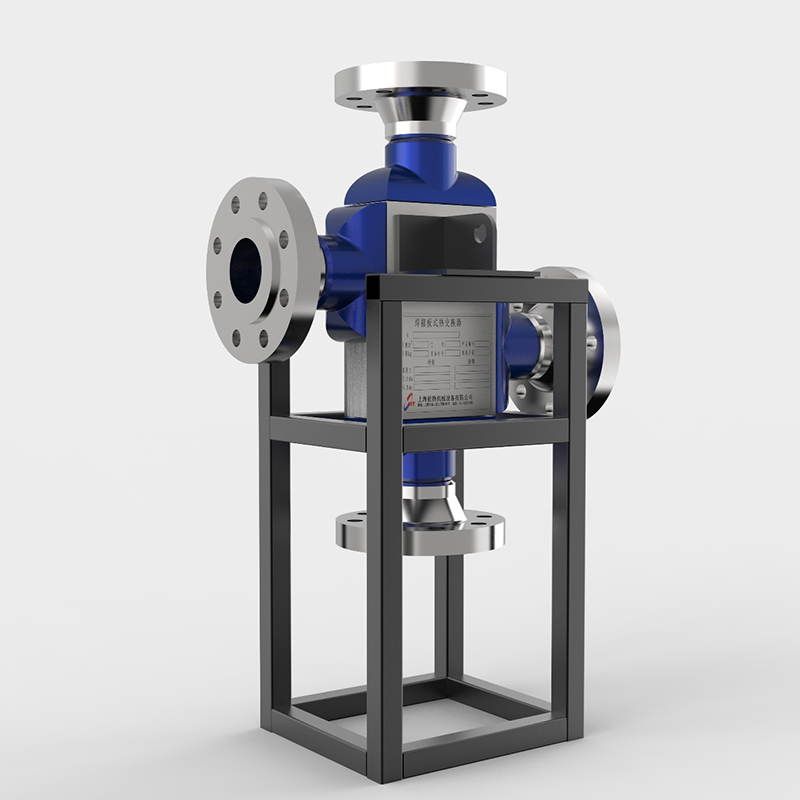
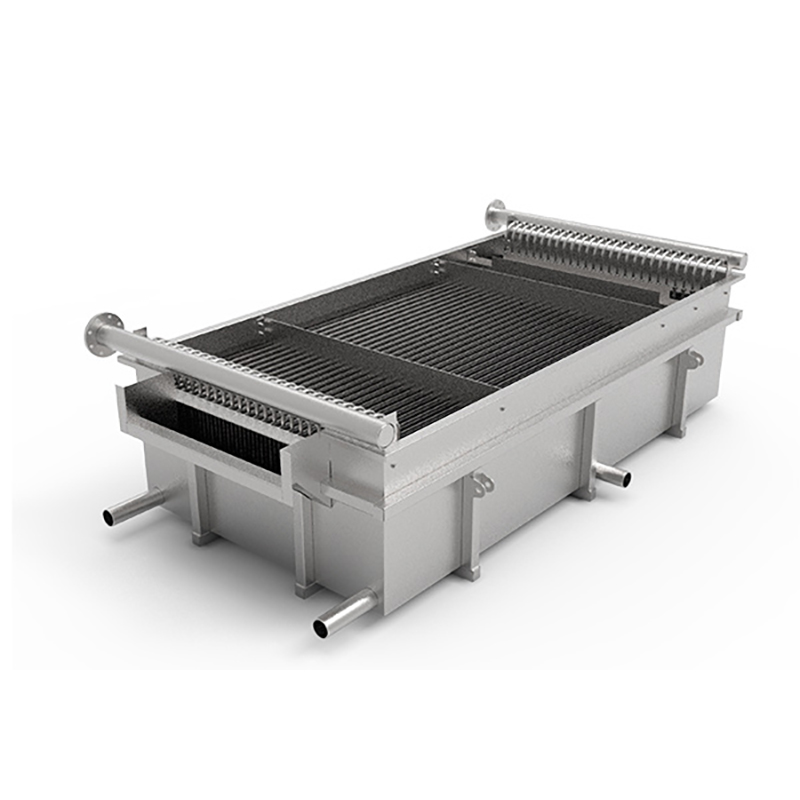
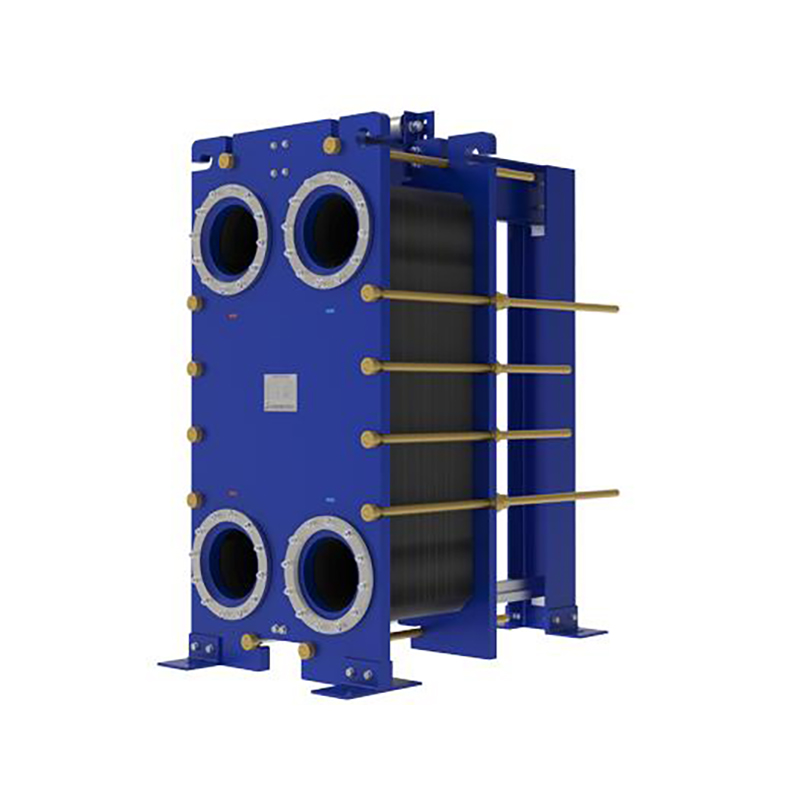
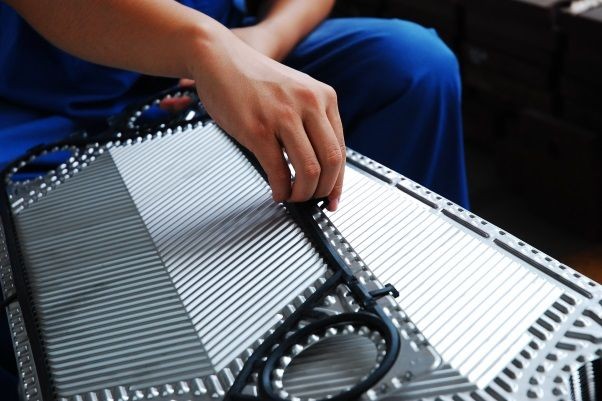
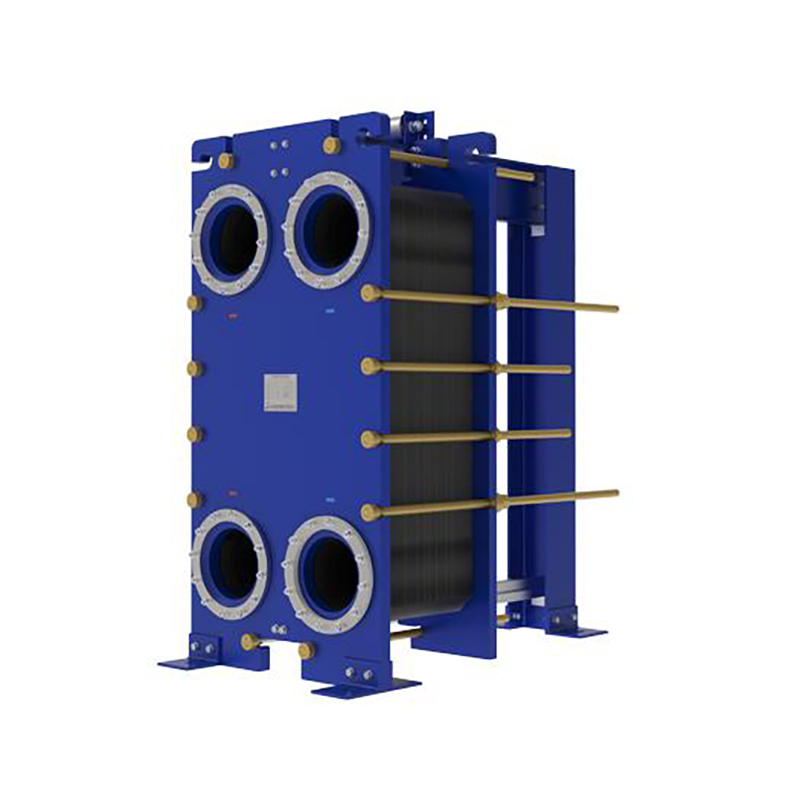
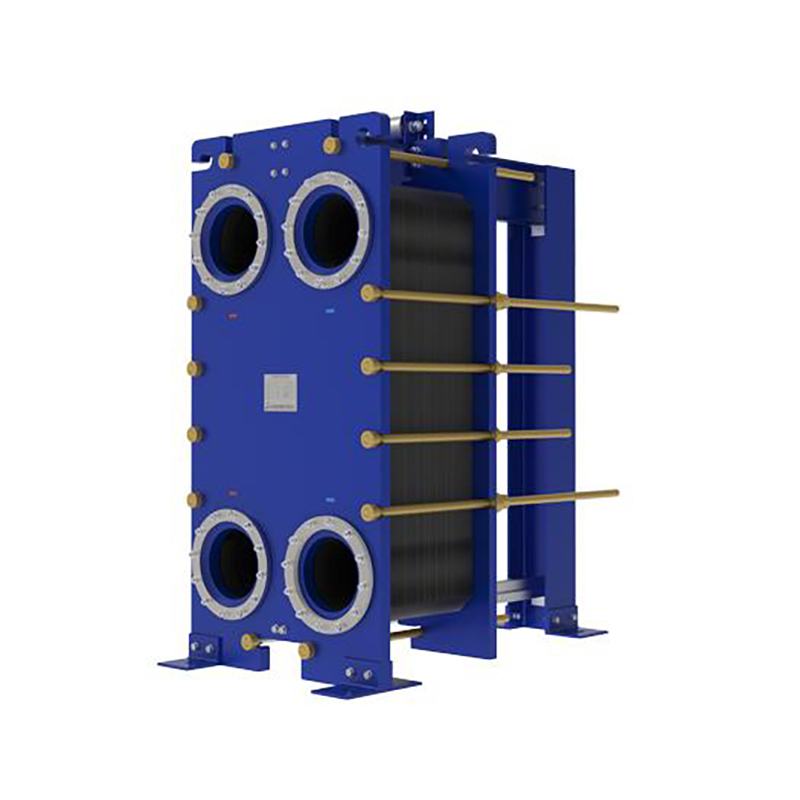
The principle of a hydraulic oil heat exchanger involves transferring excess heat from hydraulic oil to a cooling medium (such as air or water) to maintain optimal oil temperature. This process is essential because hydraulic systems generate significant heat during operation due to friction, fluid compression, and energy loss. The exchanger typically consists of a core where hot oil flows through channels, while the cooling medium absorbs the heat, reducing the oil’s temperature before it recirculates into the system. Common types include shell and tube, plate, and air-cooled exchangers, each designed for specific applications and efficiency levels. By regulating temperature, the heat exchanger prevents overheating, which can degrade oil quality, damage components, and reduce system performance. This thermal management ensures consistent viscosity, minimizes wear, and extends the lifespan of hydraulic equipment. Advanced designs incorporate materials like aluminum or stainless steel for corrosion resistance and high thermal conductivity, enhancing heat transfer efficiency. Proper sizing based on heat load, flow rate, and ambient conditions is critical for effective operation, making the principle of heat exchange foundational to hydraulic system reliability.
Hydraulic oil heat exchangers operate on fundamental thermodynamic principles, primarily conduction and convection, to dissipate unwanted heat from hydraulic systems. In these systems, heat generation is inevitable due to factors like mechanical friction, internal leakage, and pressure drops, which can elevate oil temperatures beyond safe limits (typically above 180°F or 82°C). The exchanger facilitates heat transfer by exposing the hot hydraulic oil to a cooler medium. For instance, in air-cooled exchangers, fins increase the surface area, allowing fans to blow air across the oil passages, carrying heat away. In water-cooled models, cold water flows through tubes or plates adjacent to oil channels, absorbing thermal energy. Data from industry studies show that for every 18°F (10°C) increase above optimal temperature, hydraulic oil life can halve, leading to increased maintenance costs. Heat exchangers mitigate this by maintaining temperatures between 120°F and 140°F (49°C to 60°C), ideal for viscosity stability and component protection. Efficiency metrics, such as the Overall Heat Transfer Coefficient (U-value), range from 100 to 500 W/m²K for plate exchangers, depending on design and flow rates. Real-world applications, like in industrial machinery or mobile equipment, rely on exchangers to handle heat loads exceeding 100 kW, with flow rates up to 300 GPM. By ensuring thermal equilibrium, these devices prevent oil oxidation, seal hardening, and pump cavitation, directly reducing downtime and energy consumption. For example, in injection molding machines, heat exchangers can cut cooling energy usage by 20-30%, as verified by case studies from manufacturers like Parker Hannifin.
Why use a hydraulic oil heat exchanger
Using a hydraulic oil heat exchanger is critical for preventing system failures, reducing operational costs, and enhancing efficiency. Overheating in hydraulic systems causes oil degradation, leading to sludge formation, increased acidity, and loss of lubricating properties, which can result in component wear and costly repairs. Statistics indicate that overheating accounts for over 50% of hydraulic system failures, with average repair costs ranging from $5,000 to $15,000 per incident in industrial settings. Heat exchangers maintain optimal temperature, ensuring oil viscosity remains stable—key for proper lubrication and pressure control. This stability boosts system efficiency; for example, a study by Hydraulic Institute found that every 1°C drop in oil temperature below maximum limits can improve pump efficiency by 0.5-1%. Additionally, cool oil reduces the risk of thermal expansion, which can cause leaks and seal damage. In high-demand applications like construction equipment or metal processing, heat exchangers enable continuous operation by dissipating excess heat generated during cyclic loads. They also contribute to energy savings: air-cooled exchangers consume minimal power for fans, while water-cooled units often use plant cooling systems efficiently. Environmental benefits include extended oil life, reducing waste oil disposal by up to 40%, as reported by environmental agencies. Overall, heat exchangers protect investments, with ROI typically achieved within 6-12 months through lower maintenance and energy costs, making them indispensable for reliable hydraulic performance.
 English EN
 中国 CN
中国 CN
 French FR
 German DE
 Portuguese PT
 Spanish ES
 Russian RU
 Japanese JA
 Korean KO
 Arabic AR
 Turkish TR
 Italian IT








User Comments
Service Experience Sharing from Real Customers
Michael Rodriguez
Maintenance SupervisorThis hydraulic oil heat exchanger is incredibly efficient. Our machinery used to overheat constantly, but since installation, operating temperatures have stabilized perfectly, drastically reducing our downtime. A game-changer for our production line.
Sarah Chen
Heavy Equipment OperatorThe build quality is outstanding. It's been running on our excavators in extreme conditions for over six months without a single issue. Keeps the hydraulic oil at the ideal temperature, which significantly improves performance and component lifespan.
David Wilson
Plant EngineerA very effective and robust heat exchanger. Installation was straightforward, and it integrates seamlessly into our existing hydraulic systems. It has greatly improved our thermal management. One point off for the initial documentation, which could be clearer.
Emily Taylor
Hydraulics SpecialistAs a specialist, I'm impressed by the engineering. The compact design allows for easy installation in tight spaces, and its heat dissipation rate is exceptional. Highly reliable and has become my go-to recommendation for clients needing to solve overheating problems.