Liquid Nitrogen Heat Exchanger: Maximize Cooling Efficiency with Cryogenic Technology
What is a Liquid Nitrogen Heat Exchanger?
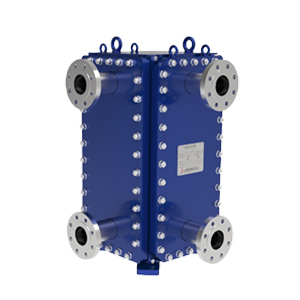
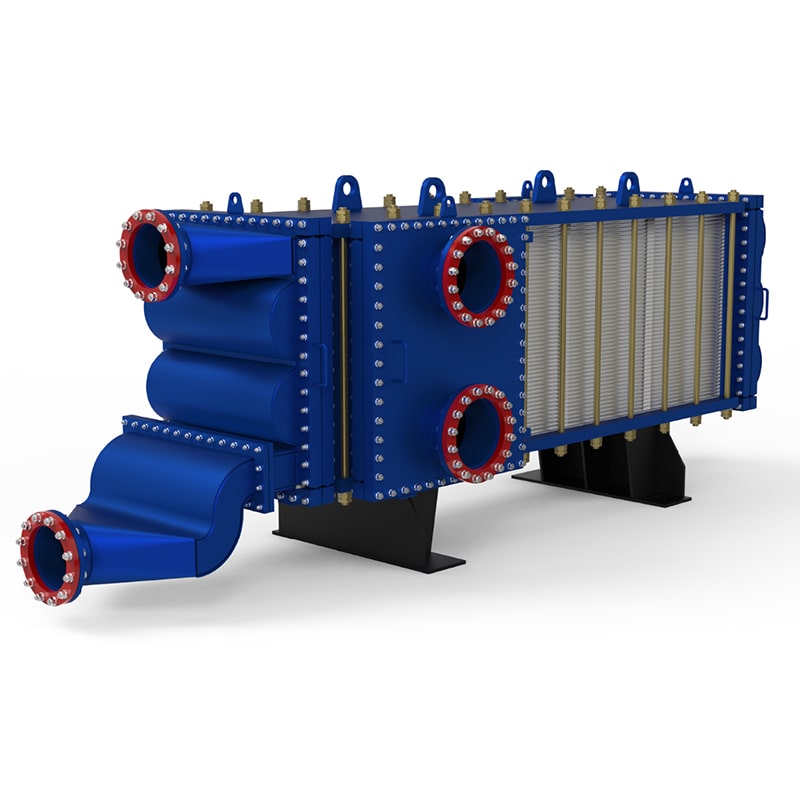
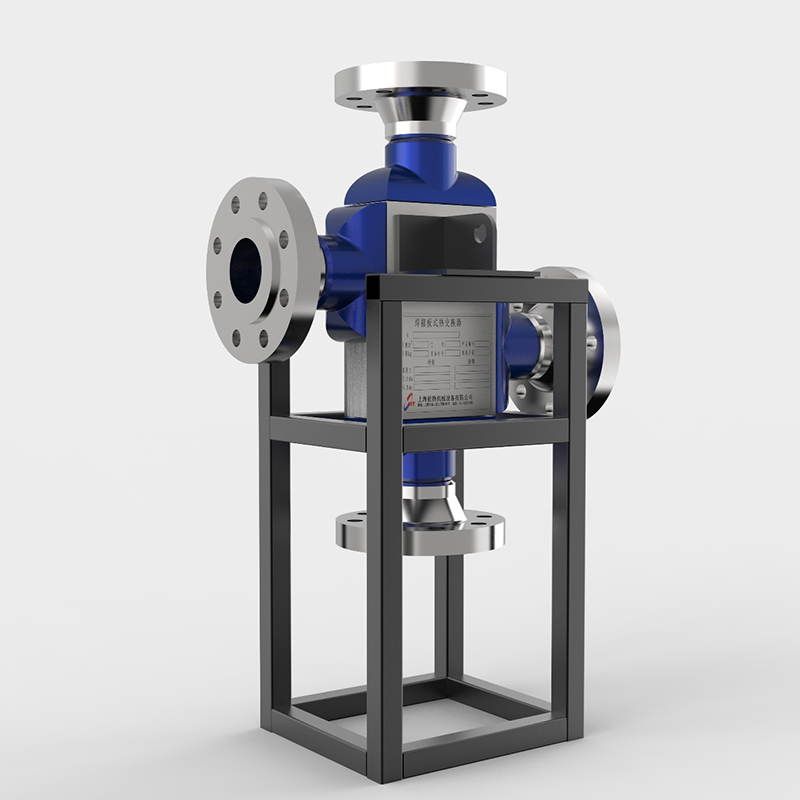
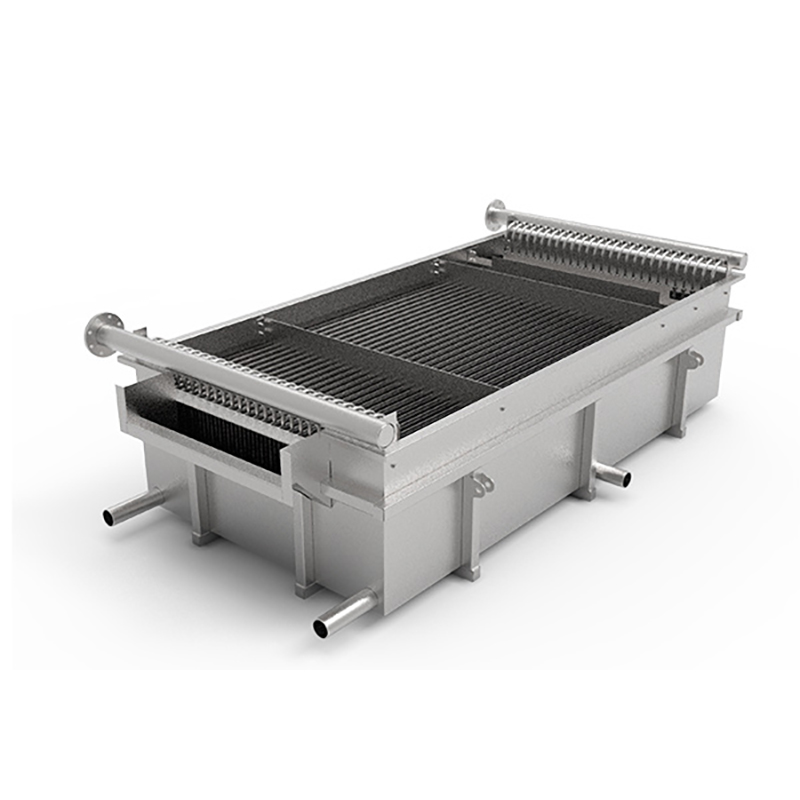
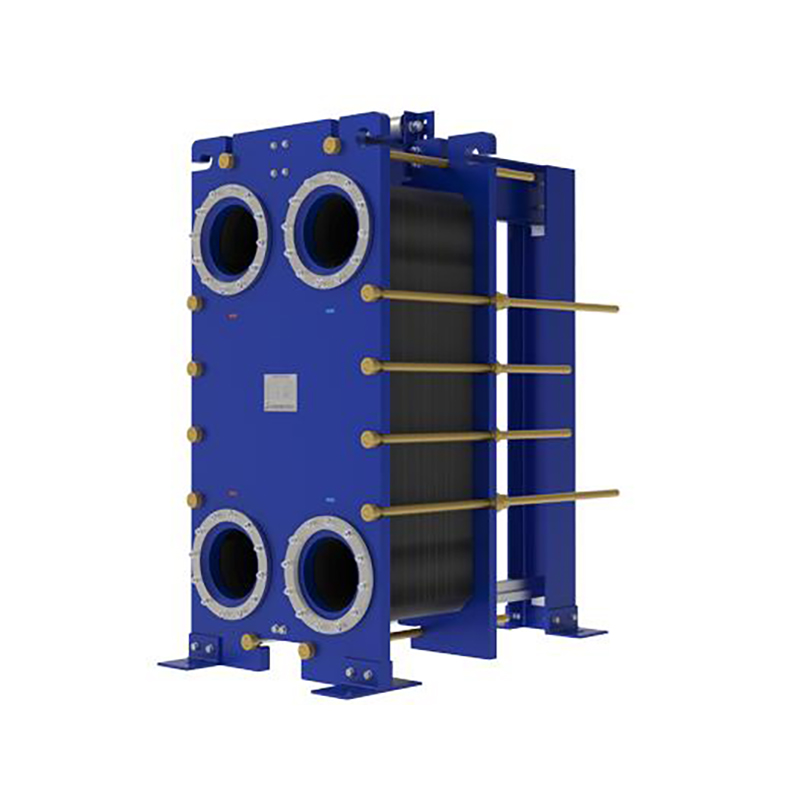
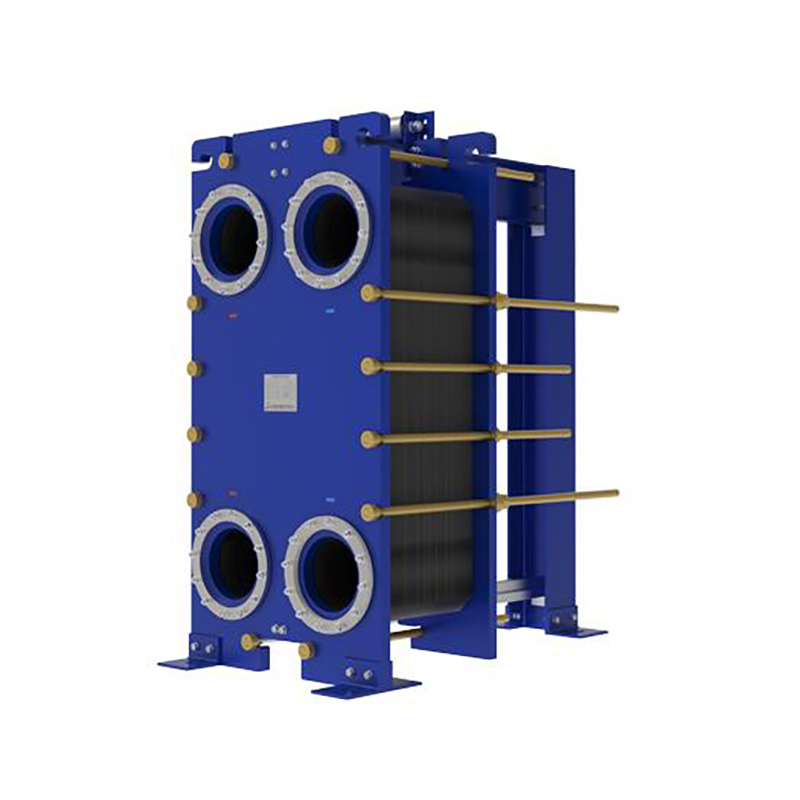
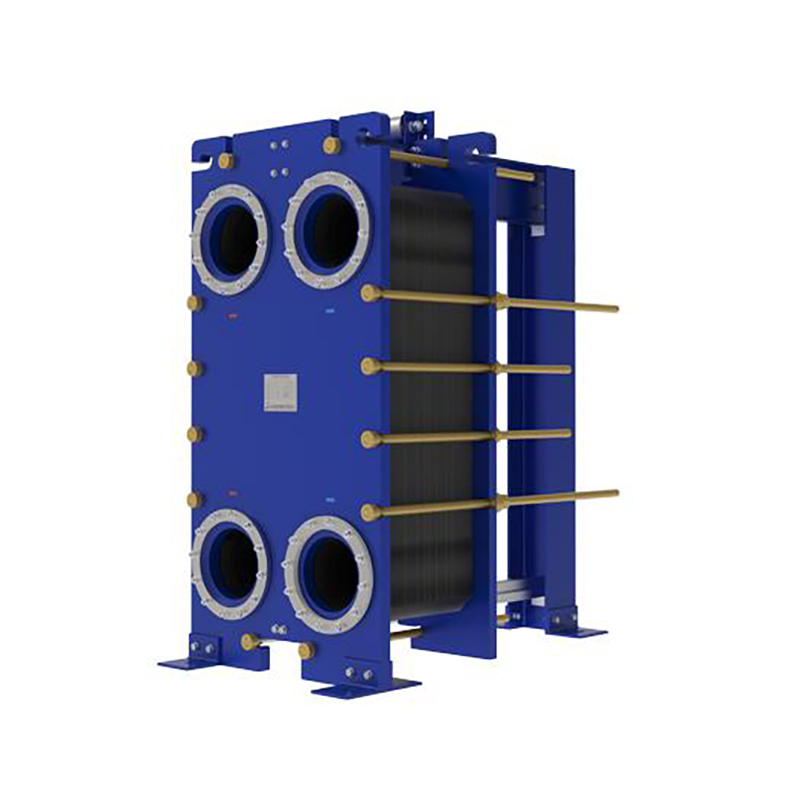
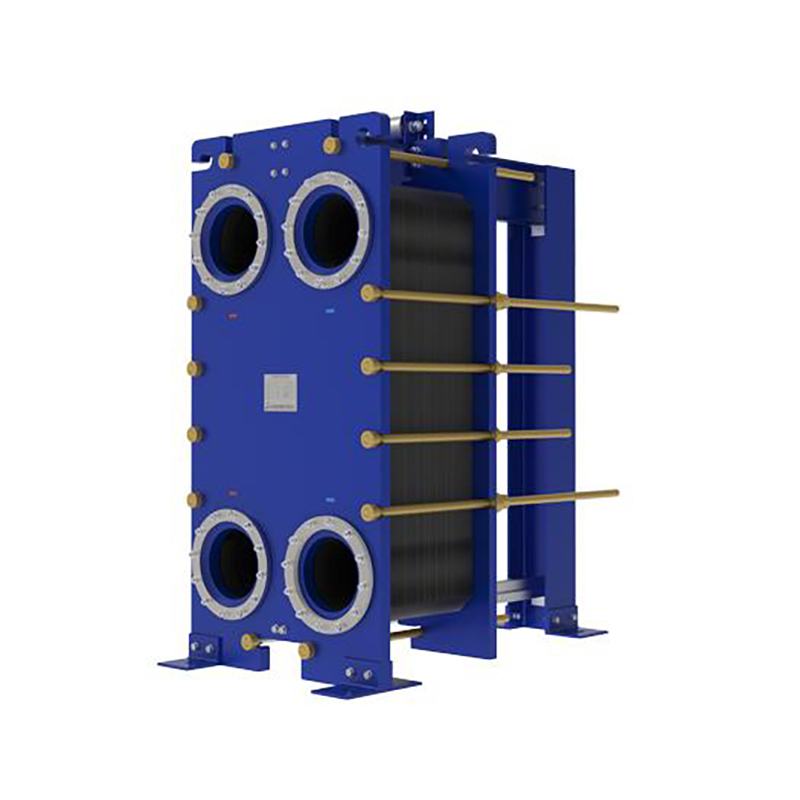
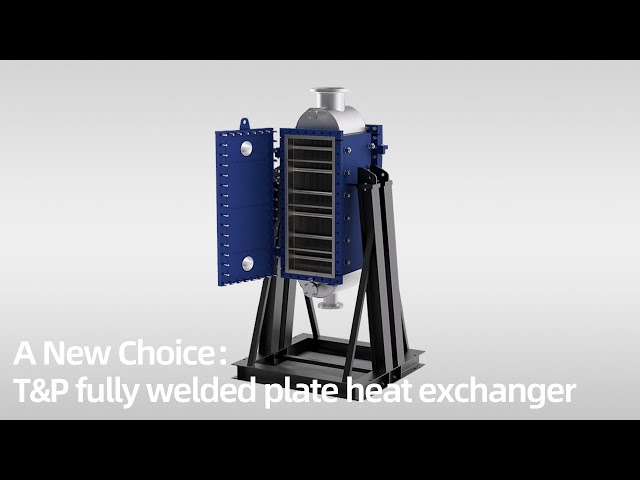
A liquid nitrogen heat exchanger is a specialized cryogenic device designed to transfer extreme cold from liquid nitrogen to another medium, such as a gas, liquid, or process stream, without direct contact. These systems are engineered to handle the ultra-low temperatures of liquid nitrogen, which boils at -196°C (-321°F), and are constructed from materials like stainless steel, copper, or aluminum that retain toughness and prevent brittleness at cryogenic levels. The core principle involves the latent heat of vaporization, where liquid nitrogen absorbs substantial energy as it changes phase from liquid to gas, providing intense cooling power. Common designs include shell-and-tube, plate-fin, and coil-wound configurations, each optimized for specific applications like rapid freezing, environmental simulation, or industrial gas cooling. They are critical in processes requiring precise temperature control and are integrated into systems where minimizing thermal loss and maximizing efficiency are paramount. Industries utilizing these exchangers range from food processing and pharmaceuticals to aerospace and electronics manufacturing, highlighting their versatility in handling extreme thermal transfer challenges.
Advantages of Liquid Nitrogen Heat Exchangers
Liquid nitrogen heat exchangers offer unparalleled cooling rates, capable of achieving temperatures as low as -196°C almost instantaneously, which is critical for applications like flash freezing in the food industry, where preserving cellular integrity and product quality is essential. Their high heat transfer efficiency, often exceeding 90% in well-designed systems, reduces nitrogen consumption and operational costs; for instance, industrial data shows optimized exchangers can lower LN2 usage by up to 30% compared to direct injection methods. They provide superior temperature uniformity and control, with precision within ±1°C in applications such as semiconductor testing or aerospace component conditioning, ensuring process reliability and repeatability. Safety is enhanced through non-contact designs that prevent contamination—vital in pharmaceutical or chemical processes—while robust construction minimizes risks of leaks or failures under thermal stress. Additionally, their scalability and adaptability to various pressures and flow rates make them ideal for diverse settings, from small labs to large-scale industrial plants, offering a sustainable solution by leveraging cryogenic by-products from air separation units.
 English EN
 中国 CN
中国 CN
 French FR
 German DE
 Portuguese PT
 Spanish ES
 Russian RU
 Japanese JA
 Korean KO
 Arabic AR
 Turkish TR
 Italian IT








User Comments
Service Experience Sharing from Real Customers
Michael Chen
Cryogenic EngineerThis liquid nitrogen heat exchanger's efficiency is outstanding. It dropped our process cooling time by 40% and the build quality is incredibly robust. A critical piece of equipment that performs flawlessly.
Sarah Johnson
Lead Lab TechnicianPrecision temperature control is vital for our research. This heat exchanger maintains a stable -196°C with minimal fluctuation, which has significantly improved the reproducibility of our cryogenic experiments. Highly recommended for any biobanking application.
David Rodriguez
Food Processing Plant ManagerWe integrated this unit into our flash-freezing line. It's incredibly efficient, drastically reducing our nitrogen consumption. Lost one star only because the initial installation instructions could have been clearer, but the performance itself is top-notch.
Emily Watson
Materials ScientistExceptional performance in our superconductivity testing setup. The heat transfer rate is phenomenal, allowing for rapid and controlled cooling of samples. The safety features and durability make it well worth the investment for high-end R&D.