Marine Hot Water Heater with Heat Exchanger: Efficient On-Board Comfort & Durability
What is a Marine Hot Water Heater with Heat Exchanger?
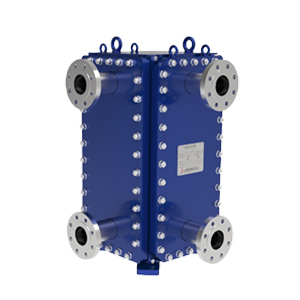
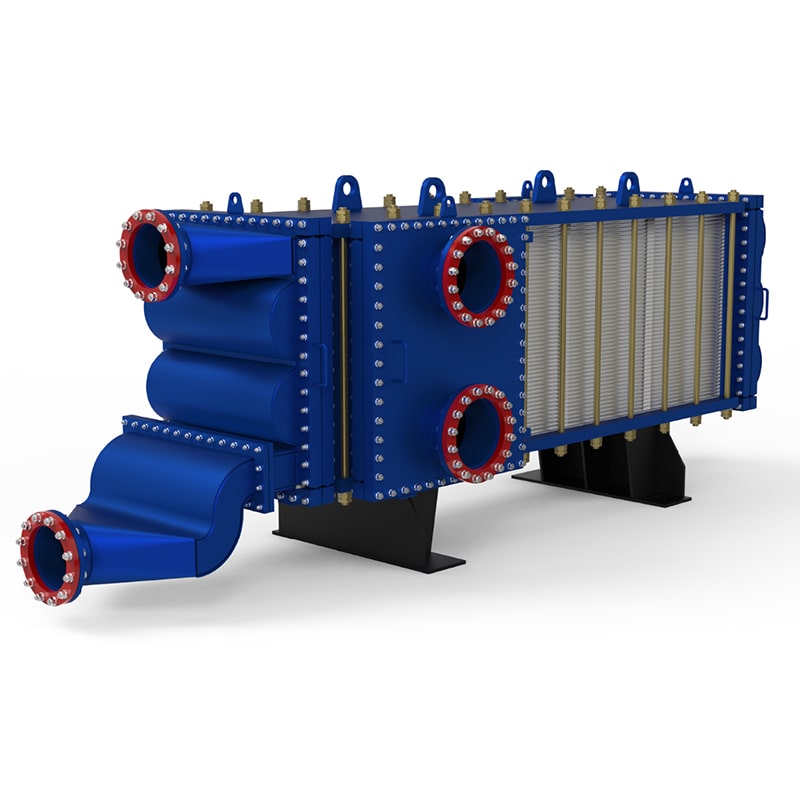
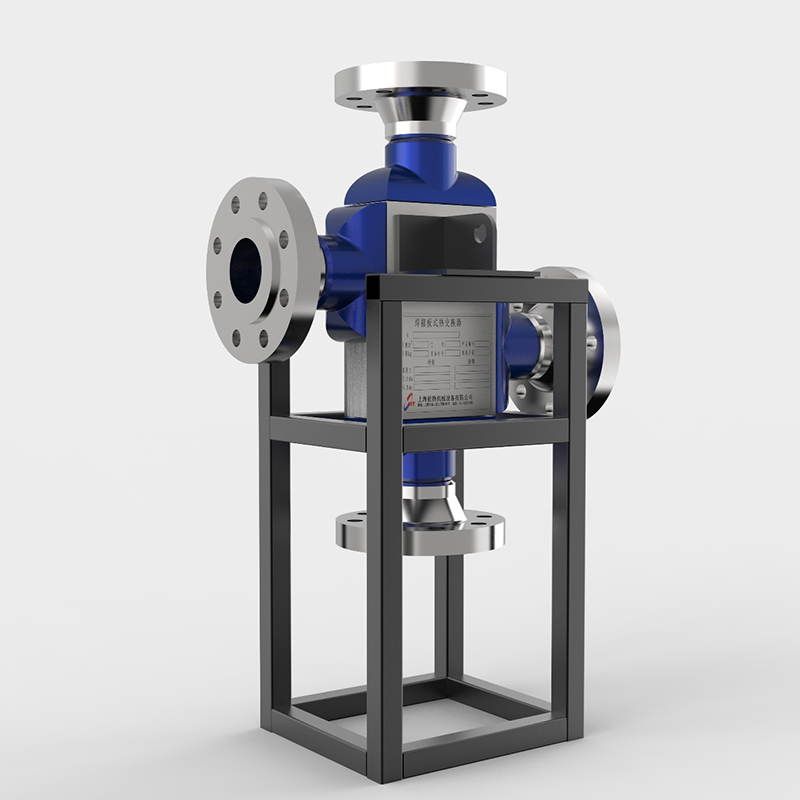
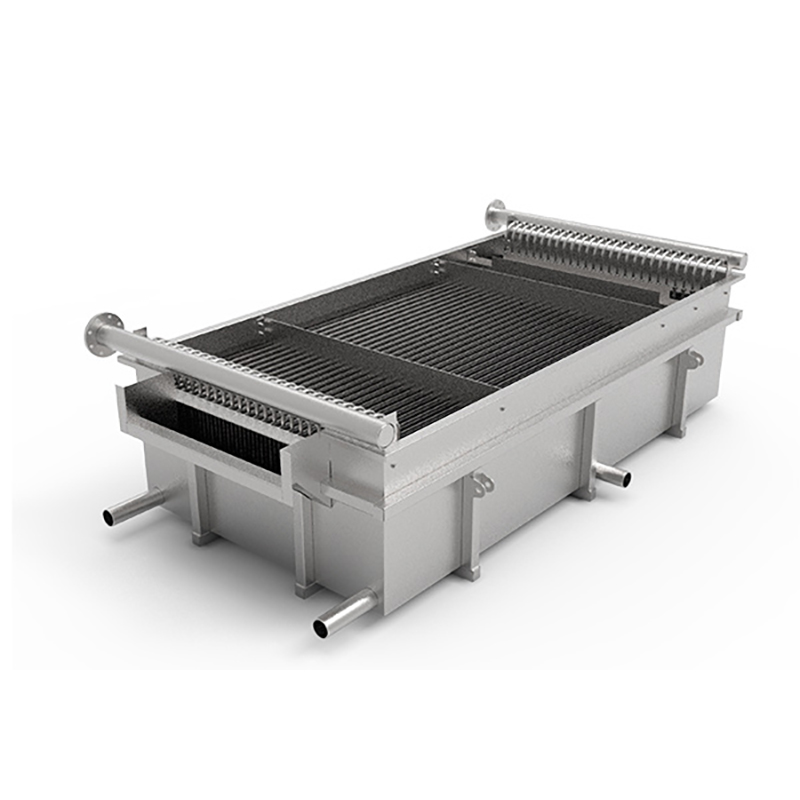
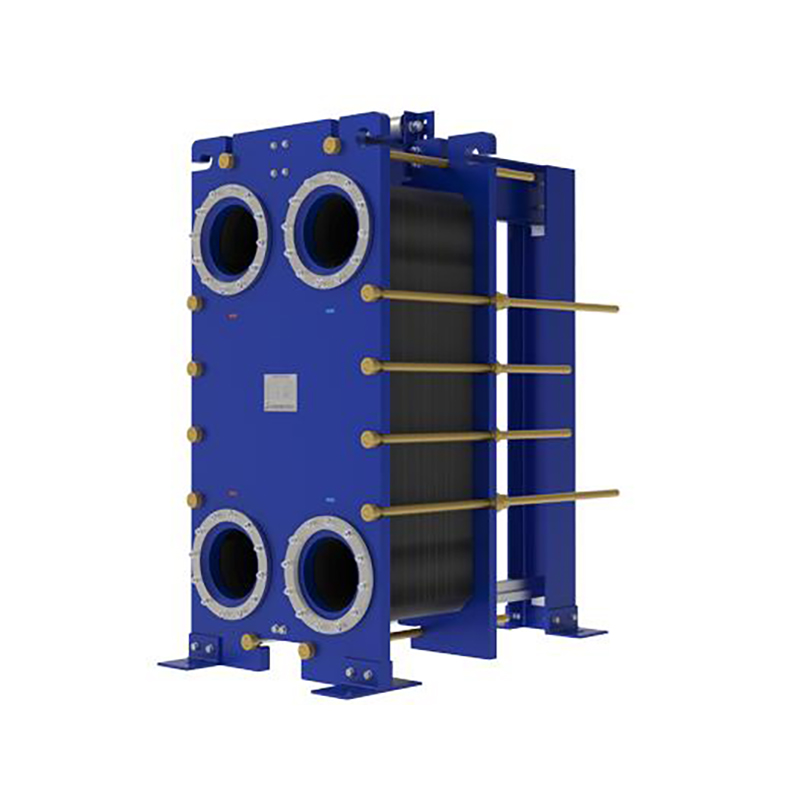
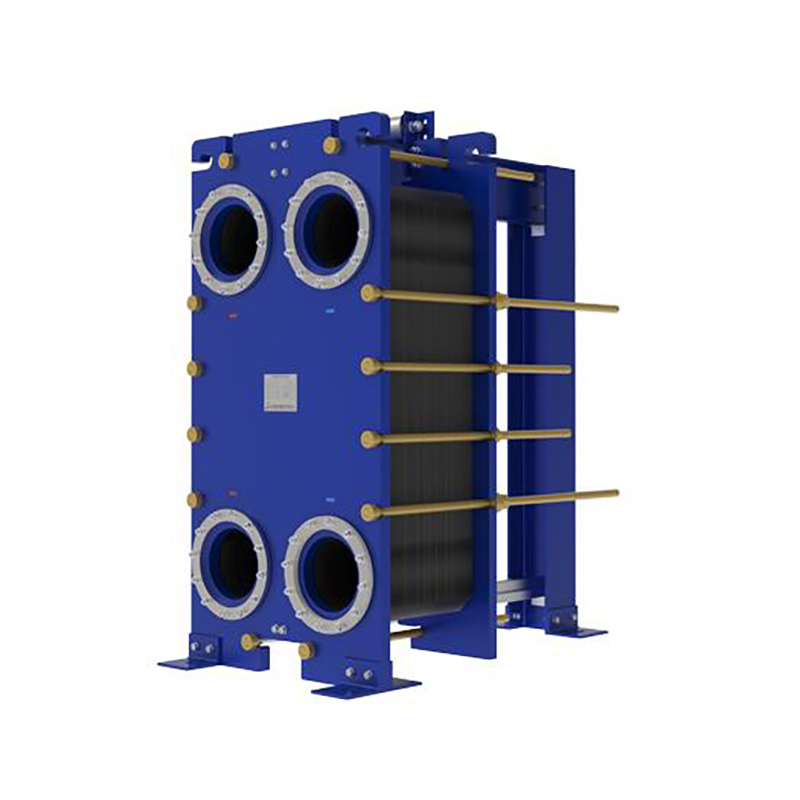
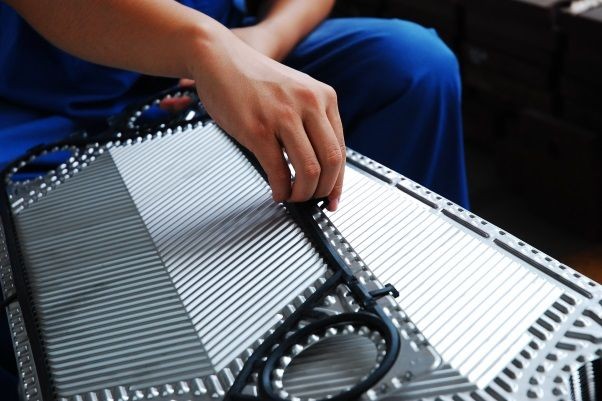
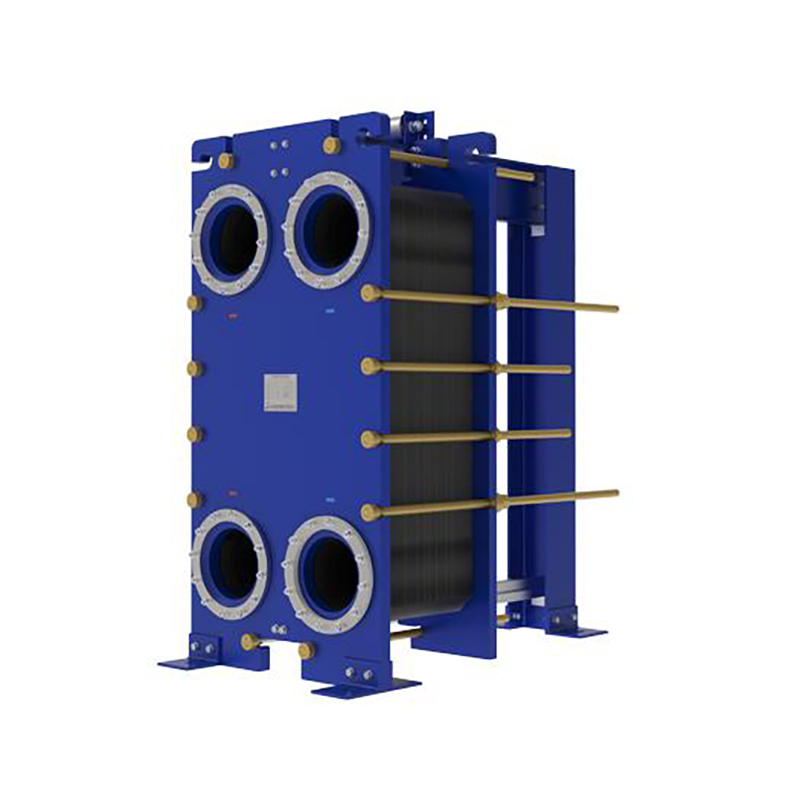
A marine hot water heater with a heat exchanger is an essential appliance designed specifically for the demanding environment of boats and yachts. Unlike standard residential water heaters, these robust units utilize the vessel's main engine or generator as a primary heat source. The core component is a heat exchanger, typically a coiled tube or a jacket-style system, which transfers waste heat from the engine's coolant circuit to the potable water stored in an insulated tank. This ingenious design provides a continuous and virtually free supply of hot water while the engine is running. For times when the engine is off, these heaters are almost universally equipped with an auxiliary electric heating element (often 110V AC or 240V AC) that can be powered by shore power or an inverter, ensuring a reliable supply of hot water at the dock or when using a generator. Constructed from corrosion-resistant materials like stainless steel, glass-lined steel, or quality plastics with sacrificial anodes, they are engineered to withstand the corrosive marine atmosphere. Leading brands in this niche market, such as Raritan Engineering, Isotemp, and Kuuma, offer models with capacities ranging from 6 to 20+ gallons to suit various boat sizes and crew needs, making them a critical system for hygiene, comfort, and overall quality of life on the water.
How Does a Marine Hot Water Heater with Heat Exchanger Work?
The operation of a marine hot water heater with a heat exchanger is a masterclass in energy efficiency and practical engineering. The process begins when the boat's engine is started. As the engine runs, it generates a significant amount of waste heat, which is absorbed by the engine coolant (a mixture of antifreeze and water). This hot coolant is circulated by the engine's water pump through a closed loop. A dedicated line from this hot coolant loop is plumbed into the water heater tank, where it passes through the heat exchanger. This exchanger, which is in direct contact with the potable water stored in the tank, acts as a conductive barrier. Heat energy from the scalding-hot coolant (which can reach 180-200°F / 82-93°C) is transferred to the cooler fresh water, raising its temperature without the two fluids ever mixing. This process continues until the water reaches a thermostat-controlled set point, typically between 120-140°F (49-60°C). Once the engine is shut down, the system retains the heated water in its well-insulated tank for extended periods. If the hot water is depleted or cools down while docked, the integrated electric element takes over. Thermostats control both heat sources independently, ensuring safe and automatic operation. This dual-system approach, confirmed by technical manuals from manufacturers like Sure Cal and Seaward, maximizes energy recovery from the engine, drastically reducing the electrical load and providing ample hot water for showers, galley use, and cleaning without taxing the vessel's battery bank.
 English EN
 中国 CN
中国 CN
 French FR
 German DE
 Portuguese PT
 Spanish ES
 Russian RU
 Japanese JA
 Korean KO
 Arabic AR
 Turkish TR
 Italian IT










User Comments
Service Experience Sharing from Real Customers
James Wilson
Chief EngineerAn outstanding piece of marine engineering. The heat exchanger is incredibly efficient, providing a constant and ample supply of hot water for our entire crew on long voyages. The build quality is robust and has withstood harsh sea conditions without a hint of corrosion. A vital and reliable system for any vessel.
Sarah Chen
Boat OwnerInstalled this on my 40-foot sailboat, and it's been a game-changer. The heat exchanger utilizes engine heat perfectly, meaning virtually free hot water after the engine has run for just a short while. The installation was straightforward, and it's incredibly energy-efficient. Highly recommended for liveaboards and long-term cruisers.
Michael Rodriguez
Fishing Vessel CaptainExtremely durable and powerful unit. It keeps up with the demand on my boat, providing hot water for cleaning and for the crew after long, cold fishing trips. The heat exchanger design is smart, making good use of waste heat. Took off one star because the initial setup instructions could be clearer, but otherwise, a top-tier product.
Emily Foster
Marine SurveyorFrom a professional perspective, I see a lot of marine equipment, and this heater is among the best. The craftsmanship on the heat exchanger is superior, ensuring maximum heat transfer and longevity. It's a safe, efficient, and well-designed system that I often recommend to clients looking to upgrade their vessel's amenities.