Plate Heat Exchanger (PHE) | High-Efficiency Thermal Transfer for Industrial Applications
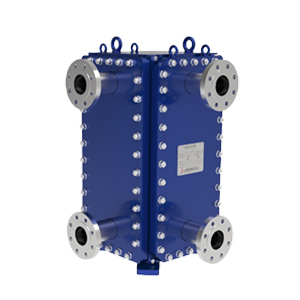
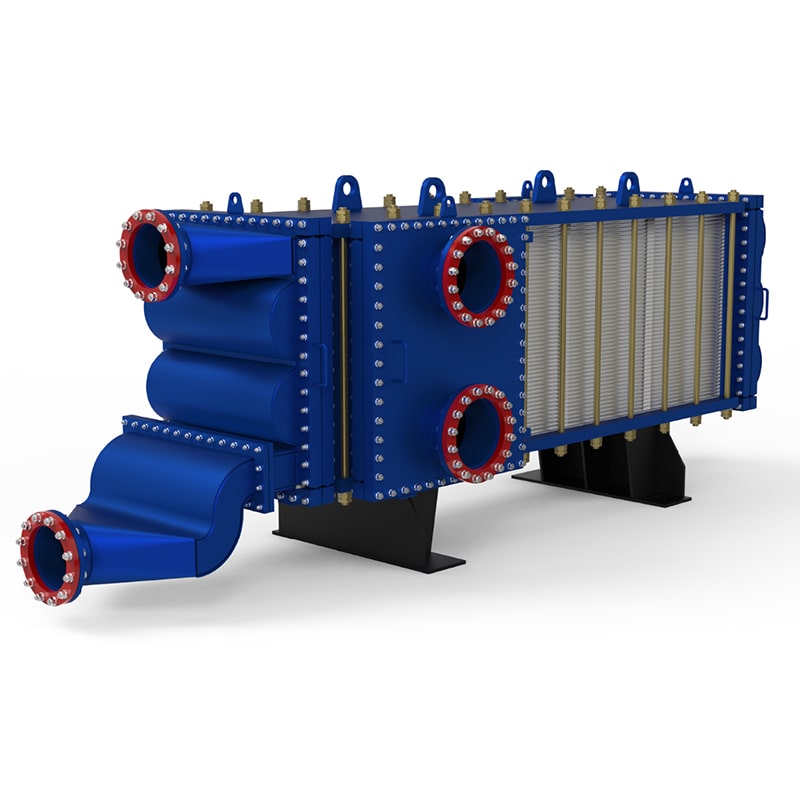
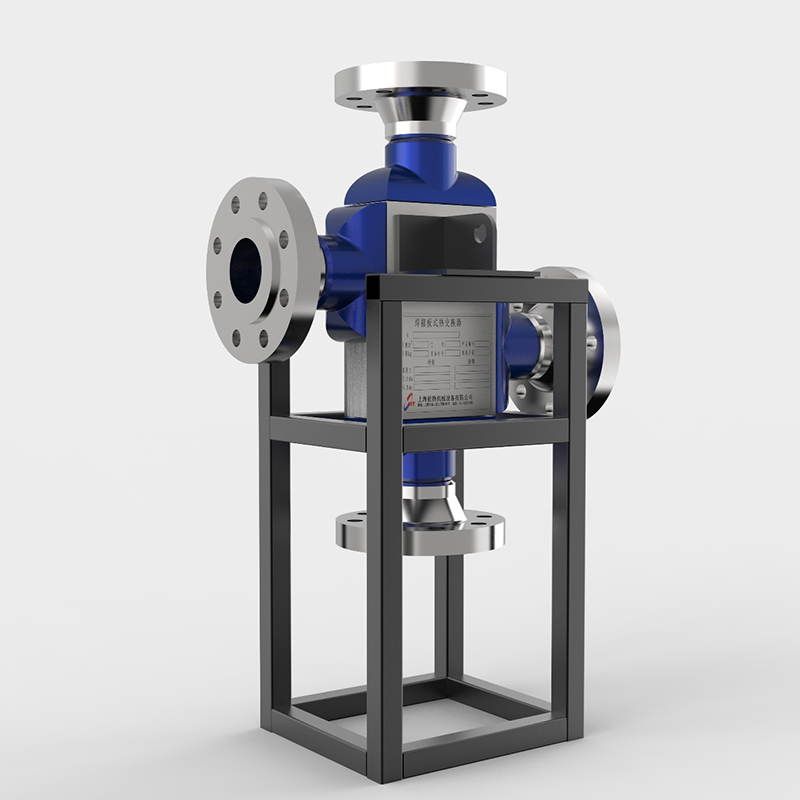
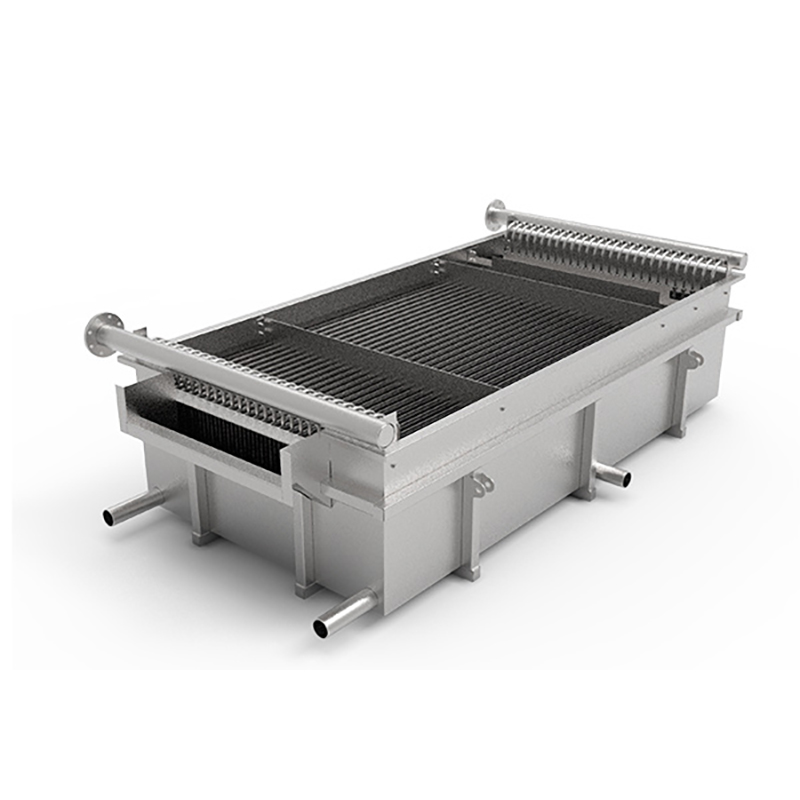
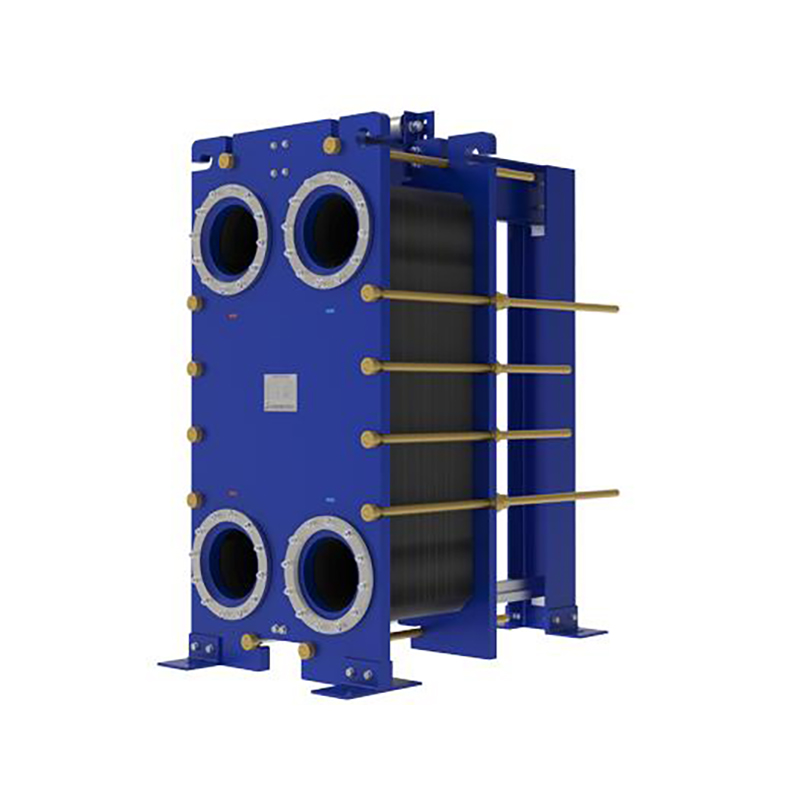
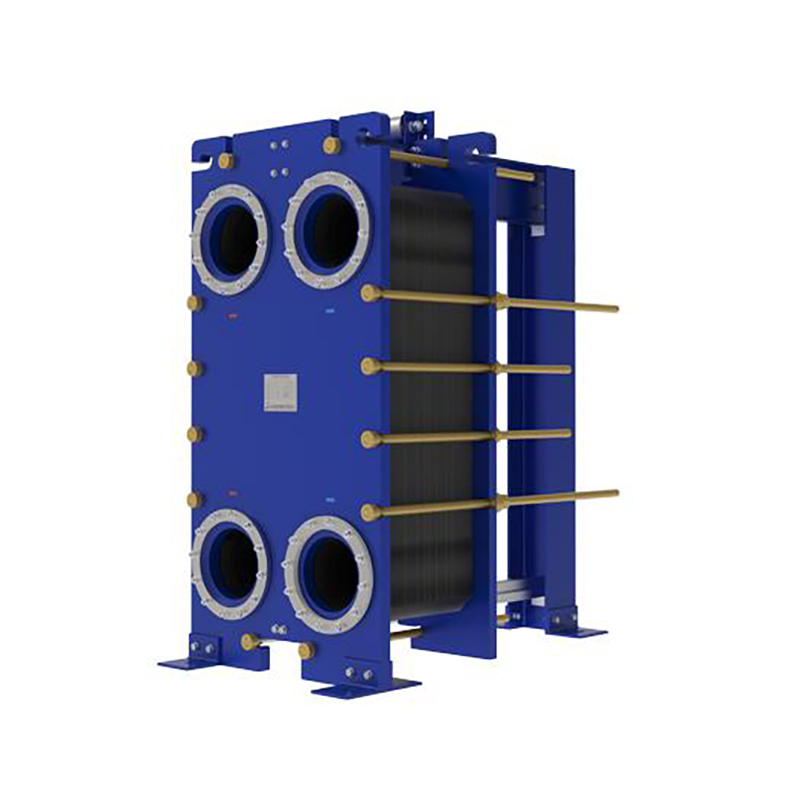
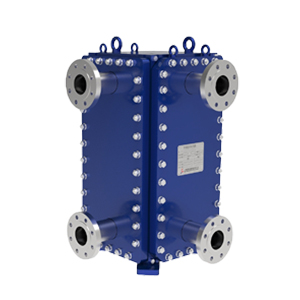
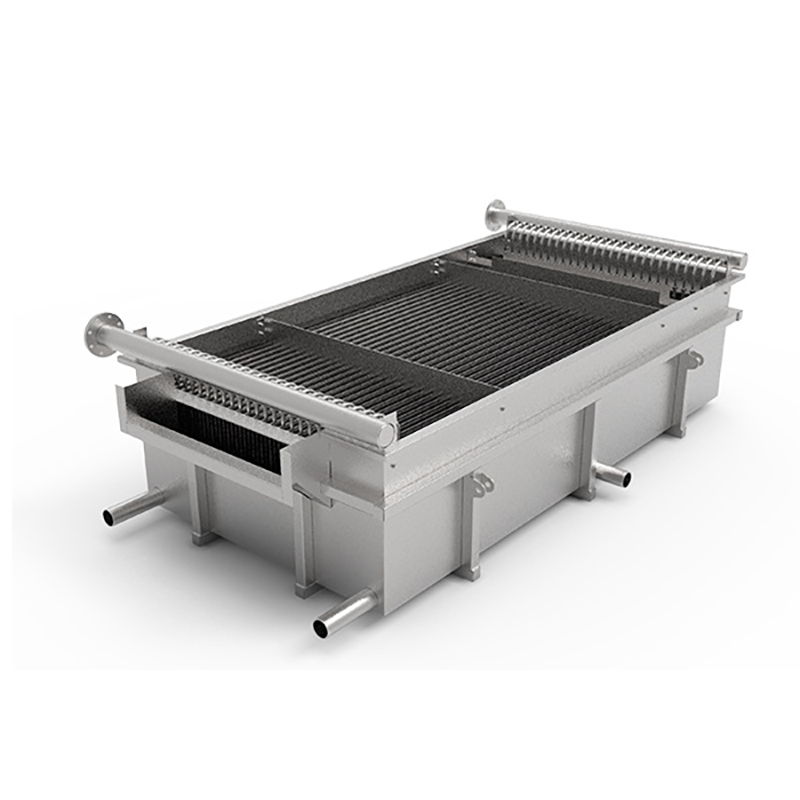
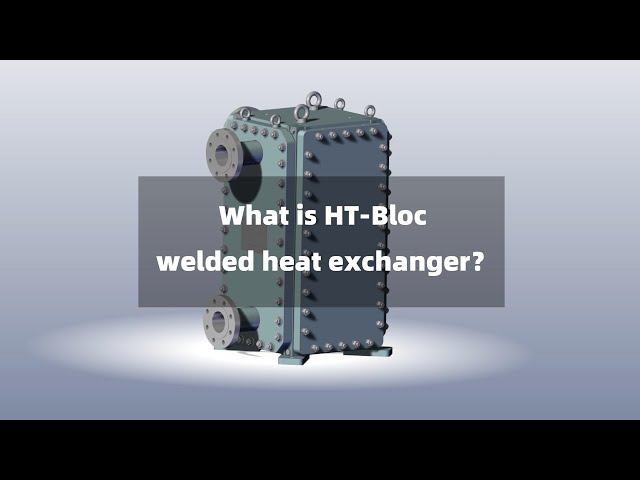
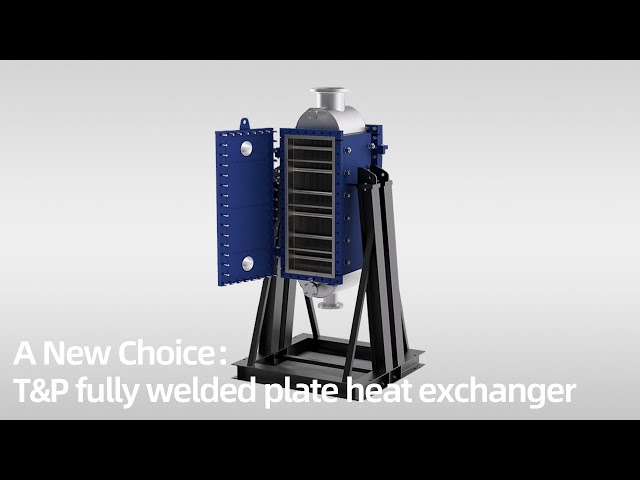
A Plate Heat Exchanger (PHE) is a compact, efficient device designed to transfer heat between two fluids without mixing them. It consists of a series of thin, corrugated metal plates stacked together, forming channels through which the hot and cold fluids flow. These plates, typically made from stainless steel, titanium, or other alloys, are gasketed, brazed, or welded to create sealed passages. The large surface area of the plates and the turbulent flow induced by their corrugated pattern enable exceptionally high rates of heat transfer. Renowned for their efficiency, compact footprint, and ease of maintenance, plate heat exchangers are a cornerstone technology in industries ranging from HVAC and refrigeration to chemical processing, power generation, and food and beverage production. Their modular design allows for capacity to be easily adjusted by adding or removing plates, making them a highly versatile and scalable solution for diverse thermal management needs.
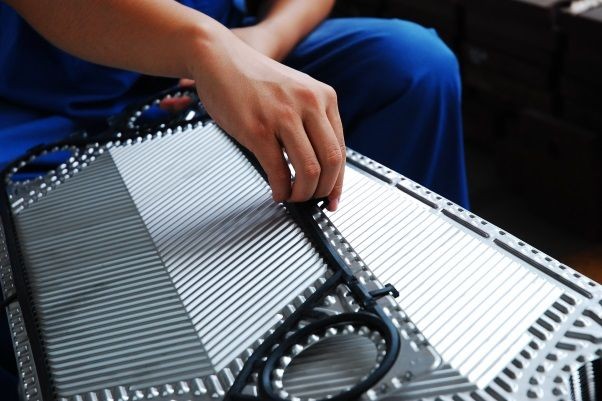
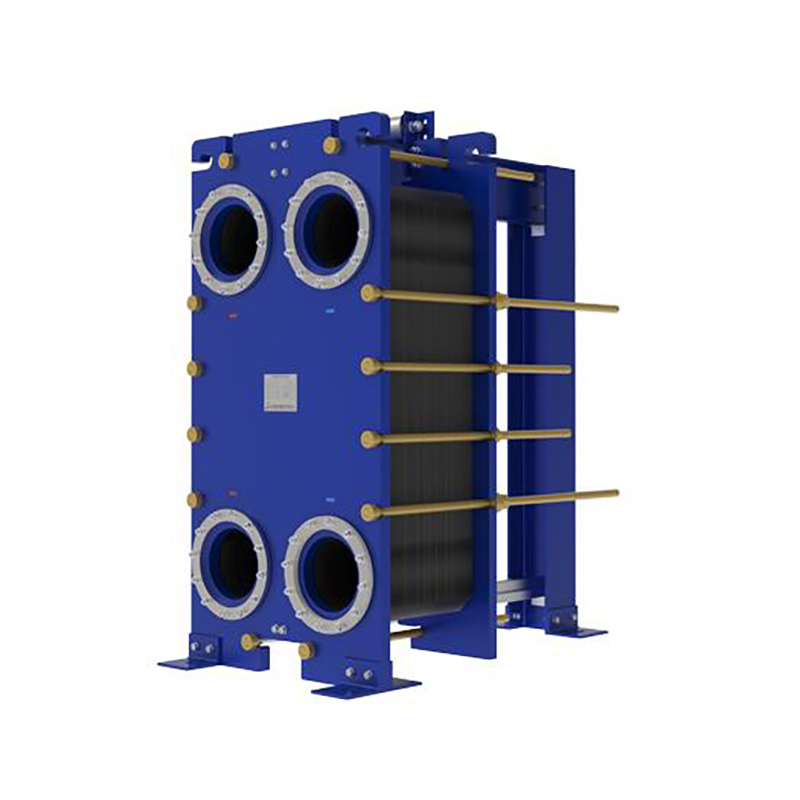
The exceptional performance of a Plate Heat Exchanger stems from its ingenious design. The core of the unit is a pack of corrugated metal plates compressed within a rigid frame. Each plate is fitted with a gasket that seals the channels and directs the fluids into alternating passages, ensuring the hot and cold streams are separated but in close proximity for optimal heat transfer. The corrugations on the plates are not random; they are precisely engineered to create intense turbulence in the fluids at relatively low flow rates. This turbulence is critical as it disrupts the stagnant boundary layer at the plate surface, which is the main barrier to heat transfer. By minimizing this barrier, the PHE achieves thermal efficiencies often 3 to 5 times greater than that of a comparable shell-and-tube heat exchanger. This high efficiency translates directly into significant cost savings, as it requires less surface area to achieve the same duty, leading to a smaller, lighter, and more cost-effective unit. Furthermore, the small hold-up volume within the plates means a very rapid response to changes in process conditions. Materials are selected based on the application; for instance, 316 stainless steel is common for general duties, while titanium is standard for seawater cooling, and specialized alloys like Hastelloy are used for highly corrosive chemicals in the chemical processing industry. This combination of turbulent flow, large surface area, and counter-current flow arrangement makes the plate heat exchanger the undisputed leader in efficient thermal energy recovery.
How Plate Heat Exchangers Work
The operation of a plate heat exchanger is a masterclass in efficient counter-flow heat transfer. The process begins as two fluids of different temperatures are pumped into the exchanger through separate inlet ports. The fluids are then distributed by the port holes in the plates and channeled into the alternating gaps between the stacked plates. For example, the hot fluid enters one set of gaps, while the cold fluid enters the set adjacent to it. The pattern of the gaskets ensures the fluids flow in opposite directions, a configuration known as counter-current flow. As the fluids traverse the narrow, corrugated channels, the corrugations force the flow into a violent swirling motion, creating maximum turbulence. This action ensures that the entire volume of fluid is brought into intimate contact with the large surface area of the metal plates. Heat energy is conducted through the thin plate wall from the hotter fluid to the colder one. The counter-current flow is vital because it maintains a consistent and favorable temperature difference (the driving force for heat transfer) across the entire length of the exchanger, unlike in a parallel-flow setup where the driving force diminishes. This allows the cold fluid to be heated to a temperature much closer to the inlet temperature of the hot fluid, maximizing thermal recovery. Finally, the now-cooled hot fluid and the now-heated cold fluid exit the unit through their respective outlet ports, having never mixed. The entire process is remarkably efficient, with approach temperatures (the difference between the outlet of one stream and the inlet of the other) as low as 1°C (1.8°F) being achievable in certain applications, a feat nearly impossible for less efficient designs. This principle enables widespread use in duties like cooling hydraulic oil with water, heating swimming pools with boiler water, or pasteurizing milk by regenerating heat from already-pasteurized product.
 English EN
 中国 CN
中国 CN
 French FR
 German DE
 Portuguese PT
 Spanish ES
 Russian RU
 Japanese JA
 Korean KO
 Arabic AR
 Turkish TR
 Italian IT







User Comments
Service Experience Sharing from Real Customers
Michael Chen
Maintenance EngineerThe plate heat exchanger's compact design and exceptional thermal efficiency have significantly reduced our energy costs. Maintenance is straightforward with the clip-on design. A reliable workhorse for our chemical processing plant.
Sarah Johnson
Facility ManagerWe installed this unit for our building's HVAC system. The performance is outstanding, providing consistent temperature control and its space-saving footprint was a major advantage. Highly recommend for commercial HVAC applications.
David Rodriguez
BrewmasterExcellent for rapid wort cooling in our craft brewery. The heat transfer is incredibly efficient, which is crucial for preserving beer flavor. Lost one star only because the gaskets require careful monitoring for our high-temperature cycles.
Emily Watson
Plant Operations DirectorThis plate exchanger is the core of our waste heat recovery system. Its durability and corrosion-resistant plates have withstood challenging conditions, turning waste energy into savings. A fantastic investment for any manufacturing plant looking to improve sustainability.