Primary Heat Exchanger: High-Efficiency Heat Transfer for Industrial and HVAC Systems | Manufacturer Guide
A Primary Heat Exchanger is a fundamental component in thermal systems, designed to transfer heat between two or more fluids without mixing them. This core device is engineered for maximum thermal efficiency, durability, and reliability in demanding applications. It serves as the critical heart of systems in power generation, chemical processing, oil and gas refineries, commercial HVAC, and residential heating units like modern condensing boilers. By facilitating effective heat recovery and temperature control, primary heat exchangers are indispensable for optimizing energy usage, reducing operational costs, and minimizing the environmental footprint of industrial and comfort heating processes. Their design and material composition are tailored to handle specific pressures, temperatures, and fluid types, ensuring long-term performance even under extreme operating conditions.
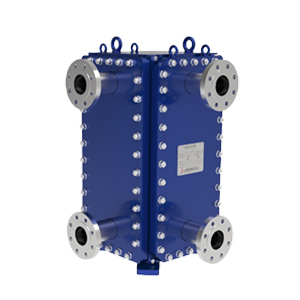
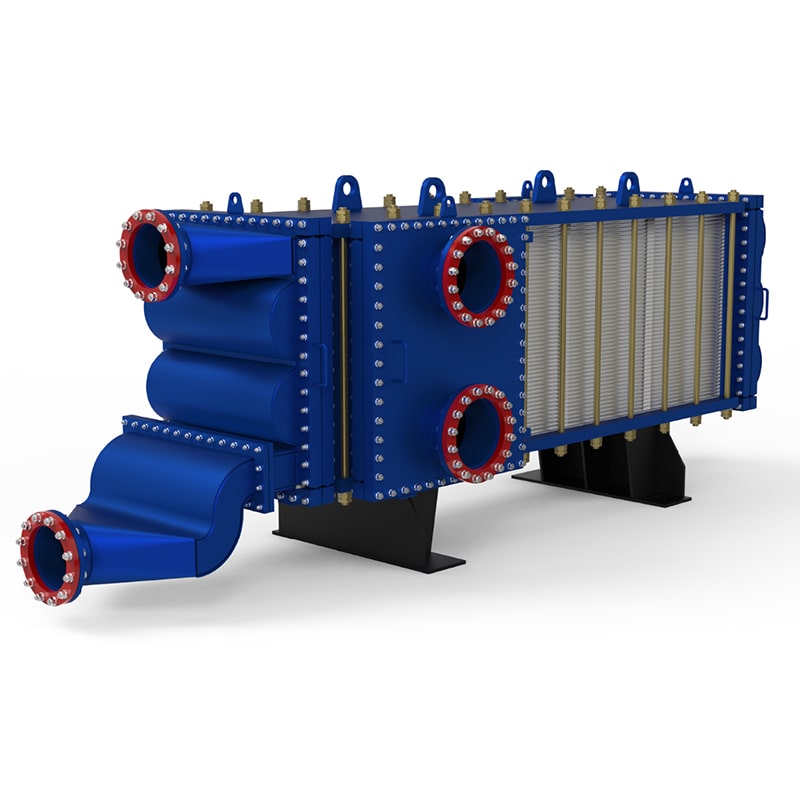
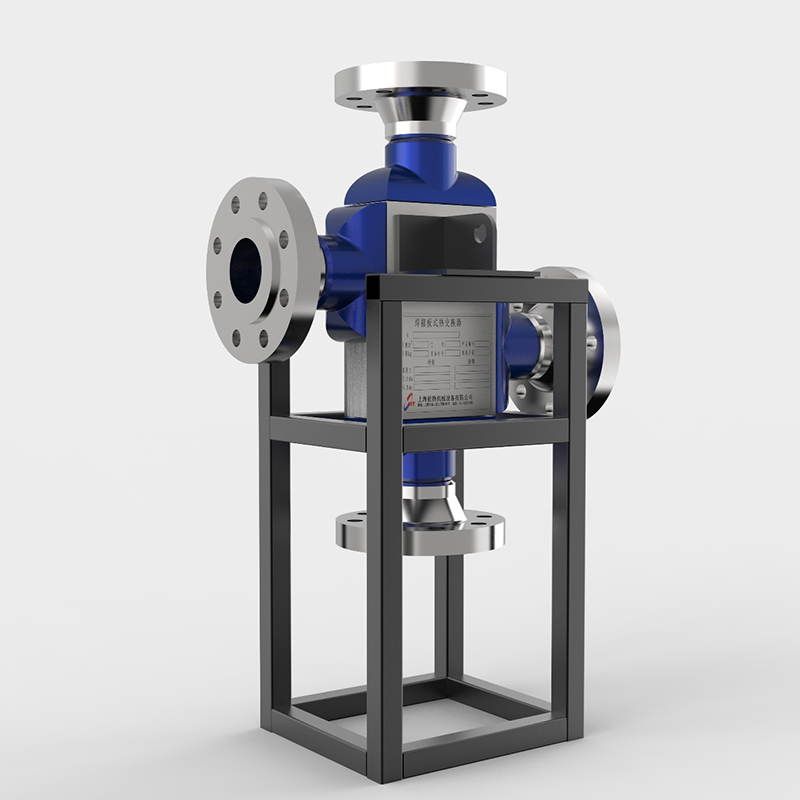
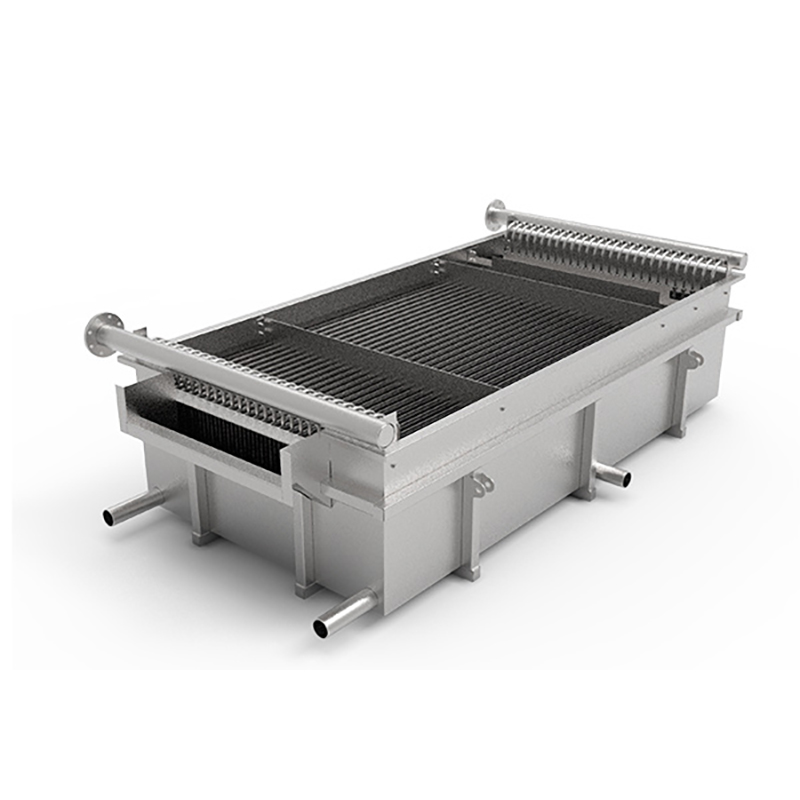
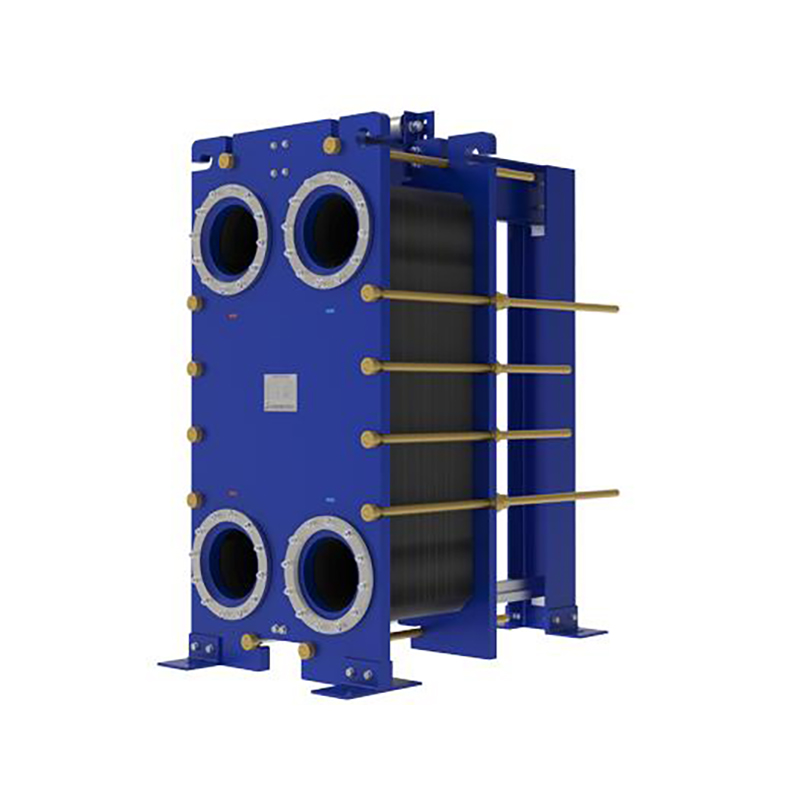
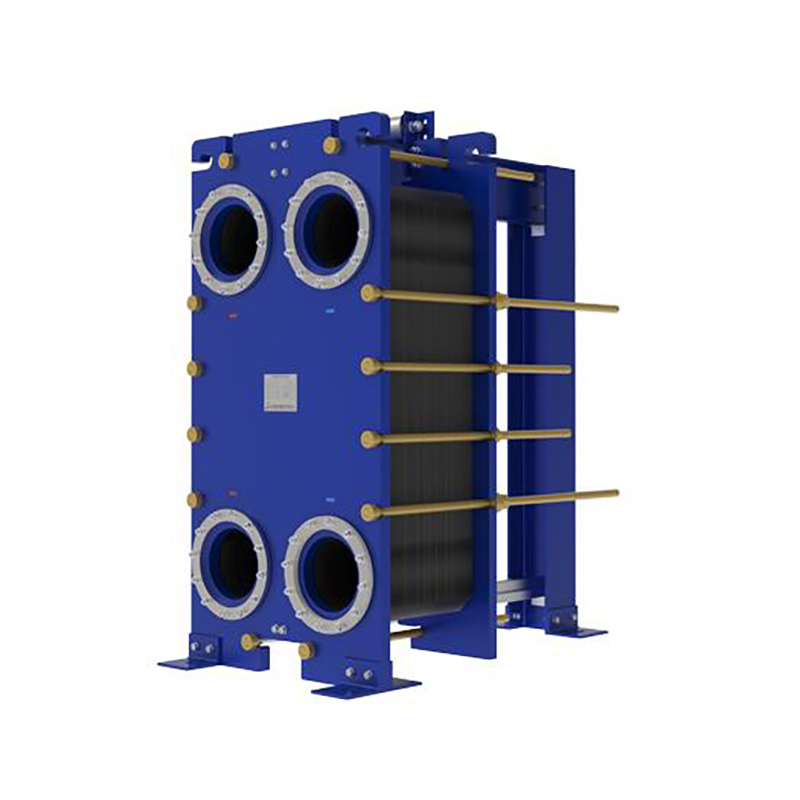
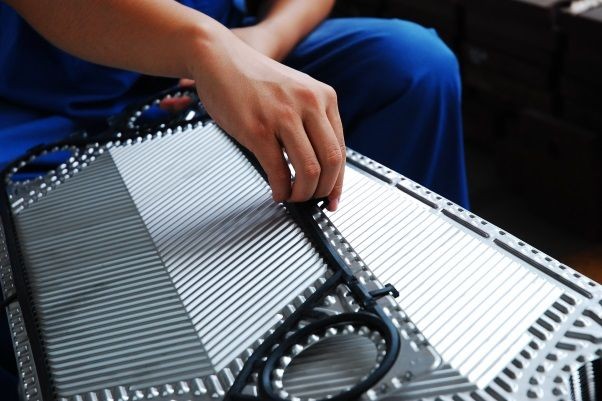
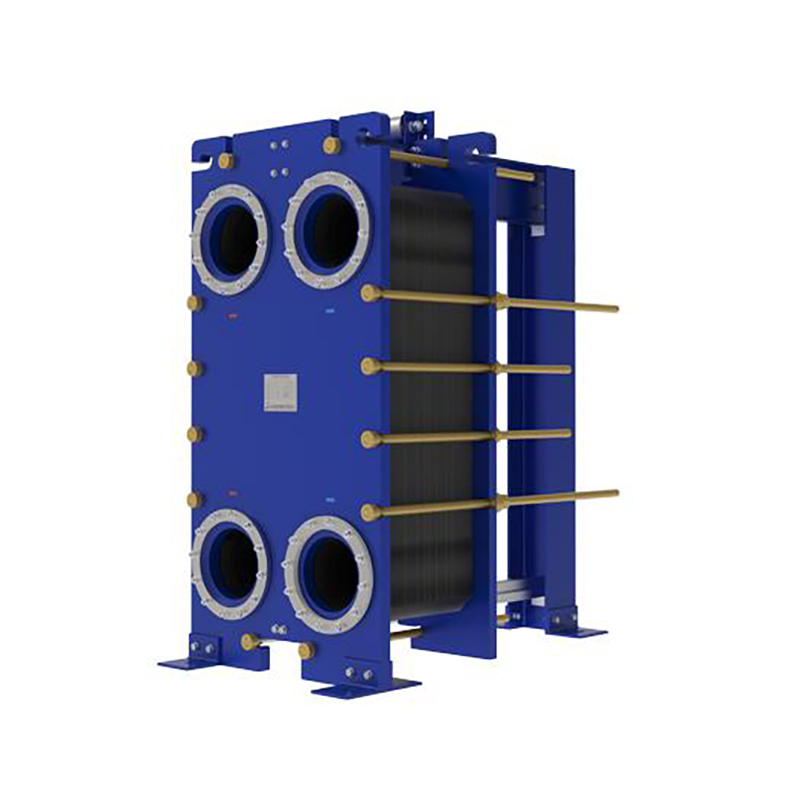
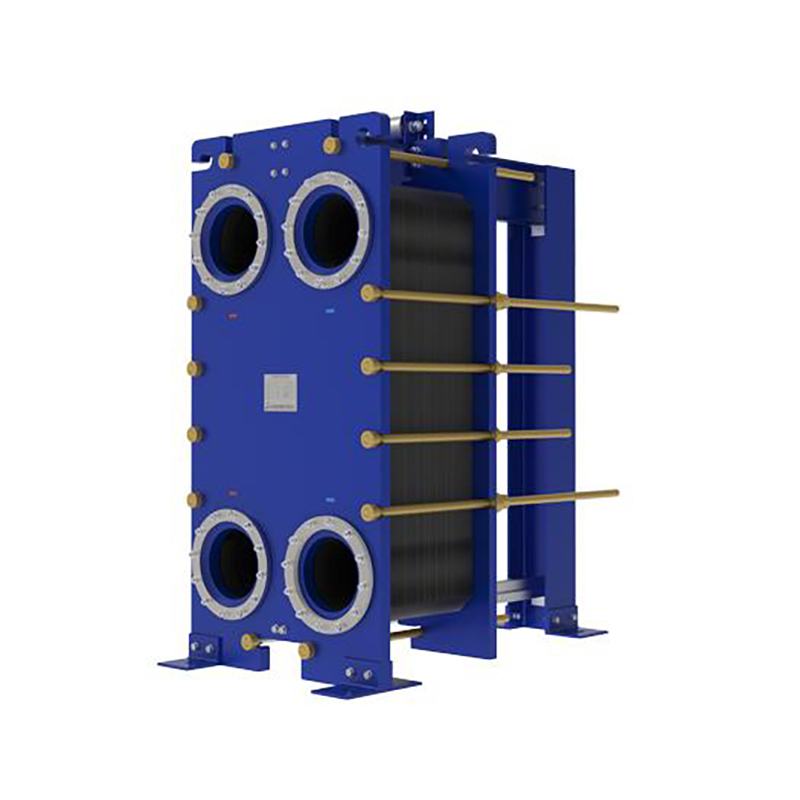
The principle of a primary heat exchanger is grounded in the fundamental laws of thermodynamics, specifically the efficient transfer of thermal energy from a hotter fluid to a cooler one across a solid barrier, preventing any physical contact or mixing between them. This process occurs primarily through conduction and convection. In a shell and tube design, the most common type for industrial applications, the hotter fluid flows through a series of tubes while the cooler fluid circulates around them within a sealed shell. Heat energy moves from the hot fluid, through the tube wall (often made from high-conductivity materials like copper, stainless steel, or titanium), and into the cooler fluid. Plate heat exchangers, another prevalent type, use corrugated metal plates stacked together to create alternating channels for the hot and cold fluids, providing a large surface area for rapid and efficient heat transfer. The efficiency of this process is measured by the overall heat transfer coefficient (U-value), with modern units achieving exceptionally high values. For instance, advanced brazed plate heat exchangers can boast U-values ranging from 5,000 to 7,000 W/m²K for water-to-water applications. The design meticulously calculates the log mean temperature difference (LMTD) to determine the driving force for heat exchange and sizes the required surface area accordingly. Factors such as flow rate, fluid viscosity, thermal conductivity, and fouling factors are all critical in the design phase to ensure the unit meets the precise thermal duty, whether it's recovering waste heat from exhaust gases or heating domestic water in a combi boiler. The ultimate goal is to maximize heat recovery while maintaining structural integrity against thermal expansion, corrosion, and pressure stresses.
Why use a Primary Heat Exchanger
The implementation of a primary heat exchanger is driven by the critical needs for energy efficiency, operational cost reduction, process optimization, and regulatory compliance. In an era of high energy costs and stringent environmental regulations, these components are not optional but essential. They are the primary mechanism for capturing and reusing waste heat, which would otherwise be lost to the atmosphere, thereby significantly lowering fuel consumption and associated greenhouse gas emissions. For example, in a natural gas-fired condensing boiler, the primary heat exchanger recovers so much energy from the flue gases that the water vapor within them condenses, allowing the system to achieve thermal efficiencies exceeding 90% and up to 98%, far superior to non-condensing models. In industrial settings, such as a refinery, primary heat exchangers preheat crude oil entering a distillation column using hot outgoing products, drastically reducing the furnace's fuel load and resulting in monumental energy savings. Data from the U.S. Department of Energy highlights that heat exchange and recovery systems can improve overall industrial energy efficiency by 10% to 50% in various processes. Beyond energy savings, they are crucial for precise temperature control in chemical reactions, ensuring product quality and consistency. They also protect downstream equipment from thermal shock and reduce the load on cooling systems. The robust construction of primary heat exchangers from corrosion-resistant alloys ensures system reliability, minimizes downtime for maintenance, and extends the operational lifespan of the entire plant, providing a compelling return on investment and a reduced total cost of ownership.
 English EN
 中国 CN
中国 CN
 French FR
 German DE
 Portuguese PT
 Spanish ES
 Russian RU
 Japanese JA
 Korean KO
 Arabic AR
 Turkish TR
 Italian IT









User Comments
Service Experience Sharing from Real Customers
Michael Chen
HVAC EngineerThe primary heat exchanger's efficiency is outstanding. It significantly improved our system's thermal performance and reduced energy consumption. The build quality is robust and shows excellent corrosion resistance.
Sarah Johnson
Maintenance SupervisorExtremely durable and reliable primary heat exchanger. It has been running flawlessly in our harsh plant environment for over a year with zero maintenance issues. The heat transfer rate exceeds specifications.
David Williams
Facility ManagerThis heat exchanger delivers excellent performance for our commercial heating system. Installation was straightforward, and we've noticed a 15% reduction in our energy bills since implementation. Highly recommended.
Jennifer Lopez
Process EngineerExceptional thermal efficiency and compact design. This primary heat exchanger has optimized our production process and handled high-temperature differentials without any performance degradation. A superior product.