Stacked Plate Heat Exchanger: High-Efficiency Thermal Transfer for Demanding Applications
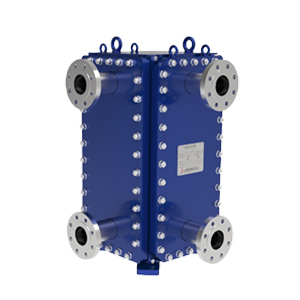
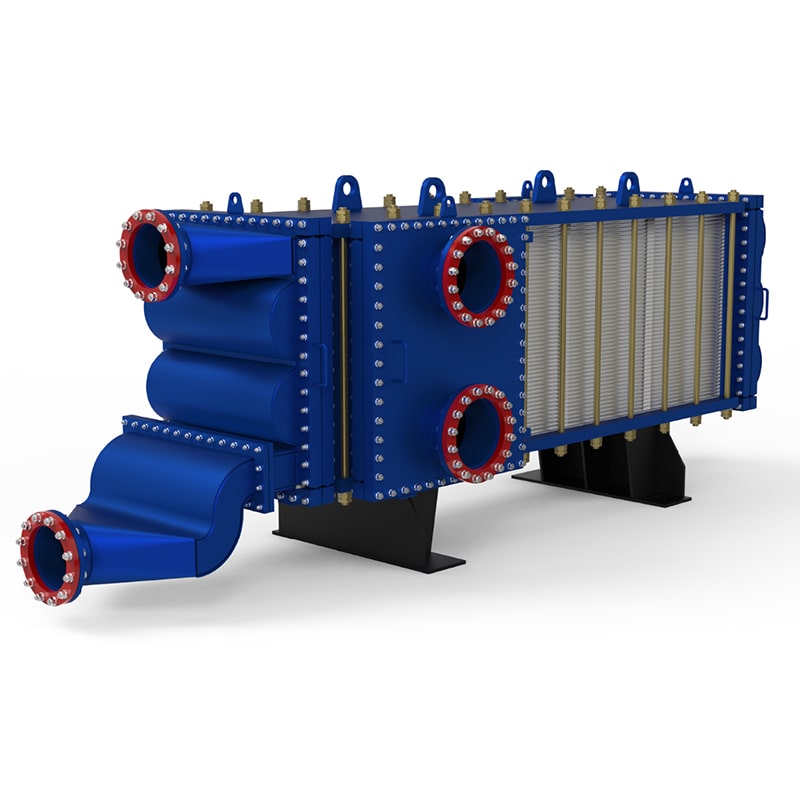
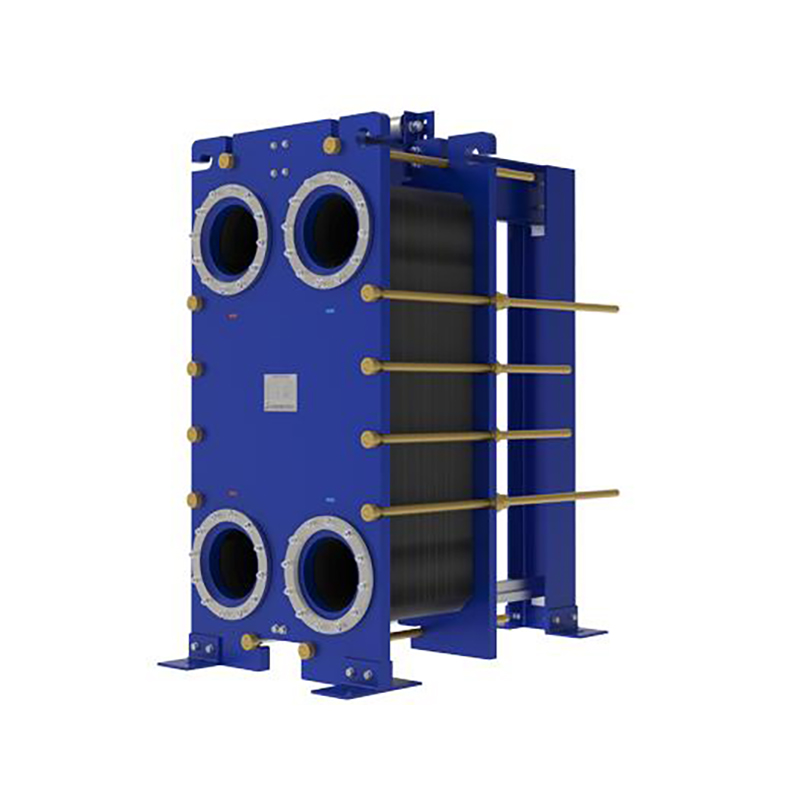
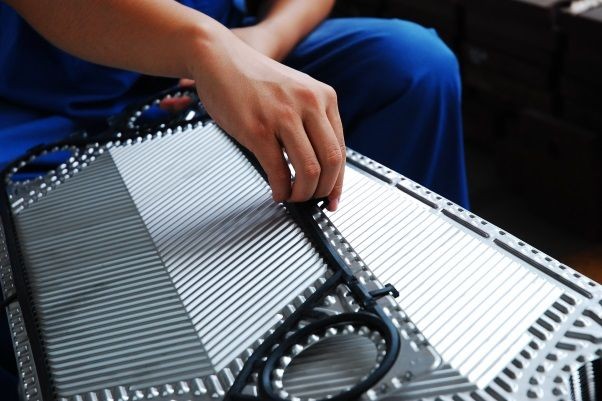
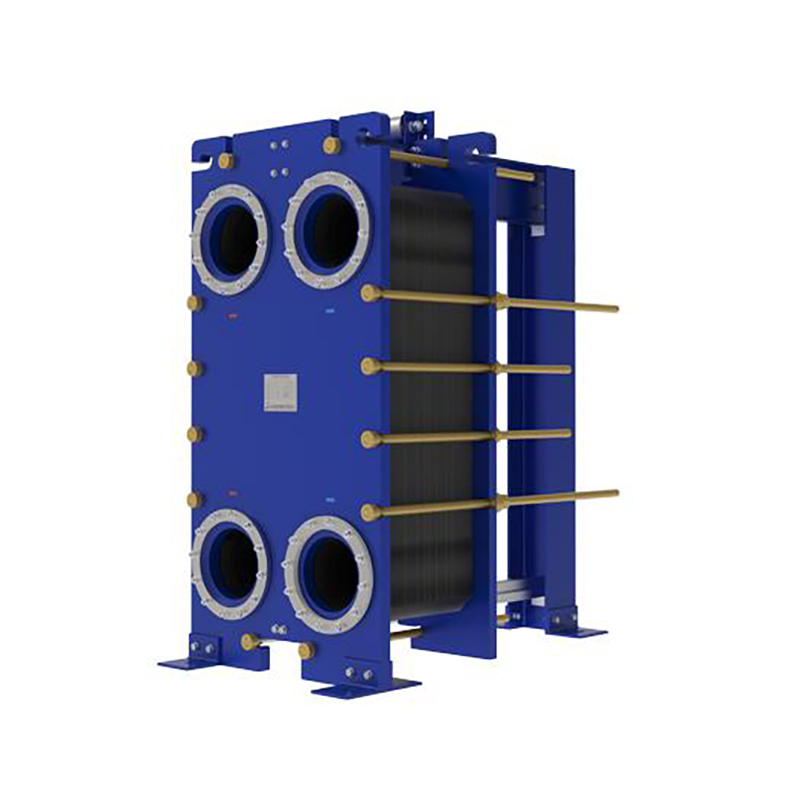
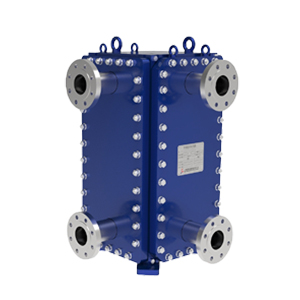
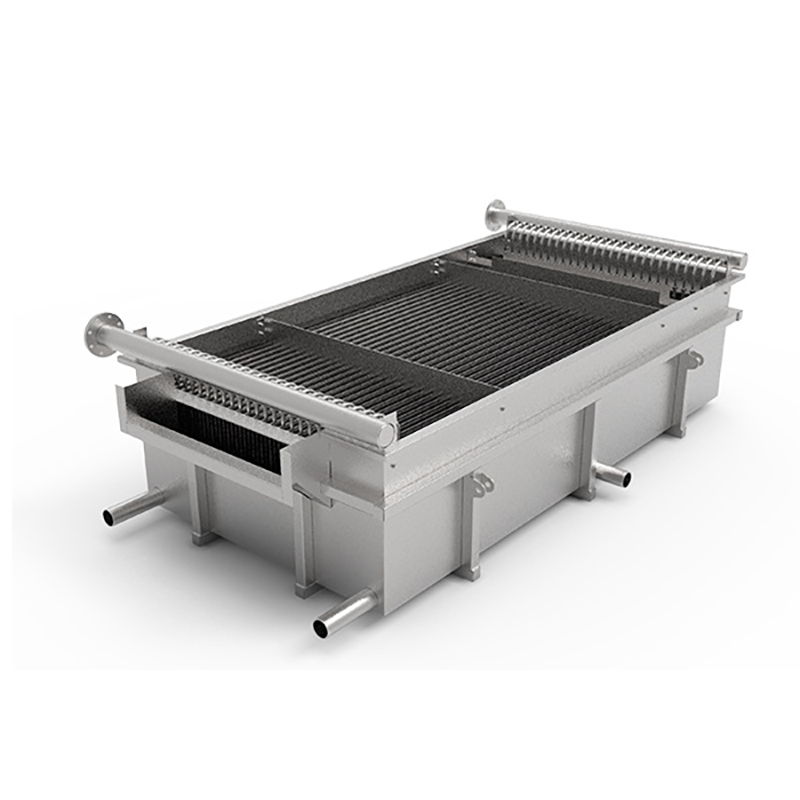
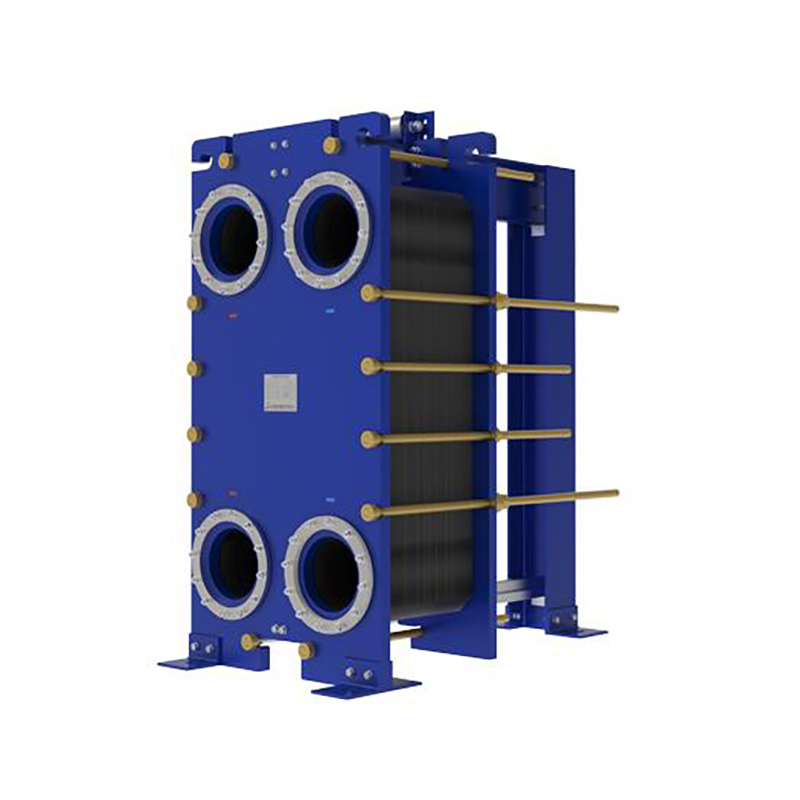
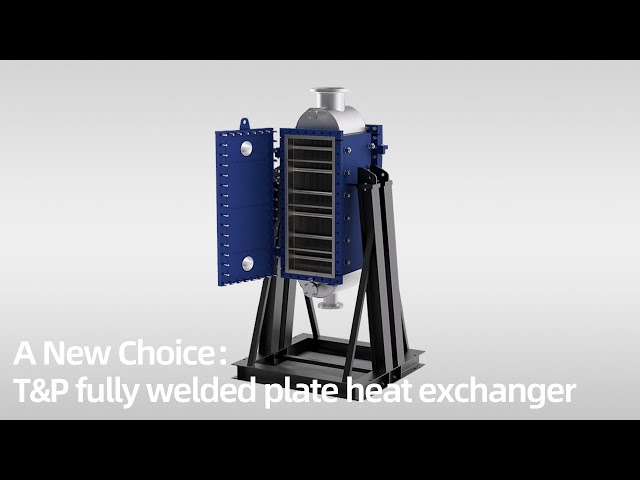
The principle of a stacked plate heat exchanger revolves around a compact and efficient design that facilitates optimal heat transfer between multiple fluids without mixing them. This technology utilizes a series of thin, corrugated metal plates stacked together in a frame, creating alternating channels for hot and cold media. The plates, typically made from stainless steel, titanium, or other specialized alloys, are arranged in a counter-current flow pattern to maximize the thermal gradient across the heat transfer surface. The corrugations on the plates induce turbulent flow at lower velocities, which significantly enhances the heat transfer coefficient and reduces fouling compared to traditional shell-and-tube designs. Gaskets or laser welding seal the plates, ensuring fluid integrity and allowing for customization of the flow arrangement to meet specific thermal and pressure drop requirements. This modular construction enables the unit to be easily expanded or reconfigured by adding or removing plates, providing exceptional flexibility across a wide range of duties, from heating and cooling to evaporation and condensation in industrial processes.
The operational principle is fundamentally centered on achieving a high surface-area-to-volume ratio, which is a direct result of the tightly packed plate stack. This design is exceptionally effective in applications where space is at a premium, as it can offer the same heat transfer capacity as a much larger shell-and-tube exchanger in a fraction of the footprint. The counter-current flow arrangement is critical; it allows the cold fluid to exit at a temperature potentially higher than the exit temperature of the hot fluid, a level of efficiency impossible to achieve in a parallel-flow system. The turbulence generated by the plate corrugations is a key performance driver. It not only improves heat transfer rates by disrupting the laminar sub-layer but also minimizes the accumulation of deposits on the heat transfer surfaces. This self-cleaning effect is a major advantage in processing fluids with suspended solids or a tendency to foul. Advanced models feature computational fluid dynamics (CFD) optimized plate patterns to further enhance thermal performance and reduce pressure losses. The sealing mechanism, whether gasketed, brazed, or welded, is selected based on pressure, temperature, and fluid compatibility, ensuring a robust and leak-proof system capable of handling aggressive media and high-temperature differentials. This makes the stacked plate design a superior choice for precise temperature control and heat recovery in industries like chemicals, pharmaceuticals, power generation, and HVAC.
Why use a stacked plate heat exchanger
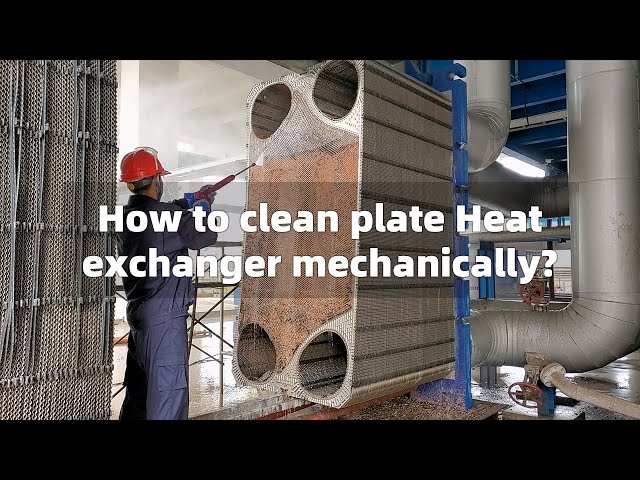
The decision to use a stacked plate heat exchanger is driven by its unparalleled combination of efficiency, compactness, and operational flexibility, which translates into significant cost savings and performance benefits across a vast spectrum of industries. In an era of rising energy costs and stringent environmental regulations, the exceptional heat transfer coefficients achieved by these units directly reduce the required heat transfer area for a given duty. This high efficiency leads to lower energy consumption for pumping and temperature control, with some applications reporting energy savings of up to 40% compared to conventional shell-and-tube exchangers. Their modular and compact nature is a decisive factor for both new installations and retrofits, where space constraints are a major concern; they can offer up to 50% space savings, reducing the overall footprint and structural support requirements of a facility. Furthermore, their design is inherently scalable. Capacity can be easily adjusted by modifying the number of plates in the stack, allowing for effortless future expansion to meet increased production demands without the need for complete unit replacement. This adaptability, combined with reduced maintenance downtime due to easier cleaning and inspection, provides a lower total cost of ownership. They are the preferred solution for duties involving close temperature approaches (as low as 1°C), heat recovery, and handling of costly or hazardous materials where leak prevention and material integrity are paramount. From cooling hydraulic oil in manufacturing to pasteurizing milk in food and beverage processing, their proven reliability and performance make them an indispensable component of modern industrial systems.
 English EN
 中国 CN
中国 CN
 French FR
 German DE
 Portuguese PT
 Spanish ES
 Russian RU
 Japanese JA
 Korean KO
 Arabic AR
 Turkish TR
 Italian IT







User Comments
Service Experience Sharing from Real Customers
David Chen
Process EngineerThe thermal efficiency of this stacked plate exchanger is outstanding. It has significantly reduced our energy costs and the compact design saved us crucial floor space in our facility. Highly recommend for any chemical processing application.
Sarah Johnson
HVAC Project ManagerWe installed several of these units for a large commercial building project. The performance is exceptional for both heating and cooling circuits. The modular plate stack design makes maintenance and future capacity expansion incredibly straightforward.
Michael Rodriguez
Plant Maintenance SupervisorExtremely durable construction and handles high pressures without issue. The plates are easy to access and clean, which minimizes our downtime during service. Lost one star only because the initial installation instructions could be clearer.
Emily Watson
Research & Development LeadPerfect for our pilot plant testing. The flexibility to adjust the configuration of the plate stack allows us to simulate different process conditions accurately. The heat transfer coefficients achieved are impressive and reliable for our data collection.