Suction Line Heat Exchanger (SLHX): Enhancing Refrigeration Efficiency & System Performance | Manufacturer Solutions
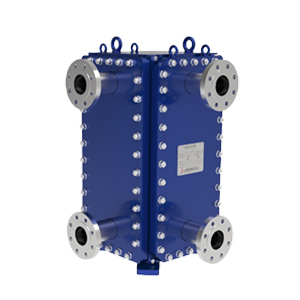
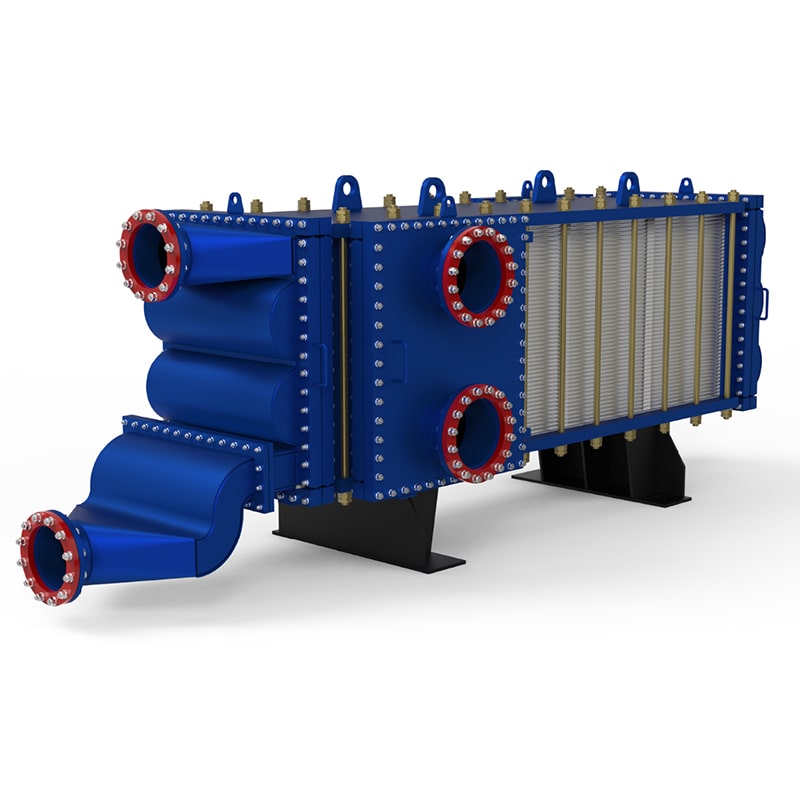
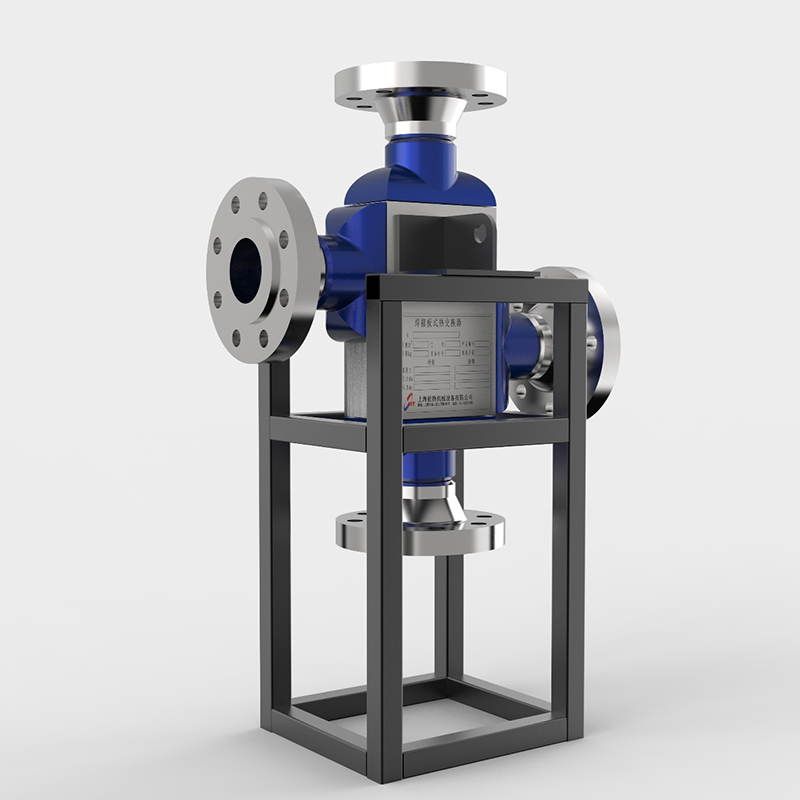
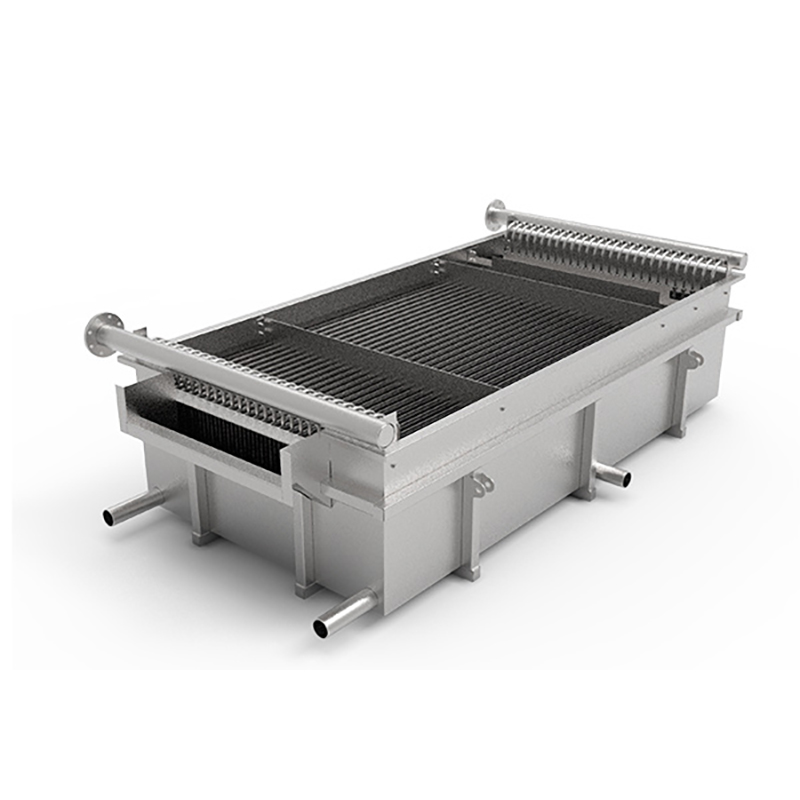
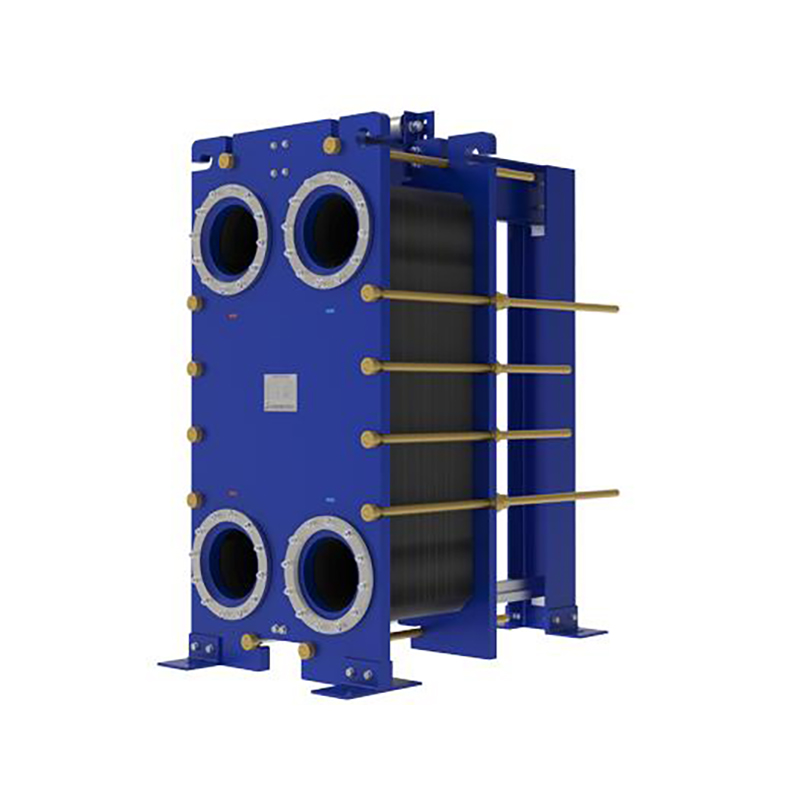
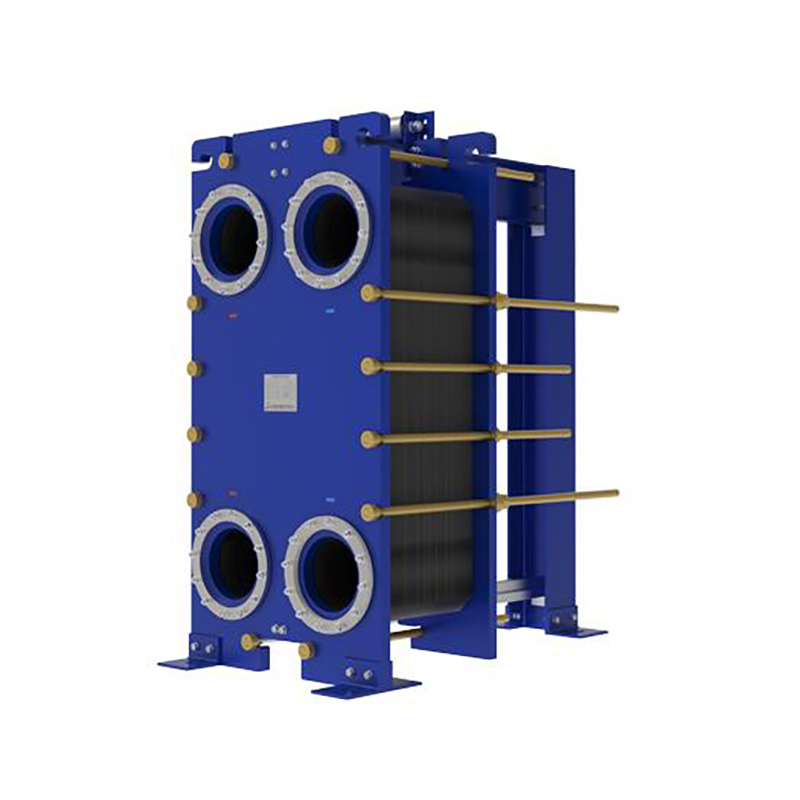
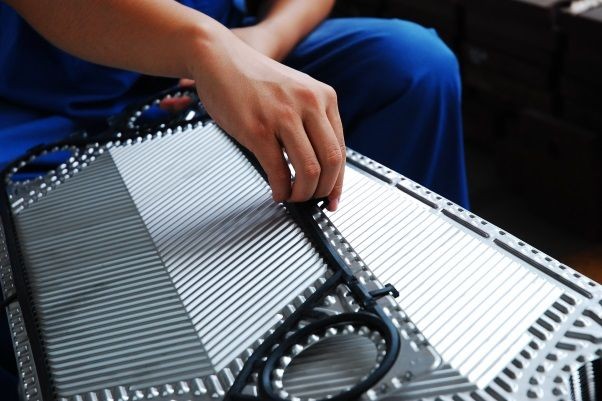
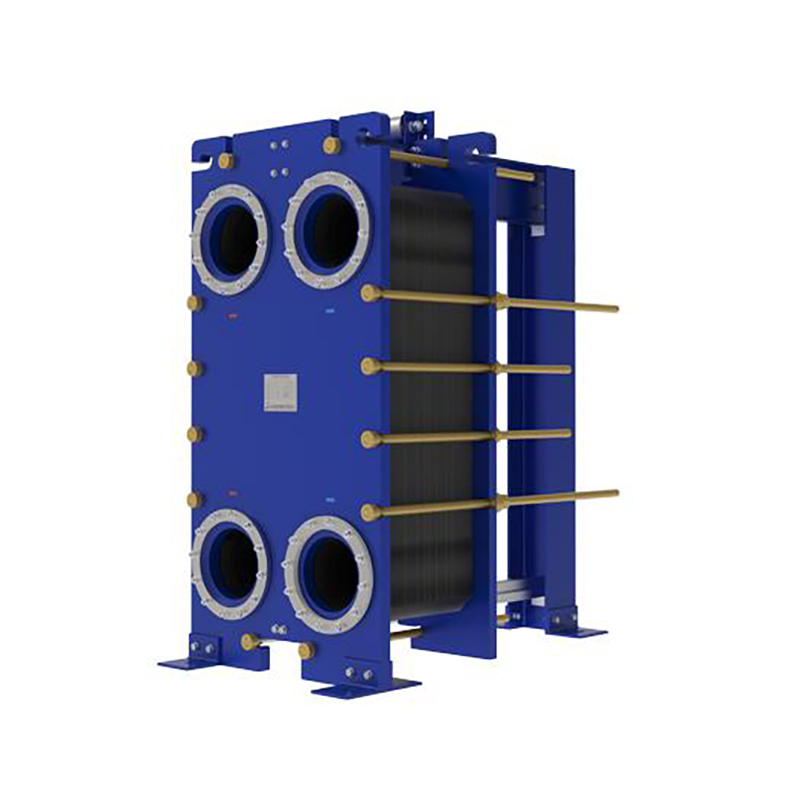
A Suction Line Heat Exchanger (SLHX or SLHE), often referred to as an internal heat exchanger, is a fundamental component in advanced refrigeration and air conditioning systems. Its core principle is based on facilitating efficient heat transfer between two process streams: the high-pressure, high-temperature liquid refrigerant exiting the condenser and the low-pressure, low-temperature suction gas vapor returning to the compressor. This counter-flow heat exchange occurs within a coaxial tube-in-tube or a brazed plate heat exchanger design, where the two streams are in close thermal contact but remain physically separated. The process is thermodynamically sound, subcooling the liquid refrigerant before it enters the expansion device while simultaneously superheating the suction gas before it reaches the compressor. This subcooling increases the refrigerant's enthalpy difference (Δh) across the evaporator, effectively boosting its capacity to absorb heat. Conversely, the superheating ensures the compressor receives vapor only, safeguarding it from potential damage caused by liquid slugging. The elegance of the SLHX lies in its ability to utilize waste heat from the liquid line to improve the system's overall energy efficiency without additional major energy inputs, making it a cornerstone for high-performance and low-temperature applications.
The operational principle of the suction line heat exchanger is a direct application of the second law of thermodynamics, optimizing the refrigeration cycle. As the warm liquid refrigerant from the condenser flows through the inner tube of the heat exchanger, it loses sensible heat to the cooler suction gas traveling in the opposite direction through the surrounding annulus. This transfer results in a significant temperature drop of the liquid refrigerant, a state known as subcooling. Industry data indicates that for every 1°F (approx. 0.56°C) of subcooling, the system's capacity can increase by approximately 0.5% to 1%, depending on the refrigerant type and operating conditions. Simultaneously, the suction gas absorbs this energy, raising its temperature well above its saturation point, which is termed superheating. This is critical because it guarantees a completely gaseous state at the compressor inlet. In systems using refrigerants like R-404A or R-410A, typical subcooling levels achieved can range from 10°F to 20°F (5.5°C to 11°C), while suction gas superheat might be increased by 15°F to 30°F (8°C to 16.5°C). This internal energy recuperation enhances the coefficient of performance (COP) by increasing the net refrigeration effect per unit of compressor work, a key metric for system efficiency.
Why Use a Suction Line Heat Exchanger
The implementation of a suction line heat exchanger is driven by multiple compelling advantages that address critical performance and reliability challenges in refrigeration systems. Its primary purpose is to boost overall system efficiency and capacity, particularly in low-temperature applications and in systems utilizing specific refrigerants. By subcooling the liquid refrigerant, the SLHX prevents flash gas formation at the inlet of the expansion valve. Flash gas, a phenomenon where refrigerant prematurely vaporizes due to pressure drop and insufficient subcooling, drastically reduces the effective capacity of the evaporator and can lead to erratic valve operation. Furthermore, the superheating function is a vital protective measure for the compressor. It ensures that no liquid refrigerant, which is incompressible and can cause catastrophic mechanical failure, enters the compressor crankcase. This is especially crucial during system start-up or under low-load conditions when the risk of floodback is highest. For modern systems using R-407C or R-134a, which have a temperature glide, the SLHX can also contribute to better temperature matching and reduced fractionation, improving heat transfer effectiveness.
Utilizing a suction line heat exchanger translates into tangible operational and financial benefits, substantiated by engineering data and case studies. Systems equipped with a well-designed SLHX consistently demonstrate a 5% to 15% increase in energy efficiency (COP) and a corresponding 5% to 10% boost in cooling capacity, as documented in technical literature from component manufacturers like Danfoss and Emerson. This efficiency gain directly reduces electricity consumption and operational costs. From a reliability standpoint, the guaranteed superheat drastically reduces compressor failure rates. Industry surveys suggest that compressor failures due to liquid slugging and floodback account for over 30% of all warranty claims; an SLHX is a proven mitigation strategy. In commercial refrigeration, such as supermarket freezer cases operating at -20°F (-29°C), the capacity increase is critical for maintaining temperature stability. Moreover, for systems with long refrigerant lines, the additional subcooling helps to counteract pressure drop-induced flash gas. In heat pump applications, the SLHX improves performance in heating mode by increasing the energy extracted from the outside air. The initial investment in an SLHX is quickly offset by lower energy bills, reduced maintenance costs, and extended compressor lifespan, delivering a strong return on investment.
 English EN
 中国 CN
中国 CN
 French FR
 German DE
 Portuguese PT
 Spanish ES
 Russian RU
 Japanese JA
 Korean KO
 Arabic AR
 Turkish TR
 Italian IT







User Comments
Service Experience Sharing from Real Customers
Michael Chen
HVAC Design EngineerThis suction line heat exchanger is incredibly efficient. It significantly improved the subcooling in our system, boosting overall COP. The build quality is robust and installation was straightforward. A must-have for any serious refrigeration retrofit.
Sarah Johnson
Maintenance ManagerWe installed this on several of our rack systems, and the performance gains are undeniable. Much better liquid feed to the evaporators and a noticeable increase in capacity. It has also helped protect our compressors. Highly recommended for supermarket applications.
David Rodriguez
Project EngineerA high-quality component that does exactly what it's supposed to. The internal heat transfer is excellent, recovering energy that would otherwise be wasted. Took off one star because the connections required a slight adapter for our specific piping, but otherwise flawless.
Emily Williams
Sustainability ConsultantIntegrating this suction line heat exchanger was key to achieving our client's energy reduction goals for their cold storage facility. It's a simple but highly effective technology for improving system efficiency and reducing the carbon footprint. Reliable and effective.