
 English EN
 中国 CN
中国 CN
 French FR
 German DE
 Portuguese PT
 Spanish ES
 Russian RU
 Japanese JA
 Korean KO
 Arabic AR
 Turkish TR
 Italian IT
The Essential Guide to Crude Oil Cooler Functions
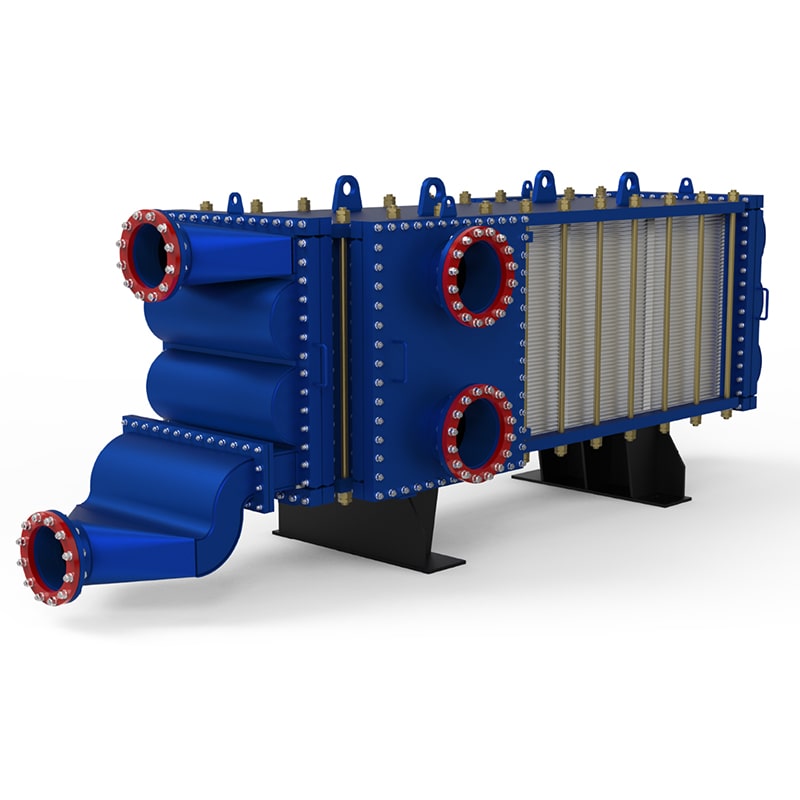
A crude oil cooler controls oil temperature by removing excess heat from lubricating fluids, ensuring proper performance in demanding environments. Oil coolers play a vital role in industrial systems and engines by preventing overheating and reducing downtime. Shanghai Plate Heat Exchanger offers the Wide Gap Welded Plate Heat Exchanger, a solution that delivers high thermal efficiency and supports reliable operations. Choosing the right oil cooler brings several advantages:
Minimizes waste heat loss and optimizes energy use
Extends equipment lifespan through corrosion-resistant materials
Reduces operational costs and supports various applications
Selecting advanced technology improves efficiency and protects valuable equipment.
Crude Oil Cooler Definition
What Is a Crude Oil Cooler
A crude oil cooler is a specialized device that manages the temperature of lubricating oil in industrial systems and engines. This equipment uses advanced heat exchangers to remove excess heat from oil, keeping it within a safe operating range. The oil cooler protects machinery from overheating and ensures smooth operation. Engineers design crude oil coolers with robust materials and innovative features to withstand harsh environments and deliver reliable performance.
The primary components and design features of a crude oil cooler include:
Component/Feature | Description |
|---|---|
Materials | |
Stainless Steel | Offers strength and corrosion resistance, ideal for harsh environments. |
Carbon Steel | Provides structural integrity, cost-effective for controlled environments. |
Plastic Composites | Lightweight and corrosion-resistant, suitable for low-pressure systems. |
Design Features | |
Finned Tubes | Increase surface area for heat dissipation, enhancing cooling efficiency. |
Heat Exchanger Configuration | Includes plate and frame, tubular, and shell-and-tube types, each with varying efficiencies. |
Flow Path Arrangement | Affects heat transfer efficiency; counterflow designs are most effective. |
Corrosion Resistance Treatments | Additional protective measures to enhance longevity in harsh conditions. |
Mounting and Housing Design | Protects components and simplifies integration, improving serviceability. |
Engineers select materials like stainless steel for strength and corrosion resistance. They use finned tubes to increase surface area and improve cooling. The mounting and housing design protects the oil cooler and makes it easier to install and maintain. Counterflow arrangements in the flow path maximize heat transfer efficiency.
Key Functions in Oil Systems
Oil coolers play several important roles in oil systems. They act as heat exchangers to maintain consistent operating temperatures for lubricating oil in engines and mechanical systems. The oil cooler lowers the temperature of the oil to prevent damage to the engine and gearbox from high temperatures.
Oil coolers bring a lubricant’s temperature down within its recommended operating range to avoid heat-induced failure.
They extend a lubricant’s operating life, enhancing system efficiency.
Oil coolers help maintain optimal temperature ranges for oil, which is essential for effective lubrication.
They prevent overheating, which reduces wear on components and extends the lifespan of both the oil and machinery.
By stabilizing oil temperatures, oil coolers ensure stable engine and transmission performance.
Tip: Regular maintenance of the oil cooler helps prevent overheating and keeps machinery running smoothly.
A crude oil cooler supports system stability by regulating oil temperature. It protects critical components from excessive heat and ensures the oil remains effective as a lubricant. The oil cooler extends the life of both the oil and the equipment, reducing downtime and improving productivity.
Types of Oil Coolers
Shell-and-Tube Oil Coolers
Shell-and-tube oil coolers use a series of tubes to transfer heat from oil to another fluid. This type of oil cooler works well in environments where durability matters. Engineers often choose shell-and-tube designs for dirty or viscous fluids. The cooling process relies on oil flowing through tubes while water or air passes around them. Maintenance needs are moderate, and these oil coolers handle tough conditions.
Feature | Shell-and-Tube Oil Coolers | Plate Heat Exchangers |
|---|---|---|
Thermal Efficiency | Moderate | High |
Maintenance Requirements | Moderate | Low |
Durability | High | Moderate |
Handling of Fluids | Dirty/Viscous fluids | Clean fluids preferred |
Plate Heat Exchangers
Plate heat exchangers use stacked plates to maximize cooling. These oil coolers offer high thermal efficiency and low maintenance. They work best with clean fluids. The design allows oil to flow between plates, increasing surface area for heat transfer. Plate heat exchangers suit applications where space is limited and cooling must be efficient.
Wide Gap Welded Plate Heat Exchanger
The Wide Gap Welded Plate Heat Exchanger from Shanghai Plate Heat Exchanger stands out in oil cooling applications. This oil cooler features wide flow channels that prevent clogging, even with fluids containing solids or slurries. The openable design allows access from all sides, making maintenance easy. The welded construction ensures durability and reliability in harsh environments. The oil cooler supports efficient cooling and reduces downtime.
Feature | Benefit |
|---|---|
Wide flow channel design | Facilitates smooth transfer of solid-rich fluids and slurries |
Anti-clogging performance | Maintains efficient heat transfer in oil cooling applications |
Easy-to-clean advantage | Reduces maintenance needs for users |
Note: The Wide Gap Welded Plate Heat Exchanger suits challenging fluids and demanding oil cooling tasks.
Hydraulic Oil Coolers
Hydraulic oil coolers play a key role in maintaining optimal temperatures for hydraulic systems. These oil coolers ensure system efficiency and reliability in demanding environments. Hydraulic oil coolers are designed for high-pressure and high-temperature scenarios. The choice of materials and design features affects their cooling performance and durability. Hydraulic oil coolers support smooth operation and protect equipment from overheating.
Hydraulic oil coolers maintain optimal operating temperatures.
Hydraulic oil coolers are built for high-pressure and high-temperature conditions.
Hydraulic oil coolers use robust materials for durability.
Hydraulic oil coolers improve system reliability.
Hydraulic oil coolers support efficient cooling in tough environments.
Hydraulic oil coolers reduce wear and extend equipment life.
Hydraulic oil coolers handle challenging fluids.
Hydraulic oil coolers are essential in oil processing.
Hydraulic oil coolers minimize downtime.
Hydraulic oil coolers deliver consistent cooling performance.
How Oil Coolers Work
Operating Principles
An oil cooler plays a key role in managing heat within industrial systems. It acts as a heat exchanger that keeps oil temperature stable. The oil cooler directs hot oil through a series of tubes or channels. A cooling medium, such as water or air, surrounds these tubes. As the oil passes through, the cooling medium absorbs the heat. This process lowers the oil temperature and prevents overheating.
The main operating principles of an oil cooler include:
The oil cooler receives hot oil from the system.
The oil flows through tubes or wide channels inside the oil cooler.
A cooling medium, like water or air, moves around these tubes.
The cooling medium absorbs heat from the oil.
The oil leaves the oil cooler at a lower temperature, ready to return to the system.
This method of cooling protects system components from damage. It also supports temperature regulation, which is vital for reliable operation. By keeping oil temperature within safe limits, the oil cooler helps maintain system efficiency.
Integration in Oil Processing
Oil coolers fit into many stages of oil processing. Engineers install oil coolers to manage heat in pumps, compressors, and engines. These machines generate a lot of heat during operation. The oil cooler removes this heat, which keeps oil temperature steady and prevents breakdowns.
In crude oil processing, the oil cooler works with other equipment to support temperature regulation. It ensures that lubricating oil stays at the right temperature for each process. This improves system efficiency and reduces the risk of overheating. The cooling process also extends the life of both the oil and the machinery.
Many facilities choose advanced oil coolers, such as the Wide Gap Welded Plate Heat Exchanger, for challenging fluids. These oil coolers handle solids and slurries without clogging. The openable design makes cleaning and maintenance simple. Reliable cooling from the oil cooler means less downtime and better performance.
Tip: Regular inspection of the oil cooler helps maintain cooling performance and supports long-term system efficiency.
Oil Cooler Benefits
Efficiency and Equipment Protection
Oil coolers deliver measurable improvements in efficiency and equipment protection. They maintain oil temperature within safe limits, which keeps oil viscosity optimal. This prevents oil degradation and ensures effective lubrication. Consistent cooling reduces internal resistance, improving engine performance under heavy loads. Oil coolers also extend oil life by minimizing thermal stress and slowing chemical breakdown. They help reduce emissions by keeping oil clean and preventing carbon deposits.
Benefit | Description |
|---|---|
Optimal Oil Viscosity | Oil coolers maintain the viscosity of oil, preventing degradation and ensuring effective lubrication. |
Extended Oil Life | By reducing thermal stress, oil coolers slow down chemical breakdown, prolonging oil life. |
Improved Engine Performance | Consistently cooled oil reduces internal resistance, enhancing engine performance under load. |
Enhanced Fuel Efficiency | Optimal oil temperature prevents thinning, reducing friction and fuel consumption. |
Reduced Emissions | Properly cooled oil minimizes carbon deposits, leading to lower emissions and cleaner combustion. |
Durability in Heavy-Duty Use | Essential for trucks in severe conditions, oil coolers help manage extreme thermal and mechanical stress. |
Shanghai Plate Heat Exchanger’s Wide Gap Welded Plate Heat Exchanger supports energy conservation and durability. A wastewater treatment plant reduced annual maintenance costs by 40% after switching to wide-gap plate heat exchangers. An oil refinery saw an 80% reduction in equipment failure with welded plate heat exchangers, demonstrating reliable cooling performance in high-pressure and high-temperature environments.
Environmental and Safety Advantages
Oil coolers contribute to environmental protection and safety. They maintain optimal oil temperature, which improves fuel efficiency and reduces emissions. Cooling prevents overheating, lowering the risk of equipment failure and accidents. Oil coolers also reduce wear and tear, preventing costly repairs and minimizing downtime. By keeping oil effective, they prolong engine component lifespan and support temperature reduction in oil processing plants.
Oil coolers help maintain safe operating conditions and support cleaner production processes.
Certifications and Reliability
Shanghai Plate Heat Exchanger’s Wide Gap Welded Plate Heat Exchanger meets strict industry standards. Oil coolers often carry certifications such as ASME Section VIII, Division 1 Code and CE marks for shipments to Europe. Pressure vessels can be ASME or PED certified upon request. These certifications ensure reliability and suitability for harsh industrial environments.
ASME Section VIII, Division 1 Code compliance
U or UM stamp based on application volume and pressure
CE mark (Category 1 or Category 2) for European shipments
ASME or PED certification for pressure vessels
Oil coolers with these certifications deliver consistent cooling and withstand demanding conditions. They offer easy maintenance, durability, and reliable performance in challenging applications.

Maintenance and Troubleshooting
Common Issues
Crude oil coolers face several challenges in industrial environments. Over time, aging and wear can weaken the cooler and its seals, which may lead to leaks. Corrosion often develops when moisture or contaminants enter the system, causing ruptures in the components. Vibrations or physical impacts sometimes loosen fittings or crack the cooler core. Improper installation, such as poor alignment, can stress parts and result in leaks. Clogged passages from debris or sludge block internal channels, increasing pressure and risking failure. Hydraulic oil coolers, especially those used in demanding settings, are also prone to these issues if not maintained properly.
Maintenance Tips
Routine care helps keep oil coolers, including hydraulic oil coolers, running efficiently. Regular inspections for leaks, blockages, and debris buildup are essential. Cleaning the fins gently improves heat transfer and cooling performance. Monitoring oil temperature helps detect early signs of trouble. The table below summarizes key maintenance practices:
Maintenance Practice | Description |
|---|---|
Regular Inspections | Identify airflow issues and leaks. |
Cleaning | Remove dirt from fins and surrounding areas. |
Temperature Monitoring | Track oil temperature to prevent excessive wear. |
Routine Checks | Inspect for leaks and debris every 60 days or 5,000 miles. |
Change Oil and Filter | Replace oil and filter at recommended intervals. |
Hydraulic oil coolers benefit from these steps, as regular maintenance keeps oil temperatures within the optimal range. Cooler oil reduces wear on engine parts and improves reliability.
When to Seek Professional Help
Sometimes, troubleshooting does not resolve the problem. If leaks persist or performance drops, professional help becomes necessary. Complex issues, such as internal leaks or the need for a complete replacement, require expert attention. Hydraulic oil coolers with persistent problems should be inspected by qualified technicians to ensure safe and reliable operation.
Tip: Early intervention by professionals prevents costly repairs and extends equipment life.
Crude oil coolers play a vital role in protecting internal combustion engines and industrial systems. They keep lubricant temperatures within safe limits and extend oil life. Facilities that choose advanced solutions like SHPHE’s Wide Gap Welded Plate Heat Exchanger benefit from high heat transfer efficiency, low pressure drop, and reliable operation with viscous fluids.
Key actions for optimal performance include:
Change the oil filter regularly.
Clean condenser coils.
Check refrigerant levels.
Troubleshoot issues early.
Action | Benefit |
|---|---|
Schedule regular inspections and service work | Ensures ongoing optimal performance and longevity |
Regular maintenance and proper selection maximize equipment reliability and efficiency.
FAQ
What is the main purpose of a crude oil cooler?
A crude oil cooler removes excess heat from lubricating oil. This process keeps machinery safe and efficient. It also helps prevent overheating and reduces wear on engine parts.
How does the Wide Gap Welded Plate Heat Exchanger prevent clogging?
The wide channels in this heat exchanger allow fluids with solids to pass through easily. This design reduces the risk of blockages and supports continuous operation.
Where can engineers use a cooling oil system?
Engineers use a cooling oil system in refineries, chemical plants, and heavy machinery. It helps maintain safe temperatures and supports reliable performance in demanding environments.
How often should oil coolers receive maintenance?
Maintenance Task | Frequency |
|---|---|
Visual Inspection | Every 2 months |
Cleaning | Every 6 months |
Oil Change | As recommended |
Regular maintenance keeps oil coolers working efficiently and extends equipment life.