Titanium Plate and Frame Heat Exchanger: Superior Corrosion Resistance for Demanding Applications
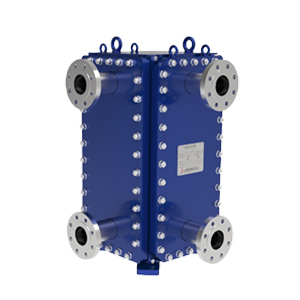
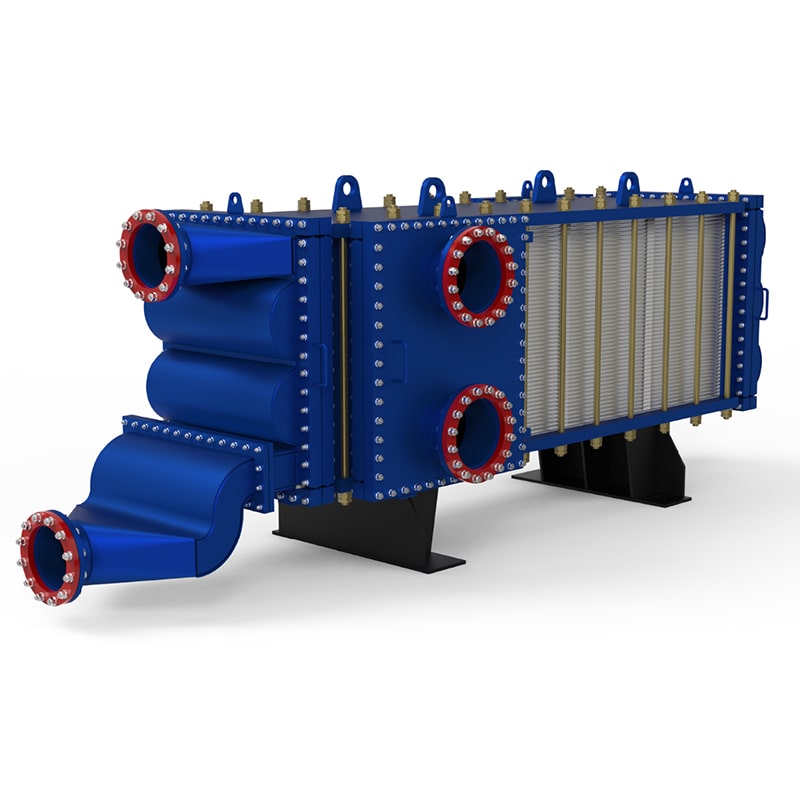
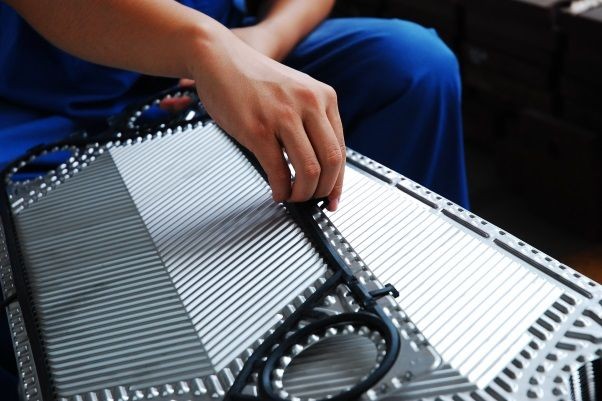
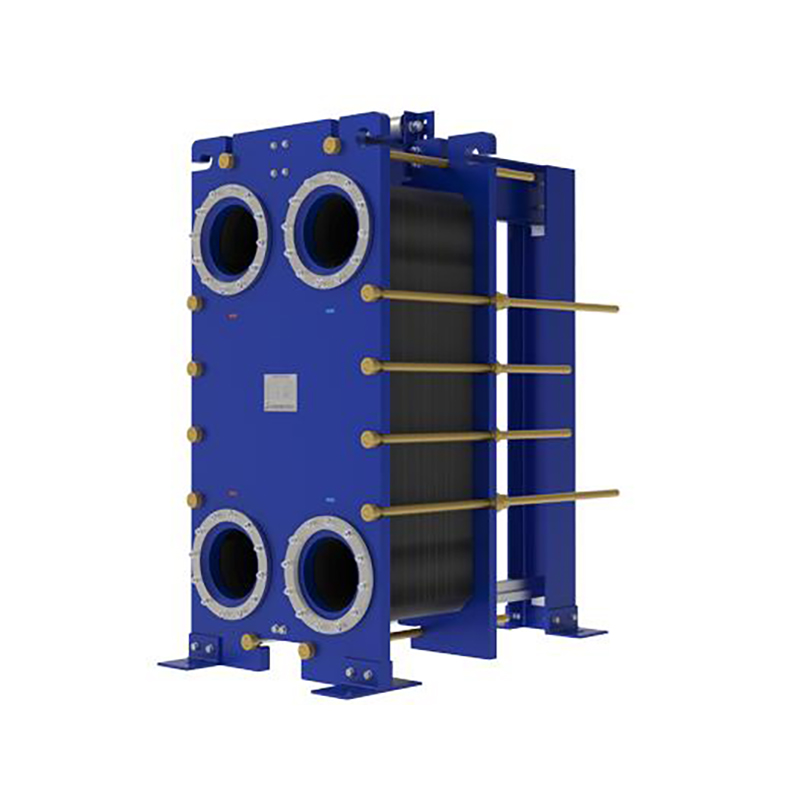
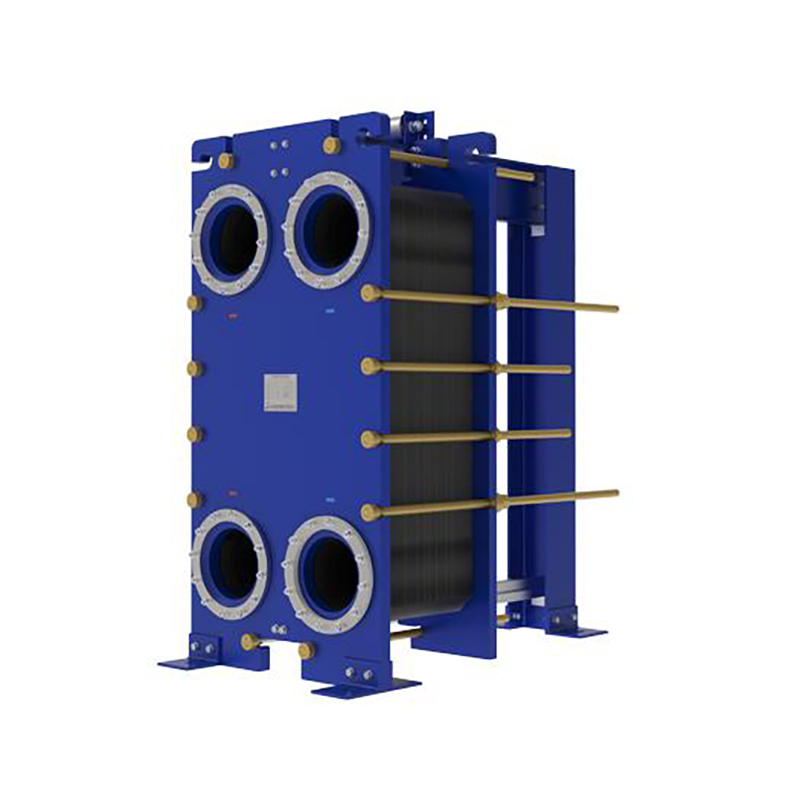
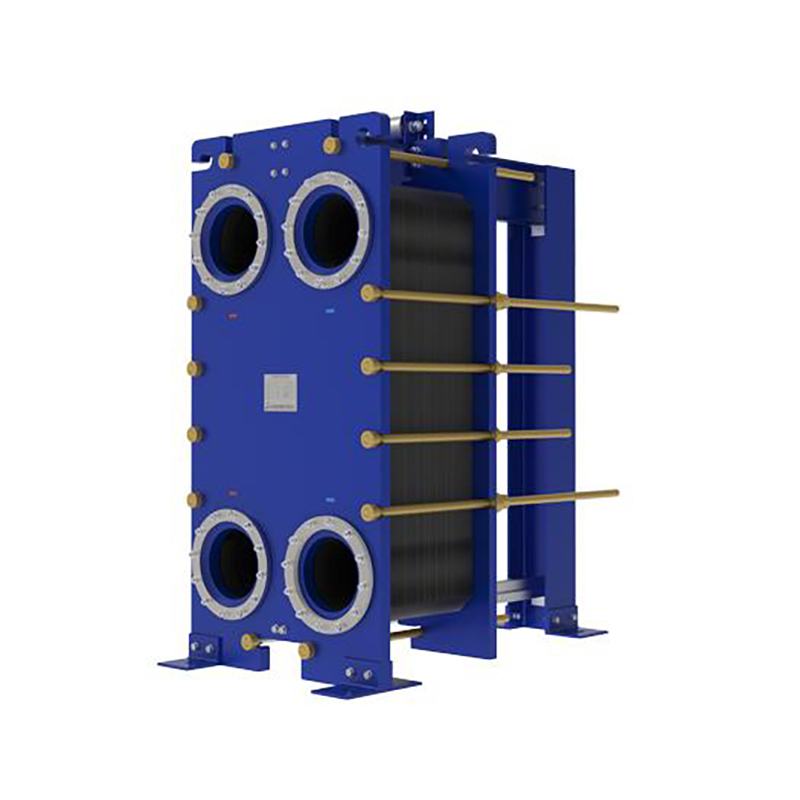
What is a Titanium Plate and Frame Heat Exchanger?A titanium plate and frame heat exchanger is a highly efficient thermal transfer device constructed primarily from commercially pure titanium (Grade 1 or 2) or titanium-palladium alloys. Its core structure consists of a series of corrugated titanium plates, assembled between a fixed frame plate and a movable pressure plate, all clamped together by longitudinal bolts. This design creates parallel flow channels for the hot and cold media. The key differentiator from standard stainless steel exchangers is the material's exceptional properties. Titanium offers unparalleled resistance to corrosion from seawater, chlorides, brackish water, and a wide range of aggressive chemicals, including many acids and chlorinated solvents. This makes it the material of choice for applications where stainless steels (like 316L) would rapidly succumb to pitting, crevice corrosion, or stress corrosion cracking. The plate and frame design inherently offers a large heat transfer surface area within a compact footprint due to the corrugated plate pattern, which induces high turbulence and maximizes thermal efficiency. Gaskets, typically made from materials like EPDM or Viton, are used to seal the plates, and their configuration allows for easy maintenance, cleaning, and capacity expansion by simply adding or removing plates.
Titanium plate and frame heat exchangers are the undisputed premium solution for handling the most corrosive media across critical industries. Their primary advantage lies in their material of construction. Titanium naturally forms a tenacious, self-healing passive oxide layer (TiO2) that provides exceptional immunity to corrosion, particularly in chloride-rich environments. This makes them essential in offshore and maritime applications for seawater cooling of engines, hydraulics, and auxiliary systems on ships and oil platforms, where equipment failure is not an option. In the chemical processing industry, they are deployed to handle aggressive streams involving acids, chlorinated organics, and other compounds that would rapidly degrade lesser materials. A search for industrial case studies reveals their use in safely managing heat recovery from hydrochloric acid streams or cooling in chlor-alkali production. Furthermore, their high purity and non-reactive nature make them ideal for the pharmaceutical and food & beverage sectors, preventing metallic contamination and ensuring product integrity. While the initial capital outlay is higher than stainless steel units, the total cost of ownership is often lower due to vastly extended service life, minimal maintenance downtime, and elimination of costly unscheduled shutdowns caused by heat exchanger failure. Their compact design also saves valuable space and weight, a critical factor on offshore installations.
How does a Titanium Plate and Frame Heat Exchanger work?
The operational principle of a titanium plate and frame heat exchanger is based on efficient conductive heat transfer through thin titanium plates, with the corrugated design ensuring turbulent flow for high efficiency. Two media, at different temperatures, flow through the alternating channels created between the stacked plates. The flow is almost always arranged in a counter-current pattern, where the hot fluid and cold fluid flow in opposite directions. This configuration maximizes the temperature difference (ΔTm) across the entire length of the unit, leading to a higher overall heat transfer coefficient (U-value) and more efficient thermal exchange compared to parallel flow designs. The intricate corrugated pattern on each plate, often a herringbone design, serves multiple critical functions. It significantly increases the mechanical strength of the thin titanium plates, allowing them to withstand operating pressure. Most importantly, it induces intense turbulence in the fluids at relatively low flow rates. This turbulence breaks up the laminar sub-layer at the plate surface, which is the main barrier to heat transfer, thereby drastically improving the rate of heat exchange. The narrow channels between plates ensure a large surface area is exposed within a compact volume. The gaskets are precisely placed to direct the fluids into their respective channels and prevent any mixing or cross-contamination between the two streams, ensuring process integrity and safety.
The working process begins as the two process fluids enter the heat exchanger through different inlet portholes in the frame plate. The strategically placed elastomeric gaskets act as guides, ensuring one fluid enters the gaps between odd-numbered plate pairs and the other enters the gaps between even-numbered pairs. As the fluids are forced through the narrow, corrugated channels, the herringbone pattern creates a complex swirling motion, achieving high levels of turbulence. This mixing action ensures that the cooler fluid constantly brings fresh particles into contact with the warm titanium plate surface, absorbing thermal energy. Conversely, the warmer fluid is effectively scrubbed against the other side of the plate, releasing its heat. The high thermal conductivity of titanium (approximately 21 W/m·K for commercially pure grades) allows this energy to pass quickly from the hot side to the cold side. Data from manufacturer performance charts show that these exchangers can achieve approach temperatures (the difference between the hot fluid outlet and cold fluid inlet) as low as 1-2°C (1.8-3.6°F), highlighting their exceptional efficiency. The counter-current flow is key; for instance, it allows cooling a hot fluid to a temperature much closer to the inlet temperature of the cool fluid than would be possible with a shell and tube design. The ability to easily open the unit for inspection and mechanical cleaning of the plate surfaces ensures that fouling is minimized, maintaining peak operational efficiency throughout its long service life.
 English EN
 中国 CN
中国 CN
 French FR
 German DE
 Portuguese PT
 Spanish ES
 Russian RU
 Japanese JA
 Korean KO
 Arabic AR
 Turkish TR
 Italian IT









User Comments
Service Experience Sharing from Real Customers
Michael Reynolds
Maintenance ManagerThe build quality of this titanium plate heat exchanger is exceptional. It has handled our highly corrosive process fluids for over 18 months with zero signs of degradation. The efficiency gains were immediately noticeable on our utility bills. A fantastic investment for our chemical processing plant.
Sarah Chen
Marine Chief EngineerWe installed this titanium plate and frame unit to replace a failing copper-nickel exchanger for our central cooling system. Its resistance to saltwater corrosion is impeccable. The compact design made the retrofit straightforward, and its performance in maintaining stable engine temperatures has been flawless even in tropical waters.
David Miller
Plant SuperintendentExtremely durable and reliable heat exchanger for our brackish water cooling loops. The titanium construction is worth the premium for the longevity it provides. We deducted one star because the initial gasket seating procedure required more careful attention than the manual suggested, but otherwise, it's been perfect.
Jessica Williams
Process EngineerThis exchanger is the workhorse of our purification and CIP (Clean-in-Place) systems. The titanium plates withstand frequent high-temperature cleaning and acidic solutions without any issues. It's incredibly easy to open and inspect, which minimizes our downtime for maintenance. Highly recommended for the pharmaceutical industry.