Wide Gap Heat Exchanger: Robust Design for High-Viscosity and Fouling Fluids
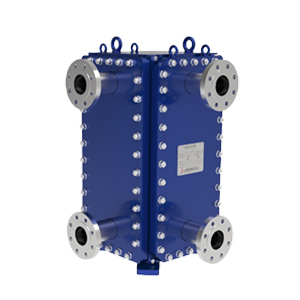
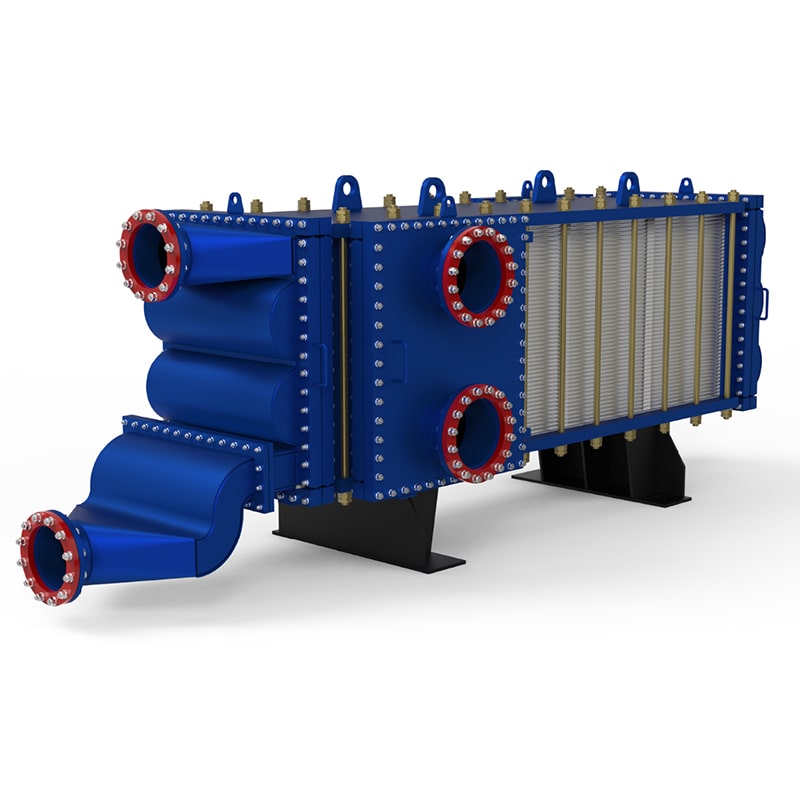
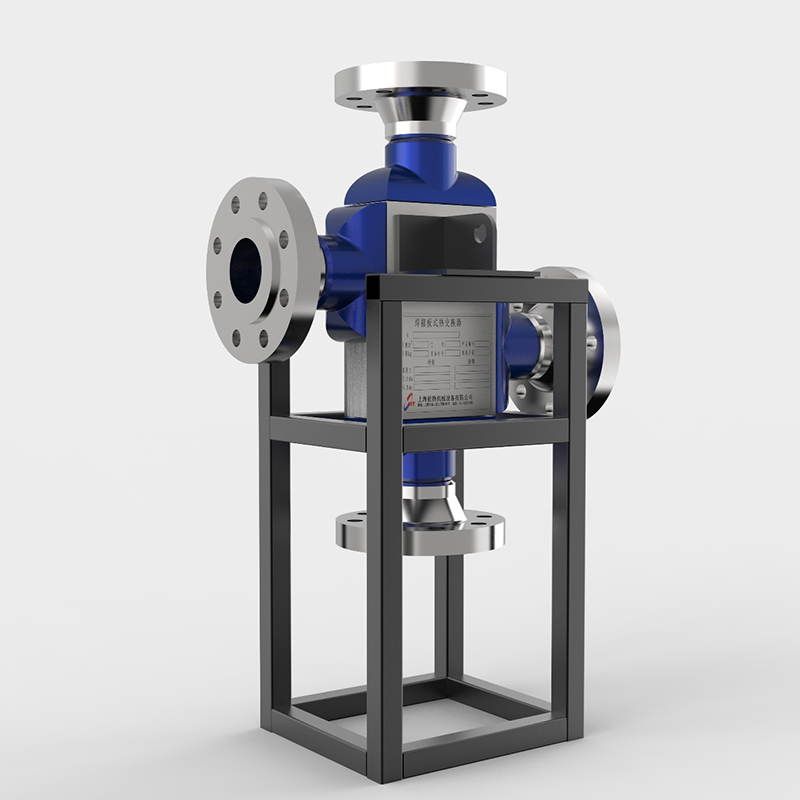
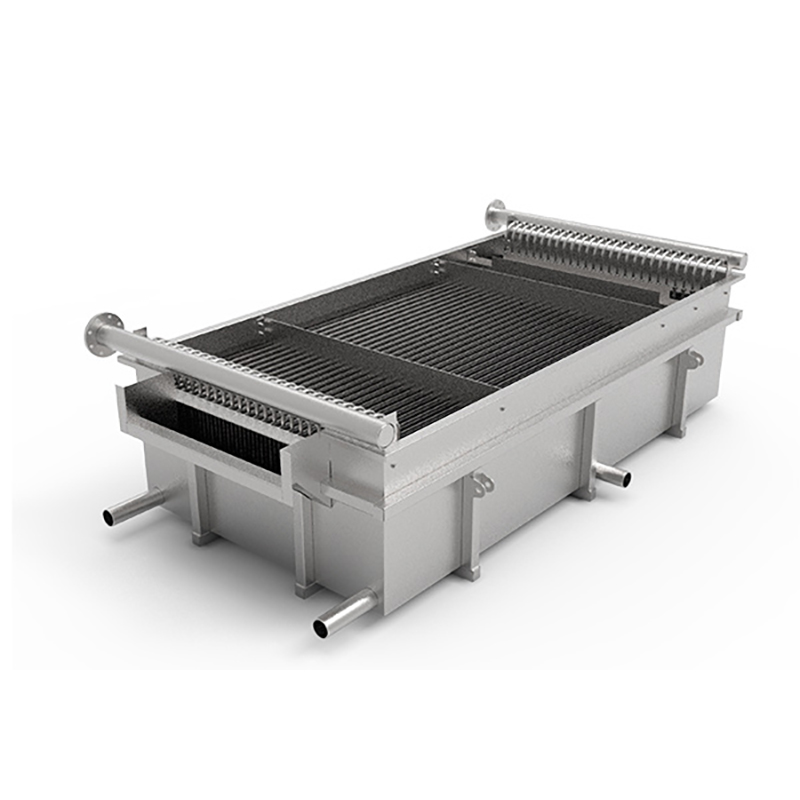
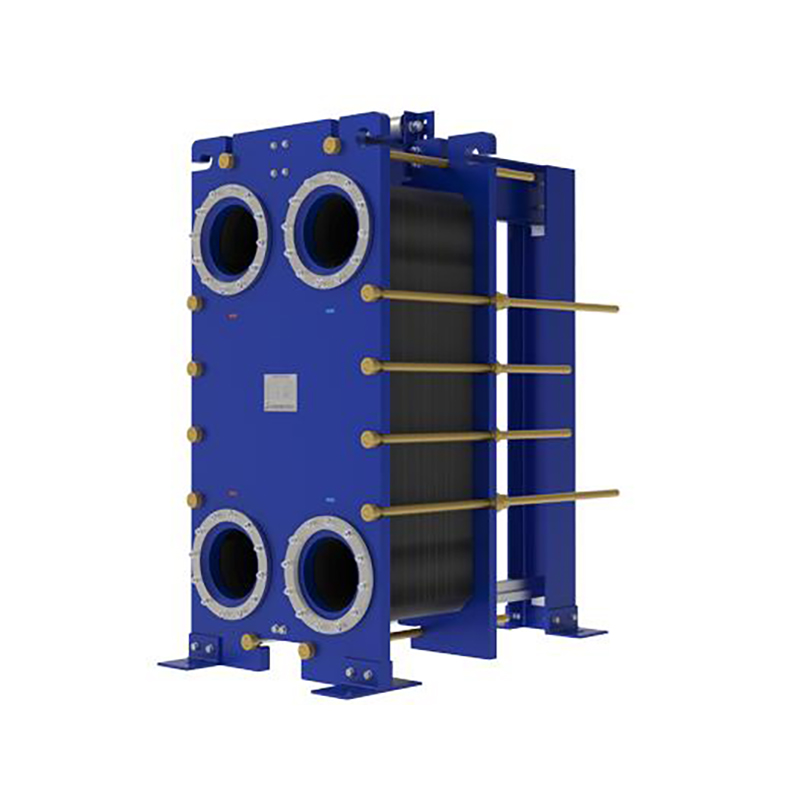
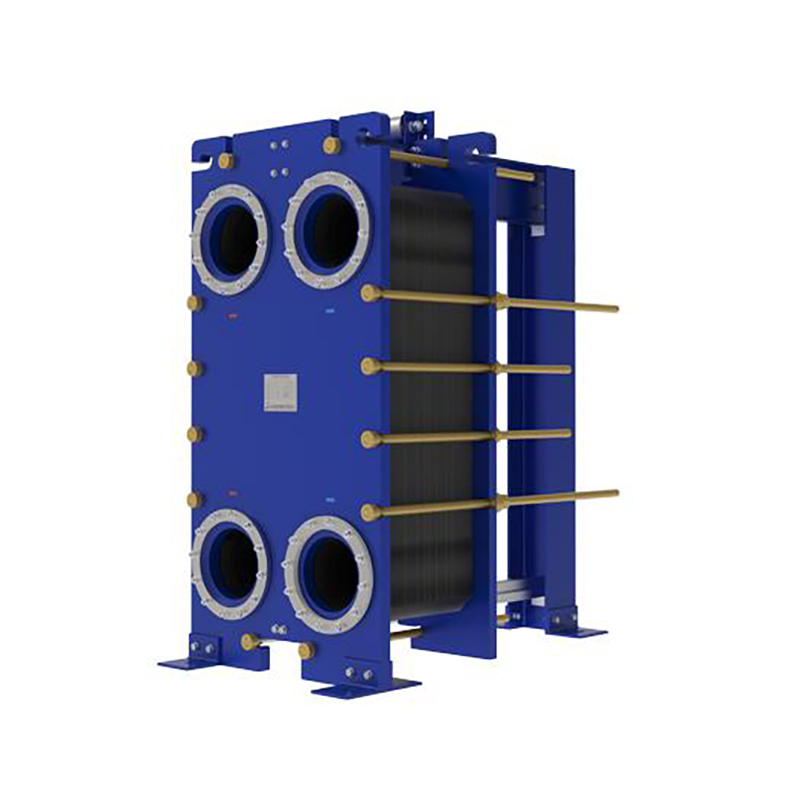
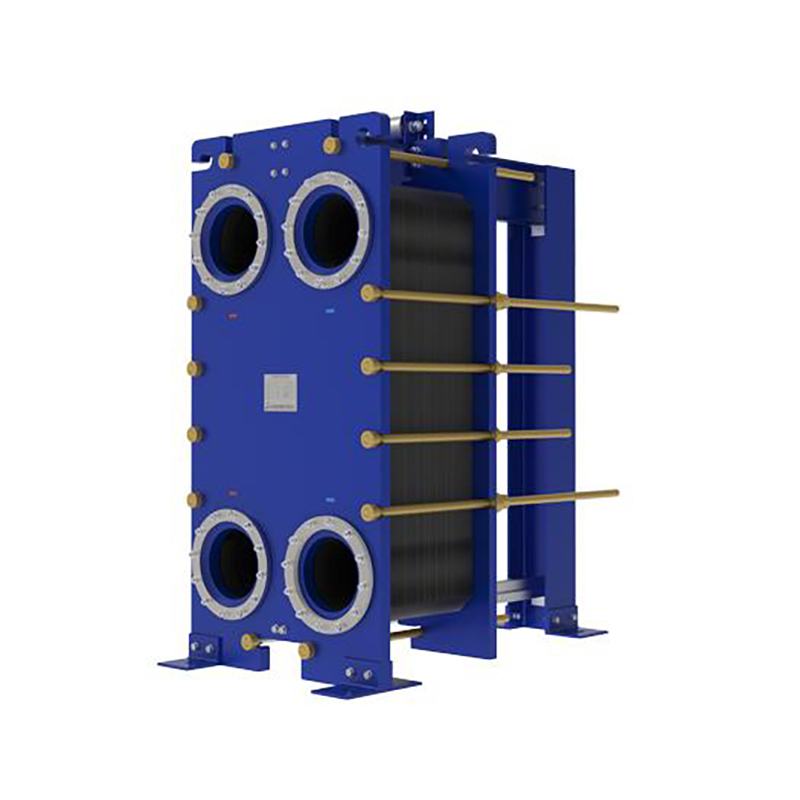
A Wide Gap Heat Exchanger is a specialized type of plate heat exchanger engineered to handle challenging media that would clog or damage standard exchangers. Unlike conventional designs with tightly spaced plates, wide gap models feature significantly larger gaps between the plates. This fundamental design characteristic makes them the ideal solution for fluids containing fibers, crystals, slurries, pulp, or other large particles that cause severe fouling. They are extensively used in industries such as chemical processing, pulp and paper, sugar and ethanol production, starch processing, and wastewater treatment, where process reliability and minimal maintenance are critical. By preventing blockages and allowing for easy cleaning, wide gap heat exchangers ensure continuous operation, reduce downtime, and lower the total cost of ownership, making them a vital asset for improving efficiency in demanding industrial applications.
The core advantage of a wide gap heat exchanger lies in its ability to manage fluids with high viscosity or substantial particulate content without frequent clogging. Standard plate heat exchangers, with their narrow, finely patterned channels, are highly efficient for clean, low-viscosity liquids but are notoriously susceptible to fouling and blockages when faced with non-Newtonian fluids, suspensions, or products containing fibers or chunks. The wide gap design directly counters this weakness. The enlarged flow passages, often several millimeters wide, allow these problematic substances to pass through the exchanger without getting trapped. This design not only prevents operational shutdowns but also minimizes the need for chemical cleaning, reducing operational costs and environmental impact. For instance, in the sugar industry, wide gap exchangers handle viscous molasses and syrups containing sugar crystals, while in wastewater treatment, they effectively transfer heat in sludge and effluent streams that would rapidly foul a standard unit. The robust plates are typically made of stainless steel and are often in a free-flow pattern, further reducing pressure drop and the risk of material accumulation. This results in a highly reliable heat transfer solution that maintains stable thermal performance even under the most arduous conditions, safeguarding the entire production process.
How Wide Gap Heat Exchanger Works
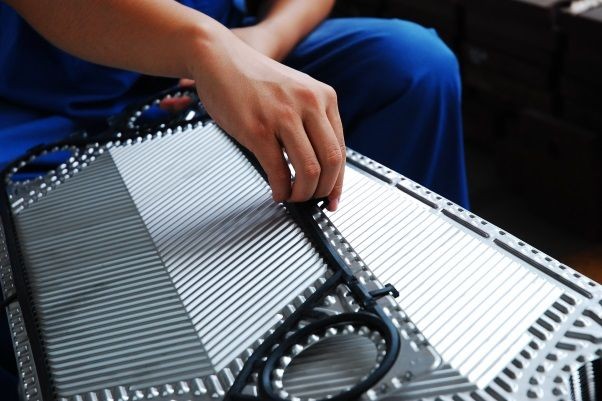
The operational principle of a wide gap heat exchanger, while sharing the fundamental conductive heat transfer mechanics of all plate heat exchangers, is uniquely adapted for difficult fluids. It functions by facilitating the efficient transfer of thermal energy between two media flowing in alternating channels between a series of corrugated metal plates. The key differentiator is the deliberate and substantial gap between these plates. This spacious gap creates wide, open channels that dramatically reduce flow velocity and shear stress compared to standard models. The corrugation pattern on the plates is also less aggressive, often a so-called "free flow" or "wide gap" pattern, which generates sufficient turbulence for effective heat transfer without creating high-pressure points where particles could lodge. The large gaps and gentle flow environment allow suspensions, slurries, and fibrous mixtures to pass through the entire unit unimpeded. Product and service fluids flow on opposite sides of each plate, and heat energy moves from the hotter fluid through the thin metal plate to the cooler fluid without the two streams ever mixing. Gaskets or laser welds seal the channels to prevent cross-contamination. This combination of open flow design and the inherent efficiency of plate-based heat transfer ensures consistent temperature control for media that would otherwise be considered too challenging for traditional heat exchange technology.
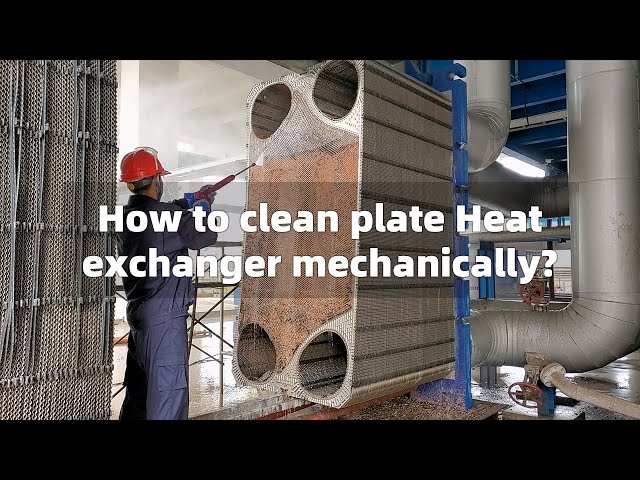
The process begins as the problematic process fluid, such as a fruit pulp containing large pieces of fruit or a cellulose slurry with wood fibers, is pumped into the wide gap plate pack. Instead of being forced through narrow, restrictive passages, the fluid enters the generously spaced channels where it can flow freely. The reduced velocity and absence of sharp, narrow corners prevent the solid particulates from settling out or becoming mechanically caught, which is the primary cause of fouling. Simultaneously, the service fluid (which could be steam for heating or cooling water) flows in the adjacent channels. The temperature difference between the two fluids drives heat transfer across the surface area of the plates. Despite the larger gaps, the plate corrugations are designed to create a certain degree of turbulence, which is essential for breaking up the laminar sub-layer at the plate surface and enhancing the heat transfer coefficient. This ensures efficient thermal performance without relying on high velocities that would damage shear-sensitive products or cause erosion. For cleaning, the unit can be easily opened due to its clamp-on frame design, providing full access to the large, smooth plate surfaces for mechanical cleaning, or it can be operated in reverse for effective CIP (Cleaning-in-Place) cycles. This workhorse reliability is quantified in industrial settings; for example, a wide gap unit might process paper pulp with 15% fiber consistency at flow rates of 200 m³/h, maintaining a stable outlet temperature with cleaning intervals extended from hours to weeks compared to a shell-and-tube exchanger.
 English EN
 中国 CN
中国 CN
 French FR
 German DE
 Portuguese PT
 Spanish ES
 Russian RU
 Japanese JA
 Korean KO
 Arabic AR
 Turkish TR
 Italian IT







User Comments
Service Experience Sharing from Real Customers
Michael Chen
Lead Process EngineerThe thermal performance and fouling resistance of this wide gap heat exchanger are exceptional. It has drastically reduced our maintenance downtime in handling viscous and particle-laden fluids. A robust and brilliantly engineered solution.
Sarah Johnson
Plant ManagerWe installed this unit for our fruit pulp concentration process. The wide gaps prevent clogging perfectly, and the heat transfer efficiency maintains product quality. Highly recommended for any food processing application with solids.
David Rodriguez
Maintenance SupervisorExtremely durable construction. Handles our wastewater streams with high fibrous content that would destroy a standard plate exchanger. Cleaning is simple and fast. A reliable workhorse for tough duties.
Emily Wang
Project EngineerIntegrating this wide gap exchanger into our polymer production line was seamless. Its ability to handle high-viscosity materials without fouling has improved our batch consistency and overall throughput significantly.