Wide Gap Plate Heat Exchanger: High-Efficiency Thermal Transfer for Viscous and Particulate-Laden Fluids
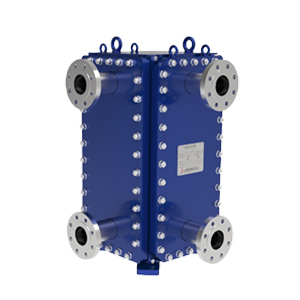
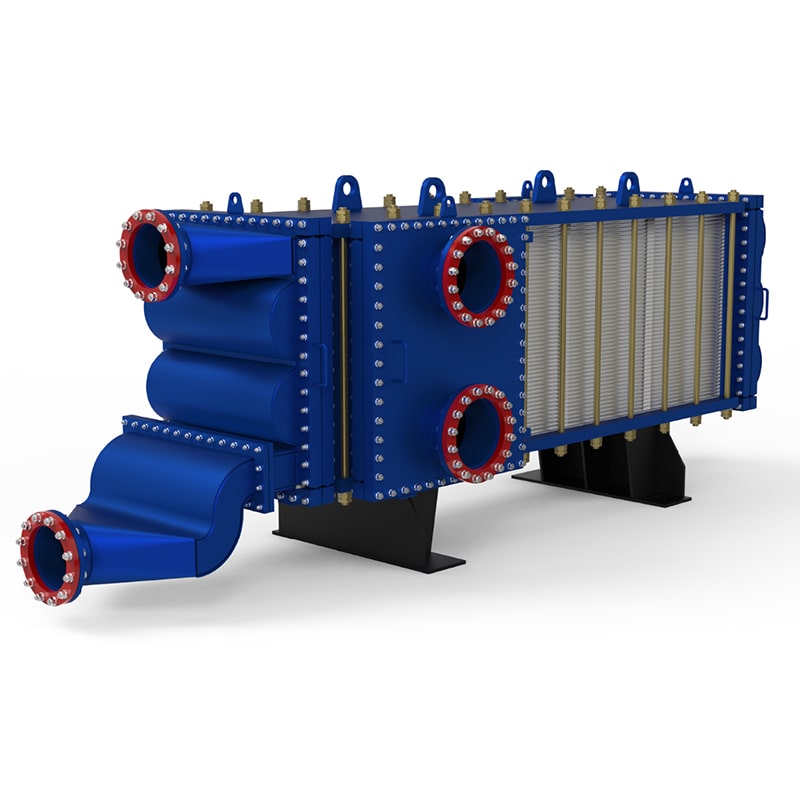
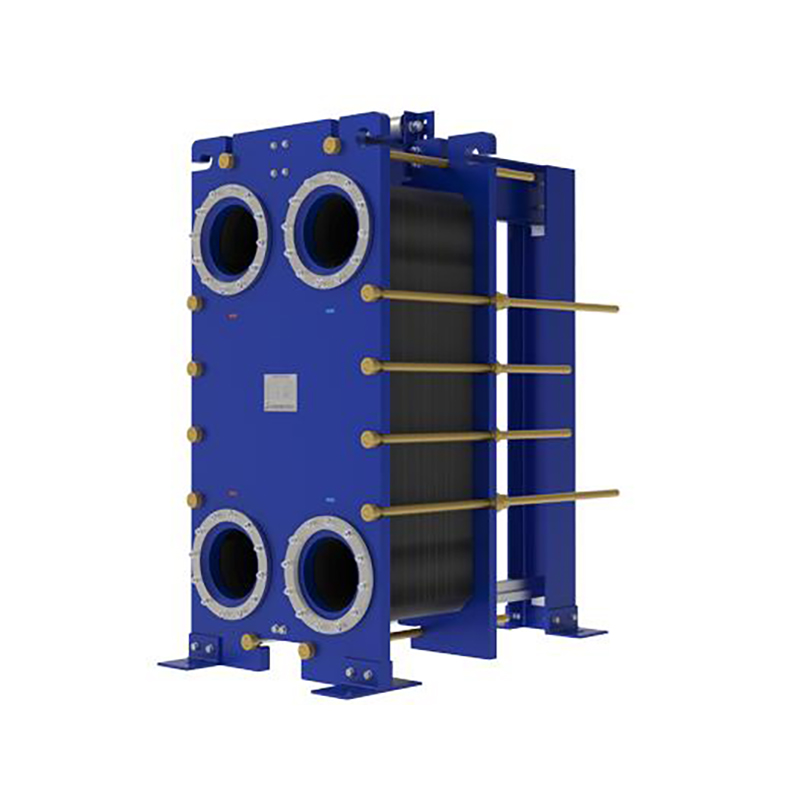
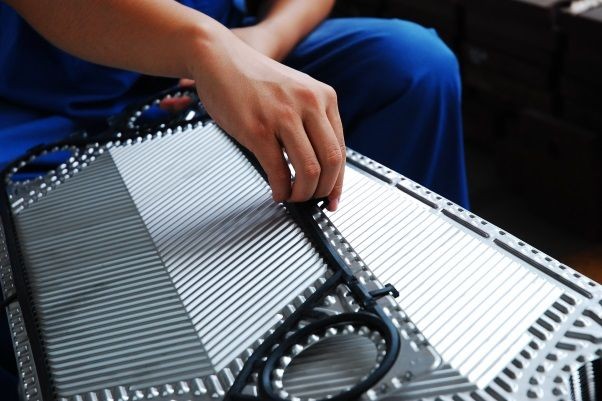
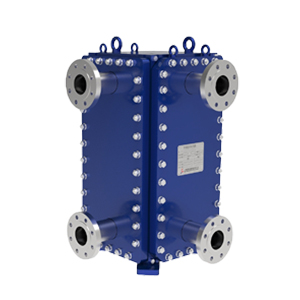
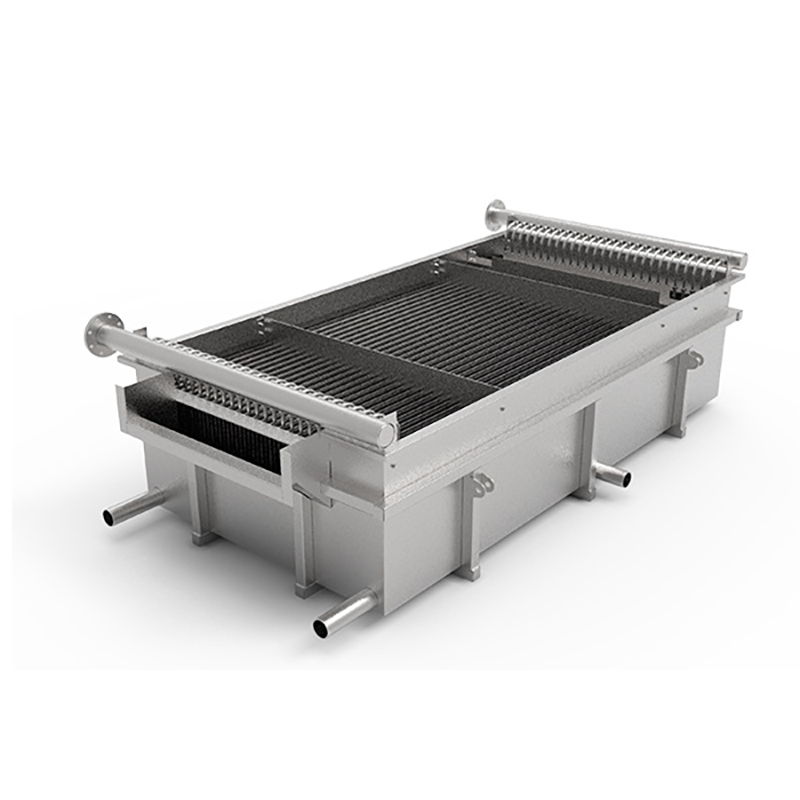
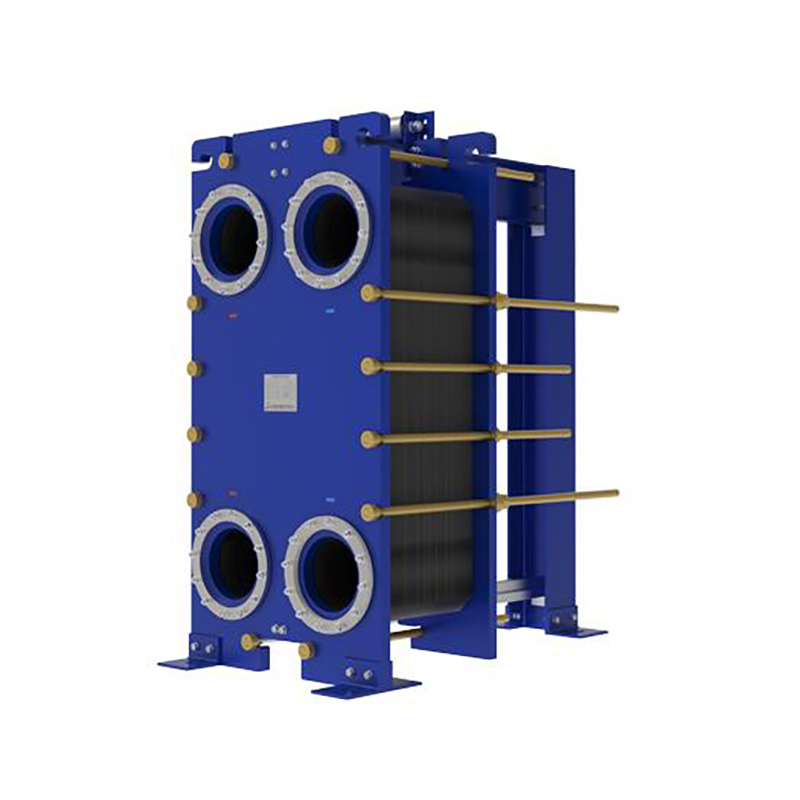
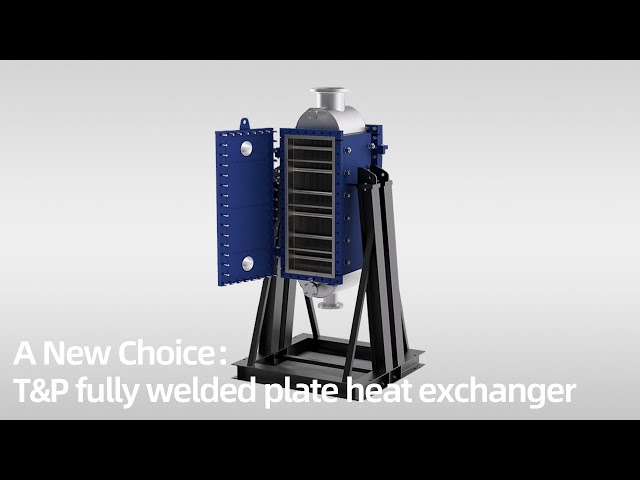
Wide gap plate heat exchangers are specifically engineered to handle fluids with high viscosity, solids content, or fibrous materials that would clog or foul standard plate heat exchangers. The core principle distinguishing them from conventional designs is the significantly larger gap between the plates. While standard plates are tightly corrugated to create turbulent flow for efficient heat transfer with low-viscosity fluids, wide gap plates feature a special, more open channel pattern. This design creates a free-flow path for challenging media, preventing blockages and minimizing pressure drop. The fundamental working principle remains the same: heat is transferred from a warmer fluid to a cooler one through the thin, corrugated metal plates that are compressed together in a frame. The plates are arranged in an alternating pattern, creating separate channels for the hot and cold streams. The wide gaps ensure that slurries, crystallizing fluids, pulp, or products containing large particles can pass through the unit without settling or causing operational shutdowns. This makes them an indispensable solution in industries where process continuity is critical and fluids are not clean. The design maintains the inherent advantages of plate heat exchangers, such as high thermal efficiency due to the induced turbulent flow and the large surface area within a compact footprint, but adapts it for the most demanding applications.
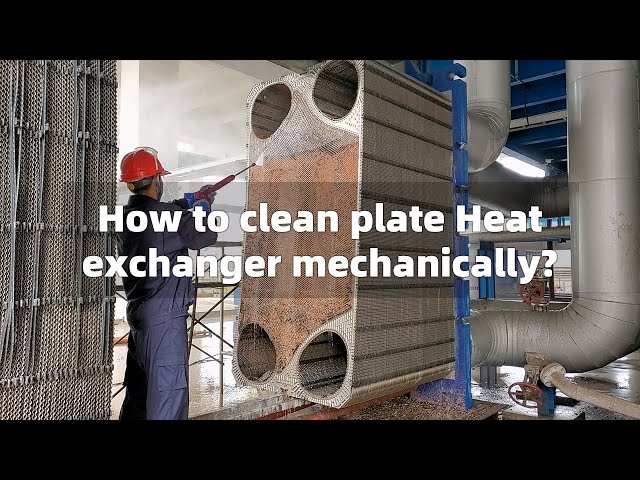
The operational principle of the wide gap plate heat exchanger is a direct response to the limitations of standard units when faced with non-Newtonian or particulate-rich fluids. In a standard plate exchanger, the narrow, highly turbulent channels are excellent for maximizing heat transfer coefficients with water-like fluids. However, these same channels are prone to rapid fouling and complete blockage when the fluid contains suspended solids or has a high consistency. The wide gap design fundamentally alters the flow dynamics. The enlarged passages between plates reduce the fluid velocity and lower the overall pressure drop across the unit. This is critical for pumping high-viscosity fluids, which require significant energy to move through restrictive paths. The corrugation pattern on wide gap plates is also different; it is optimized to provide just enough turbulence to discourage solids from settling and forming a fouling layer on the plate surface, without creating eddies that would trap larger particles. This balance is key to maintaining performance over extended run times. Heat transfer still occurs efficiently across the thin metal plates, but the system is designed for reliability and ease of maintenance over pure thermal intensity. When fouling does eventually occur, the wide gaps make mechanical cleaning simpler and faster, as brushes or cleaning tools can be easily inserted and passed through the open channels, reducing downtime significantly.
Why Use Wide Gap Plate Heat Exchanger
The primary reason to use a wide gap plate heat exchanger is to ensure reliable and uninterrupted operation in processes involving difficult fluids that would quickly incapacitate other heat exchanger types. They are deployed to solve specific operational challenges centered around fouling, blockage, and high viscosity. Industries such as pulp and paper, chemical processing, starch production, sugar refining, and wastewater treatment utilize wide gap exchangers because their process streams contain fibers, crystals, polymers, or sludge. The economic justification is powerful: preventing a single production shutdown for cleaning can save tens of thousands of dollars in lost production and manual cleaning labor. Furthermore, the lower pressure drop translates directly to reduced pumping costs, offering significant energy savings, especially with thick fluids. For example, in a corn syrup processing plant, replacing a shell-and-tube exchanger that required daily cleaning with a wide gap plate unit extended run times to over three months, boosting annual production capacity by over 15%. They are also chosen for their compact size compared to shell-and-tube exchangers designed for similar duties, saving valuable floor space. Ultimately, selecting a wide gap exchanger is a strategic decision to enhance overall plant productivity, reduce maintenance costs, and guarantee process stability when handling the most challenging media.
The decision to use a wide gap plate heat exchanger is driven by tangible operational and financial benefits documented across various industries. In wastewater treatment plants, wide gap exchangers are used to heat or cool sludge and digestate. Their open channels prevent the ragging and clogging that is endemic with other technologies, ensuring continuous operation of anaerobic digesters and reducing maintenance interventions from weekly to annually. In the chemical industry, for processes involving polymers or slurries that undergo crystallization, the wide gap design prevents scaling and solid build-up on heat transfer surfaces, maintaining design efficiency and avoiding costly production halts. Data from installations show that wide gap exchangers can handle fluids with solids content up to 25% and viscosities exceeding 50,000 cP, far beyond the capability of standard plates. Their modular plate-and-frame construction also offers future flexibility; capacity can be easily increased by adding more plates to the existing frame, a major advantage over fixed-capacity alternatives. This scalability protects the initial investment. The choice is clear: for applications with viscous, fibrous, or solids-laden fluids, the wide gap plate heat exchanger is not just an option but a necessity for achieving high availability, low lifecycle costs, and consistent process performance, directly impacting the bottom line.
 English EN
 中国 CN
中国 CN
 French FR
 German DE
 Portuguese PT
 Spanish ES
 Russian RU
 Japanese JA
 Korean KO
 Arabic AR
 Turkish TR
 Italian IT







User Comments
Service Experience Sharing from Real Customers
Michael Reynolds
Lead Process EngineerThe thermal efficiency of this wide gap plate heat exchanger is outstanding. It handles our fibrous slurries with ease, and the oversized gaps have completely eliminated our clogging issues. Maintenance downtime has been reduced by over 70%.
Sarah Chen
Brewery Operations ManagerA game-changer for our wort cooling and CIP processes. The wide gap design is perfect for fluids with high particulate content. It's incredibly robust, easy to clean, and has significantly improved our production flow.
David Kowalski
Plant SuperintendentExtremely reliable piece of equipment for our pulp and paper mill. It handles high-viscosity stocks without any problems. The build quality is excellent, and the design allows for quick inspection. A solid investment.
Elena Rodriguez
HVAC Project ManagerWe specified this wide gap exchanger for a district heating project with potentially dirty water sources. Its performance has been flawless, with exceptional heat transfer and zero fouling problems. Highly recommend for challenging applications.