Gas Plate Heat Exchanger: High-Efficiency Thermal Solution for Industrial Applications
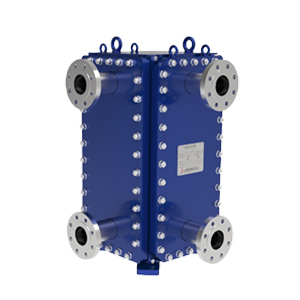
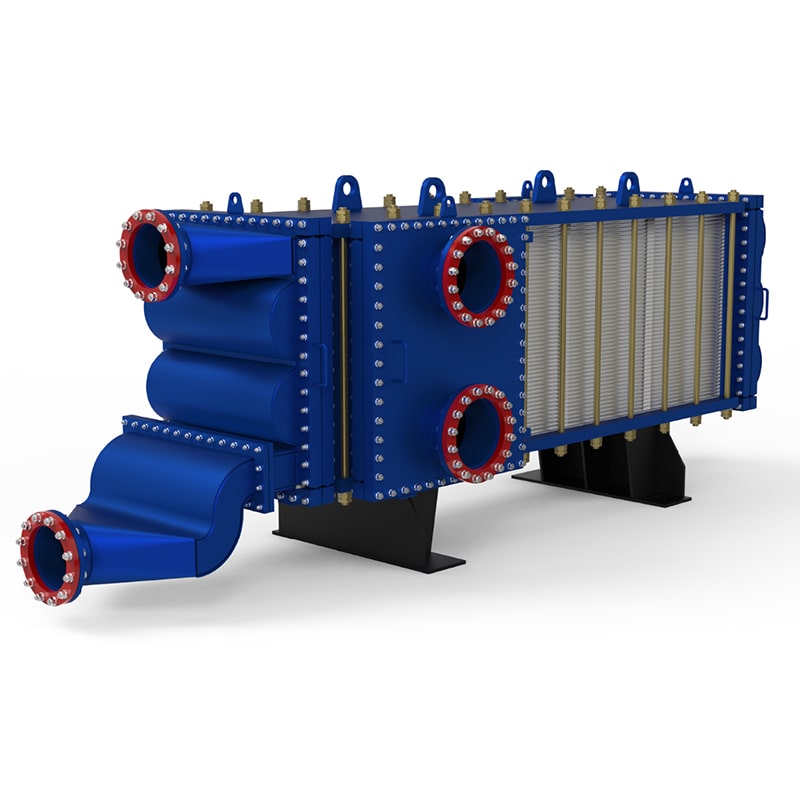
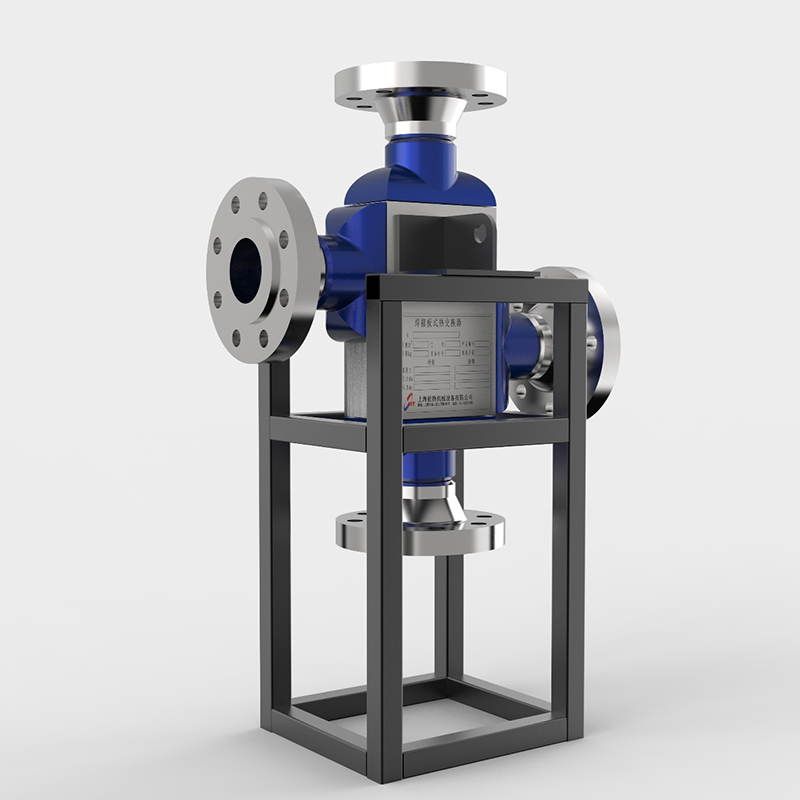
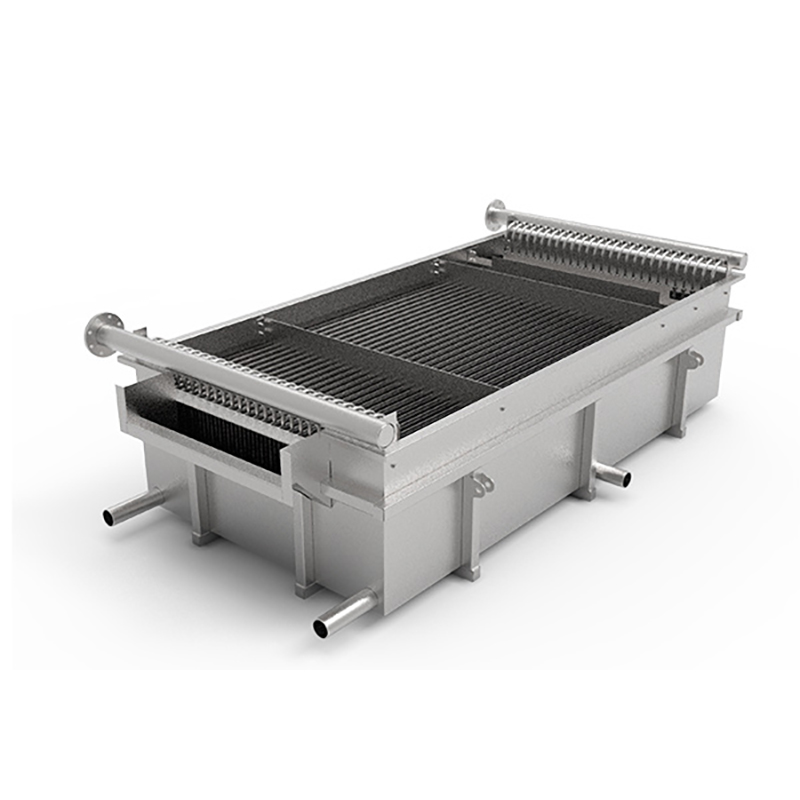
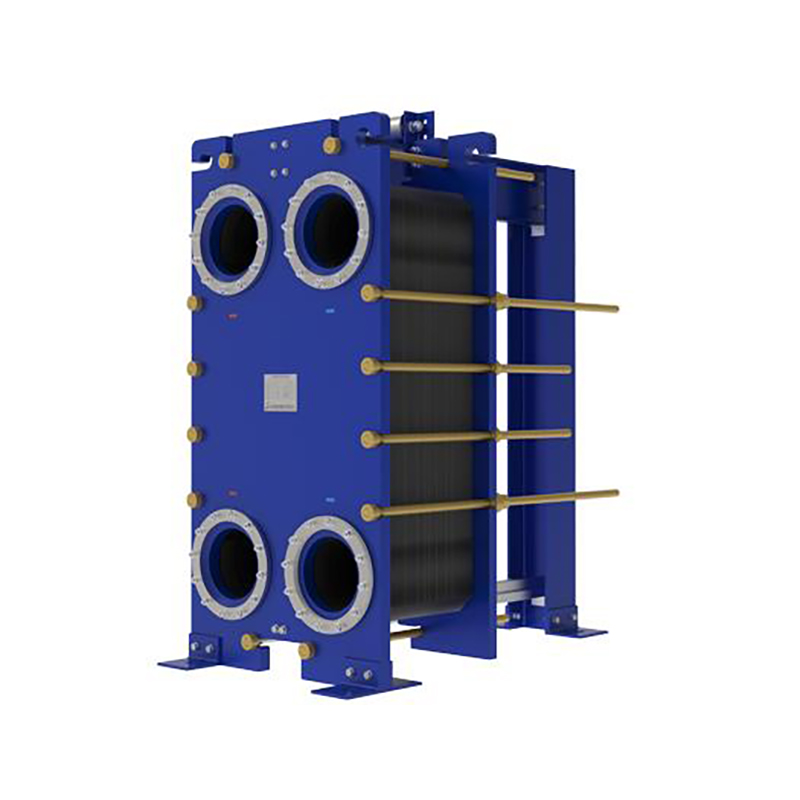
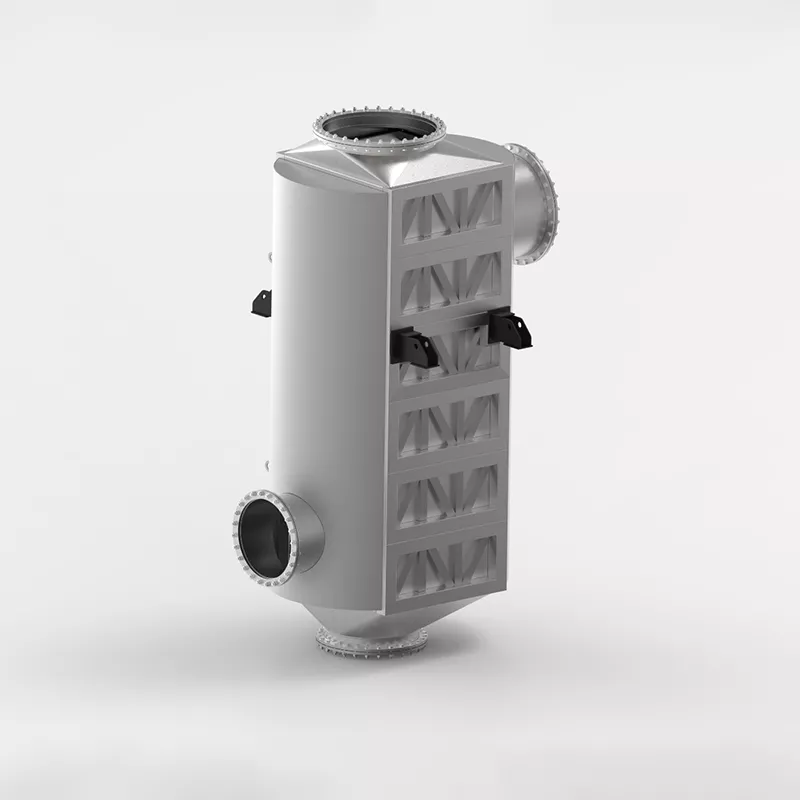
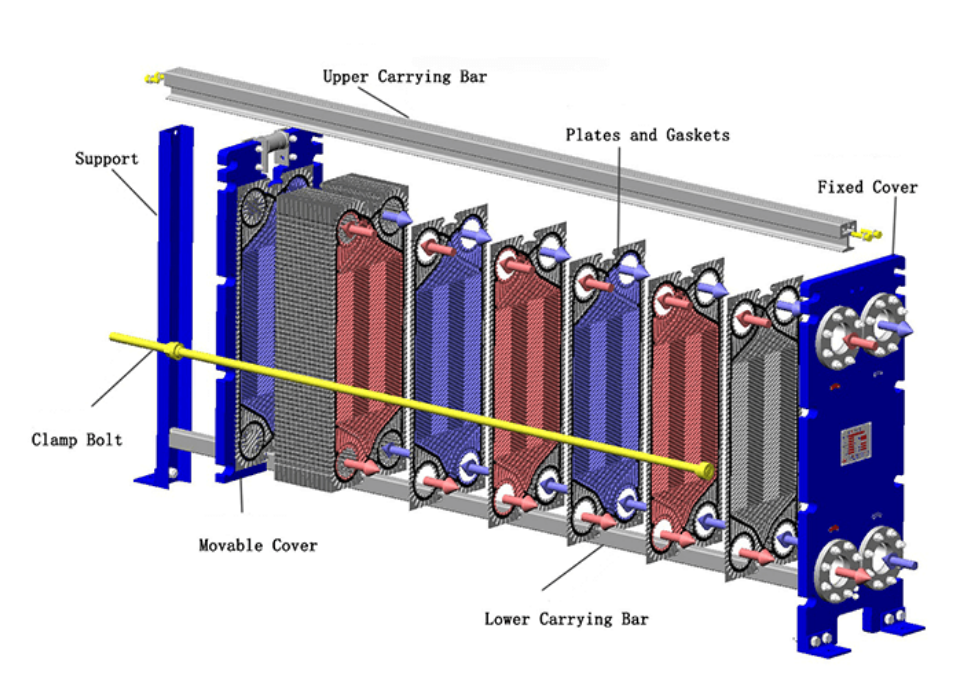
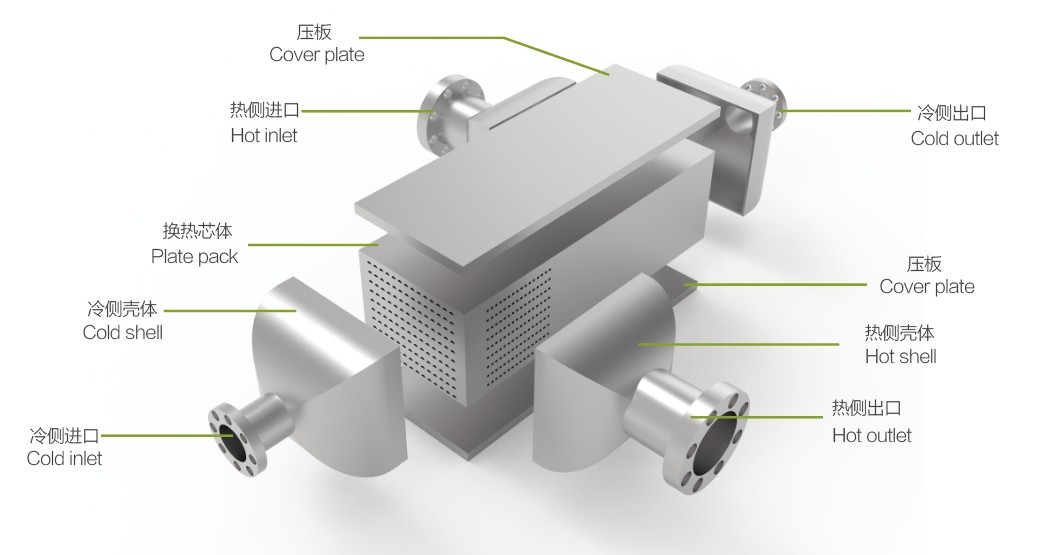
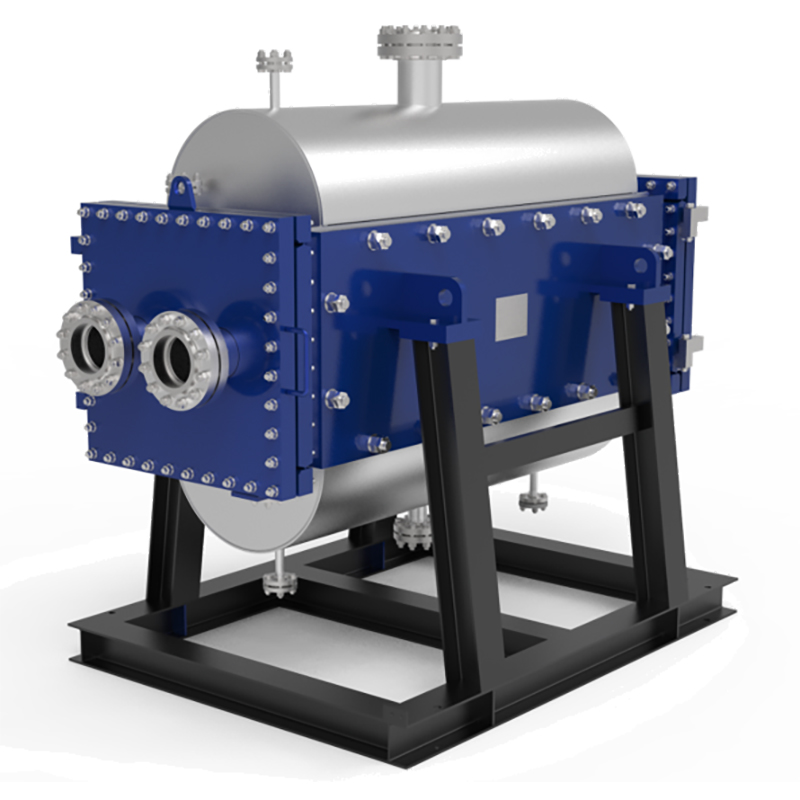
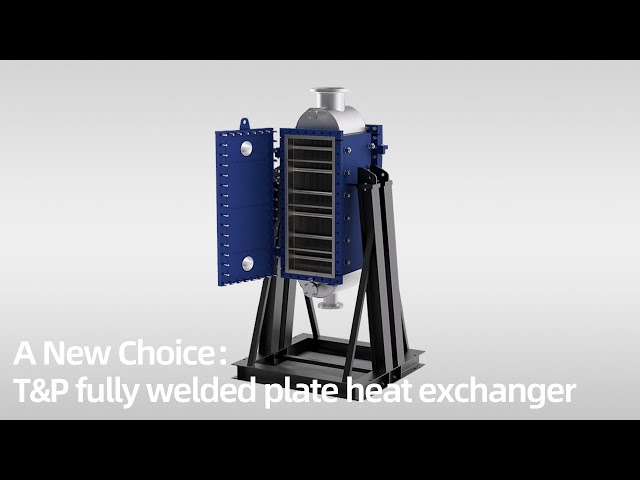
What is a Gas Plate Heat Exchanger?A Gas Plate Heat Exchanger (GPHE) is a highly efficient thermal transfer device designed specifically for gas-to-gas or gas-to-liquid heat exchange applications. Unlike traditional shell-and-tube exchangers, it utilizes a series of corrugated metal plates stacked together to form channels through which hot and cold gases flow alternately. This compact design maximizes the surface area for heat transfer while minimizing space requirements and pressure drops. GPHEs are engineered to handle high-temperature operations, often exceeding 800°C, and are constructed from advanced materials like stainless steel, titanium, or nickel alloys to withstand corrosive environments and extreme thermal stresses. They are widely used in industries such as power generation, chemical processing, metallurgy, and HVAC systems to recover waste heat, preheat combustion air, or cool process gases. The modularity of plate designs allows customization for specific flow rates, temperature gradients, and purity requirements, making them ideal for applications where efficiency and reliability are critical. With thermal efficiency rates typically ranging from 80% to 90%, GPHEs significantly reduce energy consumption and operational costs while supporting environmental sustainability goals by lowering greenhouse gas emissions. Their robust construction ensures long service life with minimal maintenance, even under continuous operation in demanding conditions.
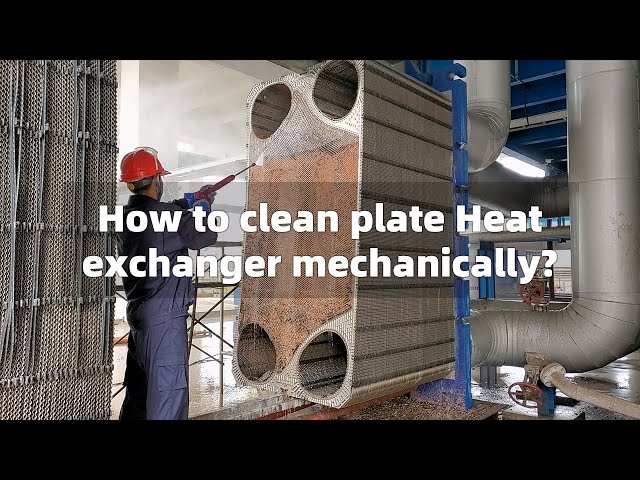
Advantages of Gas Plate Heat ExchangerGas Plate Heat Exchangers offer exceptional thermal efficiency, often achieving 80-90% heat recovery rates, which directly translates to reduced fuel consumption and lower CO2 emissions—by up to 30% in industrial furnaces according to case studies from manufacturers like Alfa Laval and Kelvion. Their compact plate design reduces footprint by 50-70% compared to shell-and-tube units, while the corrugated plates enhance turbulence, boosting heat transfer coefficients by 3-5 times. This design also minimizes fouling and pressure drops (typically below 2-3 kPa), cutting maintenance costs and extending service intervals. Materials like 316L stainless steel or duplex alloys provide corrosion resistance, ensuring longevity in harsh environments like flue gas applications with temperatures up to 1000°C. Real-world data from power plants show energy savings of 20-25% annually, with payback periods under 2 years due to reduced operational expenses. Additionally, modularity allows easy scalability and cleaning without full disassembly, slashing downtime. GPHEs also support regulatory compliance with energy standards like ISO 50001, making them a sustainable investment for industries aiming to meet decarbonization targets while maintaining high throughput.
 English EN
 中国 CN
中国 CN
 French FR
 German DE
 Portuguese PT
 Spanish ES
 Russian RU
 Japanese JA
 Korean KO
 Arabic AR
 Turkish TR
 Italian IT







User Comments
Service Experience Sharing from Real Customers
Michael Chen
Maintenance EngineerThis gas plate heat exchanger is incredibly efficient and robust. It has significantly improved our thermal recovery process, and the build quality is outstanding. A fantastic investment for any industrial application.
Sarah Johnson
Plant ManagerWe installed this unit six months ago, and its performance has been flawless. The compact design saved us a lot of space, and its ability to handle high temperatures has boosted our overall production efficiency.
David Williams
HVAC SpecialistA very reliable and well-designed heat exchanger. The gas-to-gas heat transfer is highly effective. Installation was straightforward, and it has been operating with minimal maintenance required. Highly recommended.
Lisa Rodriguez
Process EngineerExceptional performance and durability. This exchanger handles corrosive exhaust gases much better than our previous model, leading to reduced downtime and lower operating costs. The supplier provided excellent technical support.