Plate Air Preheater: High-Efficiency Heat Recovery Solution for Industrial Boilers and Furnaces
What is a Plate Air Preheater?
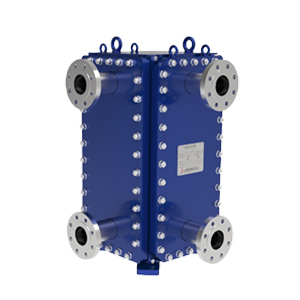
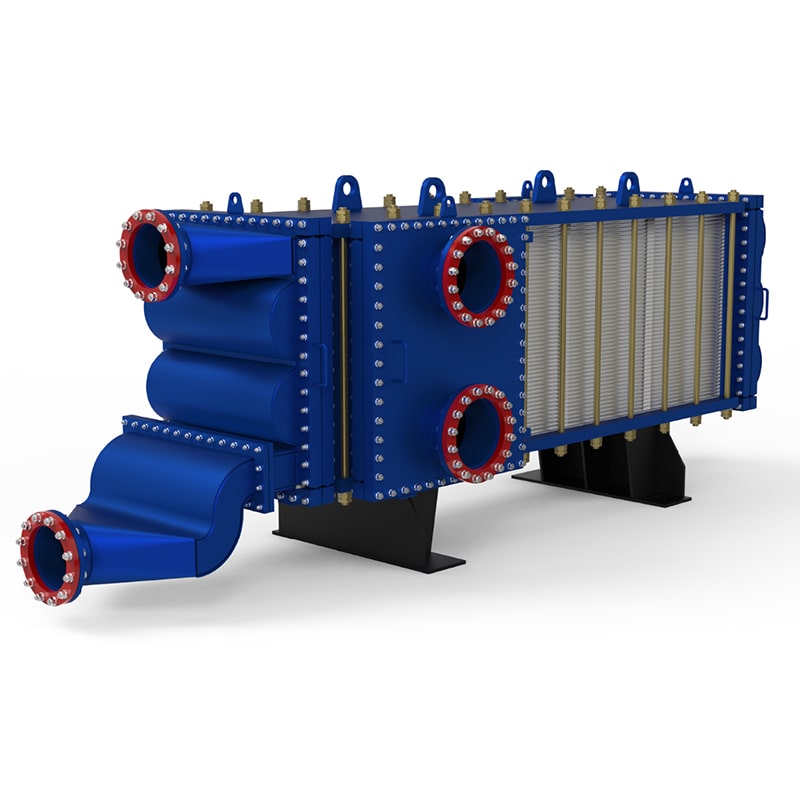
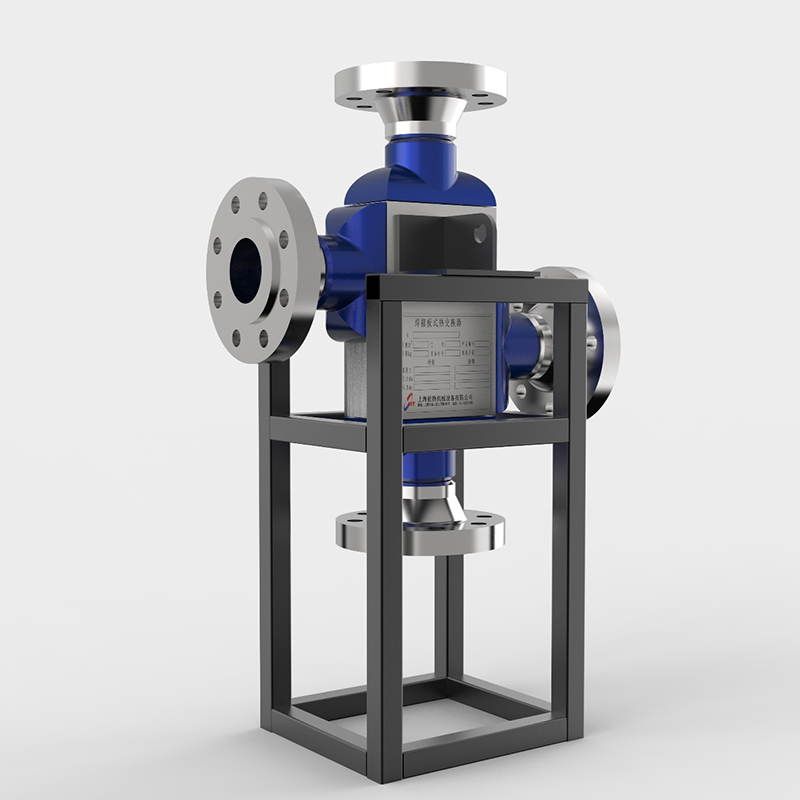
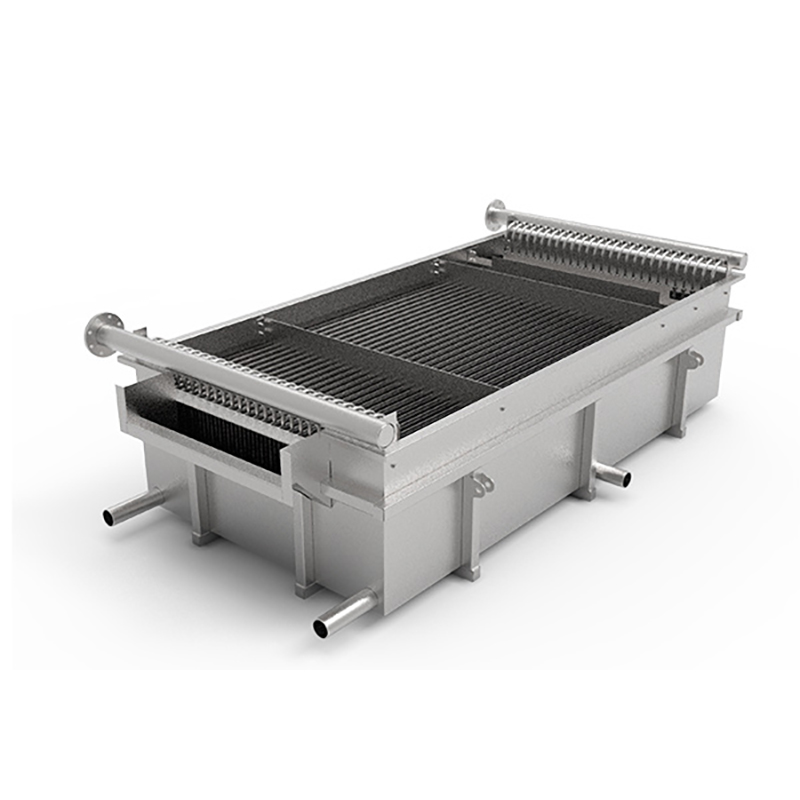
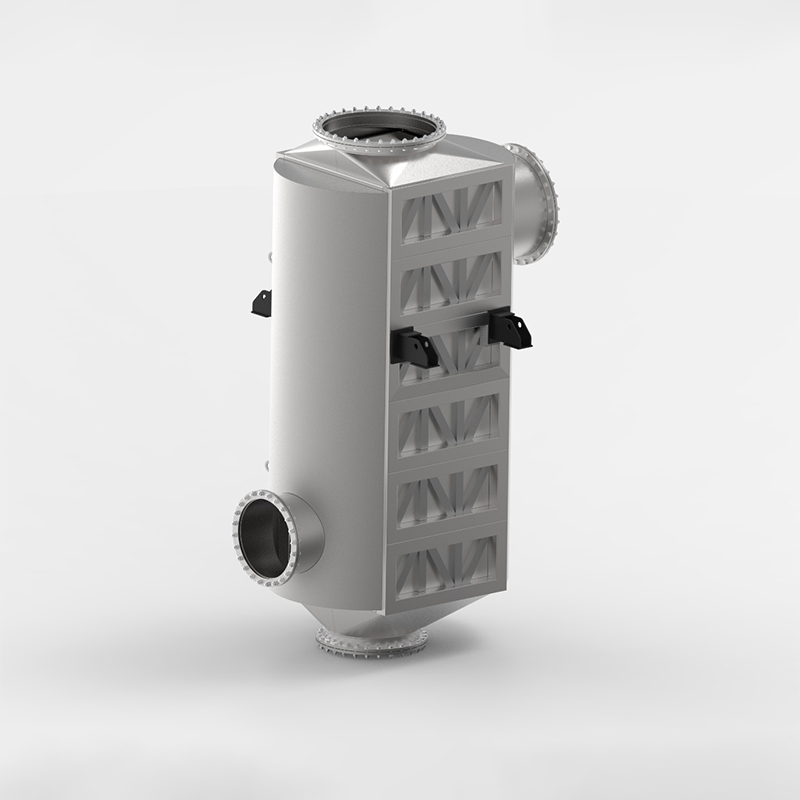
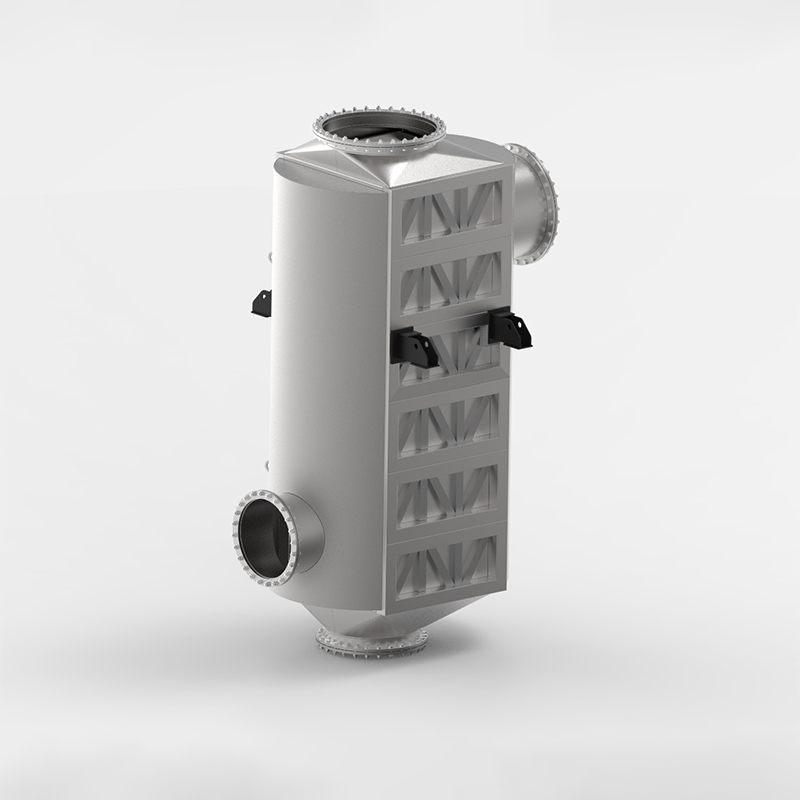
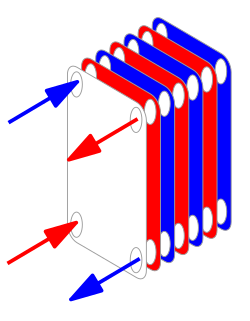
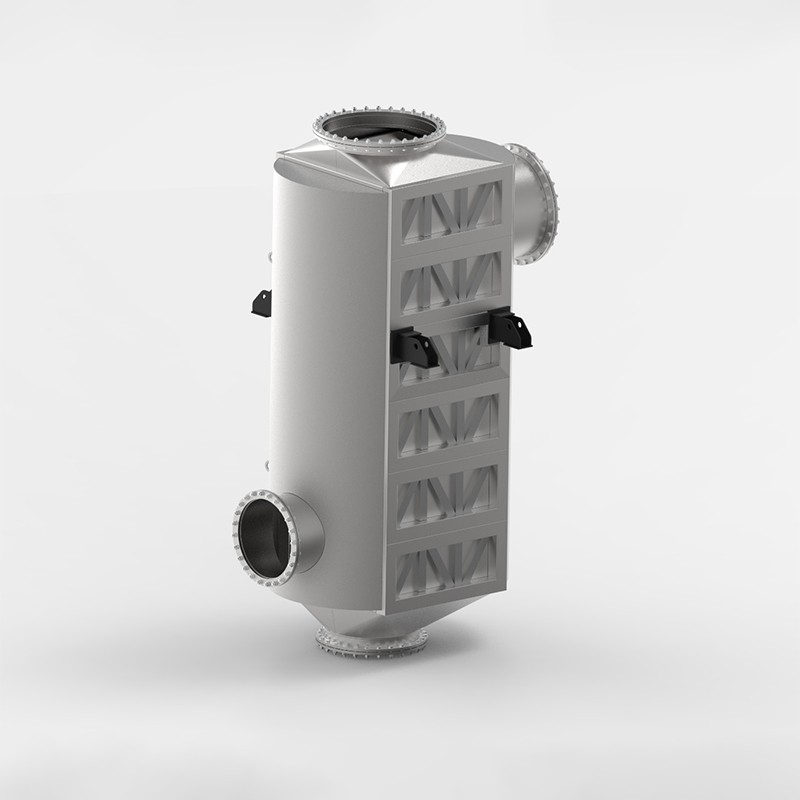
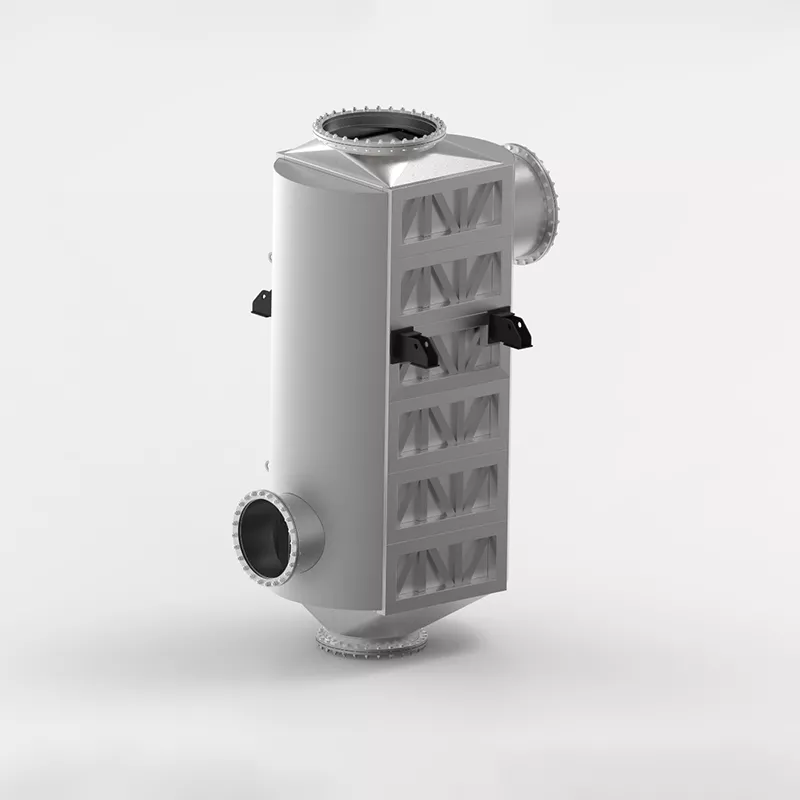
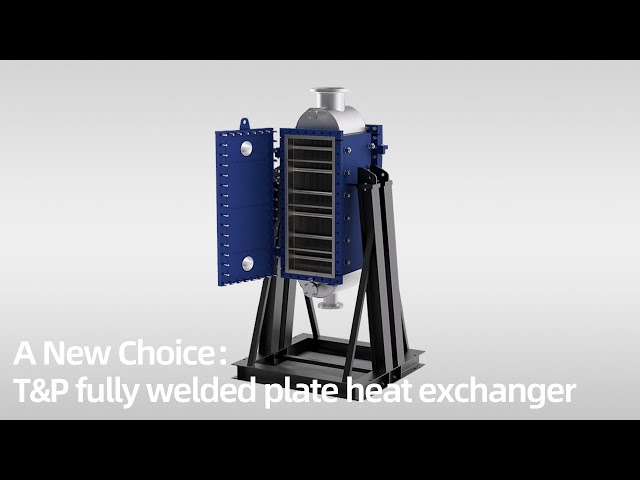
A Plate Air Preheater (PAH) is a regenerative heat exchanger specifically designed to recover waste heat from industrial flue gases and transfer it to the incoming combustion air. This core component is installed within the air/flue gas ducting of boilers, heaters, and furnaces across various industries. Its primary construction consists of multiple parallel, corrugated steel plates arranged to form alternating flow passages for the hot exhaust gas and the cooler incoming air. The heat transfer occurs directly through the plates without any mixing of the two fluid streams. This process significantly elevates the temperature of the combustion air, which is a fundamental principle of improving overall thermal efficiency. By preheating the air required for burning fuel, the system demands less external energy to achieve the optimal combustion temperature, leading to direct fuel savings and reduced operating costs. The robust design is tailored to handle high temperatures and the potentially corrosive elements present in flue gases, making it a durable and essential asset for energy-intensive operations. Its application is critical in sectors like power generation, chemical processing, metallurgy, and pulp and paper production, where maximizing energy recovery from exhaust streams is paramount for economic and environmental performance.
The operational principle is straightforward yet highly effective. Cold ambient air is drawn into the system by a forced draft fan and directed through one set of passages within the preheater module. Simultaneously, hot flue gas, which would otherwise be wasted and expelled into the atmosphere, is channeled through the adjacent passages in a counter-flow or cross-flow arrangement. The thermal energy from the gas is conducted through the plate material, which is typically made from corrosion-resistant steel grades like Corten or similar alloys, and is absorbed by the colder air stream. This exchange can raise the combustion air temperature by hundreds of degrees Fahrenheit, depending on the inlet flue gas temperature. For instance, in a typical boiler application, flue gas entering at 600°F (315°C) can be cooled to around 300°F (149°C), while the combustion air can be heated from an ambient 60°F (15°C) to over 500°F (260°C). This drastic increase in air temperature means the burner uses far less fuel to raise the combustion chamber to its target temperature. The efficiency gain is directly measurable; installations often report a boiler efficiency improvement of 2% to 5%, which translates into substantial annual fuel cost savings. The plate-type design is also known for its compactness compared to traditional recuperative tube-type heaters, offering a higher surface area to volume ratio for more effective heat transfer in a smaller footprint.
Advantages of Plate Air Preheater
The advantages of implementing a Plate Air Preheater are extensive, impacting operational economics, equipment longevity, and environmental compliance. The most significant benefit is substantial fuel savings. By recovering waste heat and returning it to the combustion process, facilities can achieve efficiency boosts of 2% to 10%, directly reducing the consumption of natural gas, oil, coal, or other fuels. This leads to a dramatic decrease in greenhouse gas emissions, including CO2, and a lower carbon footprint for the plant. Furthermore, preheating combustion air leads to more stable and efficient combustion, resulting in lower excess air requirements and reduced NOx formation, which aids in meeting stringent environmental regulations. The robust plate construction, often from enameled or alloy steels, offers excellent resistance to corrosion and fouling, ensuring a long service life and low maintenance needs. The modular design allows for flexibility in installation and easier cleaning or replacement of elements compared to rigid tubular designs. The pressure drop across the unit is typically low, minimizing the energy required for fans to move the air and gas, which further contributes to overall system efficiency. The payback period for a plate air preheater investment is often remarkably short, frequently cited between 6 to 24 months, due to the rapid accumulation of fuel savings.
Quantifiable data from industry case studies and manufacturer specifications underscore these advantages. For example, a preheater can typically recover enough energy to increase thermal efficiency by a definitive 5%, which for a large industrial boiler burning natural gas could mean saving thousands of dollars per month. The elevation in air temperature can be precisely calculated; systems are designed to achieve specific outlet temperatures, such as heating air from 80°F to 600°F with flue gas inlet at 700°F. The corrosion-resistant properties are not merely theoretical; the use of Corten steel provides a protective oxide layer that drastically reduces the rate of degradation from sulfuric acid condensation, a common issue in low-temperature regions of the exchanger. This material choice can extend the unit's life to over 10-15 years with proper maintenance. The environmental benefits are also measurable. A 5% efficiency gain on a 100,000 lb/hr steam boiler can reduce CO2 emissions by approximately 1,500 tons per year. The structural integrity of the plate design allows it to handle higher gas temperatures than regenerative types, making it suitable for a wider range of applications without the risk of thermal deformation. The cumulative effect of these advantages makes the plate air preheater a cornerstone technology for any industry seeking to enhance sustainability, reduce operational costs, and improve the bottom line through proven heat recovery methods.
 English EN
 中国 CN
中国 CN
 French FR
 German DE
 Portuguese PT
 Spanish ES
 Russian RU
 Japanese JA
 Korean KO
 Arabic AR
 Turkish TR
 Italian IT



.jpg)




User Comments
Service Experience Sharing from Real Customers
Michael Reynolds
Maintenance EngineerThis plate air preheater has significantly improved our boiler's thermal efficiency. The build quality is robust, and the installation was straightforward. We've noticed a substantial reduction in fuel costs since installation.
Sarah Chen
Plant ManagerOutstanding performance and durability. The heat transfer plates are corrosion-resistant and have held up perfectly in our harsh chemical processing environment. A critical and reliable component for our waste heat recovery system.
David Rodriguez
HVAC TechnicianVery efficient unit for preheating combustion air. It's well-designed with easy access points for cleaning, which is a huge plus for maintenance. Has helped our client lower their energy consumption noticeably.
James Wilson
Project EngineerWe integrated this preheater into a new furnace line. The performance data exactly matched the manufacturer's specifications. The compact plate design saved us considerable space without compromising on efficiency. Highly recommended.